
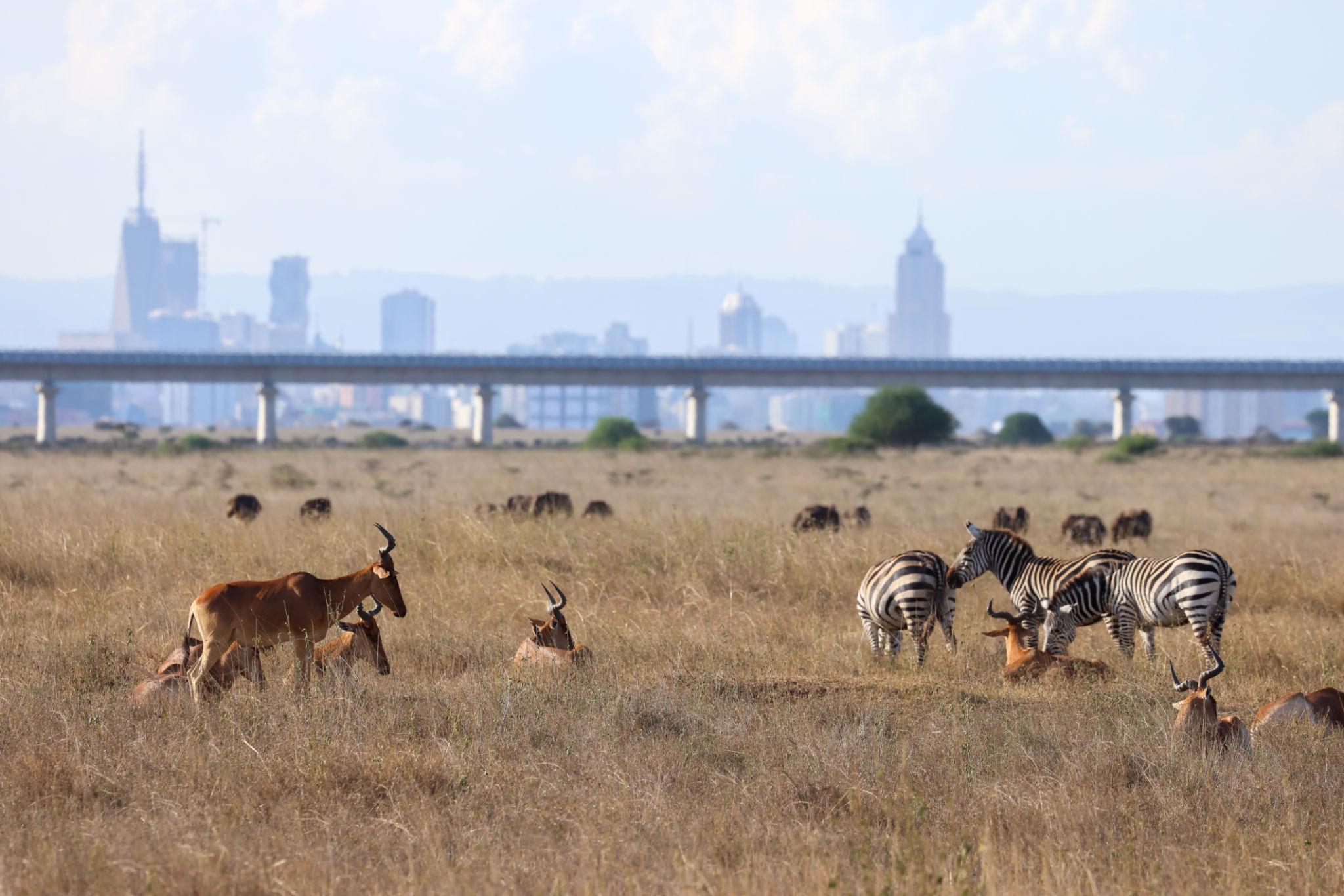
Best Time to Visit Kenya for Safari: Complete Guide
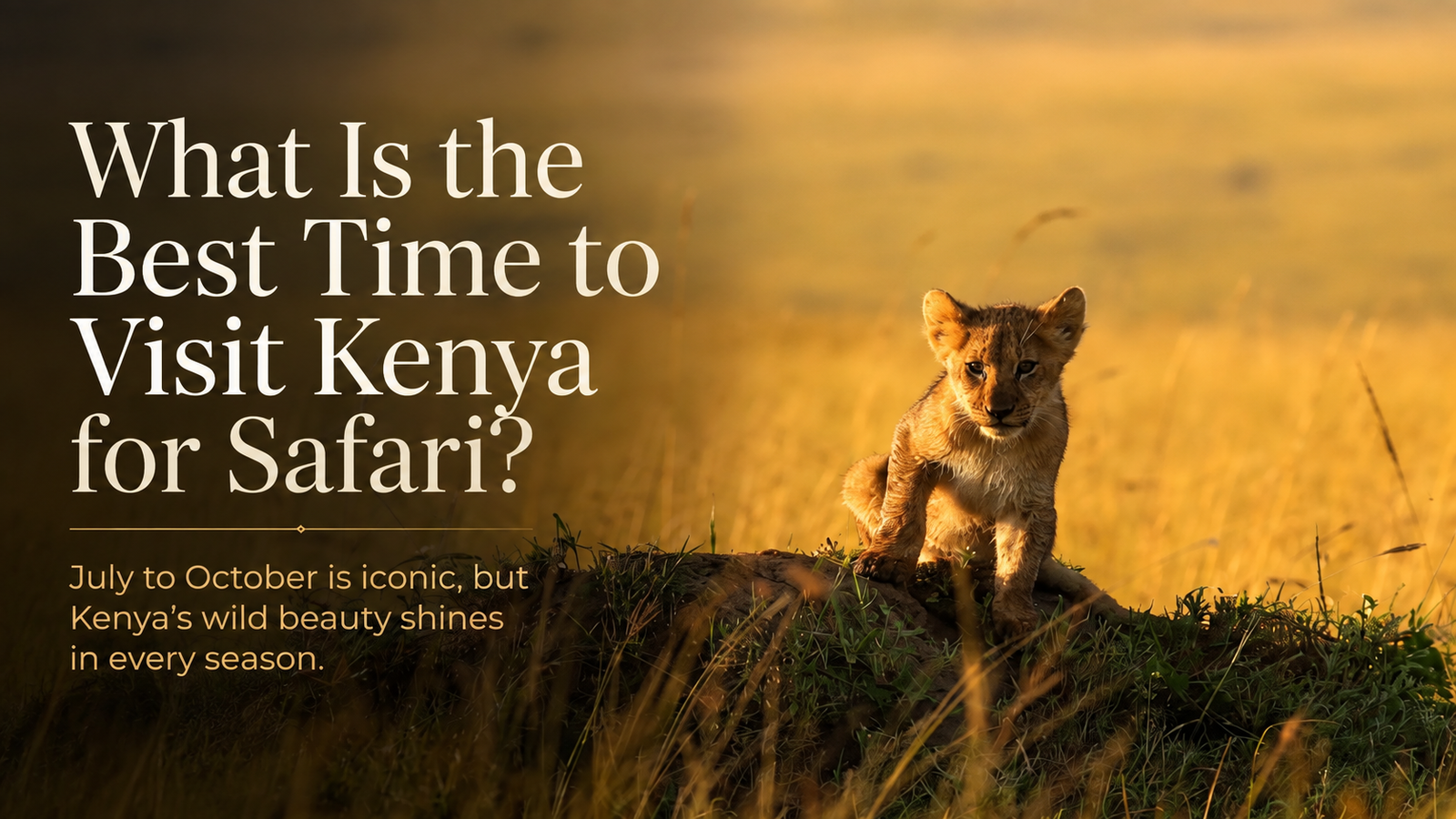
The best time to visit Kenya for safari is generally from July to October. The weather is usually dry, wildlife gathers around permanent water sources, and the Great Migration reaches the Maasai Mara.
However, Kenya is a year-round safari destination. Every season changes the landscape and reveals a different side of the wild.
One month may bring golden grass, gathering elephants and enormous wildebeest herds. Another may bring green plains, dramatic skies, newborn animals and thousands of migratory birds.
Therefore, the best month to visit Kenya depends on what you hope to see, your budget and whether you prefer famous wildlife action or quieter game drives.
Best Time to Visit Kenya for Safari Overall: July to October
July to October is widely considered the strongest Kenya safari season, especially for first-time visitors.
These months fall within the long dry period. The vegetation becomes thinner, roads are generally easier to travel, and animals are often easier to locate near rivers, springs and waterholes.
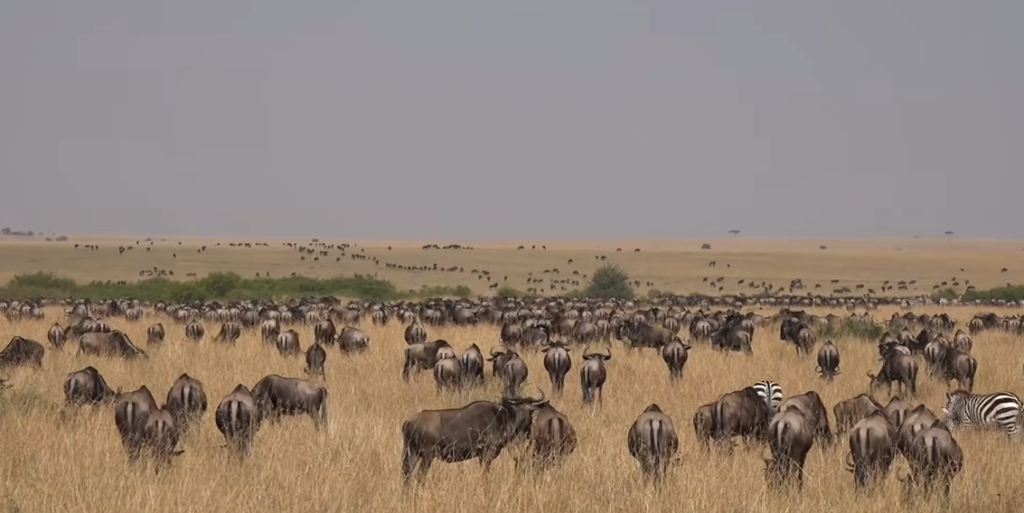
This is also the main season for the Great Migration in Kenya. Huge herds of wildebeest, zebras and gazelles move north from Tanzania’s Serengeti ecosystem towards the Maasai Mara National Reserve.
According to Magical Kenya’s official Great Migration guide, the most iconic period normally occurs from July to October, when migrating herds enter the Maasai Mara and may cross the Mara River.
However, the migration follows rain, water and fresh grazing rather than a human calendar. A river crossing cannot be guaranteed on a particular day.
Travellers planning their journey around this spectacle should read our complete guide to the Great Wildebeest Migration in the Maasai Mara.
July, August and September are also among Kenya’s busiest safari months. Camps can fill early, and popular wildlife sightings may attract several vehicles. Booking in advance provides a better choice of accommodation, vehicles and safari guides.
January and February: Clear Skies and Excellent Wildlife Viewing
January and February form Kenya’s second dry season. These months are ideal for travellers who want warm days, clearer skies and rewarding wildlife viewing outside the busiest migration period.
Shorter grass can make lions, cheetahs and other predators easier to observe. Water sources also become increasingly important to wildlife as the landscape dries.
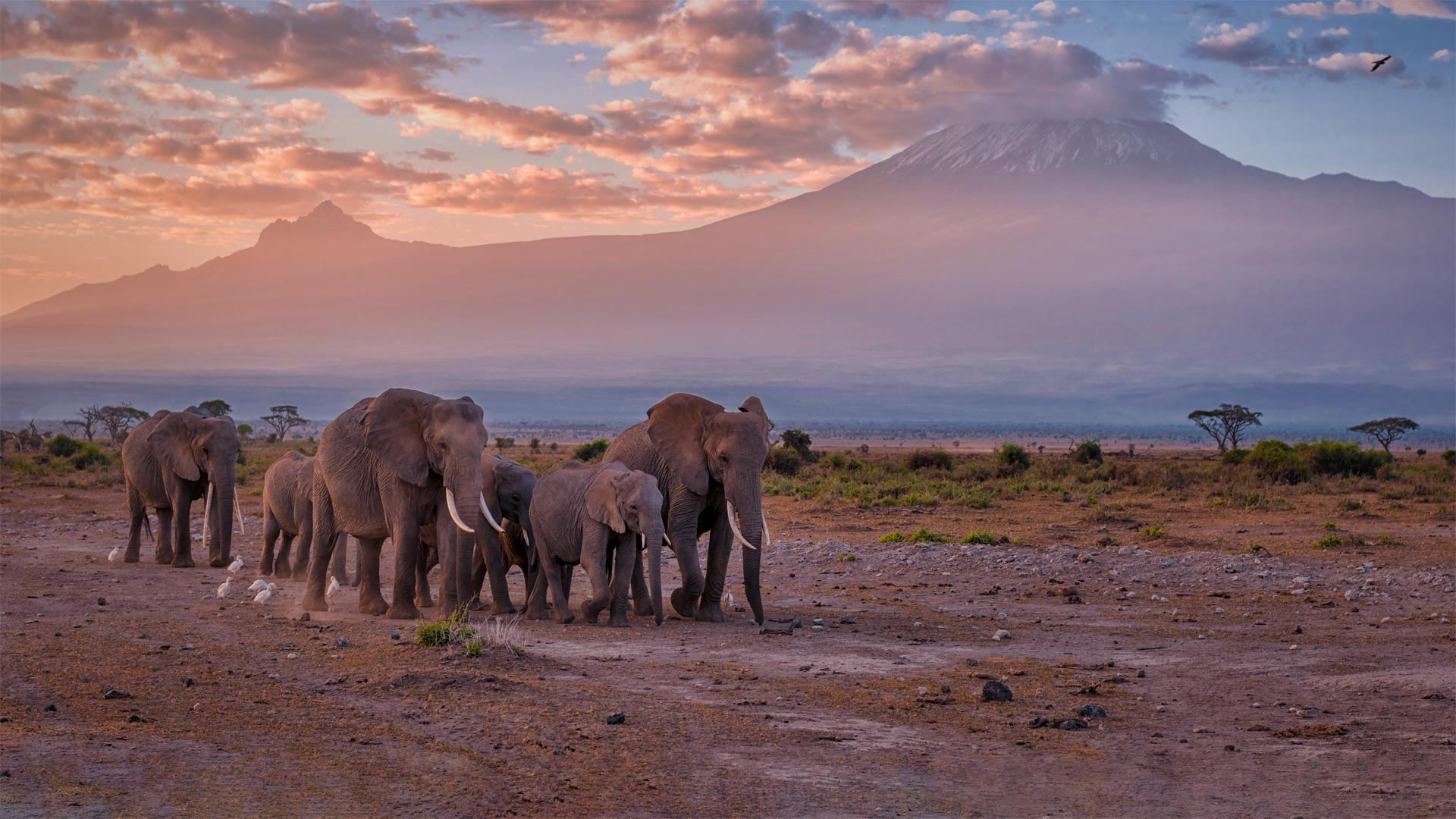
This period is especially beautiful in Amboseli National Park, where elephants move between open plains and permanent wetlands.
The Kenya Wildlife Service description of Amboseli highlights its large elephant herds, birdlife and famous Mount Kilimanjaro backdrop. The mountain is often clearest during the cool early morning, although visibility always depends on cloud conditions.
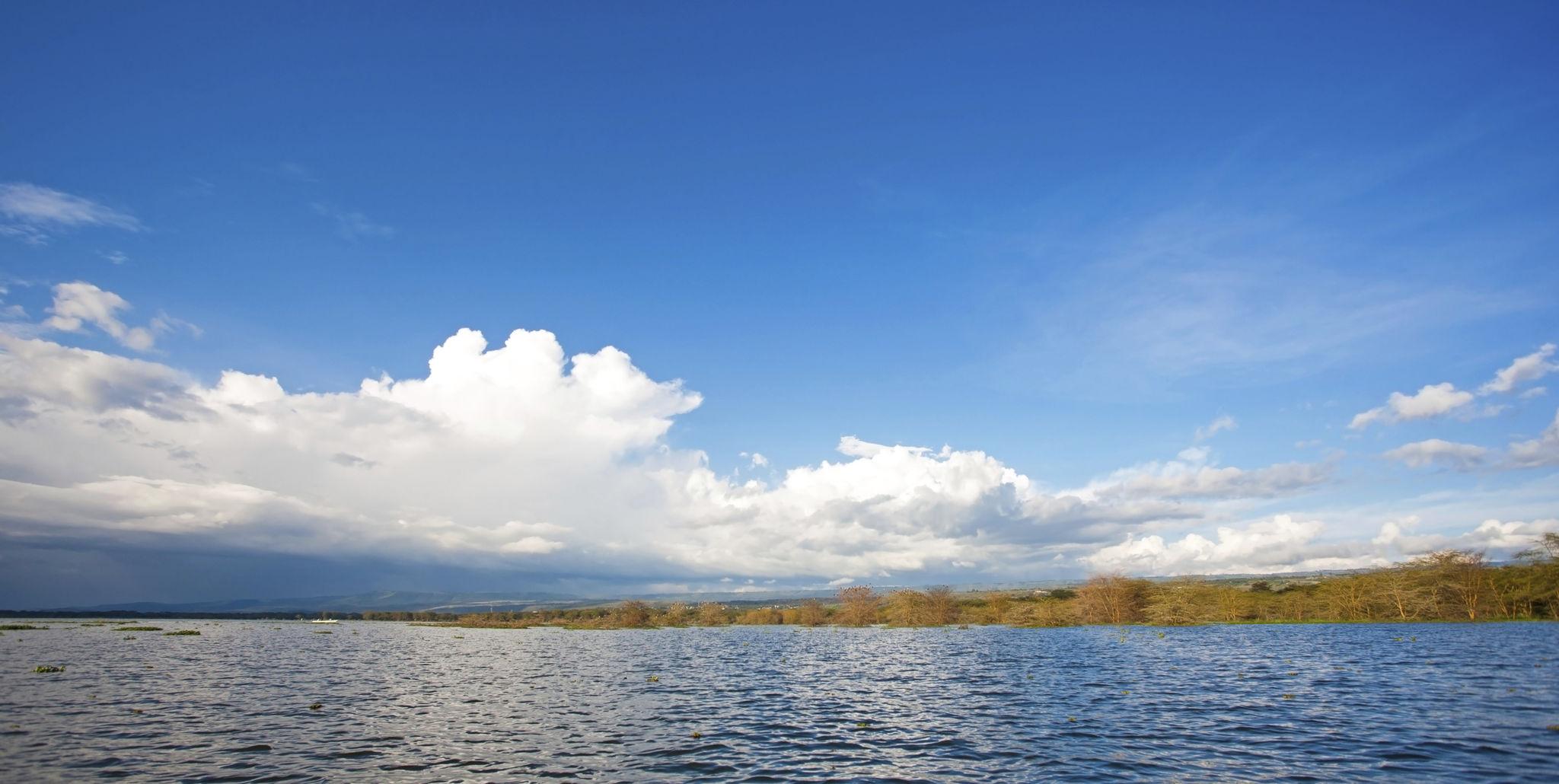
January and February also work well for a multi-destination safari combining Amboseli, Lake Naivasha, Lake Nakuru National Park and the Maasai Mara.
March to May: Green Landscapes and Safari Value
March to May is usually associated with Kenya’s long rains, with April often receiving considerable rainfall.
Yet the rain rarely removes all safari possibilities. Showers may be followed by clear skies, soft light and beautiful evening colours.
During this green season, the savannah becomes fresh and bright. Dust settles, flowers appear, and the dramatic clouds can create excellent conditions for landscape and wildlife photography.
There are also fewer safari vehicles in many parks. Accommodation providers may offer lower seasonal rates, making this a suitable time for travellers seeking better-value Kenya safari packages.
The main challenge is accessibility. Roads can become muddy, particularly in remote areas, and some seasonal camps may close temporarily. Thick vegetation and widely available water may also make animals more difficult to locate.
A reliable safari vehicle and an experienced local guide are particularly important during this period.
June: Kenya’s Quiet Safari Secret
June is one of the most underrated months for a Kenya wildlife safari.
The long rains are normally ending, but the landscape remains green. Wildlife visibility begins to improve as the vegetation slowly dries, while visitor numbers have not yet reached the July and August peak.
The great migrating herds may still be moving through the Serengeti ecosystem, but resident wildlife remains abundant in the Maasai Mara.
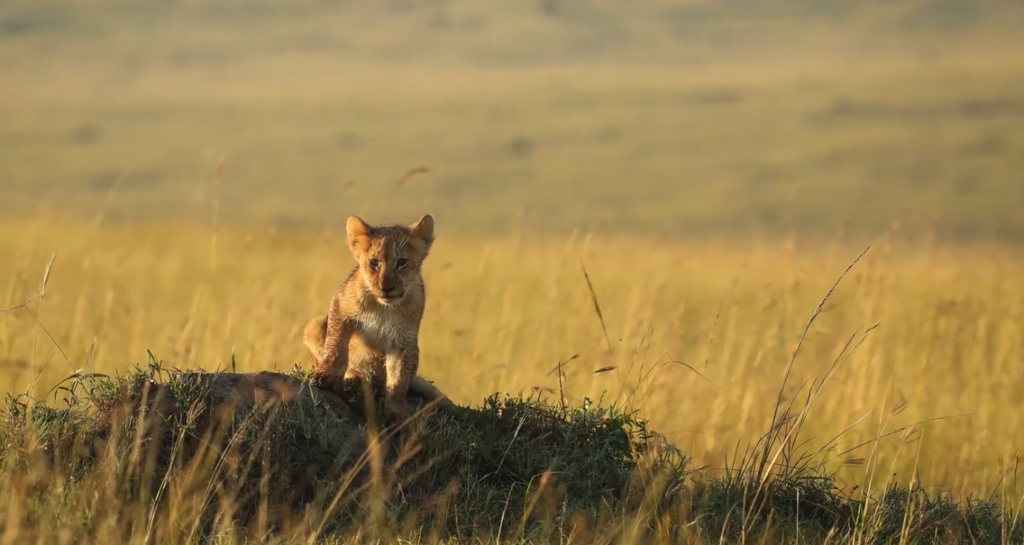
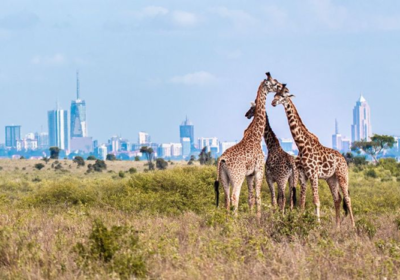
Lions, elephants, buffaloes, giraffes, cheetahs, hyenas and different antelope species live within the wider Mara ecosystem throughout the year.
June is therefore an excellent choice for travellers who want good wildlife viewing, beautiful scenery and a calmer safari atmosphere.
November and December: Birding and Fresh Green Plains
November usually brings the short rains. These showers refresh the plains, encourage new grass and fill seasonal water sources.
Rain commonly arrives in short periods rather than continuing throughout the entire day. This can leave enough time for early-morning and late-afternoon game drives.
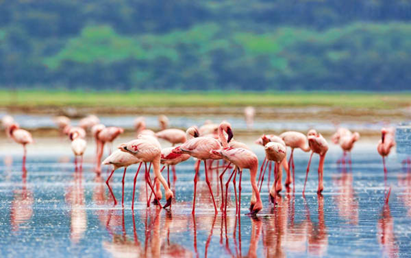
The period is especially rewarding for birdwatching. Migratory birds from Europe and Asia join Kenya’s resident species, creating colourful and varied sightings across lakes, forests, wetlands and savannahs.
Nature Kenya documents an important bird migration study conducted every November and December at Ngulia in Tsavo West National Park. The project has operated since 1969 and has recorded more than half a million ringed birds.
Lake Naivasha, Lake Nakuru, Tsavo and Kenya’s coastal forests are particularly attractive during the birding season.
Early December can be quieter, although visitor numbers and accommodation prices often rise during Christmas and New Year.
Best Time to See the Great Migration in Kenya
For the Great Migration, plan your Maasai Mara safari between late July and October.
August and September are commonly the most requested months. However, migration movements can be early, late or spread across several areas depending on rainfall and grazing conditions.
It is better to spend several nights in the Maasai Mara than to rely on one hurried game drive. A longer stay gives your guide more time to follow wildlife reports, explore different areas and respond to changing herd movements.
Consider our 7-Day Magical Kenya Wildebeest Migration Safari, which combines Amboseli, Lake Naivasha, Lake Nakuru and the Maasai Mara.
Best Time for a Big Five Safari in Kenya
The dry seasons, particularly July to October and January to February, normally provide strong Big Five viewing conditions.
The Maasai Mara is excellent for lions, leopards, elephants and buffaloes. Rhinos are less commonly encountered there, so combining the Mara with Lake Nakuru or Ol Pejeta Conservancy can improve the possibility of completing a Big Five safari in Kenya.
Wildlife remains unpredictable, which is part of what makes a real safari meaningful. No ethical tour operator should guarantee sightings of a particular wild animal.
Best Time for Fewer Crowds and Lower Safari Costs
Consider travelling in March, May, June, November or early December when seeking fewer vehicles and possible seasonal savings.
These periods offer a more peaceful experience, although travellers should remain flexible about weather and road conditions.
Safari prices are influenced by more than the season. Accommodation level, park fees, vehicle type, group size, trip duration and route all affect the final cost.
Our Kenya safari planning guide explains how to choose a route, vehicle and accommodation style that suits your budget.
Responsible Safari Travel in Kenya
The best safari is not only measured by the number of animals photographed. It is also measured by how respectfully those animals were observed.
Travellers should avoid pressuring guides to drive too close, block an animal’s path or join overcrowded sightings.
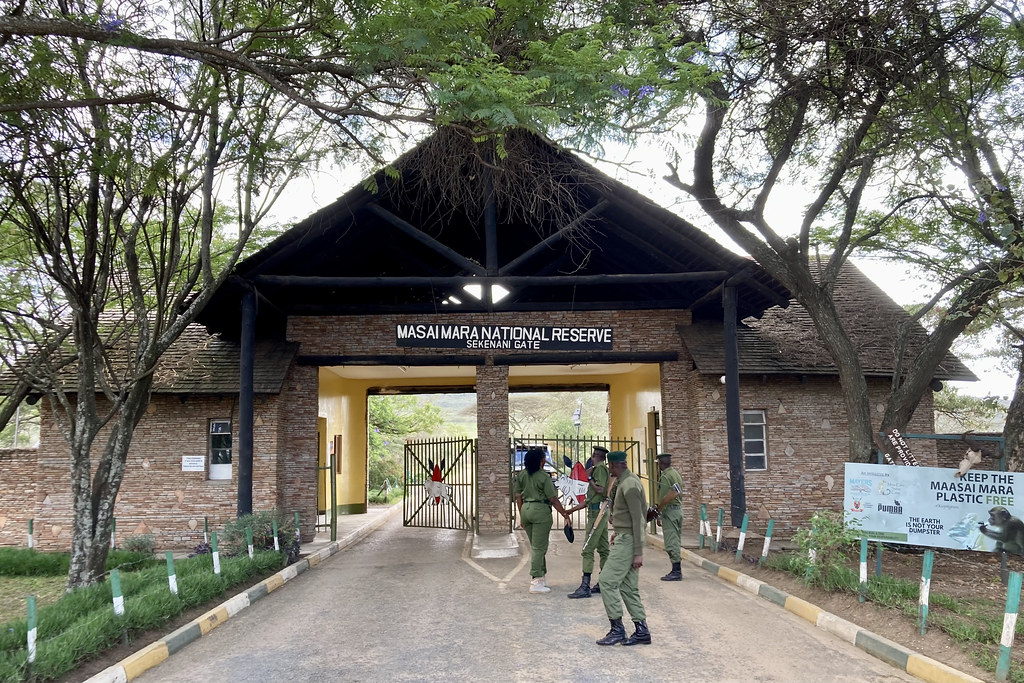
The Mara Conservancy publishes park rules, maps and responsible visitor information for the Mara Triangle. It also promotes conservation, anti-poaching work, community projects and responsible ecotourism.
Choose a licensed local operator, follow your guide’s instructions, respect park regulations and allow wildlife enough space to behave naturally.
So, When Should You Visit Kenya?
For most first-time travellers, the best time to visit Kenya for safari is from July to October. This season brings dry conditions, excellent wildlife viewing and the possibility of witnessing the Great Migration in the Maasai Mara.
January and February are excellent alternatives for warm weather, elephants, predators and multi-park safaris.
June suits travellers who want green landscapes and fewer crowds, while November and December are especially rewarding for birdlife and fresh scenery.
Kenya does not offer only one version of the wild.
It offers golden plains and gathering herds, green valleys beneath storm-filled skies, silent mornings beside a lake and elephants walking below the distant summit of Kilimanjaro.
The right season is the one that brings you closer to the experience you have always imagined.
Plan a safari with NAMSA Prestigious Tours and let our local team design a route, travel season and accommodation style that fits your interests, comfort and budget.

Comments (4)