
Best Place to See Elephants in Kenya: 6 Top Places
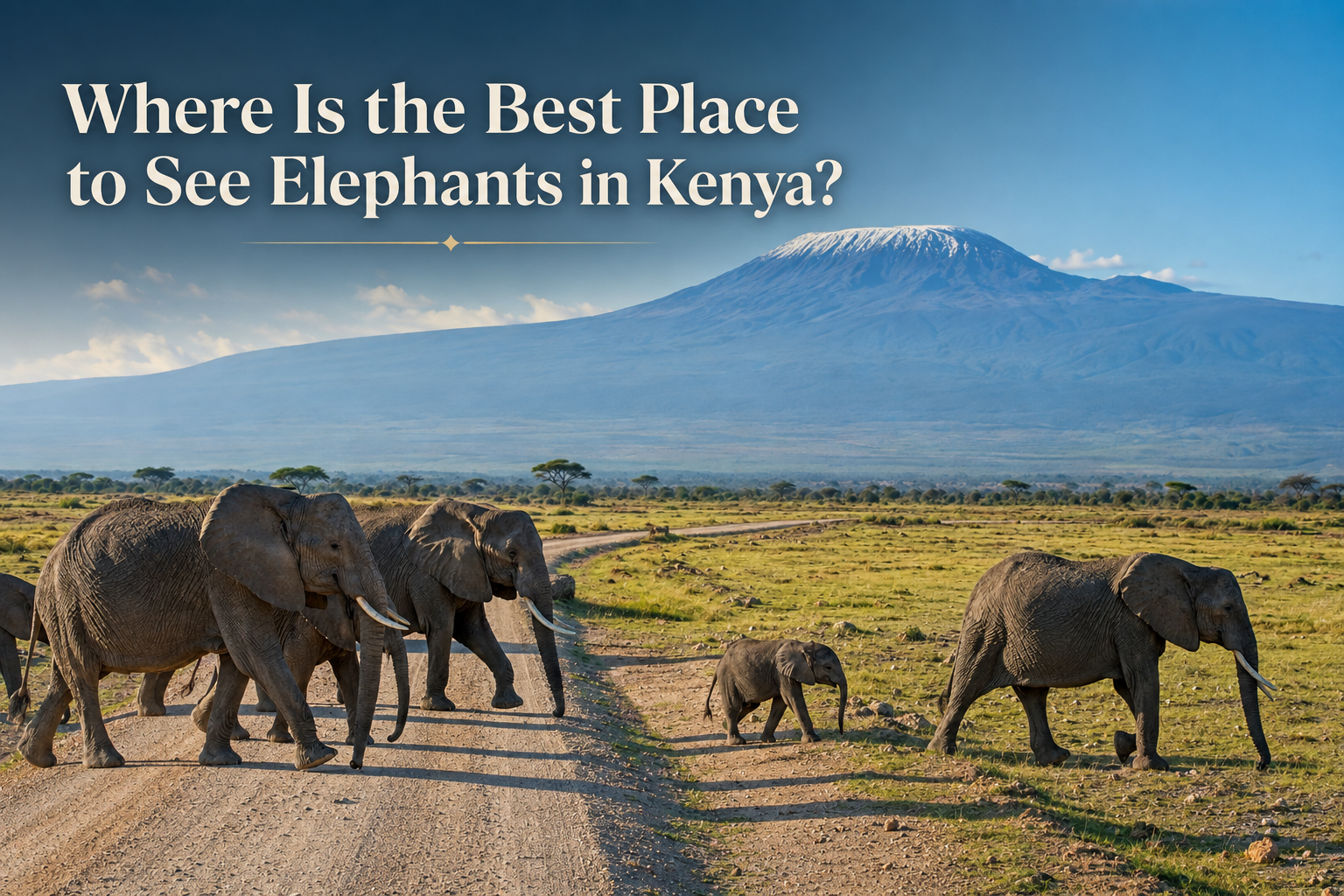
If you are wondering where the best place to see elephants in Kenya is, start with Amboseli National Park.
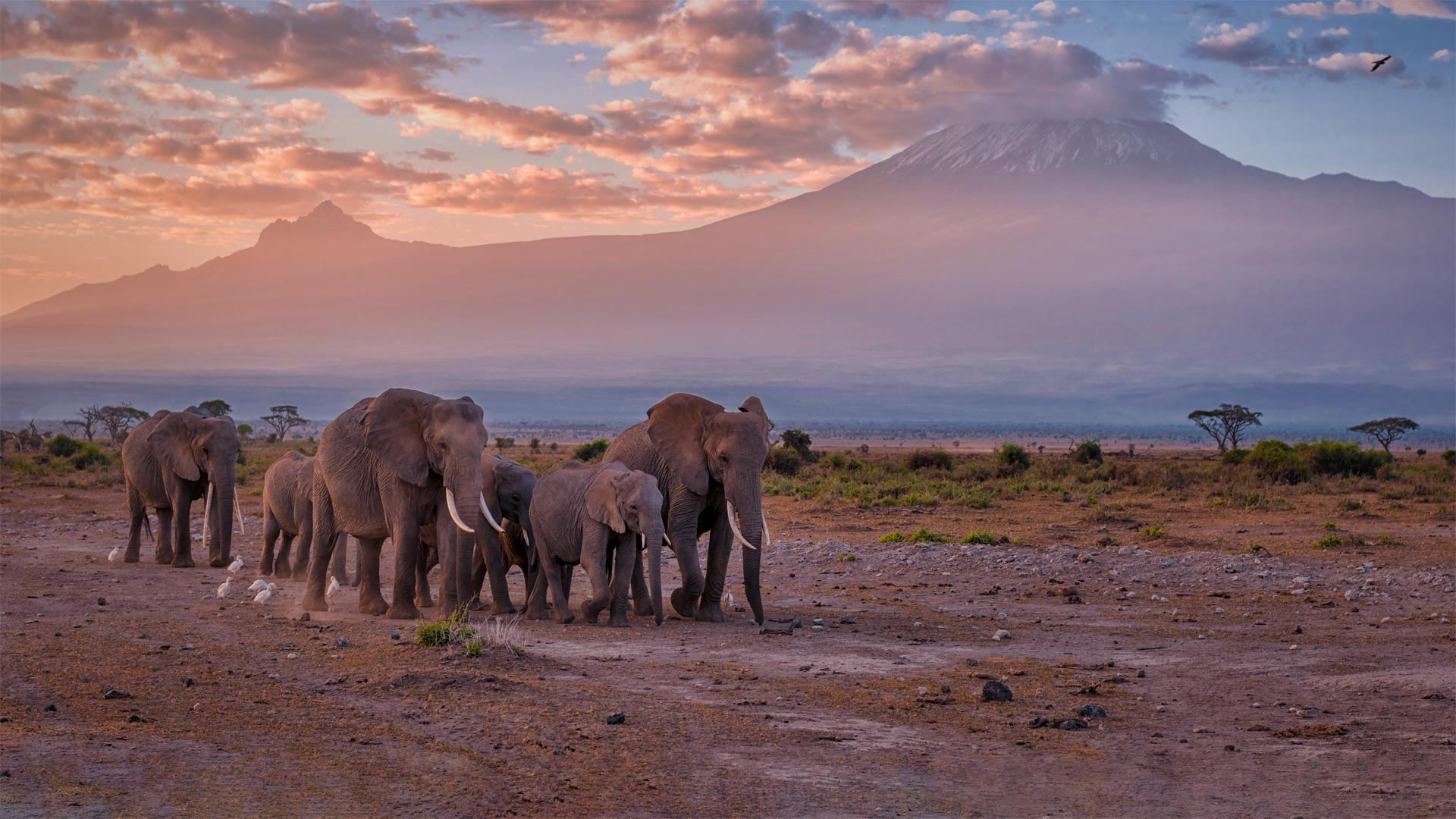
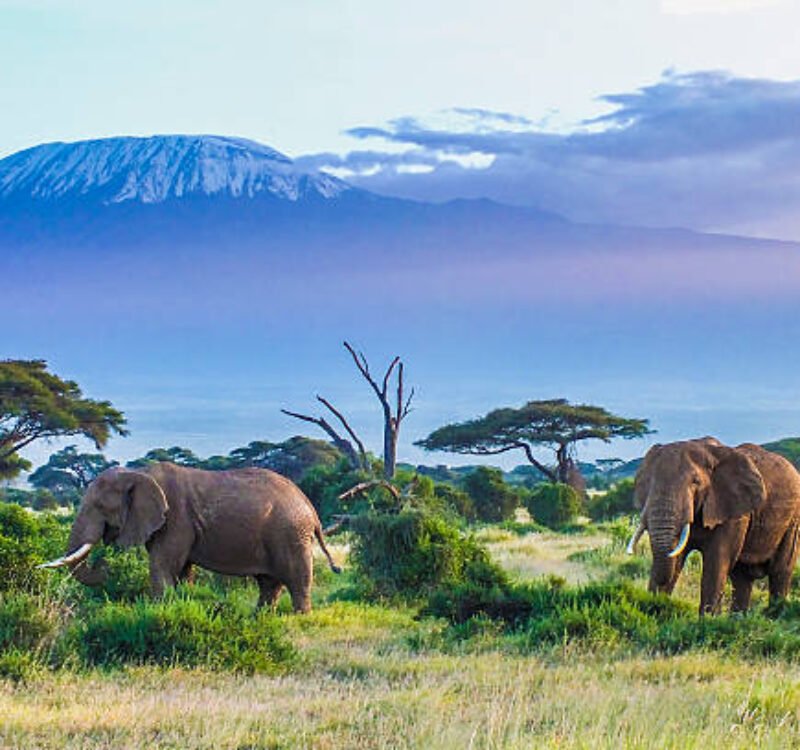
Amboseli offers one of Kenya’s most memorable elephant safari experiences. Large elephant families move between open plains and permanent wetlands, while Mount Kilimanjaro can rise above the landscape when the clouds clear.
For photographers, first-time safari travellers and anyone whose main dream is to spend meaningful time watching African elephants in the wild, Amboseli is difficult to beat.
The Kenya Wildlife Service describes Amboseli as the “Home of the African Elephant” and one of Africa’s leading places for close encounters with large elephant herds.
However, Amboseli is not the only excellent place to see elephants in Kenya. Tsavo is famous for red-dusted elephants and enormous wilderness, Samburu offers intimate encounters along the Ewaso Nyiro River, and elephants also roam the Maasai Mara.
Here is how to choose the best elephant destination for your Kenya safari.
What Is the Best Place to See Elephants in Kenya?
Amboseli National Park is the best overall place to see elephants in Kenya, particularly if you want:
-
Regular opportunities to see elephant families
-
Open landscapes that make wildlife easier to observe
-
Large bulls and breeding herds
-
Elephant photography
-
Elephants with Mount Kilimanjaro in the background
-
A park that combines easily with other major Kenya safari destinations
Amboseli is located in southern Kenya, close to the Tanzanian border.
The ecosystem includes dry plains, acacia woodland, seasonal lake beds, marshes and permanent wetlands. These contrasting habitats concentrate wildlife around important water sources, particularly during dry periods.
This creates excellent conditions for watching elephants feeding, travelling, bathing and interacting naturally.
Travellers planning a wider Kenya safari can explore our Amboseli National Park guide before choosing accommodation and safari duration.
Why Is Amboseli So Famous for Elephants?
Amboseli is not simply a place where elephants happen to live.
Elephants are part of the identity of the entire ecosystem.
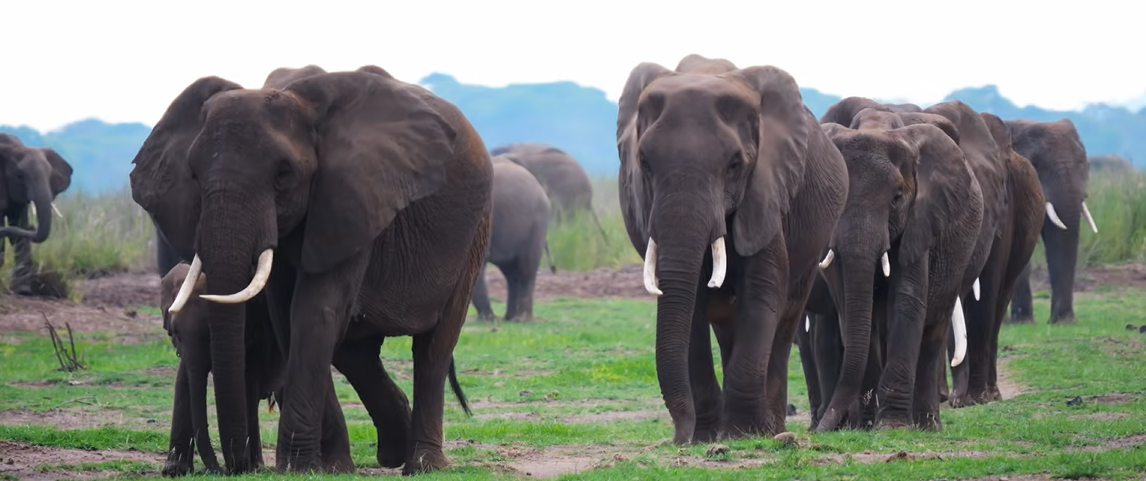
On a morning game drive, you may encounter a family crossing the plains in a long line. Younger calves often remain close to their mothers, while older females watch the surroundings. Large bulls may travel alone or associate temporarily with other males.
Later in the day, elephants can gather around the wetlands and swamps to feed.
The open nature of Amboseli also creates good visibility. Instead of seeing only part of an elephant disappearing through dense vegetation, travellers can sometimes watch a family approaching from a considerable distance and follow its natural movement across the landscape.
This is particularly valuable for wildlife photographers.
Elephants and Mount Kilimanjaro
Amboseli is also famous for one of Africa’s most recognisable wildlife scenes: elephants beneath Mount Kilimanjaro.
Kilimanjaro itself is located across the border in Tanzania, but some of its most famous views are from the Kenyan side of the ecosystem.
The mountain is not visible every day or throughout the entire day. Clouds frequently hide the summit.
Early morning often provides a good opportunity, although weather is never guaranteed.
This is one reason photographers should spend more than one night in Amboseli. More game drives mean more opportunities for the elephants, weather, light and mountain to come together.
More Than 50 Years of Elephant Research in Amboseli
One of the strongest reasons Amboseli is different from many other elephant destinations is the extraordinary amount researchers know about its elephants.
The Amboseli Trust for Elephants traces the Amboseli Elephant Research Project to 1972. Its long-term work follows individual elephants, their families, behaviour, births, deaths, movements and relationships.
The organisation states that more than 3,500 elephants have been monitored through its work.
This means researchers have followed some elephant family histories across generations.
Elephants are highly social animals. Experienced females, particularly matriarchs, can carry important knowledge about water, food, danger and movement through the landscape.
Watching an elephant family therefore becomes more meaningful when you understand that the group is not simply a collection of animals standing together. It is a social family shaped by relationships and experience.
A calf walking beside its mother, an older female leading several younger animals or a group pausing before crossing a road can all reveal part of this complex social life.
Where Are Elephants Usually Seen in Amboseli?
Elephants move freely, so no particular location can guarantee a sighting.
However, Amboseli’s marshes, wetlands and surrounding plains are important elephant areas, particularly when conditions become dry.
During a full-day game drive, a guide can explore different parts of the park according to recent sightings, water availability and wildlife movement.
Observation Hill is also worth visiting. Unlike most places inside the park, visitors can leave the safari vehicle at this designated location and climb to the viewpoint. From above, you can appreciate the relationship between the wetlands, plains and surrounding ecosystem.
Never judge an Amboseli safari entirely by the first game drive. Wildlife movement changes throughout the day.
Patience is one of the greatest advantages on safari.
What Is the Best Time to See Elephants in Amboseli?
The strongest general periods for wildlife viewing in Amboseli are usually June to October and January to February.
These are Kenya’s main drier periods.
As seasonal water becomes limited, wildlife becomes more dependent on reliable water sources. Vegetation can also become thinner, which may improve visibility.
For a wider explanation of Kenya’s seasons, read our guide to the best time to visit Kenya for safari.
June to October
June through October offers generally dry conditions and strong wildlife viewing.
The landscape becomes increasingly dusty as the dry season progresses. Elephants crossing open ground can create beautiful photographic scenes as dust rises around them.
July, August and September are also popular safari months, so accommodation should normally be reserved early.
January and February
January and February are another excellent period for an Amboseli elephant safari.
Conditions are often relatively dry, and the park combines particularly well with Lake Naivasha, Lake Nakuru and the Maasai Mara during this period.
What About the Green Season?
Do not automatically dismiss the wetter months.
After rain, Amboseli can become beautifully green. Dust reduces, skies can be dramatic and birdlife is excellent.
Wildlife may become more dispersed because water is more widely available, but elephant sightings remain possible throughout the year.
There is therefore no single month in which elephants suddenly disappear from Amboseli.
How Many Days Do You Need in Amboseli for Elephants?
For most travellers, two nights in Amboseli is a good minimum.
This normally gives you enough time for an afternoon or evening game drive, a full day in the park and another morning opportunity.
Travellers with a strong interest in wildlife photography may prefer three nights.
The additional time matters because photography depends on much more than finding an elephant.
You may be waiting for:
-
A family to move into open ground
-
A calf to emerge from behind its mother
-
Better light
-
Dust to settle or rise
-
Kilimanjaro to appear through the clouds
-
An elephant to approach a wetland
-
A herd to cross naturally in front of the vehicle
A rushed safari encourages constant movement. A photography-focused safari rewards patience.
Best Time of Day for Elephant Photography in Amboseli
Early morning is usually the first choice for photographers.
The light is softer, temperatures are cooler and there is a possibility of clearer views towards Kilimanjaro.
Late afternoon can also provide beautiful warm light.
Bring a telephoto lens rather than asking the guide to approach wildlife too closely. A longer focal length allows you to photograph natural elephant behaviour while maintaining respectful distance.
Wide-angle compositions can also work exceptionally well in Amboseli because the landscape itself is part of the story.
Instead of filling every frame with an elephant, consider including the open plains, wetlands, clouds and mountain.
That is what makes elephant photography in Amboseli distinctive.
Other Best Places to See Elephants in Kenya
Amboseli is our first recommendation, but Kenya has several outstanding elephant destinations.
2. Tsavo East National Park: Best for Red Elephants and Wilderness
If Amboseli produces the classic elephant-and-mountain photograph, Tsavo East National Park produces an entirely different image.
Here, elephants frequently take on a reddish appearance after bathing and dusting themselves with Tsavo’s iron-rich red soil.
The Kenya Wildlife Service describes Tsavo East as a vast semi-arid wilderness where dust-red elephants roam across open plains, acacia scrub and volcanic landscapes.
Tsavo East is enormous, approximately 13,747 square kilometres according to KWS.
The scale changes the feeling of the safari.
Wildlife can sometimes require more searching than in smaller parks, but the sense of wilderness is exceptional.
Choose Tsavo East if you want:
-
Famous red elephants
-
Large wilderness landscapes
-
Fewer tightly concentrated safari vehicles
-
Wildlife photography
-
A safari that can combine with Kenya’s coast
-
A route connecting Amboseli, Tsavo and Mombasa or Diani
For elephant lovers with enough time, Amboseli plus Tsavo is one of Kenya’s strongest safari combinations.
3. Tsavo West National Park: Best for Scenery and a Multi-Park Elephant Safari
Tsavo West forms part of the wider Tsavo Conservation Area together with Tsavo East and surrounding protected lands.
The scenery is more varied and rugged than Tsavo East, with volcanic landscapes, hills, woodland and permanent water sources.
It works particularly well on a longer journey linking Nairobi, Amboseli, Tsavo and the Kenyan coast.
Travellers who want the strongest elephant emphasis can visit both Amboseli and the Tsavo ecosystem rather than choosing only one park.
4. Samburu National Reserve: Best for Elephants in Northern Kenya
For a different landscape and a quieter northern safari, consider Samburu National Reserve.
Elephants frequently use areas around the Ewaso Nyiro River, which provides an important source of water in this otherwise dry region.
Samburu is also internationally important for elephant research.
Save the Elephants operates a research station in Samburu and reports that more than 900 identified elephants have been recorded using reserves along the Ewaso Nyiro River over many decades.
Samburu also introduces travellers to wildlife not commonly associated with southern Kenya, including Grevy’s zebra, gerenuk, reticulated giraffe and Beisa oryx.
Choose Samburu if you want elephants together with a distinctly different northern Kenya ecosystem.
5. Maasai Mara: Best for Elephants With Big Cats and the Big Five
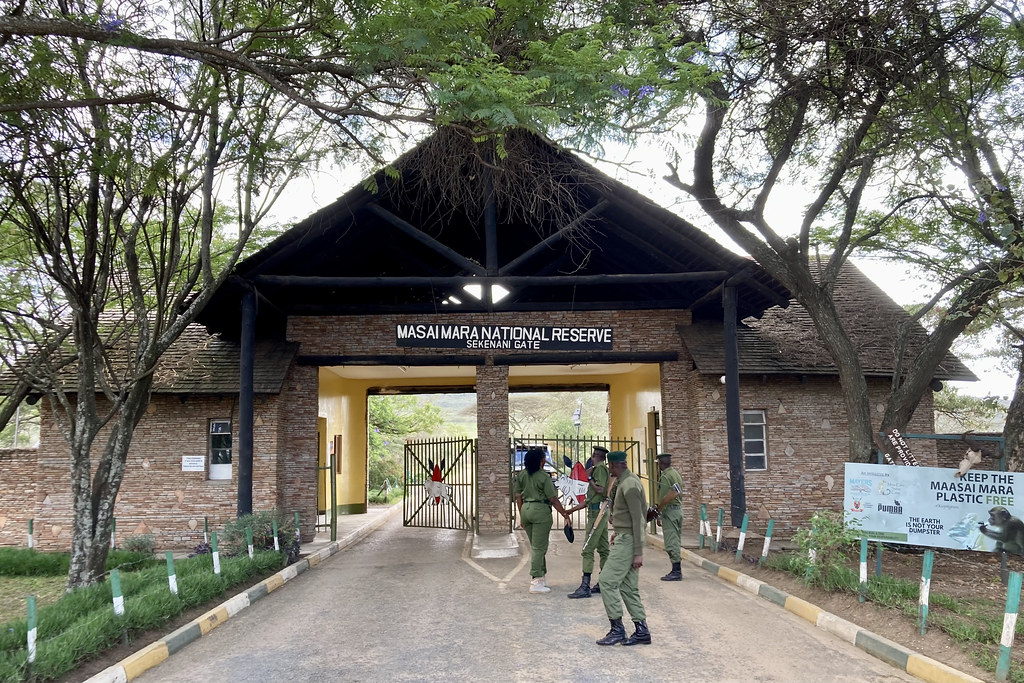
The Maasai Mara is not primarily an elephant destination in the same way as Amboseli, but elephants are resident throughout the wider ecosystem.
Families can be encountered on open grasslands, close to riverine woodland and within surrounding conservancies.
The advantage of the Mara is diversity.
During the same safari, you can search for elephants, lions, leopards, buffaloes, cheetahs, hyenas, giraffes and, with more luck, black rhinos.
If seeing several iconic African animals is more important than concentrating specifically on elephants, the Mara can be an excellent choice.
Read our guide explaining whether you can see the Big Five in the Maasai Mara when comparing your options.
Top Safari for you
Login to use
7 Days Magical Kenya Wildebeest Migration Safari 2026/2027
6. Sheldrick Wildlife Trust: Best for Understanding Elephant Rescue
The Sheldrick Wildlife Trust Nairobi Nursery is different from every destination above.
It is not a substitute for seeing a wild elephant family roaming freely in Amboseli, Tsavo or Samburu.
Instead, it provides an opportunity to learn about elephant rescue, rehabilitation and eventual reintegration into the wild.
The Sheldrick Wildlife Trust says the Nairobi Nursery is the first stage in an orphaned elephant’s journey back to the wild.
Public visits currently take place from 11:00 am to 12:00 noon and require advance booking.
The Trust reports that more than 300 orphaned elephants have been nurtured at its Nairobi Nursery since it was established in 1987.
Older elephants may eventually move to reintegration units, including Voi and Ithumba in Tsavo East.
A visit can therefore add conservation context either before or after a Kenya wildlife safari.
Amboseli vs Tsavo: Which Is Better for Elephants?
Choose Amboseli if your priorities are reliable elephant viewing, family behaviour, relatively open landscapes and the possibility of photographing elephants with Mount Kilimanjaro.
Choose Tsavo if you value vast wilderness, red elephants, dramatic landscapes and a less concentrated safari experience.
If elephants are the main reason you are travelling to Kenya and you have enough days, do not choose between them.
Combine them.
A journey through Amboseli, Tsavo West and Tsavo East shows three different sides of elephant country before continuing towards the Kenyan coast.
Amboseli vs Samburu: Which Is Better?
Again, Amboseli is generally the stronger first choice for a traveller primarily interested in elephants.
Samburu becomes particularly attractive if you have already visited southern Kenya or want a less conventional safari.
The northern landscape, Ewaso Nyiro River, specialised wildlife and long history of elephant research make Samburu exceptional in its own right.
What Is the Best Kenya Safari Itinerary for Seeing Elephants?
For a first safari to Kenya, a particularly balanced itinerary is:
Nairobi → Amboseli → Lake Naivasha → Lake Nakuru → Maasai Mara → Nairobi
Amboseli provides the strongest elephant focus.
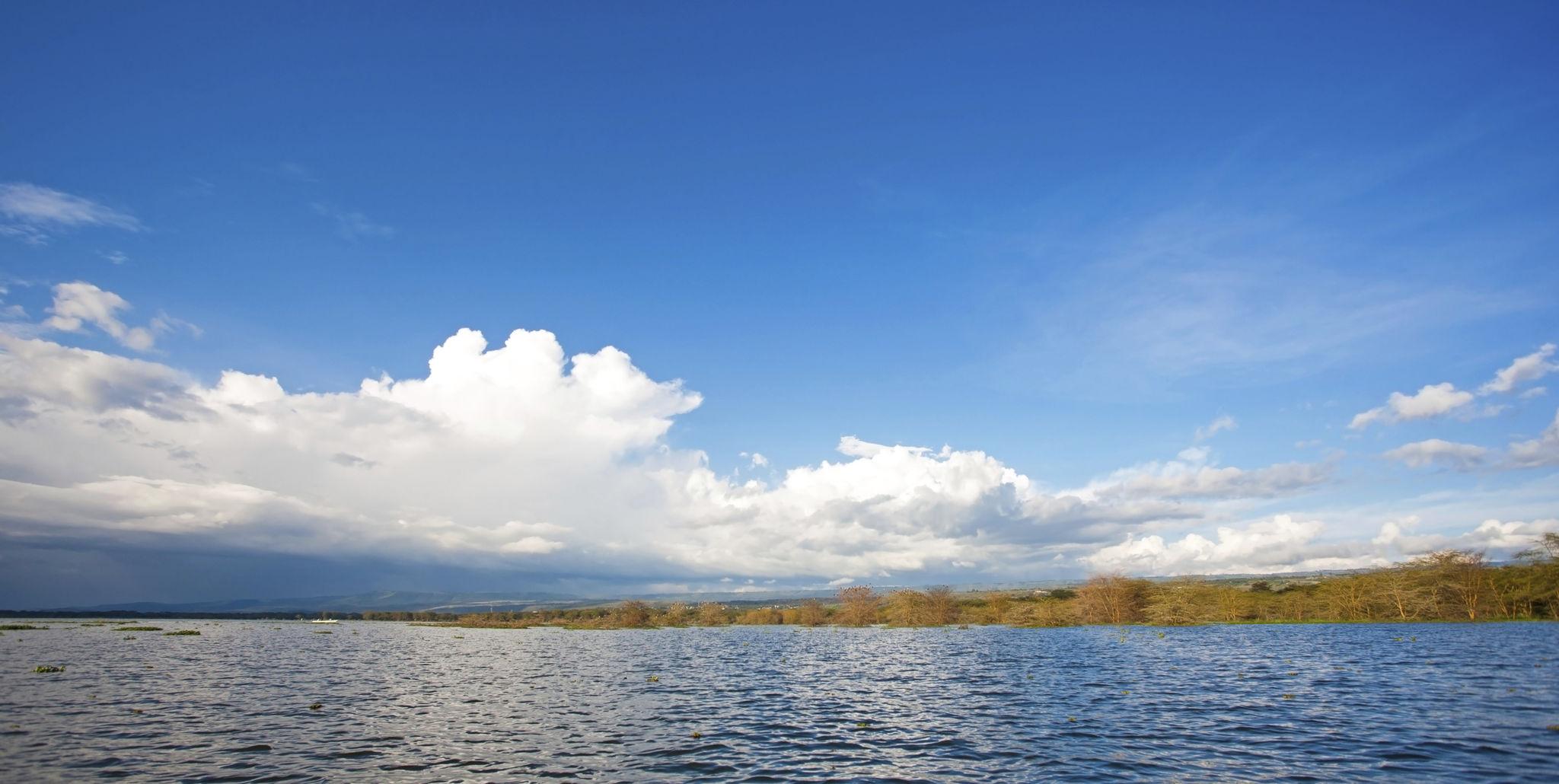
Lake Naivasha adds a boat safari, waterbirds and hippos.
Lake Nakuru adds rhino viewing and a different Rift Valley ecosystem.
The Maasai Mara completes the journey with exceptional predator viewing, the Big Five and, seasonally, the Great Migration.
Our best Kenya safari itinerary for first-time visitors explains this route in greater detail.
Travellers comparing budgets can also read our updated Kenya safari cost guide.
Responsible Elephant Viewing in Kenya
Seeing a wild elephant at close range can be unforgettable, but getting closer is not always better.
Responsible elephant safaris allow animals to choose how they move and behave.
Kenya Wildlife Service rules for Amboseli state that visitors should:
-
Give wildlife the right of way
-
Move slowly and quietly
-
Remain inside the vehicle except in designated areas
-
Stay on established roads
-
Avoid feeding wildlife
-
Observe a maximum park speed of 40 km/h
-
View wildlife from a minimum distance of 20 metres
These rules protect both visitors and wildlife.
Never ask a guide to block an elephant family’s route simply to obtain a photograph.
A mother with a young calf may be particularly protective.
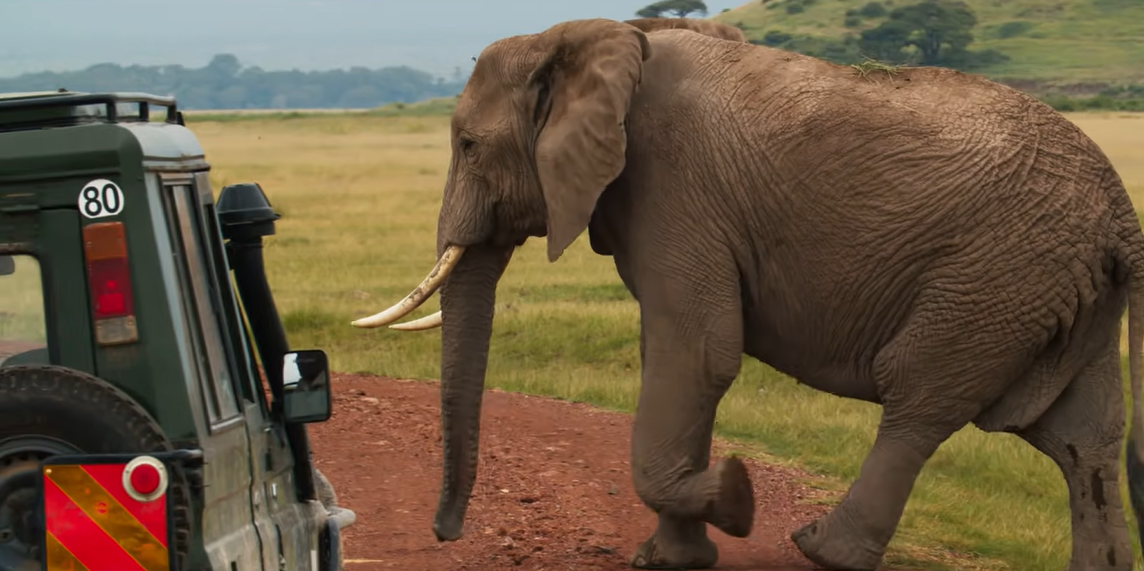
If a herd wants to cross the road, the best experience is often simply to stop, switch off the engine when appropriate and allow the animals to decide what happens next.
The most memorable elephant encounters are frequently the ones that unfold without interference.
Are Elephant Sightings Guaranteed in Kenya?
No ethical safari company should guarantee a particular wild animal sighting.
Elephants move according to water, food, rainfall, social relationships and changing environmental conditions.
Amboseli provides excellent opportunities, but it remains a natural ecosystem.
That uncertainty is part of a genuine safari.
You are not arriving for a scheduled performance. You are entering a landscape where wild animals continue their lives whether visitors are present or not.
A good guide improves your opportunities through knowledge of animal behaviour, recent sightings, habitat and seasonal movement, but nature always has the final decision.
Frequently asked questions
Have more questions? Contact us.
Where is the best place to see elephants in Kenya?
Amboseli National Park is the best overall place to see elephants in Kenya. It is renowned for large elephant herds, open landscapes, wetlands and views towards Mount Kilimanjaro.
What national park in Kenya has the famous red elephants?
Tsavo East National Park is famous for elephants that appear red after covering themselves with the park’s reddish soil and dust.
Can you see elephants in the Maasai Mara?
Yes. African elephants live throughout the wider Maasai Mara ecosystem and can be seen on the plains, in riverine areas and within surrounding conservancies.
Where can I see baby elephants in Nairobi?
The Sheldrick Wildlife Trust operates an elephant nursery within Nairobi National Park. Visits require advance booking and currently take place during a scheduled one-hour public viewing period.
What is the best time to see elephants in Amboseli?
June to October and January to February generally provide strong wildlife viewing conditions. Amboseli can nevertheless be visited throughout the year.
How many nights should I spend in Amboseli?
Two nights is a useful minimum for most travellers. Three nights can be better for photographers and dedicated elephant enthusiasts because it provides more time for changing light, weather and animal movements.
Is Amboseli or Maasai Mara better for elephants?
Amboseli is generally better if elephants are your main priority. The Maasai Mara is stronger when your priority is a broader safari combining elephants with lions, leopards, cheetahs, buffaloes and other wildlife.
Is Amboseli good for wildlife photography?
Yes. Its open terrain, large elephants, wetlands, dust, changing light and Mount Kilimanjaro backdrop make Amboseli one of Kenya’s strongest wildlife photography destinations.

Comments (2)