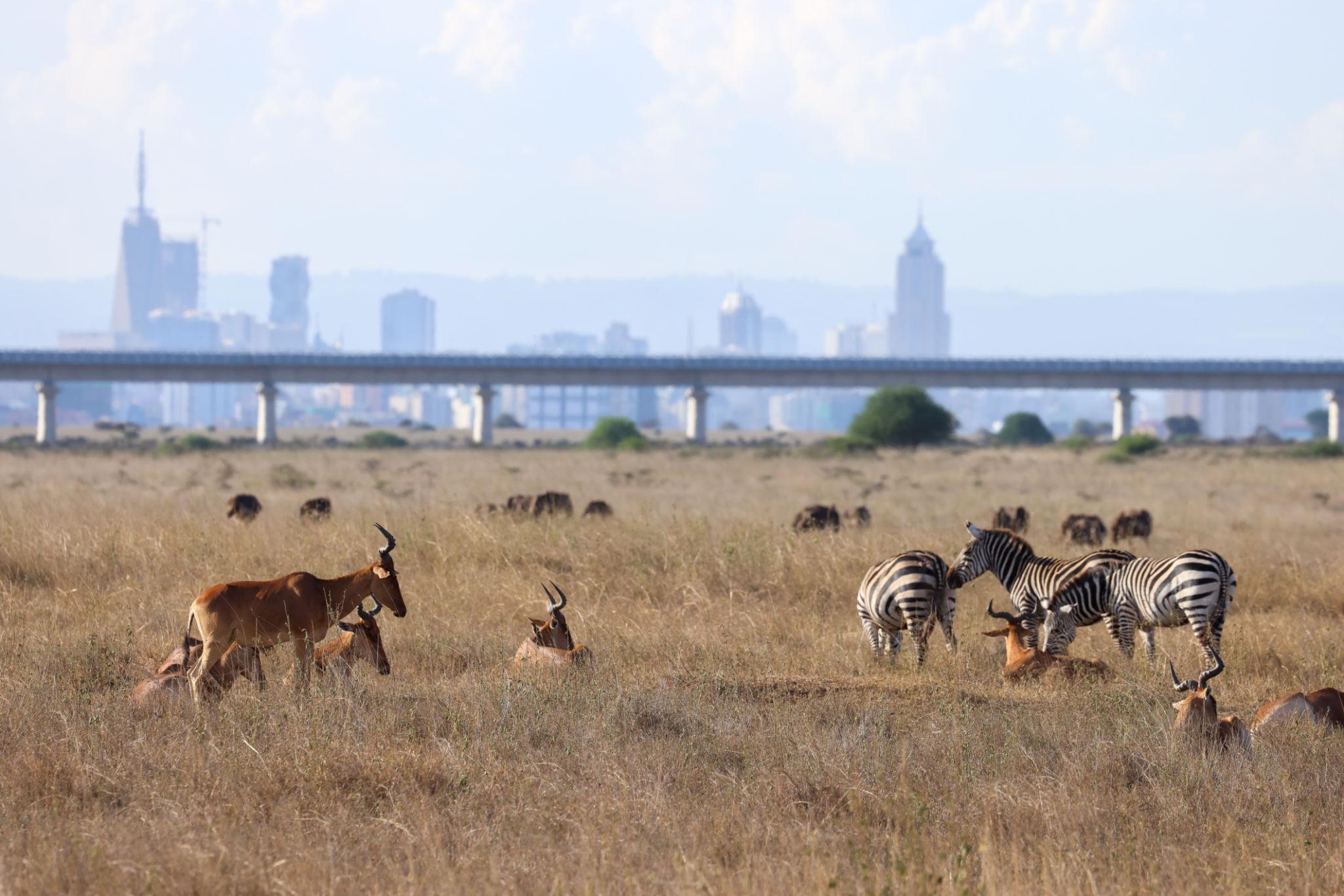
Best Time to Visit Lake Nakuru National Park

NAMSA Prestigious Tours · Kenya safari travel guide
Planning a Lake Nakuru safari is less about finding one perfect month and more about matching the season with what you want to see. This guide explains the best time to visit Lake Nakuru National Park for rhinos flamingos and Kenya safari photography, while also covering birdwatching, road conditions, safari vehicles, wider Kenya safari itineraries and practical travel planning.
Best time to visit Lake Nakuru by season
Lake Nakuru National Park can be visited throughout the year, and the experience changes with rainfall, vegetation, water levels and road conditions. Kenya Wildlife Service describes Kenya’s high tourism seasons broadly as July to December and December to March, while April to June is associated with the long rains. For Lake Nakuru, this matters because rainfall can affect some tracks, the appearance of the landscape and how easily a safari vehicle moves between wildlife-viewing areas.
The most useful approach is to choose your dates according to your safari priority. Kenya travellers focused on rhinos can plan more flexibly. Birders should pay attention to recent observations. Photographers may prefer a season for either dry access and open views or greener landscapes and dramatic skies. Families and first-time visitors may prefer the easier logistics of drier periods, while repeat visitors can enjoy the atmosphere of the green season.
January to March: drier conditions and flexible game drives
January, February and much of March can work well for travellers who want relatively straightforward park access and a classic Kenya wildlife safari. Vegetation and wildlife movement still vary, but road planning is usually simpler than during the long rains. This period suits private Kenya safaris, family Kenya safaris, first-time visitors and travellers combining Nakuru with other Kenya safari destinations.
April to June: green season, rain and quieter travel
April to June is associated with the long rains. The park can look especially green, clouds can create attractive photography conditions and visitor numbers may be lower. However, some roads can become more challenging, so a 4x4 Land Cruiser may be a stronger choice than a standard safari van when conditions are wet. Flexible routing is important.
July to September: popular wildlife safari months
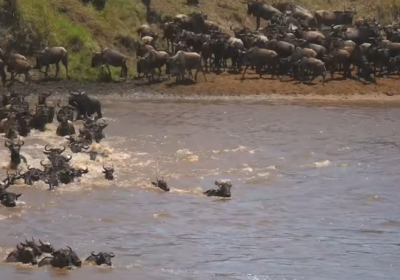
July to September is a practical period for game drives Kenya because many travellers are already visiting the country for wider Kenya safari tours. Lake Nakuru can be combined with a Masai Mara safari during the Great Migration Kenya safari season, allowing one itinerary to include rhinos, Rift Valley scenery, big cats and migration-focused wildlife viewing.
October to December: changing weather and flexible planning
October to December can bring changing weather, including seasonal rainfall. Conditions can differ from year to year, so recent forecasts are more useful than relying on an old calendar. This period can still be rewarding for Kenya wildlife safaris, especially when your driver-guide checks current access, weather and recent wildlife observations before entering the park.

When is the best time to see rhinos at Lake Nakuru?
Rhinos are one of the strongest reasons to include Lake Nakuru in a Kenya safari itinerary. Kenya Wildlife Service identifies the park as Kenya’s first government-managed rhino sanctuary and notes that it supports both black and white rhinos. This makes Lake Nakuru a valuable stop for travellers interested in wildlife conservation Kenya safari experiences.
There is no single rhino month. Rhinos live in the park throughout the year, although sightings always depend on animal movement, vegetation, visibility and where the guide searches. A patient game drive that moves between open grassland and woodland is usually more useful than rushing from one famous viewpoint to another.
Morning drives are often comfortable because temperatures are cooler and the light is softer. Late-afternoon drives can also be rewarding when your itinerary and gate schedule allow. Kenya Wildlife Service currently lists park gates as opening at 6:00 AM and closing at 6:00 PM for day visitors, unless staying overnight under permitted arrangements.
For a first visit, allow enough time inside the park. A day trip from Nairobi is possible, but an overnight stay near or inside the park gives more flexibility. Travellers comparing Kenya safari lodges, tented camps Kenya options or nearby hotels should consider how much driving time is saved by staying close to the gate.
For official park information, see the Kenya Wildlife Service Lake Nakuru National Park page.
Best time to see flamingos and other birds at Lake Nakuru
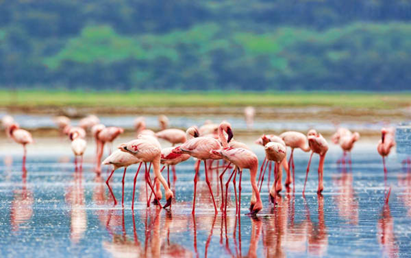
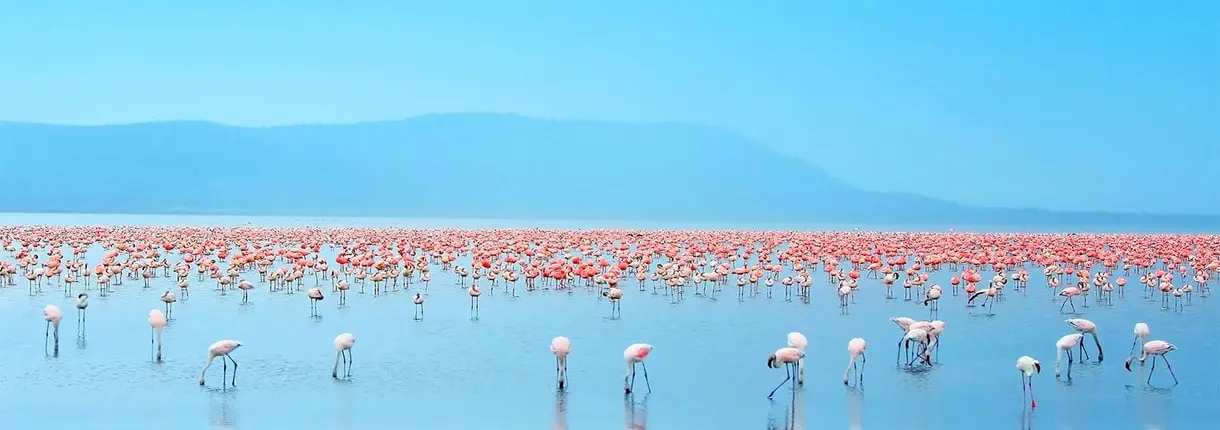
Lake Nakuru is famous for flamingos, but responsible safari planning should avoid promising huge pink flocks on a specific date. Flamingos move between suitable East African soda lakes according to feeding and ecological conditions. UNESCO describes the Kenya Lake System in the Great Rift Valley, which includes Lake Nakuru, Lake Bogoria and Lake Elementaita, as globally important for lesser flamingos and other birdlife.
Recent research gives an important reason for this movement. Studies highlighted by the Natural History Museum found that rising water levels can dilute the salinity and alkalinity of soda lakes, reducing the algae and microorganisms that lesser flamingos rely on for food. Kenya Wildlife Service has also reported major changes in flamingo distribution as lake conditions have changed.
That is why the best time to visit Lake Nakuru for flamingos should be decided using recent local information, not old tourism photographs. Ask your guide when flamingos were last observed, where the flock was located and whether that area can be viewed from an accessible road or viewpoint. Even when flamingos are present, they may be far from the nearest accessible shore.
Birdwatchers should also look beyond flamingos. Kenya Wildlife Service notes that the park hosts around 450 bird species, making it one of the most rewarding Kenya safari destinations for birding. Pelicans, storks, raptors, waterbirds and woodland species can make the visit worthwhile even when flamingo numbers are modest.
For wider ecological context, see the UNESCO Kenya Lake System in the Great Rift Valley, the Kenya Wildlife Service flamingo update, and the Natural History Museum research summary.

Best time for Lake Nakuru safari photography
Lake Nakuru is especially rewarding for photographers because one relatively compact park combines wildlife, woodland, grassland, cliffs, the lake and wide Rift Valley views. The best time depends on the type of image you want rather than one universal photography season.
Drier periods can make movement between locations more predictable and may provide clearer road access. Wetter periods can bring fresh green vegetation, reflective light, textured clouds and more dramatic skies. A wildlife photographer may therefore choose different dates from a family that simply wants the easiest possible game drive.
Early morning is useful for softer light and lower temperatures. Later afternoon can produce warmer tones across grassland and escarpment views. Midday can still be productive when cloud softens the light or when the subject is close enough that direction and background matter more than the hour.
For serious photography, private Kenya safaris offer an advantage because the guide can spend longer at one sighting, position the vehicle carefully and reduce the pressure to follow a fixed group schedule. If photography is your priority, request a private vehicle, adequate window space and a guide who understands light, backgrounds and respectful wildlife positioning.
Lake Nakuru photography planning checklist
- Carry a telephoto lens for wildlife and birds, plus a wider lens for landscapes.
- Pack binoculars, especially when birds are far from the road.
- Use a bean bag or stable support inside the safari vehicle rather than leaving the vehicle in undesignated areas.
- Protect cameras from dust and rain, particularly during changing weather.
- Ask the driver-guide to prioritize light and background rather than simply getting closer.
- Allow time for Baboon Cliff and other viewpoints when access is open and conditions are suitable.
Budget safari, midrange safari or luxury safari: which style works best?
Lake Nakuru works well across different safari budgets. A budget safari may use a safari van, simpler accommodation and a shorter stay. Mid-range safaris usually provide more comfortable lodges or tented camps, while luxury Kenya safaris may combine premium accommodation, private guides, private 4x4 vehicles and more flexible game-drive timing.
For Kenya travellers comparing affordable Kenya safari packages, the biggest price variables are usually group size, season, accommodation level, vehicle type, park fees and how many days are spent on safari. Safari costs Kenya therefore cannot be reduced to one universal number. A short Lake Nakuru day trip and a multi-day private Kenya safari with premium lodges are very different products.
Group Kenya safaris can reduce transport cost per person because the vehicle expense is shared. Private Kenya safaris cost more per traveller when the group is small, but they provide greater flexibility. Family Kenya safaris benefit from private scheduling, especially when travelling with children. Luxury Kenya safari operators with private guides may also build in longer photography stops, special meal arrangements and premium Kenya safari accommodation options.
If your priority is value, compare what is included rather than looking only at the headline price. Park fees, airport transfers, meals, accommodation, game drives, vehicle type and optional activities can change the final cost. For current Lake Nakuru park fees, use NAMSA’s dedicated Lake Nakuru National Park fees guide and confirm the latest rates before payment.
How Lake Nakuru fits into a Kenya safari itinerary
Lake Nakuru is particularly useful because it sits naturally within a wider Great Rift Valley and Kenya savannah tour. From Nairobi, many itineraries connect Lake Naivasha and Lake Nakuru before continuing to Masai Mara. Longer Kenya safari tours can add Amboseli, Samburu, Tsavo, Mount Kenya or the coast.
Lake Nakuru + Lake Naivasha
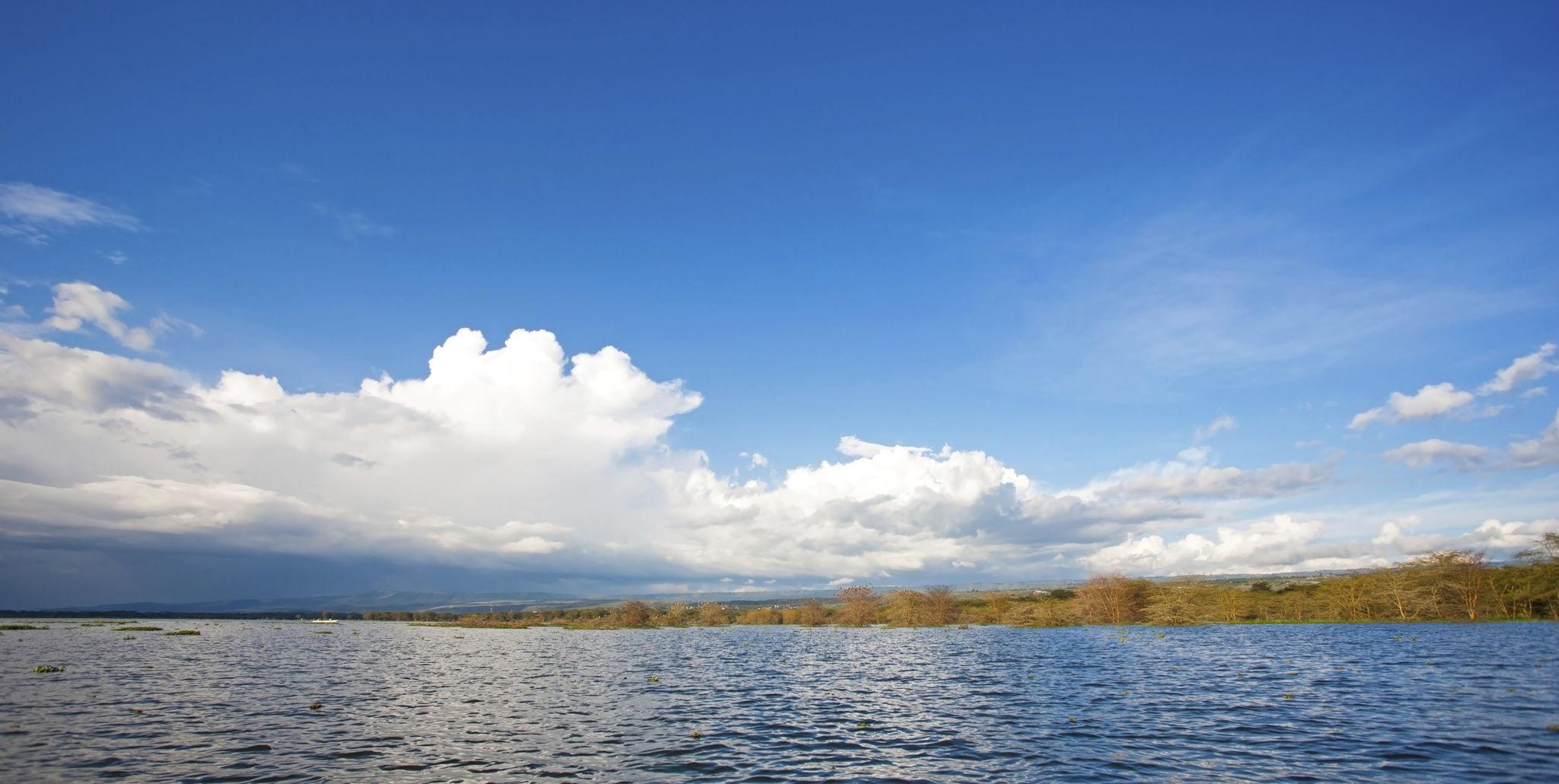
This combination works well for travellers who want wildlife plus a different water-based experience. Lake Naivasha can add a boat ride, hippo viewing and birdlife before a game drive at Lake Nakuru. It is a practical option for Kenya adventure travel because the two destinations are close enough to work within a short itinerary.
Lake Nakuru + Masai Mara safari
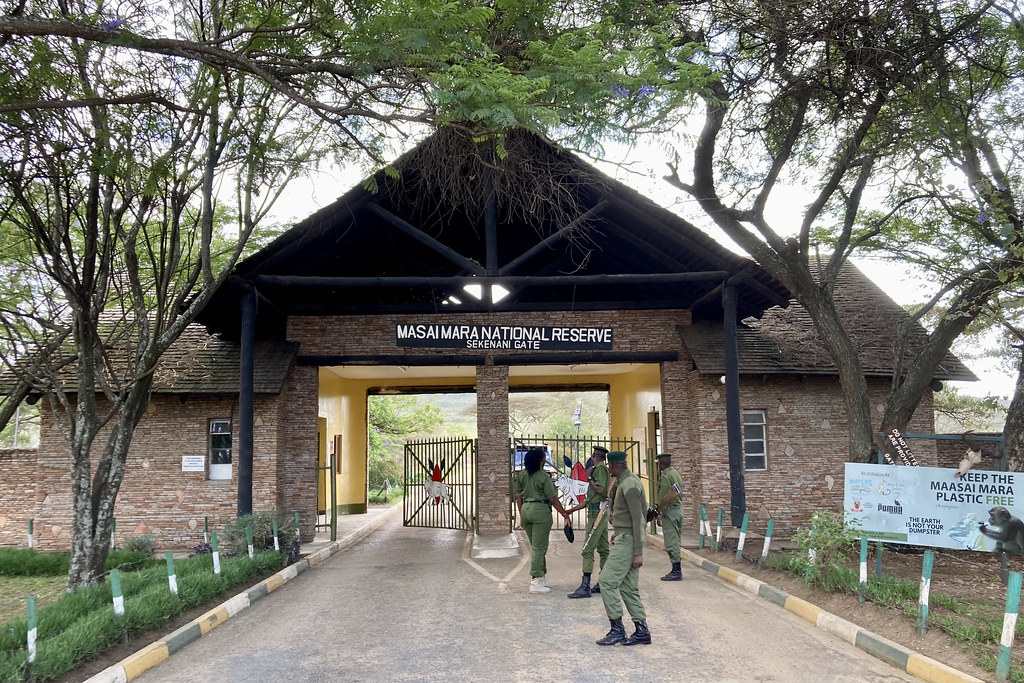
This is one of the strongest combinations for wildlife variety. Lake Nakuru contributes rhinos, birdlife and Rift Valley scenery, while Masai Mara adds open savannah, big cats and, seasonally, the Great Migration Kenya safari experience. Travellers can also add a hot air balloon safari Kenya in the Mara as an optional activity.
Lake Nakuru + Amboseli National Park tours
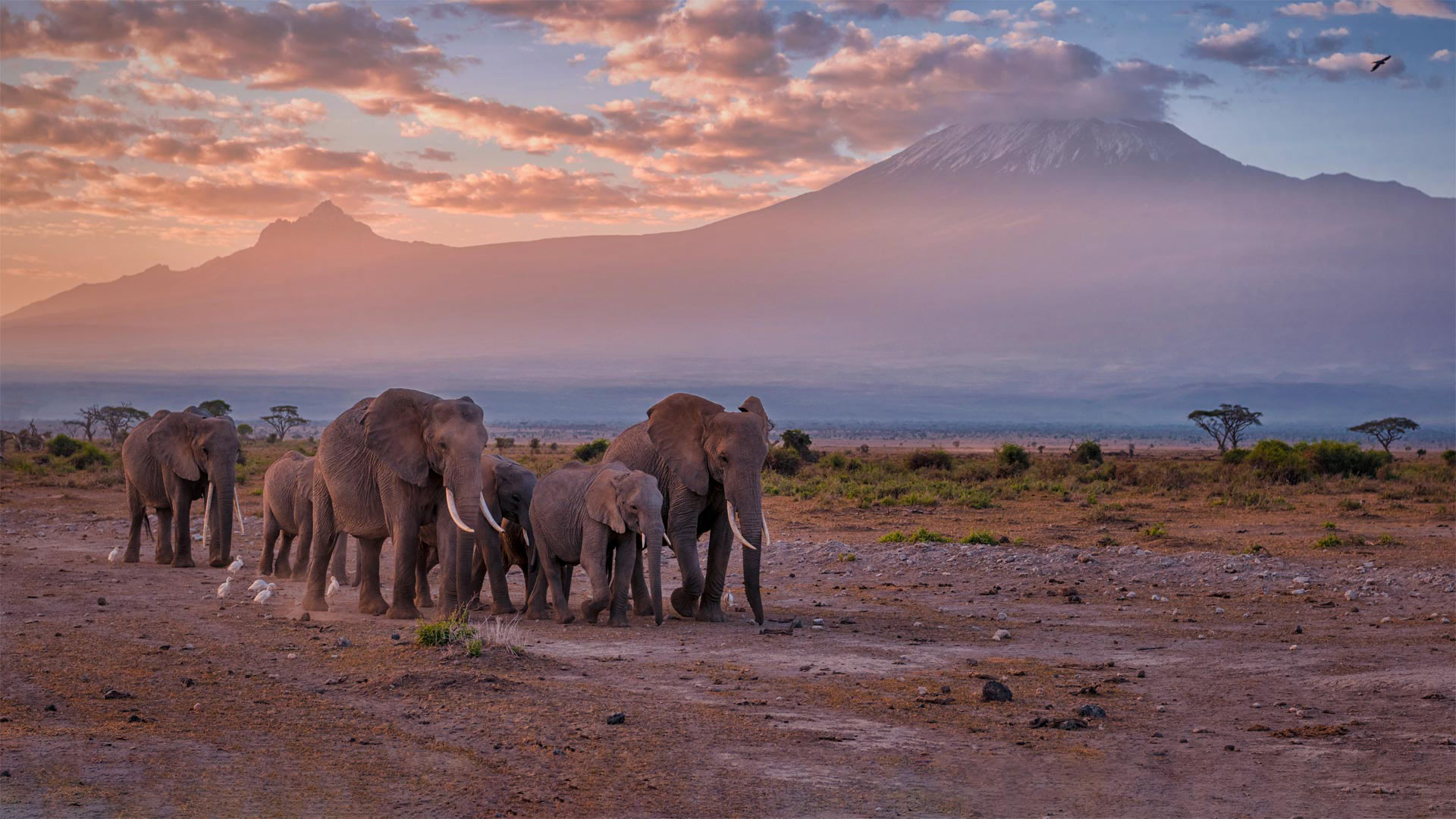
Adding Amboseli gives the itinerary a different landscape and one of Kenya’s most celebrated elephant destinations. A longer route can therefore include elephants in Amboseli, rhinos in Lake Nakuru and predators in the Masai Mara. NAMSA’s 7 Days Magical Kenya Wildebeest Migration Safari follows this wider structure through Amboseli, Naivasha, Nakuru and Masai Mara.
Extensions beyond the classic circuit
Travellers with more time can add Nairobi National Park tours before leaving the capital, Tsavo safaris for a larger wilderness experience, Mount Kenya trekking tours for an active mountain extension, Kenya cultural tours for community and heritage experiences, or Kenya beach holidays combine safari itineraries on the Indian Ocean coast. East Africa safari tours can also extend into Tanzania, depending on border arrangements, transport and travel time.
For route planning, see NAMSA’s guides on how to get to Lake Nakuru from Nairobi, the Lake Nakuru safari map and game-drive planning guide, and what Lake Nakuru is famous for.

Kenya safari vehicle types and road conditions at Lake Nakuru
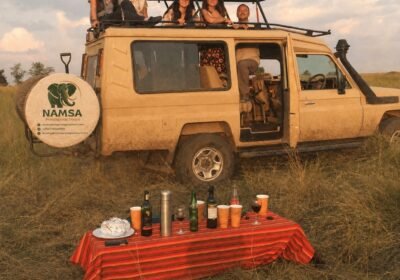
The two common Kenya safari vehicle types are safari vans and 4x4 Land Cruisers. Both can work in suitable conditions, but the better choice depends on season, route, group size and budget.
A safari van can be suitable for a budget Kenya safari during drier conditions and is often more economical. A 4x4 Land Cruiser offers stronger ground clearance and traction, which becomes more useful during wetter periods or when routes are rough. Kenya Wildlife Service notes that some park roads may require four-wheel drive during the April to June long-rain season.
When booking a Kenya safari, ask the operator to state the vehicle type in writing. Also ask about seating arrangement, pop-up roof, luggage space, charging options and whether the vehicle is shared or private. These details influence comfort on long road transfers and game drives.
For photographers, private 4x4 vehicles are especially useful because each traveller can have better access to a window or roof opening. For families, a private vehicle also makes it easier to control stops and travel pace.
Kenya entry requirements, travel insurance and health planning
Safari planning begins before the first game drive. When travellers search for Kenya visa requirements for tourists, the current system to check is Kenya’s Electronic Travel Authorisation, subject to nationality-based exemptions and other official categories. The official Kenya eTA website states that applications normally require a passport, photograph, travel itinerary, accommodation information and payment method, with processing commonly taking about three working days, although longer processing can occur.
Kenya’s official eTA platform also currently displays a mandatory inbound travel health insurance requirement introduced in 2026. Because entry rules can change, travellers should verify their own eligibility, exemption status, insurance requirement and documents directly through the official government portal before departure rather than relying on an old blog or social-media post.
Use the official Kenya eTA guidance and the official inbound travel health insurance notice.
Health precautions for Kenya travel depend on personal medical history, travel route and country of origin. Travellers should consult an appropriate medical professional or recognised travel-health authority for current advice on vaccinations, malaria prevention and medication. A good packing list for Kenya safari should also include sun protection, insect repellent, drinking water, a hat, binoculars, layered clothing for cool mornings and rain protection when travelling in wetter months.
Sustainable safari Kenya: how to view wildlife responsibly
Lake Nakuru is not only a sightseeing destination. It is a protected conservation landscape and part of a UNESCO World Heritage property. Sustainable safari Kenya practices therefore matter during every game drive.
Kenya Wildlife Service instructs visitors to remain on established roads, keep a safe distance from wildlife, avoid feeding animals, keep noise low and remain inside the vehicle except in designated areas. The park also prohibits single-use plastic. These rules protect wildlife, reduce habitat disturbance and help ensure that tourism supports rather than damages the environment visitors came to experience.
For wildlife viewing Kenya, a good guide should not chase animals, crowd predators or block another animal’s path. Better safari experiences often come from patience, observation and respectful positioning. This is particularly important around rhinos, big cats and bird concentrations.
Travellers interested in wildlife conservation Kenya safari experiences can also ask operators how they reduce waste, support local employment, select accommodation and work with communities. Responsible tourism should be part of the safari design, not only a marketing label.
How to choose a Kenya safari company for Lake Nakuru
Choosing between safari companies in Kenya should involve more than comparing prices. Travellers searching for the best Kenya tour operators, recommended Kenya tour operators, top rated Kenya safari companies, trusted Kenya safari companies or highly recommended Kenya tour operators should check licensing, written inclusions, recent Kenya tour reviews, vehicle quality, guide experience and payment terms.
Before booking a Kenya safari, ask the company to explain exactly what is included: park fees, vehicle, fuel, guide, accommodation, meals, transfers and optional activities. Also confirm cancellation terms and what happens if weather or road conditions require an itinerary change.
Kenya’s Tourism Regulatory Authority provides an official online licence verification system. Travellers can use it to confirm the authenticity of tourism licences rather than relying only on advertising claims. You can access the Tourism Regulatory Authority licence verification portal.
Safari booking tips Kenya are especially important for high-demand periods. The best time to book Kenya safari arrangements depends on season, room inventory and group size, but booking earlier gives more choice of Kenya safari lodges, tented camps Kenya options and private vehicles. This is particularly useful for peak Masai Mara safari dates, family travel and luxury Kenya safaris.
NAMSA Prestigious Tours offers Kenya airport transfers safari services, private and group Kenya safari packages, budget safaris, mid-range safaris, luxury safaris and custom Kenya safari itineraries. Travellers can choose a short Lake Nakuru day trip or combine the park with other Kenya safari experiences across the country.
Frequently asked questions about the best time to visit Lake Nakuru
What is the best month to visit Lake Nakuru National Park?
There is no single best month for every traveller. July to March generally offers easier wildlife-viewing logistics, while April to June brings the long rains and greener scenery. Choose dates according to your priority, then verify current weather and road conditions.
What is the best time to see rhinos at Lake Nakuru?
Rhinos can be seen throughout the year because Lake Nakuru is an established rhino sanctuary. Sightings still depend on animal movement, vegetation and the quality of the game drive.
Is there a guaranteed flamingo season at Lake Nakuru?
No. Flamingos move between East African soda lakes as water chemistry and food conditions change. Recent local observations are more reliable than a fixed month.
Is April to June a bad time for Lake Nakuru?
No. The long-rain period can offer green scenery, dramatic skies and fewer visitors. The main disadvantage is that some roads may be wetter or more difficult, so flexible routing and a 4x4 can be useful.
Can Lake Nakuru be visited on a day trip from Nairobi?
Yes. A Lake Nakuru day trip from Nairobi is possible with an early departure. An overnight stay offers more flexibility and can reduce pressure on the game-drive schedule.
Should I choose a safari van or 4x4 Land Cruiser?
A safari van can suit budget travel in dry conditions. A 4x4 Land Cruiser offers stronger ground clearance and traction, which is especially useful during wet weather, on rougher routes and for photography-focused private safaris.
Can Lake Nakuru be combined with Masai Mara and Amboseli?
Yes. Lake Nakuru fits naturally into Kenya safari packages that include Lake Naivasha, Masai Mara and Amboseli. This creates a varied itinerary with rhinos, elephants, big cats, Rift Valley scenery and seasonal migration experiences.
How early should I book a Kenya safari?
Book earlier when travelling in popular months, during migration season, with a family group, or when you want a specific lodge or private vehicle. Shoulder and green-season travel can sometimes provide more flexibility.
Do I need travel insurance for Kenya?
Kenya’s official eTA platform currently displays a mandatory inbound travel health insurance requirement introduced in 2026. Check the official Kenya eTA portal before travel because requirements and exemptions can change.
What should I pack for a Lake Nakuru safari?
Useful items include binoculars, camera equipment, sunscreen, insect repellent, comfortable neutral clothing, a light jacket for cool mornings, rain protection when needed, drinking water and personal medication.
further reading
- Kenya Wildlife Service: Lake Nakuru National Park
- Kenya Wildlife Service: weather and best time to visit parks and reserves
- Kenya Wildlife Service: recent flamingo movement and census update
- UNESCO World Heritage Centre: Kenya Lake System in the Great Rift Valley
- Natural History Museum: research on rising lake levels and lesser flamingos
- Kenya Meteorological Department: Nakuru County seasonal forecast information
- Government of Kenya: official eTA application guidance
- Government of Kenya: inbound travel health insurance notice
- Tourism Regulatory Authority: tourism licence verification
Continue planning your Kenya safari with NAMSA
- How to Get to Lake Nakuru National Park from Nairobi
- Lake Nakuru National Park Fees and Entry Guide
- Lake Nakuru Safari Map and Game Drive Planning Guide
- What Is Lake Nakuru Famous For? Flamingos, Rhinos and Safari
- Lake Nakuru National Park Day Trip Safari
- 6 Days Budget African Safari: Amboseli, Lake Nakuru and Masai Mara
- 7 Days Magical Kenya Wildebeest Migration Safari
- 8 Days Premium Kenya Safari
- Browse all NAMSA Kenya safari packages