How many days do I need in the Maasai Mara?
The African savannah does not reveal all its secrets in one morning.
On your first game drive, you may watch elephants walking quietly through the golden grass. That afternoon, a lioness may appear beside the road with her cubs. The following morning, your guide may follow fresh leopard tracks towards a riverine forest, only for the animal to remain hidden among the trees.
Then, just when the plains seem quiet, a cheetah raises its head above the grass.
This unpredictability is what makes a Maasai Mara safari unforgettable. It is also why many travellers ask one important question:
How many days do you need in the Maasai Mara?
For most first-time visitors, three to four nights, or four to five days, is the ideal amount of time in the Maasai Mara. This gives you several morning and afternoon game drives, enough time to explore different wildlife areas, and some flexibility if one game drive is quiet.
Two nights is the practical minimum. However, travellers visiting during the Great Migration, wildlife photographers, families and guests seeking a slower safari should consider four to six nights.
Quick Answer: How Long Should You Stay in the Maasai Mara?
| Length of Stay | Possible Game-Drive Sessions | Best For | Overall Experience |
|---|---|---|---|
| 1 night, 2 days | 1 to 2 | Travellers with extremely limited time | Very rushed |
| 2 nights, 3 days | 3 to 4 | Short safaris and limited budgets | Minimum practical stay |
| 3 nights, 4 days | 4 to 6 | Most first-time safari visitors | Balanced and rewarding |
| 4 nights, 5 days | 6 to 8 | Migration visitors, families and photographers | Ideal for deeper exploration |
| 5 to 7 nights | 8 or more | Serious photographers, repeat visitors and wildlife lovers | Slow and immersive |
The exact number of game drives depends on your arrival time, departure time, accommodation, park-entry arrangements and whether you choose separate drives or a full-day safari.
The Maasai Mara ecosystem supports lions, leopards, cheetahs, elephants, buffaloes, giraffes, hyenas and many other species. It is also home to all members of the Big Five, although rhino sightings are less common and should never be treated as guaranteed.
Wildlife moves freely. Therefore, spending more time in the Mara improves your opportunities, but it should never turn the safari into a rushed checklist.
Top Maaai Mara safari for you
Login to use
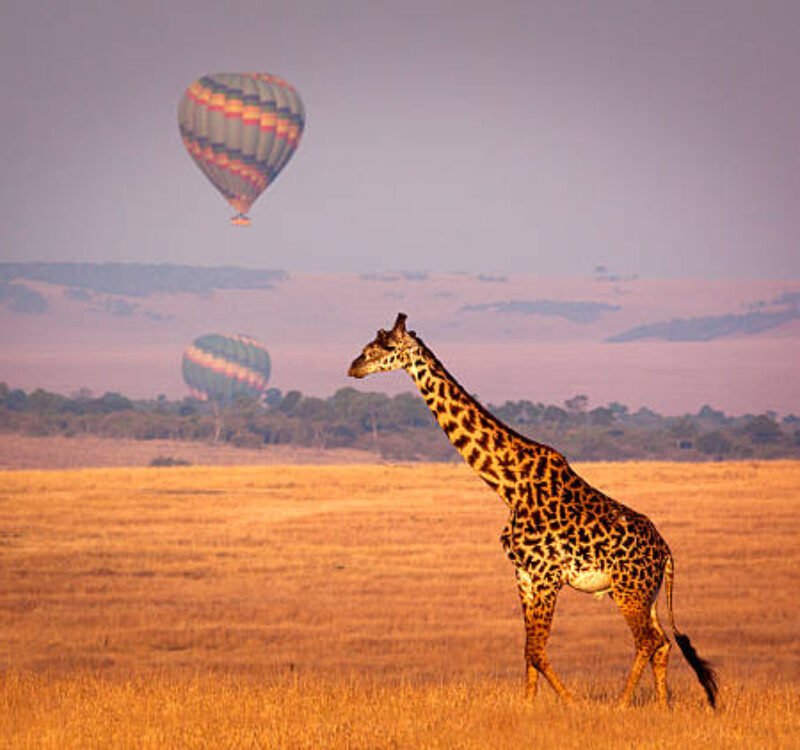
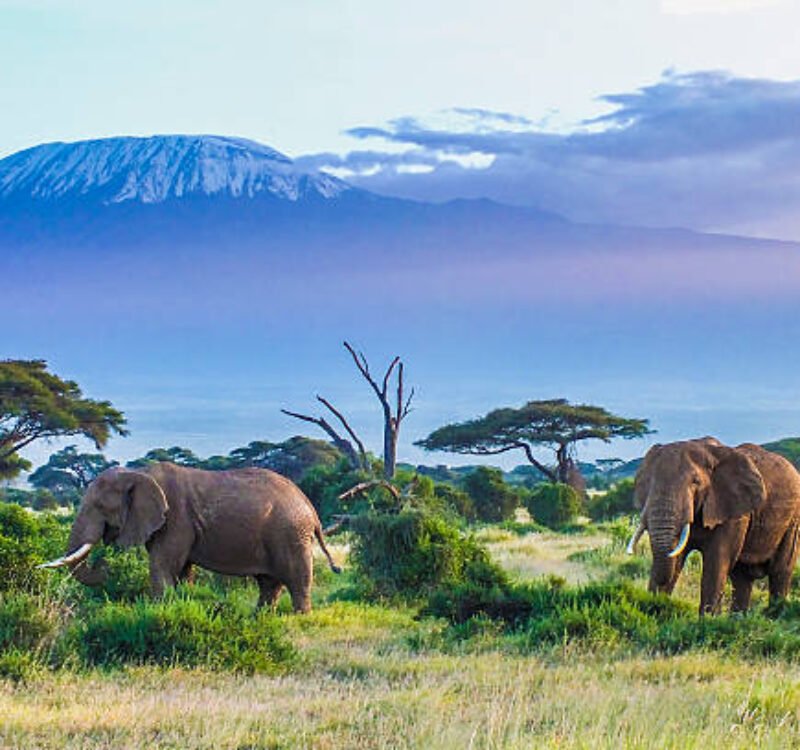
7 Days Magical Kenya Wildebeest Migration Safari 2026/2027
Is Two Nights Enough in the Maasai Mara?
Two nights and three days can be enough for a brief introduction, but it is the minimum rather than the ideal.
A typical two-night Maasai Mara safari may include:
An afternoon game drive on the arrival day.
Morning and afternoon game drives on the full day
A final morning game drive before departure
This may provide three or four game-drive sessions, depending on your travel arrangements.
You could see a remarkable amount of wildlife during this time, especially when travelling with an experienced guide and staying near productive wildlife areas. However, the schedule leaves little room for road delays, rain, tiredness or a quiet morning.
A two-night stay is more practical when flying into the Maasai Mara because air travel preserves more time for wildlife viewing.
When travelling by road from Nairobi, much of the first and final days may be spent in transit. For that reason, travellers driving from Nairobi should preferably book at least three nights.
Why Three Nights Is the Best Starting Point
Three nights and four days is the best choice for many first-time visitors.
It allows the Maasai Mara to unfold gradually. You are no longer depending on one full day to produce every important sighting. Instead, you can experience several mornings, changing weather conditions and different sections of the ecosystem.
A three-night itinerary may look like this:
After arriving at your lodge or camp, you can have lunch, settle into your room and begin your first afternoon game drive.
This is usually a gentle introduction to the Mara. Possible sightings include giraffes, elephants, zebras, antelopes, buffaloes and resident predators.
As the heat begins to soften, the plains become more active. The afternoon light also creates beautiful conditions for photography.
The morning drive begins while the landscape is still cool. Predators may be hunting, feeding, travelling between territories or settling down after an active night.
After returning to camp for breakfast and rest, you can leave again in the afternoon for another game drive, golden-hour photography and sunset views.
A full-day game drive allows you to travel farther from your accommodation and explore more distant plains, rivers and wildlife territories.
With a picnic breakfast or lunch, your guide can follow wildlife movements without repeatedly returning to camp.
Alternatively, you may choose separate morning and afternoon drives, with time to rest at the lodge during the warmer hours.
One last morning drive provides another opportunity to follow tracks, revisit a favourite area or search for an animal you have not yet seen.
Sometimes the sighting travellers remember most happens during this final drive, when there is no longer any pressure to see everything.
Is Four Nights Better Than Three Nights?
Yes. Four nights is better when your budget and wider Kenya itinerary allow it.
The additional night provides another complete wildlife-viewing day. More importantly, it removes pressure from the safari.
You do not need every morning to produce lions, every afternoon to produce elephants or every river visit to produce dramatic action.
A four-night Maasai Mara safari is particularly suitable for:
- Great Migration visitors
- Wildlife photographers
- Families travelling with children
- Travellers staying in two different parts of the Mara
- Guests combining the national reserve with a conservancy
- Visitors planning a balloon safari or cultural experience
A four-night stay may also be divided between two locations. For example, you could spend two nights near the Maasai Mara National Reserve and two nights in an adjacent conservancy.
This provides access to different landscapes, activities and wildlife territories.
Travellers considering this arrangement may find it helpful to compare the Maasai Mara National Reserve, Mara North Conservancy, Naboisho Conservancy and the Mara Triangle.
Morning, Afternoon or Full-Day Game Drives?
Different game drives reveal different sides of the Maasai Mara.
| Game-drive type | Typical duration | Best for | Common arrangement |
|---|---|---|---|
| Morning game drive | 3 to 4 hours | Predator activity, cool weather and soft light | Commonly included |
| Afternoon game drive | About 3 hours | Plains wildlife, landscapes and sunsets | Commonly included |
| Full-day game drive | 8 to 11 hours | Remote areas, river exploration and migration viewing | Often arranged with picnic meals |
| Night game drive | About 2 hours | Nocturnal wildlife | Available in selected conservancies |
Morning Game Drives
Morning game drives should be a priority.
The air is cooler, the light is gentle and many animals are active. Predators may be hunting, feeding or moving between territories, while elephants and plains animals begin travelling towards grazing or water.
Morning light is also excellent for wildlife photography because it is softer than the bright light experienced during the middle of the day.
Afternoon Game Drives
Afternoon drives are generally more relaxed.
As temperatures begin to fall, elephants, giraffes, zebras and antelopes become more active. Animals may gather near rivers and water sources, while the setting sun creates beautiful conditions for landscape photography.
Full-Day Game Drives
Full-day game drives are often underrated.
Many camps follow a morning and afternoon schedule, with a long break between the two drives. This is comfortable, but it can restrict how far you travel from the camp.
A full day in the bush allows your guide to explore more distant sections of the ecosystem. Picnic meals make it possible to remain near productive wildlife areas instead of returning to camp.
For a three or four-night stay, including at least one full-day drive can make the safari feel more complete.
Night Game Drives
Night game drives are not offered inside the main Maasai Mara National Reserve. Reserve access is managed during daytime hours, including the 6:00 am to 6:00 pm ticket period published by Mara Conservancy.
Night drives are available in selected private conservancies. For example, Naboisho Conservancy lists night drives among the activities offered by some of its member camps.
These drives provide opportunities to search for nocturnal wildlife and experience the African savannah after sunset.
How Many Days Do You Need During the Great Migration?
For the Great Migration, plan at least four nights and preferably five nights in the Maasai Mara.
The migration is not a scheduled performance. Wildebeest do not arrive at a river simply because visitors are waiting. Their movements are shaped by rainfall, water and fresh grazing.
Kenya’s official tourism platform describes July to October as the most dramatic Kenyan stage of the Great Wildebeest Migration. However, exact arrival dates and river crossings change from year to year.
A longer stay gives you more time to:
- Search for the main herds
- Explore different sections of the Mara River
- Wait when animals gather near a crossing point
- Follow reports from guides in other wildlife areas
- Observe predator and prey interactions away from the river
- Enjoy resident wildlife when no crossing occurs
It is important to remember that a Mara River crossing is never guaranteed. Read our guide explaining why the Great Migration cannot be guaranteed before choosing your dates.
Travellers can also read our complete guide on the best time to see the Great Wildebeest Migration in Kenya.
If river crossings are your main priority, accommodation location is especially important. Our guide to the best places to stay for a Mara River crossing explains the differences between the Mara Triangle, northern river areas and properties located outside the reserve.
How Long Should Wildlife Photographers Stay?
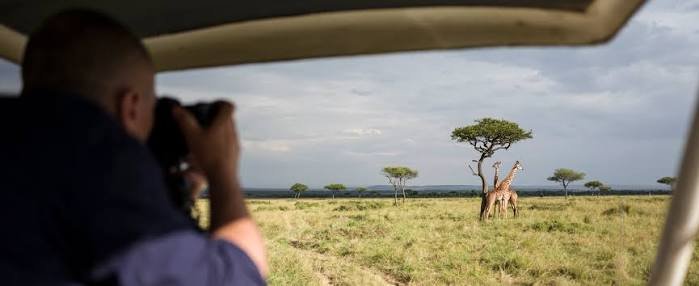
Wildlife photographers should consider four to six nights.
Photography requires more than seeing an animal. It requires position, light, patience and time.
A lion may be sleeping when you first find it, but become active an hour later. A leopard may remain hidden behind branches before moving into clear morning light. A cheetah may spend most of the afternoon resting before suddenly climbing a termite mound.
A longer stay provides repeated opportunities to photograph:
- Predators in early morning light
- Elephants and giraffes against wide landscapes
- Animal behaviour rather than simple portraits
- Sunrise and sunset scenes
- Birds and smaller wildlife
- Changing weather above the savannah
- Movement around rivers and water sources
For photographers, changing accommodation halfway through the safari may provide access to different habitats. However, moving camps too frequently can waste valuable viewing time.
Two carefully selected locations are normally enough for a five or six-night photography safari.
How Many Days Do Families Need?
Families with children usually need three or four nights.
Young children may find several consecutive hours inside a safari vehicle tiring. A four-night stay allows parents to balance game drives with meals, swimming, rest and suitable camp activities.
Instead of forcing every available game drive into the itinerary, families can choose shorter morning and afternoon sessions.
When selecting accommodation, ask about:
- Family rooms or interconnected tents
- Child-friendly meals
- Swimming pools
- Private vehicle options
- Minimum ages for shared game drives
- Age restrictions for walking safaris
- Minimum ages for balloon flights
- Child-focused nature activities
Every property has its own policies. Therefore, the children’s ages should be shared with the safari planner before accommodation is confirmed.
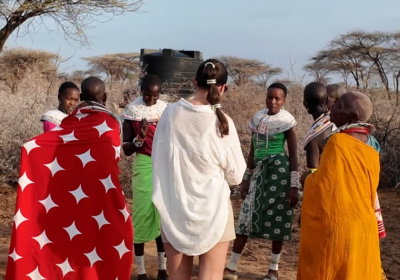
Should You Include a Maasai Cultural Visit?
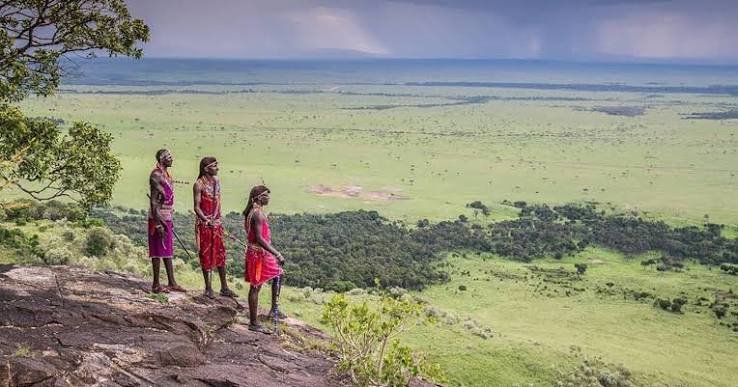
A respectful community experience can add meaningful depth to a three or four-night Maasai Mara safari.
The Mara is not only a wildlife landscape. It is also home to communities whose lives, traditions and conservation work are connected to the wider ecosystem.
A responsible cultural visit should be arranged respectfully and should provide a genuine benefit to the host community. It may introduce travellers to local homes, beadwork, songs, livestock traditions and the role communities play in wildlife conservation.
A cultural visit can usually be arranged between game drives or on the arrival or departure day.
Guests on a two-night itinerary should consider whether the experience will reduce their already limited wildlife-viewing time.
Does Camp Location Affect How Many Days You Need?
Yes. Camp location can be as important as the number of nights.
A well-located camp reduces the time spent driving between your accommodation and the main wildlife areas. A cheaper property located far outside the reserve may reduce the nightly cost but require longer transfers each morning and evening.
When selecting accommodation, consider:
- Distance from the reserve or conservancy entrance
- Distance from the wildlife areas you want to explore
- Seasonal movement of migration herds
- Whether the property offers private or shared vehicles
- Reserve and conservancy access fees
- Availability of full-day drives
- Availability of night drives or walking safaris
- Transfer time from the nearest airstrip
For stays of four nights or longer, dividing your time between the main reserve and a conservancy can provide a broader experience.
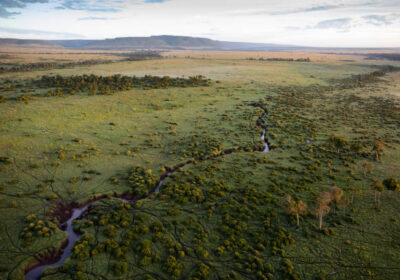
The national reserve offers classic Mara landscapes, extensive game drives and access to major river areas. Selected conservancies may provide lower vehicle density, night drives, guided walks and other activities operated under their individual rules.
Is It Worth Staying Five to Seven Nights?
Five to seven nights is worthwhile for travellers who enjoy observing nature rather than simply collecting sightings.
A longer stay gives you time to recognise individual animals, understand territories and notice changes in behaviour.
Your guide may introduce you to a resident lion pride on the first day and return later to observe how the pride moves, rests or cares for its young. A leopard seen briefly on one morning may be found again several days later in a completely different area.
This length of stay is ideal for:
- Dedicated wildlife photographers
- Birdwatchers
- Repeat safari travellers
- Visitors searching for particular species
- Travellers combining the reserve with a conservancy
- Guests who prefer a slow and peaceful itinerary
Some first-time visitors may eventually feel that the drives are becoming repetitive. However, for passionate wildlife lovers, repetition is often where deeper understanding begins.
Why Early Booking Matters
Well-located Maasai Mara camps can fill quickly, especially during the migration season and major holiday periods.
Early booking is particularly important when you require:
- Accommodation near the Mara River
- Family rooms
- A private safari vehicle
- A small conservancy camp
- A specialist photographic guide
- A particular migration-season travel date
- A hot-air balloon safari
- Several rooms for a family or private group
Booking early also provides more freedom to choose accommodation according to location rather than accepting whichever property still has space.
Before selecting your dates, read our complete guide to the best time to visit the Maasai Mara.
So, How Many Days Do You Need in the Maasai Mara?
For most travellers, the best answer is three to four nights.
Choose two nights when your time and budget are extremely limited.
Choose three nights for a balanced first safari with several game drives and at least one complete day in the reserve.
Choose four nights for a more relaxed experience, stronger photography opportunities and time for an additional activity.
During the Great Migration, or when wildlife photography is your main priority, consider four to six nights.
Travellers seeking complete immersion may stay for five to seven nights, preferably dividing the visit between two complementary areas.
The Maasai Mara should never feel like a place you simply pass through.
Give it enough time, and the landscape begins to feel alive around you. You start recognising the call of a bird, the shape of fresh tracks and the silence that causes an experienced guide to stop the vehicle and look towards the grass.
Sometimes the most memorable wildlife moment arrives within the first hour.
Sometimes it waits until the final morning.
That is why three to four nights is not simply time spent in the Maasai Mara. It is time given to the possibility of something extraordinary.
Plan Your Maasai Mara Safari
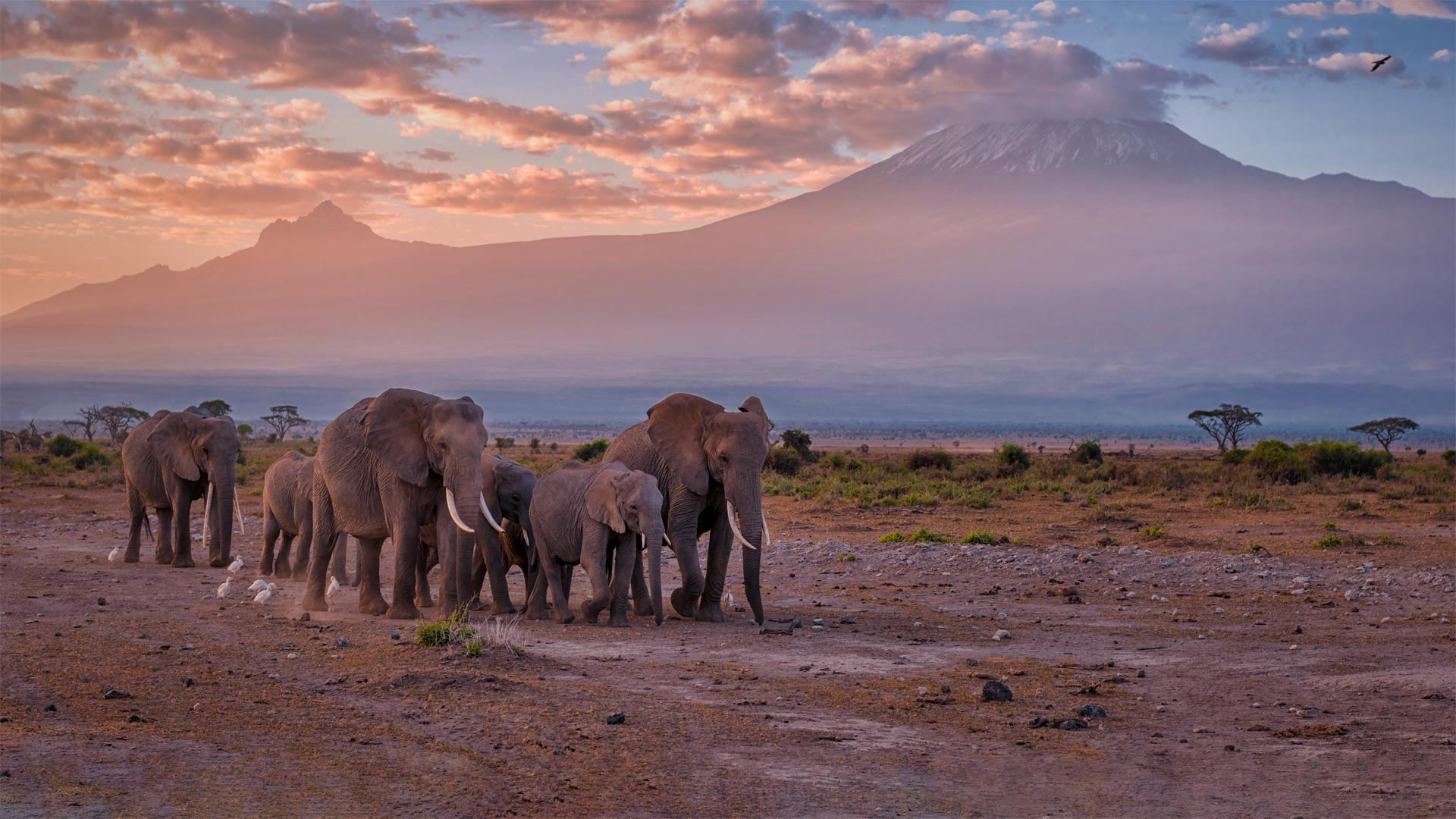
Explore our Kenya safari packages or view the 7 Days Magical Kenya Wildebeest Migration Safari, which combines Amboseli, Lake Naivasha, Lake Nakuru and the Maasai Mara.
For a private itinerary designed around your dates, budget, family size and accommodation preferences, contact NAMSA Prestigious Tours.
Frequently asked questions
Have more questions? Contact us.
Is three days enough for the Maasai Mara?
Three days and two nights is enough for a short introduction, but it can feel rushed. Three nights and four days provides a more balanced first-time experience.
Is two nights enough in the Maasai Mara?
Two nights is the practical minimum. It may allow three or four game-drive sessions, depending on your arrival and departure times.
Should I stay three or four nights in the Maasai Mara?
Four nights is better because it provides an additional full day and greater flexibility. However, three nights remains a good option for travellers combining the Mara with other Kenyan destinations.
How many nights should I stay during the Great Migration?
Plan at least four nights. Five nights provides greater flexibility because herd movements and river crossings cannot be predicted precisely.
How many game drives should I take?
Four to eight game-drive sessions are suitable for most first-time visitors. The exact number is less important than the location, timing and quality of the drives.
How many game drives are normally offered each day?
Many safari programmes offer one morning and one afternoon drive. A full-day drive with picnic meals may be arranged instead, depending on the package and accommodation.
Are morning or afternoon game drives better?
Morning drives are generally better for cool weather, soft photography light and possible predator activity. Afternoon drives are excellent for landscapes, elephants, plains wildlife and sunsets. A balanced safari should include both.
Are night game drives available in the Maasai Mara?
Night game drives are not conducted inside the main Maasai Mara National Reserve. They are available in selected private conservancies, subject to the camp’s rules and arrangements.
Can I see the Big Five during a three-night stay?
It is possible, but it is never guaranteed. The Maasai Mara supports the Big Five, although rhinos can be difficult to locate