What Is the Lamu Cultural Festival in Kenya? 2026 Tourist and Safari Guide
Some places announce themselves with traffic, bright lights and noise. Lamu does something different.
The island allows the Indian Ocean to speak first. Dhows move slowly across the channel, carved wooden doors appear between narrow streets, and centuries-old coral-stone buildings seem to hold memories in their walls. Donkeys pass through lanes that were built long before modern vehicles became part of daily life.
Then, every year, Lamu becomes even more alive.
For travellers asking what is the Lamu Cultural Festival in Kenya and when is it held, it is an annual celebration of Swahili heritage, maritime traditions, food, music, poetry, craftsmanship and community life. It is usually celebrated in November in Lamu Old Town and offers Kenya travellers something very different from the country’s famous wildlife safaris.
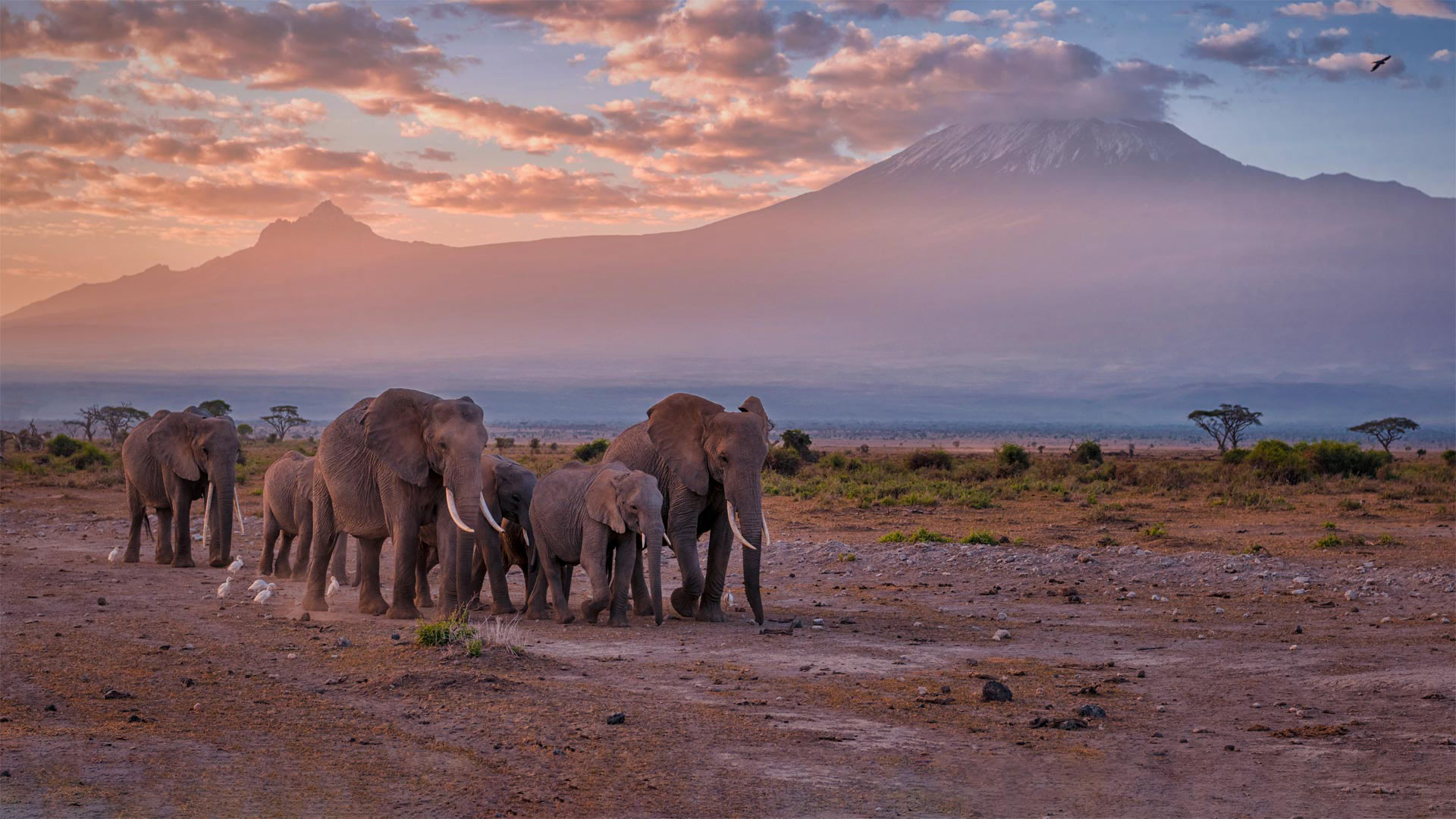
A Masai Mara safari may introduce you to lions crossing golden plains. Amboseli National Park tours may bring you close to elephants beneath Mount Kilimanjaro. Lamu introduces another Kenya, one shaped by the Indian Ocean, Swahili culture, maritime trade and generations of living heritage.
For anyone planning a safari to Kenya, this is why Lamu deserves consideration.
What is the Lamu Cultural Festival?
The Lamu Cultural Festival is an annual celebration held in Lamu Old Town on Lamu Island, along Kenya’s northern Indian Ocean coast.
The County Government of Lamu describes it as a celebration created to preserve the culture of the Lamu Archipelago. Traditional activities include dhow races, donkey racing, Bao games, henna painting, swimming competitions, traditional dances and displays of local craftsmanship. The county states that the festival is normally organised as a three-day celebration.
Kenya’s official tourism promotion material also identifies the Lamu Cultural Festival as a major November event featuring dhow sailing, donkey races, henna painting, traditional crafts and Bao.
In 2025, KBC reported that approximately 20,000 visitors were expected at the three-day festival. Local officials estimated that the event generated approximately KSh420 million for Lamu’s economy, illustrating how cultural tourism can support accommodation providers, food businesses, artisans, transport providers and community groups.
This is what makes the festival more than entertainment. It is also part of Lamu’s living economy and cultural identity.
When is the Lamu Cultural Festival in 2026?
The festival is traditionally held in November.
A current 2026 event listing from Discover Pwani places the festival from 26 November 2026 at the Lamu Old Town seafront. However, an official 2026 festival announcement from Lamu County could not yet be independently verified at the time this guide was updated. Travellers should therefore confirm the final programme with the County Government of Lamu or the National Museums of Kenya before buying non-refundable flights or accommodation.
This is especially important when booking a Kenya safari and Lamu combination because festival accommodation and domestic flights can become limited as the event approaches.
Why is Lamu Old Town so important?
To understand the festival, it helps to understand the town hosting it.
UNESCO’s Lamu Old Town World Heritage page describes Lamu as the oldest and best-preserved Swahili settlement in East Africa. The town has been continuously inhabited for more than 700 years and reflects centuries of interaction among African, Arab, Persian, Indian and European cultures.
Its architecture is one of the first things visitors notice. Coral stone, mangrove timber, shaded courtyards, verandas and elaborately carved doors give Lamu a character very different from Kenya’s modern cities.
The National Museums of Kenya’s guide to Lamu Old Town similarly explains that the town’s architecture reflects centuries of Swahili, Arabic, Persian, Indian and European influence.
This is why visiting during the festival does not feel like entering an event venue. The historic town itself becomes part of the experience.
Watch the famous Lamu dhow races
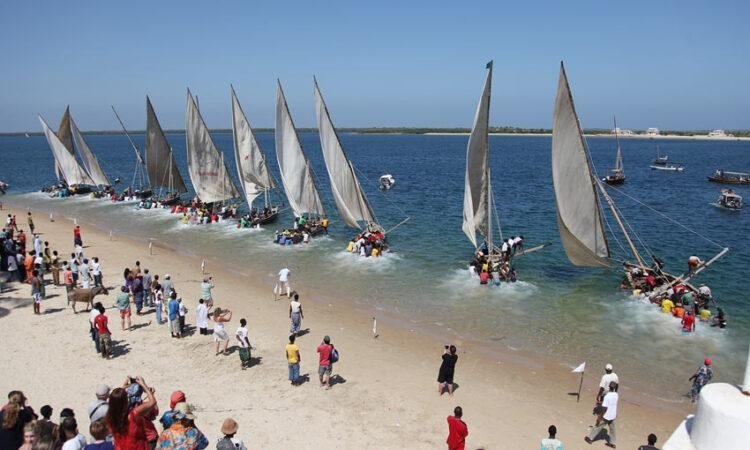
One of the most memorable events is the traditional dhow race.
For centuries, wooden sailing vessels connected communities along the East African coast with the wider Indian Ocean world. They carried traders, fishermen, sailors, goods and ideas between East Africa and distant ports.
During the festival, that history moves again.
Sails rise above the channel. Crews read the wind and tides. Spectators gather along the waterfront while traditional vessels compete across the water.
KBC reported during the 2025 festival that dhow racing remains one of the main expressions of Lamu’s maritime heritage, with experienced sailors and younger participants using skills passed between generations.
For travellers interested in Kenya adventure travel, the experience is very different from a hot air balloon safari Kenya excursion over the Maasai Mara. One gives a bird’s-eye view over the African savannah, while the other places centuries of Indian Ocean sailing tradition directly in front of you.
Both can belong in an unforgettable Kenya safari itinerary.

Experience Lamu’s famous donkey race
The donkey race is another festival favourite.
Lamu’s narrow historic streets were developed long before motor vehicles, and donkeys have played an important role in moving people and goods around the island.
Festival racing transforms this everyday relationship into a lively sporting competition.
During the 2025 event, KBC described crowds gathering along streets, balconies and rooftops as young riders competed through the town.
It is entertaining, unpredictable and unmistakably Lamu.
More importantly, it reminds visitors that culture is not only preserved inside museums. It also survives through ordinary practices, transport, food, language, craftsmanship and community celebrations.
Discover Swahili music, poetry and traditional performance
The Lamu Cultural Festival also celebrates the spoken and performing arts.
Visitors may encounter traditional dances, poetry, music, cultural demonstrations and performances from communities across the Lamu Archipelago.
Swahili poetry has long carried stories of faith, relationships, society, wisdom and identity. During a cultural festival, these traditions give visitors the opportunity to encounter Swahili heritage as something living rather than historical.
This makes Lamu particularly valuable for travellers interested in Kenya cultural tours.
A Kenya savannah tour introduces visitors to ecosystems, wildlife and conservation. Lamu introduces another form of heritage: language, architecture, seafaring, craftsmanship and community memory.
Together, these experiences provide a much fuller picture of Kenya.
Henna, woodcarving and traditional crafts
Craftsmanship is another important part of the festival.
Henna artists create detailed patterns, while artisans demonstrate skills connected to woodwork, weaving, boat making, jewellery and other traditional crafts.
The National Museums of Kenya maintains one of the most important collections of Swahili cultural material at Lamu Museum. Its collection includes traditional clothing, jewellery, furniture, manuscripts, musical instruments, maritime objects and archaeological finds from across the Lamu Archipelago.
Visitors staying beyond the festival should therefore consider visiting Lamu Museum, Lamu Fort and Swahili House to understand more about the culture surrounding the celebration.
Buying directly from local craftspeople can also help tourism spending remain within the community.
Taste Swahili cuisine in Lamu
Culture in Lamu is also experienced through food.
Visitors may encounter pilau, biryani, coconut dishes, seafood, samosas, chapati, sweet snacks, spiced tea and other coastal flavours.
Swahili cuisine reflects centuries of Indian Ocean interaction. Spices and cooking techniques reveal connections between East Africa, Arabia, India and other trading communities.
During the 2025 Lamu Cultural Festival, KBC reported that more than 40 women’s self-help groups participated in showcasing Swahili food.
For Kenya travellers arriving after several days of game drives Kenya experiences, safari lodges and tented camps Kenya, eating beside the Indian Ocean creates a completely different rhythm.
It is one reason Kenya beach holidays combine safari so naturally.
Ready to Book Your Kenya Safari?
Chat with NAMSA Prestigious Tours on WhatsApp and get quick help with your Maasai Mara safari, Kenya safari package, honeymoon safari, family safari, or custom eco-safari itinerary.
Book Instantly on WhatsAppWhat else can you do in Lamu?
The festival may bring you to Lamu, but the island deserves additional time.
Walk slowly through Lamu Old Town and study its carved doors and coral-stone architecture. Visit Lamu Museum and Lamu Fort. Travel to Shela for a quieter coastal atmosphere and long beaches. Take a traditional dhow trip at sunset, explore the surrounding archipelago, or visit Takwa Ruins on Manda Island if your itinerary and local conditions allow.
Kenya’s tourism platform also highlights Lamu Museum as an important gateway into Swahili culture and the wider story of the UNESCO-listed Old Town.
Allowing three or four nights gives most travellers enough time to experience both the festival and a slower side of Lamu.
Can you combine the Lamu Cultural Festival with a Kenya safari?
Absolutely.
In fact, combining Lamu with a safari creates one of Kenya’s most interesting contrasts.
A first-time itinerary can begin in Nairobi, continue to Amboseli for elephants and Mount Kilimanjaro views, travel through the Rift Valley and finish with a Masai Mara safari for Big Five wildlife viewing.
NAMSA’s Kenya safari packages include routes through several of these destinations, while the first-time Kenya safari itinerary guide explains how Amboseli, Lake Naivasha, Lake Nakuru and Maasai Mara can work together as one circuit.
After the savannah, travellers can fly towards the coast and finish in Lamu.
The result combines Kenya wildlife safaris, Swahili heritage and Indian Ocean relaxation in one trip.
Travellers visiting during migration season can also combine Lamu with a Great Migration Kenya safari. NAMSA’s guide to the Mara Triangle and Great Migration provides additional information for travellers considering the Maasai Mara.
Budget safari, midrange safari or luxury safari?
Lamu can fit several travel styles.
Travellers combining the island with budget Kenya safaris can choose simpler guesthouses, book domestic flights early and focus on locally organised experiences.
Those choosing mid-range safaris can combine comfortable safari lodges with boutique accommodation in Lamu, guided Old Town walks and a private or shared dhow excursion.
For guests considering luxury Kenya safaris, Lamu can become the final relaxing section after private conservancies, premium Kenya safari lodges and private game drives. Beachfront accommodation, private transfers and private dhow experiences can be incorporated into custom Kenya safari itineraries.
Therefore, choosing between a budget safari, midrange safari and luxury safari is not only about price. It depends on accommodation, private or shared transport, safari vehicle type, number of travellers, season and desired experiences.
How do you travel to Lamu?
For many international travellers, flying is the simplest option.
Flights arrive at Manda Airport, which is located across the channel from Lamu Island. Travellers then continue by boat to Lamu Town or Shela.
When combining Lamu with Kenya safari tours, a local Kenya safari operator can coordinate safari transport, domestic flights, airport transfers and coastal accommodation so that the different sections connect smoothly.
This can be especially useful for family Kenya safaris, private Kenya safaris, honeymoon travel and small group Kenya safaris.
Kenya entry requirements before your safari and Lamu trip
International visitors should check Kenya’s entry requirements before travelling.
Kenya uses an Electronic Travel Authorisation system. The official Kenya eTA website explains the current requirements and exemptions. Travellers who require an eTA should apply through the official government platform rather than unofficial third-party websites.
Requirements can change, which is why travellers should verify them shortly before departure rather than relying on an old blog article.
The same approach applies to health precautions for Kenya travel. Advice depends on nationality, previous travel, itinerary and individual medical circumstances. The CDC Kenya traveller health page provides current destination-specific health information, while travellers should discuss their individual needs with an appropriate healthcare professional.
Travel insurance that covers the planned safari and coastal activities should also be considered when booking a Kenya safari.
How to choose a Kenya safari company for a safari and Lamu holiday
When comparing safari companies in Kenya, do not make a decision only from the lowest advertised price.
A trusted operator should clearly explain the itinerary, accommodation category, safari vehicle, park fees, internal transport, airport transfers, meals, optional experiences and what is excluded.
For travellers comparing affordable Kenya safari packages, mid-range safaris or luxury Kenya safari operators with private guides, transparency matters because two apparently similar itineraries can contain very different services.
Also examine recent Kenya tour reviews and communicate directly with the operator before payment.
The strongest local Kenya safari operators should be able to explain not only the famous wildlife parks but also how cultural experiences, coastal destinations and logistics fit into the overall journey.
NAMSA Prestigious Tours offers private, budget, mid-range and tailor-made safari experiences across Kenya and East Africa.
Is the Lamu Cultural Festival worth visiting?
For travellers interested in culture, history and local experience, yes.
The festival is particularly rewarding because it does not separate heritage from everyday life. Dhows still belong to the maritime landscape. Swahili traditions remain part of Lamu’s identity. Local food, craftsmanship, poetry and celebrations remain connected to communities rather than existing only as tourist displays.
It also shows why Kenya safari experiences should extend beyond wildlife.
Kenya is the Maasai Mara, Amboseli and Tsavo, but it is also Lamu, Swahili architecture, Indian Ocean history, coastal food and centuries of cultural exchange.
A thoughtful trip can include both.
Frequently Asked Questions about the Lamu Cultural Festival
Have more questions? Contact us.
What month is the Lamu Cultural Festival?
The Lamu Cultural Festival is normally celebrated in November. Travellers should confirm the specific year’s dates with official Lamu County or National Museums of Kenya sources before making non-refundable bookings.
Where is the Lamu Cultural Festival held?
It is held in Lamu Old Town on Lamu Island in Lamu County, on Kenya’s northern coast. Lamu Old Town is a UNESCO World Heritage Site.
What happens at the Lamu Cultural Festival?
Activities commonly include dhow races, donkey races, Swahili music and dance, poetry, henna painting, crafts, traditional games, swimming competitions and Swahili food.
Can I combine Lamu with a Masai Mara safari?
Yes. A Masai Mara safari can be followed by a flight to Kenya’s coast, allowing travellers to combine wildlife viewing Kenya experiences with Swahili culture and beach relaxation.
Is Lamu suitable for family Kenya safaris?
It can work very well for families interested in culture and history, although the itinerary, accommodation, boat transfers and activities should be selected according to children’s ages and individual needs
When is the best time to book a Kenya safari that includes Lamu Cultural Festival?
Booking several months in advance is advisable because flights and accommodation can become more limited around festival dates. This is especially important when combining Lamu with popular Kenya safari destinations during busy travel seasons.
Final Thoughts: From Kenya’s Savannah to the Swahili Coast
The Lamu Cultural Festival is not simply an item on Kenya’s events calendar.
It is the sound of dhow sails catching the Indian Ocean wind. It is crowds gathering for a donkey race. It is henna being carefully painted onto a hand, spices rising from a Swahili kitchen and poetry carrying memories from one generation to another.
For Kenya travellers, it offers something wildlife alone cannot provide.
A Kenya safari can begin among elephants in Amboseli, continue through the Great Rift Valley, reach the open grasslands of the Maasai Mara and finally arrive beside the Indian Ocean in Lamu.
From savannah to sea, each destination reveals another part of Kenya.
For travellers planning a safari to Kenya, NAMSA Prestigious Tours can create budget safaris, mid-range safaris, luxury safaris, private Kenya safaris, family Kenya safaris and custom Kenya safari itineraries that combine wildlife, culture and the coast.
Explore current NAMSA Kenya safari tours and packages or visit NAMSA Prestigious Tours.
Email: booking@namsaprestigioustours.com
WhatsApp: +254 716 549 495
Come to Kenya for the wildlife, but leave enough time to experience its people, culture, history and coast.
Related Articles