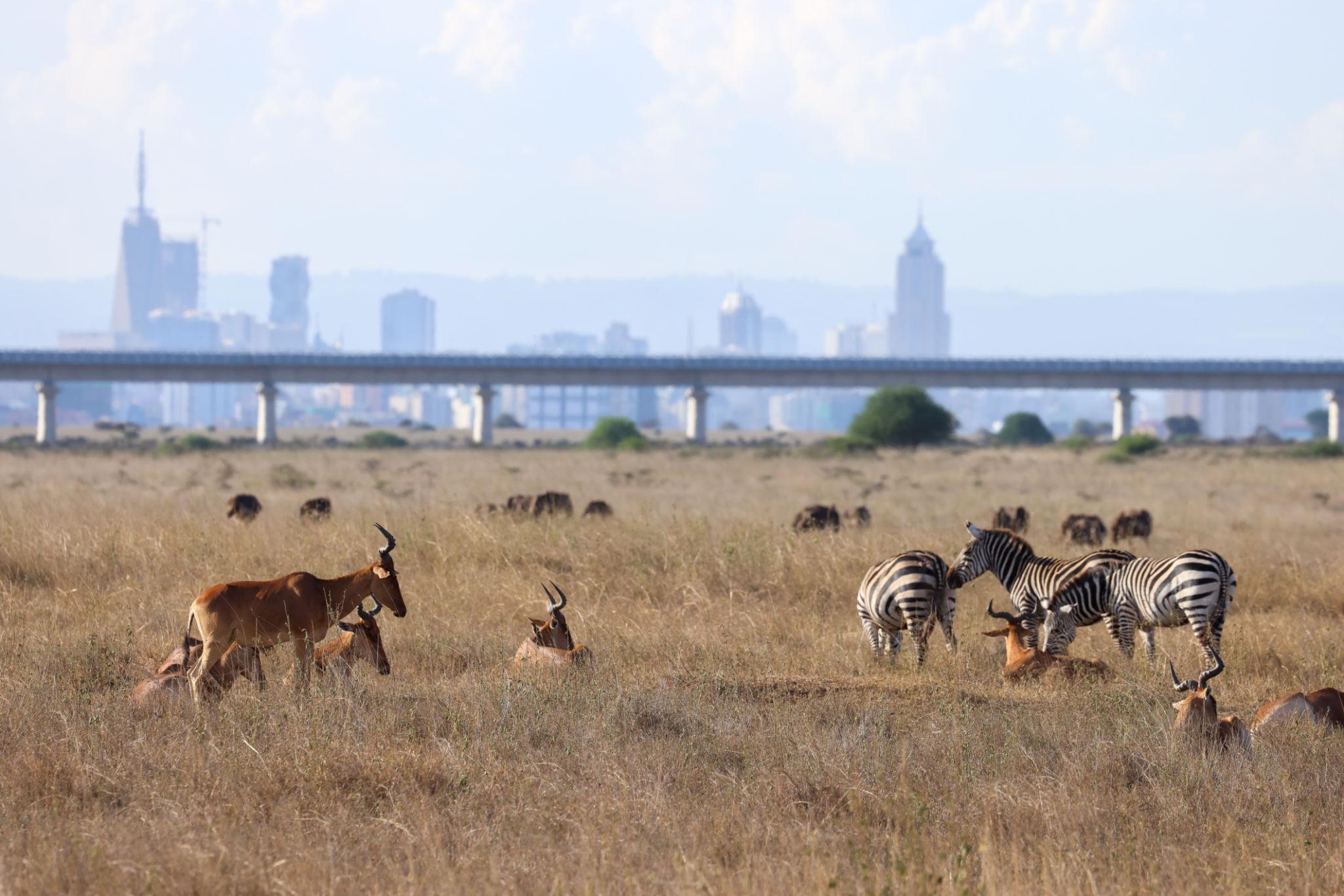
NAMSA Prestigious Tours · Kenya Birding and Rift Valley Safaris

NAMSA Prestigious Tours · Kenya Birding and Rift Valley Safaris
Plan Lake Nakuru birdwatching safaris for flamingos, rhinos and Rift Valley birds with realistic expectations about changing lake conditions, practical birding advice and a Kenya safari itinerary that gives enough time for both wildlife viewing and patient observation.
Why Lake Nakuru Is One of Kenya's Most Rewarding Birdwatching Safaris
Lake Nakuru National Park sits within Kenya's Great Rift Valley and combines a semi-alkaline lake with open grassland, acacia woodland, rocky escarpments and other habitats. This variety is one reason a Lake Nakuru safari can feel very different from a traditional Kenya savannah tour across the open plains of the Maasai Mara or Amboseli.
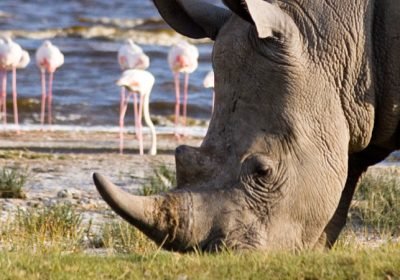
The Kenya Wildlife Service describes Lake Nakuru National Park as an ornithological paradise supporting approximately 450 bird species. The park is also an important sanctuary for black and white rhinos, which means birdwatchers do not have to choose between specialised birding and traditional Kenya wildlife safaris.
One game drive can move from pelicans and other waterbirds near the lake to African fish eagles in the trees, smaller woodland birds, raptors above the escarpment and rhinos feeding in open habitat. Buffaloes, giraffes, zebras, waterbuck, lions and other wildlife add another layer to the experience.
This combination makes Lake Nakuru useful for many types of Kenya travellers. Dedicated birders can spend longer studying individual habitats, while first-time safari visitors can combine birdwatching with wildlife viewing. Families, photographers and couples can also include the park without building their entire Kenya safari around birding.
For a wider introduction to the park, read NAMSA's guide: What Is Lake Nakuru Famous For?

What Happened to the Flamingos at Lake Nakuru?
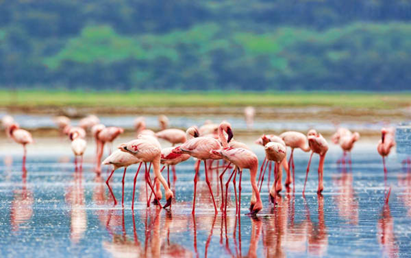
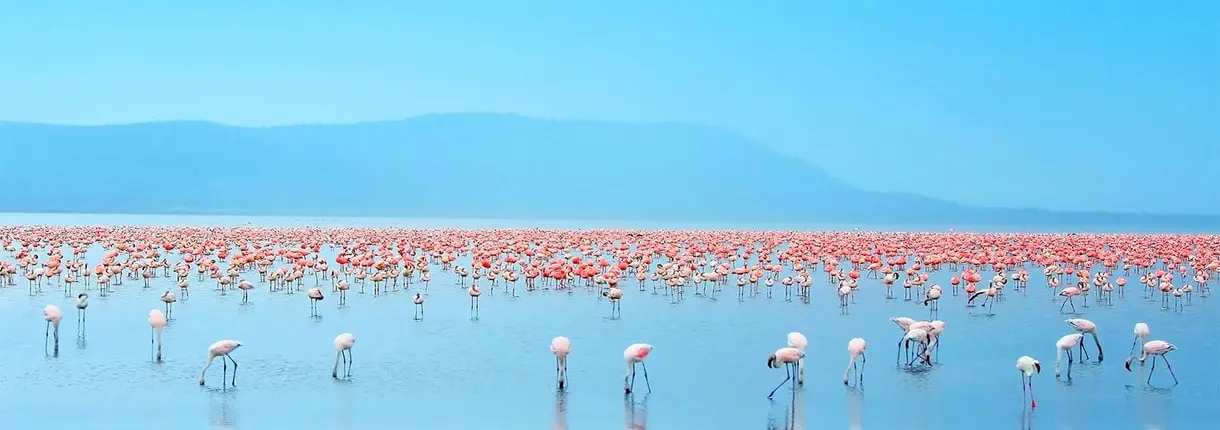
Lake Nakuru became internationally famous because enormous concentrations of flamingos once transformed sections of the shoreline into a wide band of pink. Those historic images still influence how travellers imagine the park. However, today's Lake Nakuru birdwatching safari requires more realistic expectations.
A recent Kenya Wildlife Service flamingo census update shows how dramatically the distribution of lesser flamingos has changed. KWS reported 1,347,063 lesser flamingos at Lake Nakuru in January 2006, compared with approximately 500 during the January 2025 count.
This does not mean Kenya has simply lost its flamingos. It means the birds are mobile. Rising lake levels have altered salinity, alkalinity and food conditions at several Rift Valley lakes, encouraging lesser flamingos to move between suitable feeding areas.
Research reported by the Natural History Museum also found that rising water levels across East African soda lakes can dilute the environmental conditions required by the microorganisms on which lesser flamingos depend.
For travellers, the practical lesson is simple. Do not book a Lake Nakuru safari because an old photograph shows millions of flamingos. Book it because the park is an outstanding birding, rhino, landscape and wildlife destination, then treat any significant flamingo gathering as part of a dynamic natural ecosystem rather than a guaranteed attraction.
Birds and Habitats to Watch During a Lake Nakuru Safari
Good birdwatching begins with habitat rather than a long list of species. Lake Nakuru's value lies in the way different environments sit within the same national park. Moving slowly between them can produce a more satisfying safari than rushing from one wildlife sighting to another.
Lake and Shoreline
Scan for flamingos when present, pelicans, herons, egrets, grebes, cormorants, storks and other waterbirds. Watch feeding behaviour, bill shape, posture and movement rather than relying only on colour.
Woodland and Grassland
Acacia woodland and grassy sections can add raptors, terrestrial birds and smaller species that are easily missed when attention remains only on the lake.
Escarpments and Viewpoints
Higher ground provides opportunities to watch larger birds in flight, appreciate the wider Rift Valley landscape and understand how the lake, woodland and grasslands connect.
The park's diversity means beginners should not feel pressure to identify every bird. Start with obvious differences. Compare a large pelican with a smaller waterbird. Notice whether a bird is wading, swimming, diving, hovering or perching. Look at bill length, leg length, silhouette and feeding behaviour.
Experienced birders can slow the game drive further, listen for calls and keep a record of habitat, time and behaviour. Travellers who use eBird can also review recent observations through eBird Explore before or after the safari.


How to Plan a Lake Nakuru Birdwatching Game Drive
A specialist birding drive should be paced differently from an ordinary wildlife game drive. Before entering the park, tell your driver-guide how important birds are to you. A guide who knows that the group wants to study birds can allow more time at productive habitats instead of assuming everyone wants to move immediately towards larger mammals.
Begin by checking binoculars and camera equipment before the first observation. When a bird is located, first find it with your eyes and then raise the binoculars without looking away from its position. This small technique makes it much easier to locate moving birds.
For photography, a private Kenya safari gives greater control over the pace. Photographers can request longer observation stops, better positioning where permitted and fewer unnecessary movements between sightings. Group Kenya safaris can be more affordable, but the vehicle follows shared priorities.
If birdwatching is a major objective, tell the safari company before booking. This is one of the most important safari booking tips in Kenya because vehicle arrangements, departure times, accommodation and daily driving distances can all affect the quality of birding.
What Is the Best Time for Birdwatching at Lake Nakuru?
Lake Nakuru can be visited throughout the year. Kenya Wildlife Service lists the park as an all-year destination, which makes it relatively easy to include within Kenya safari packages at different times of the year.
For travellers with a strong interest in birds, the wider November to April period can be especially interesting because resident species are joined by migratory birds. January and February can offer a useful balance between birdlife and generally favourable safari conditions.
However, the best time to visit Kenya safari destinations depends on more than birds. A traveller combining Lake Nakuru with a Great Migration Kenya safari in the Maasai Mara may prefer the wider July to October period. Someone focused on bird photography may prefer another season.
Most importantly, there is no responsible fixed "best month" for enormous flamingo gatherings at Lake Nakuru. Flamingo movements depend on changing water levels, food availability and conditions across the wider Rift Valley network.
Read NAMSA's detailed guide to the best time for birding in Kenya before choosing your travel month.
How Lake Nakuru Fits Into a Kenya Safari Itinerary
Lake Nakuru works particularly well as part of a wider route because it adds an experience that is different from Kenya's open savannah destinations. A first-time Kenya safari itinerary can combine Amboseli National Park, Lake Naivasha, Lake Nakuru and the Maasai Mara.
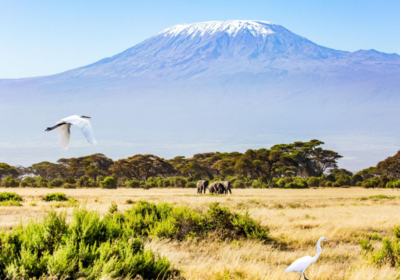
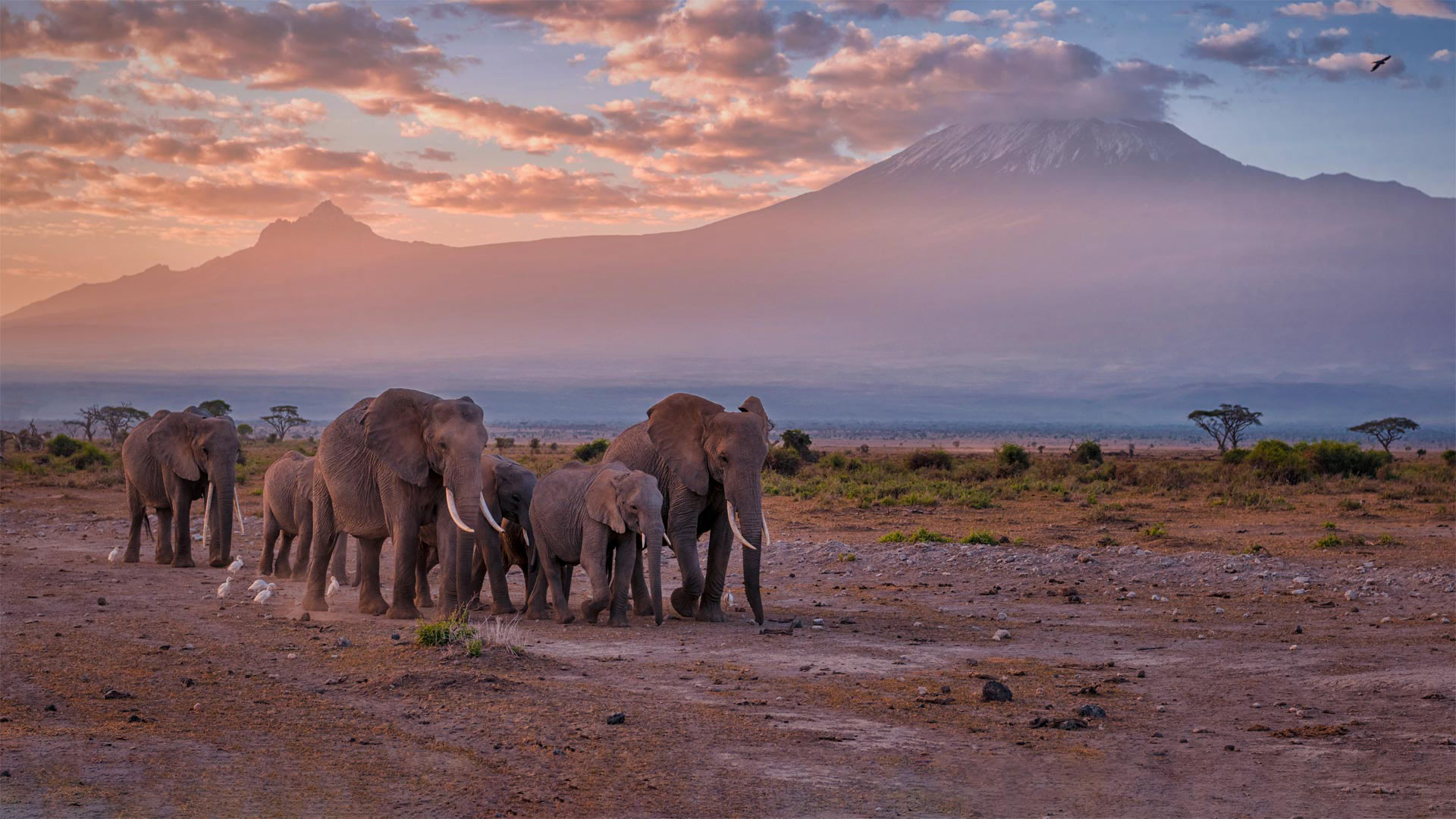
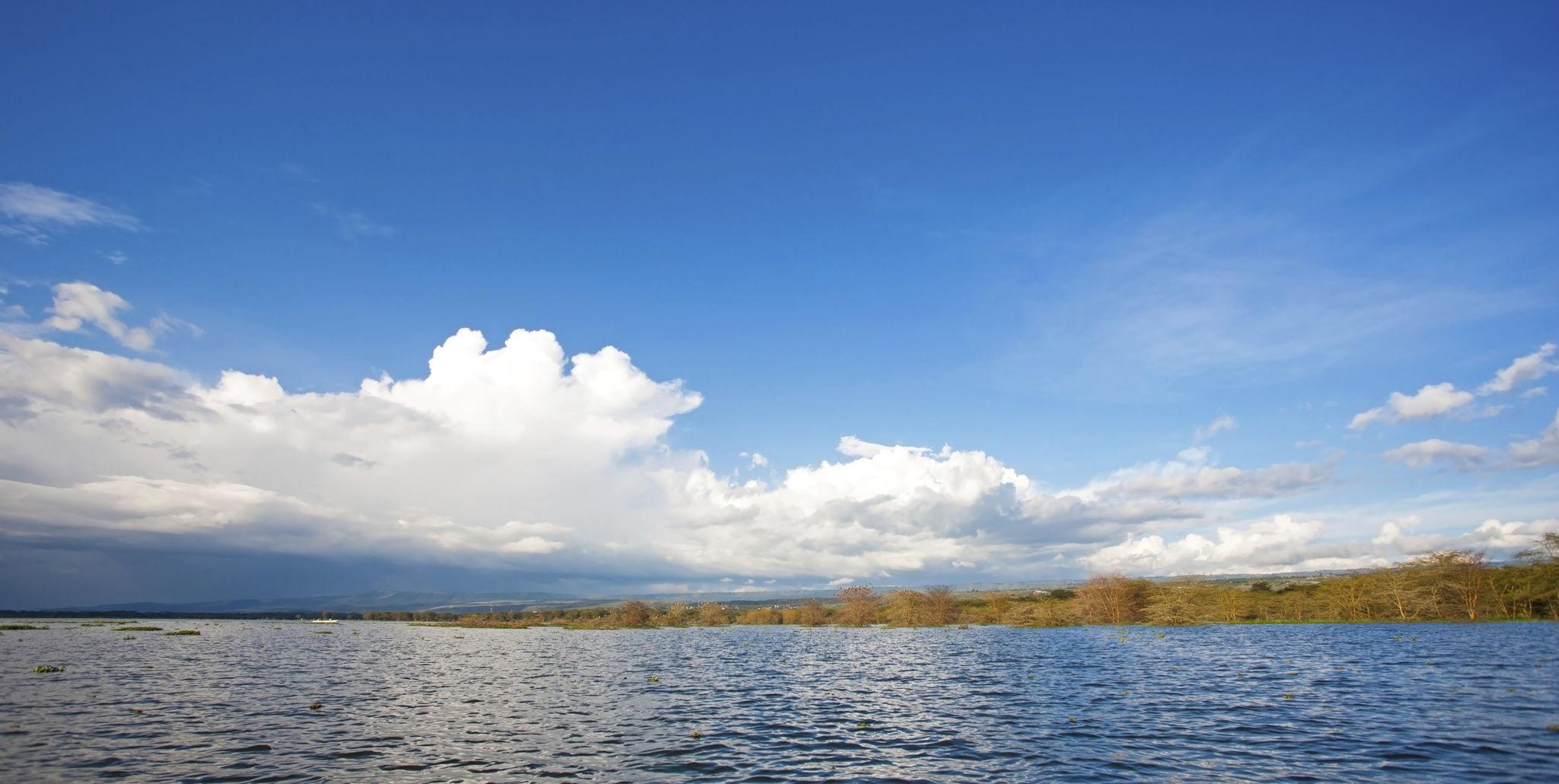
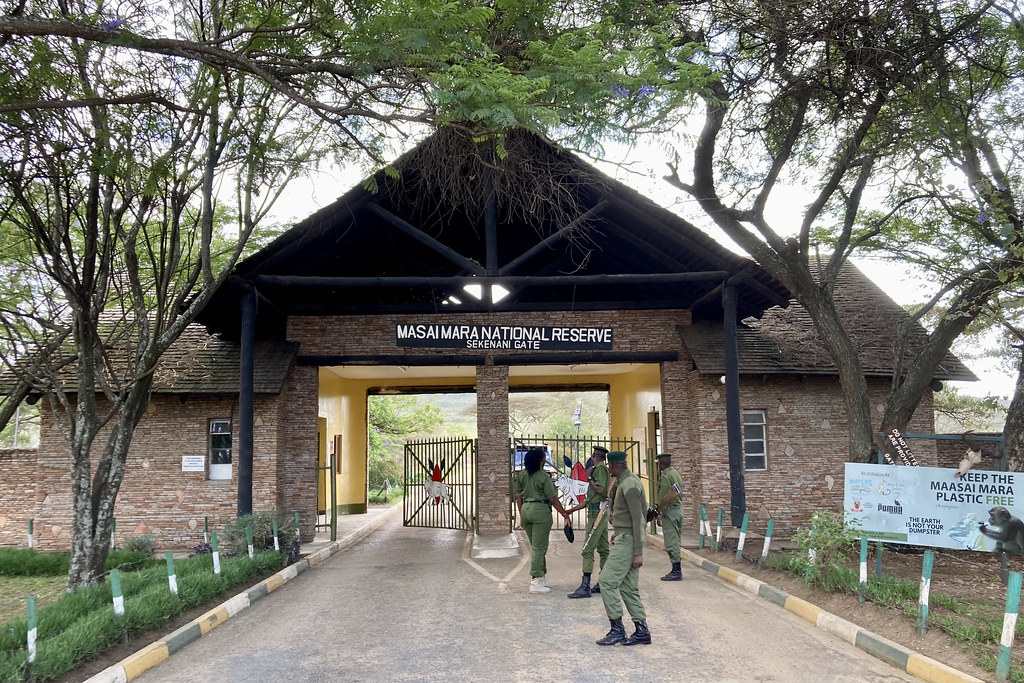
Amboseli National Park tours contribute elephants, wetlands and views towards Mount Kilimanjaro. Lake Naivasha provides freshwater birdlife, hippos and boat experiences. Lake Nakuru strengthens rhino and Rift Valley birdwatching opportunities. A Masai Mara safari then adds wide savannah landscapes, predators and, during appropriate periods, the Great Migration.
This creates a richer Kenya savannah tour because each destination has a purpose. The itinerary is not simply repeating the same game drive in different parks.
Travellers who have more time can continue towards Samburu, Tsavo safaris, Mount Kenya trekking tours or Kenya cultural tours. Others can finish their journey with the Indian Ocean, creating the classic Kenya beach holidays combine safari experience.
For a balanced first trip, read: Best Kenya Safari Itinerary for First-Time Visitors .
Travellers who want both wildlife and the coast can also explore: Best Kenya Safari and Beach Itinerary .

Budget, Midrange and Luxury Lake Nakuru Safaris
The best safari style depends on budget, accommodation expectations, vehicle choice and how much flexibility matters during wildlife viewing. The cheapest advertised safari is not automatically the best value, especially when the package provides limited game-drive time or unclear inclusions.
Budget Safari
Budget safaris usually reduce costs through simpler accommodation, shared transport or carefully controlled daily arrangements. Budget Kenya safaris can be ideal for solo travellers, students and visitors who prefer spending money on wildlife experiences rather than premium accommodation.
Travellers comparing affordable Kenya safari packages should ask whether park fees, meals, transport, accommodation and activities are included before comparing safari costs in Kenya.
Midrange Safari
A midrange safari normally offers greater comfort while remaining below the price level of premium camps and luxury lodges. Mid-range safaris are popular with couples, families and Kenya travellers who want private transport, comfortable safari accommodation options and enough flexibility for game drives without the higher cost of luxury Kenya safaris.
Luxury Safari
Luxury safari arrangements can include premium Kenya safari lodges, tented camps, private vehicles, selected rooms, personalised transfers and slower, more flexible itineraries. Travellers searching for luxury Kenya safari operators with private guides should focus on guide quality and itinerary flexibility, not only the accommodation category.
A luxury safari can also combine Lake Nakuru with a private Masai Mara safari, hot air balloon safari in the Mara, premium Amboseli National Park tours or a beach extension.
How to Choose a Kenya Safari Company for a Birdwatching Safari
When researching the best Kenya tour operators or top rated Kenya safari companies, look beyond advertising language. A trusted Kenya safari company should explain exactly what the itinerary includes, identify the safari vehicle type, explain accommodation categories and provide realistic information about wildlife sightings.
Kenya safari companies reviews and ratings can help, but reviews should be read together with the proposed itinerary. A highly rated company may still offer a route that is too rushed for your particular interests.
For birdwatchers, ask whether the driver-guide understands birding, whether the vehicle can stop for extended observation and how much flexibility exists in the daily schedule. Private Kenya safaris normally provide the greatest control. Group Kenya safaris can provide better value for travellers prioritising price.
Also compare Kenya safari vehicle types. A 4x4 safari Land Cruiser can offer additional space, ground clearance and flexibility for longer routes, while a tour van may provide a more affordable option on some itineraries.
Recommended Kenya tour operators should also be transparent about deposits, cancellation conditions, accommodation, park charges and what happens when an itinerary must change. This matters particularly when booking custom Kenya safari itineraries.
NAMSA Prestigious Tours arranges private, group, budget, midrange and luxury Kenya safari tours, together with airport transfers, accommodation coordination and customised itineraries.
Responsible Birdwatching and Wildlife Conservation at Lake Nakuru
Sustainable safari travel in Kenya depends on respecting wildlife rather than pushing animals into a better position for a photograph. Stay on authorised roads, follow the driver-guide's instructions and avoid encouraging a vehicle to disturb resting or feeding birds.
Kenya Wildlife Service requires visitors to remain in their vehicles except in designated areas, respect park speed limits and give wildlife sufficient space. These rules protect visitors and reduce disturbance to animals.
This is especially important around birds. A flock that repeatedly takes flight because vehicles approach too closely wastes energy and loses feeding or resting time. Wildlife conservation on a Kenya safari therefore begins with simple behaviour: observe quietly, keep distance and accept that animals decide where they go.
The wider importance of Lake Nakuru goes beyond the park itself. UNESCO's Kenya Lake System in the Great Rift Valley includes Lake Nakuru, Lake Bogoria and Lake Elementaita. UNESCO recognises the system for its extraordinary bird diversity, ecological processes and global importance to lesser flamingos and other migratory species.
Thinking about the lakes as a connected system also helps travellers understand why flamingos should not be expected to remain permanently in one location. Conservation needs to protect the wider network of habitats through which the birds move.


Practical Planning Before Your Kenya Birdwatching Safari
A successful safari begins before the vehicle enters the national park. International travellers should check Kenya's current entry requirements through official government sources instead of relying on an old blog post. Kenya currently operates an Electronic Travel Authorisation system for many international visitors, with exemptions applying to some travellers.
Check the current rules directly through the official Kenya Electronic Travel Authorisation website before departure. Entry requirements and exemptions can change.
Travellers should also check current Kenya safari travel insurance requirements. As of 2026, Kenya's official eTA platform carries a notice concerning mandatory inbound travel health insurance. Verify the latest requirement on the official platform before paying for travel.
For health precautions for Kenya travel, seek current professional medical advice that considers your own health, travel route and activities. Avoid using a general safari blog as a substitute for individual medical advice.
A practical packing list for a Kenya safari should include binoculars, sun protection, comfortable neutral clothing, drinking water, camera equipment, spare batteries, suitable footwear and a light layer for cooler mornings. KWS also recommends items including binoculars, sunscreen, insect repellent and a first-aid kit for Lake Nakuru visitors.
For Kenya airport transfers and the first night before a longer safari, consider how international flight times fit the itinerary. Starting a demanding safari immediately after an overnight flight can make the first game drive less enjoyable.
Frequently Asked Questions About Lake Nakuru Birdwatching Safaris
How many bird species are found at Lake Nakuru National Park?
Kenya Wildlife Service describes Lake Nakuru as an ornithological paradise hosting approximately 450 bird species. The park includes water, woodland, grassland and escarpment habitats, so birding is not limited to flamingos.
Can tourists still see flamingos at Lake Nakuru?
Flamingos can still occur at Lake Nakuru, but numbers vary substantially. Recent KWS monitoring shows that lesser flamingos move between Rift Valley lakes as water chemistry and feeding conditions change. Large concentrations should therefore never be guaranteed.
Is Lake Nakuru worth visiting if there are few flamingos?
Yes. The national park combines approximately 450 bird species, black and white rhinos, giraffes, buffaloes, other mammals, woodland, grassland, viewpoints and Great Rift Valley scenery.
Is Lake Nakuru good for a first Kenya safari?
Yes. It fits naturally between Nairobi, Lake Naivasha and the Maasai Mara and can add rhino viewing and birdwatching to a wider first-time Kenya safari itinerary.
Should I book a private or group safari for birdwatching?
A private Kenya safari usually provides greater flexibility for birdwatching because the vehicle can spend longer at individual sightings. A group safari can be more affordable but follows a shared schedule.
Can Lake Nakuru be combined with a Maasai Mara safari?
Yes. Lake Nakuru and the Maasai Mara are commonly combined in Kenya safari packages. Nakuru adds rhinos and Rift Valley birdlife, while the Maasai Mara adds open savannah, big cats and the Great Migration experience in season.
What should I pack for Lake Nakuru birdwatching?
Bring binoculars, sun protection, suitable clothing, drinking water and a camera if photography is important. A notebook or offline birding application can also be useful for recording observations.
Can NAMSA organise a custom Lake Nakuru safari?
Yes. NAMSA Prestigious Tours can design custom Kenya safari itineraries including Lake Nakuru, Lake Naivasha, the Maasai Mara, Amboseli, Samburu, Tsavo and other destinations according to the traveller's dates, budget and preferred safari style.
Authoritative Sources and Further Reading
- Kenya Wildlife Service: Lake Nakuru National Park
- Kenya Wildlife Service: Kenya's Flamingos Are Moving, Latest Census
- UNESCO World Heritage Centre: Kenya Lake System in the Great Rift Valley
- Natural History Museum: Research on Rising Soda Lake Levels and Lesser Flamingos
- Government of Kenya: Official Electronic Travel Authorisation Portal
- Cornell Lab of Ornithology: eBird Explore
Continue Planning Your Kenya Safari With NAMSA
Lake Nakuru Day Safari
Explore Lake Nakuru's birdlife, rhinos and Rift Valley scenery on a focused national park safari.
View Lake Nakuru safari
Nakuru or Naivasha?
Compare wildlife, birding, boat experiences and itinerary value before deciding which Rift Valley lake suits your safari.
Compare Nakuru and Naivasha
First-Time Kenya Safari
Discover how Amboseli, Naivasha, Nakuru and the Maasai Mara can fit into one balanced Kenya safari itinerary.
Explore the itinerary