
What Is the Best Time for Birding in Kenya?

Lao Tzu once said, “A journey of a thousand miles begins with a single step.” In Kenya, that first step may begin at sunrise, when the sky is still soft, the lake is quiet, and a fish eagle calls across the water like a song from another world.
So, what is the best time for birding in Kenya?
The best time for birding in Kenya is generally November to April, when resident birds are joined by migratory species arriving from Europe, Asia and other parts of the African-Eurasian flyway.
For many tourists, however, January and February offer one of the best combinations of birdlife, weather, photography conditions and general wildlife viewing.
Kenya is exceptional because birdwatching does not depend on one short season. From the wetlands of Lake Naivasha to the flamingo lakes of the Great Rift Valley, the forests of Kakamega and Arabuko-Sokoke, the open plains of the Maasai Mara and the swamps of Amboseli, there are birds to see throughout the year.
BirdLife International reports that Kenya is home to more than 1,100 bird species, making the country one of Africa’s richest birding destinations. Kenya also lies along the African-Eurasian Flyway, and around 170 Palaearctic migratory species travel south to Kenya from Europe and Asia. BirdLife International: Kenya’s remarkable bird diversity BirdLife International: Migrating birds in Kenya
For a traveller, this means a Kenya safari can offer much more than lions, elephants, rhinos and giraffes. A morning game drive may also reveal African fish eagles calling above a lake, secretary birds walking through the grass, kingfishers flashing above the water and colourful rollers waiting beside the road.
Why November to April Is the Best Time for Birding in Kenya
The strongest overall period for a Kenya birding safari is November to April.
During these months, Kenya’s resident birds are joined by migratory birds that have travelled enormous distances from northern breeding grounds. Wetlands, lakes, forests, grasslands and the coast can therefore contain a greater variety of species.
BirdLife International explains that Kenya forms part of the important African-Eurasian migratory route. At coastal sites such as Mida Creek, migratory waders including Little Stints, Whimbrels, Grey Plovers and sand plovers may be seen during the migration season. BirdLife International: Mida Creek and Kenya’s migratory birds
Nature Kenya also notes that many familiar Palaearctic migrants reach Africa from around mid-September and begin their return journey during April. Nature Kenya: Kenya Birding Magazine
The greener landscapes following seasonal rains can make this period particularly beautiful for bird photography. However, travellers should remember that November and especially parts of March, April and May can bring rain, so road conditions may vary between destinations.
For tourists who want rich birdlife without planning their entire holiday around birds, December to March is an excellent practical window.
Ready to Book Your Kenya Safari?
Chat with NAMSA Prestigious Tours on WhatsApp and get quick help with your Maasai Mara safari, Kenya safari package, honeymoon safari, family safari, or custom eco-safari itinerary.
Book Instantly on WhatsAppIs January or February the Best Month for Birding in Kenya?
If you want one simple recommendation, January and February are among the best months for birding in Kenya.
Migratory birds are still present, resident species remain active, and these months normally fall within one of Kenya’s drier periods. This can make travelling between major safari destinations easier while still providing excellent opportunities for bird photography and general wildlife viewing.
January and February therefore work especially well for tourists who want to combine:
birdwatching, photography, elephants, rhinos, big cats, lakes and classic game drives within the same safari.
Visitors planning a wider wildlife holiday can also compare the seasons in our Best Time to Visit Kenya for Safari guide.
Can You Go Bird Watching in Kenya All Year?
Yes.
Kenya offers rewarding birdwatching throughout the year because most of its bird species are resident rather than seasonal visitors.
The dry period from roughly June to October can be particularly attractive for travellers whose main objective is a traditional wildlife safari. Vegetation becomes thinner in many areas, roads are generally easier to use and mammals may become easier to locate around permanent water sources.
There may be fewer Palaearctic migrants than between November and April, but the resident birdlife remains impressive.
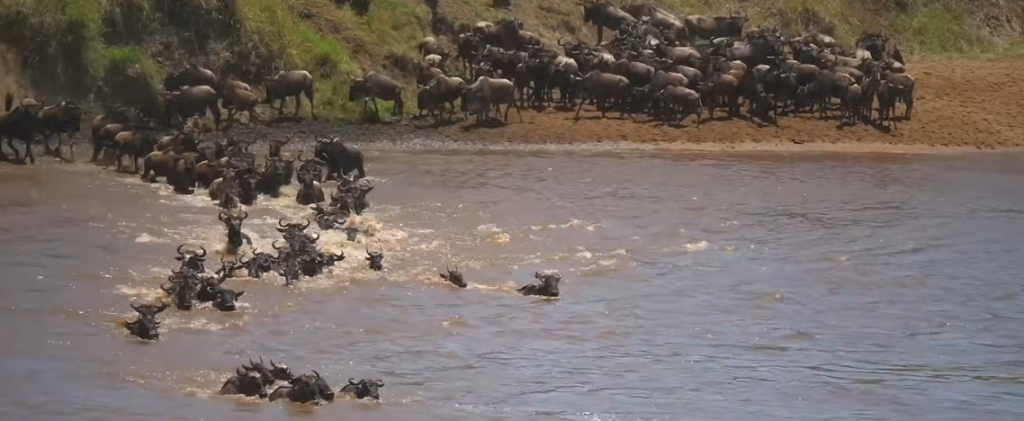
This makes July to October a good option for travellers who want to combine Maasai Mara birding with the Great Wildebeest Migration.
The migration itself follows rainfall and grazing conditions rather than a fixed calendar, so river crossings can never be guaranteed. Travellers interested in combining birds with the migration can read our guide to the best time to see the Great Wildebeest Migration in Kenya.
Best Places for Bird Watching in Kenya
Choosing the best birding destination depends on the type of birds and safari experience you want.
Kenya’s greatest strength is habitat diversity. Within one country, a birding itinerary can include freshwater lakes, alkaline lakes, grassland, woodland, mountain forest, coastal forest, wetlands, semi-arid landscapes and Indian Ocean habitats.
Lake Nakuru National Park
Lake Nakuru National Park remains one of the most famous birding destinations in Kenya.
The Kenya Wildlife Service describes Lake Nakuru as an ornithological paradise hosting approximately 450 bird species. The park is also an important sanctuary for black and white rhinos. Kenya Wildlife Service: Lake Nakuru National Park
Birding around Lake Nakuru may include pelicans, African fish eagles, cormorants, herons, storks, raptors and many woodland species.
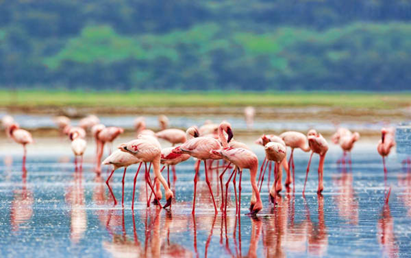
The lake is historically famous for its flamingos, but tourists should not assume that enormous flamingo concentrations will always be present.
Flamingos move between Rift Valley lakes according to changing water chemistry, food availability and ecological conditions. In fact, recent Kenya Wildlife Service monitoring has shown major changes in their distribution between lakes. Kenya Wildlife Service: Kenya’s changing flamingo distribution
This is important when planning a responsible safari. Wildlife is natural and mobile, so sightings should never be guaranteed.
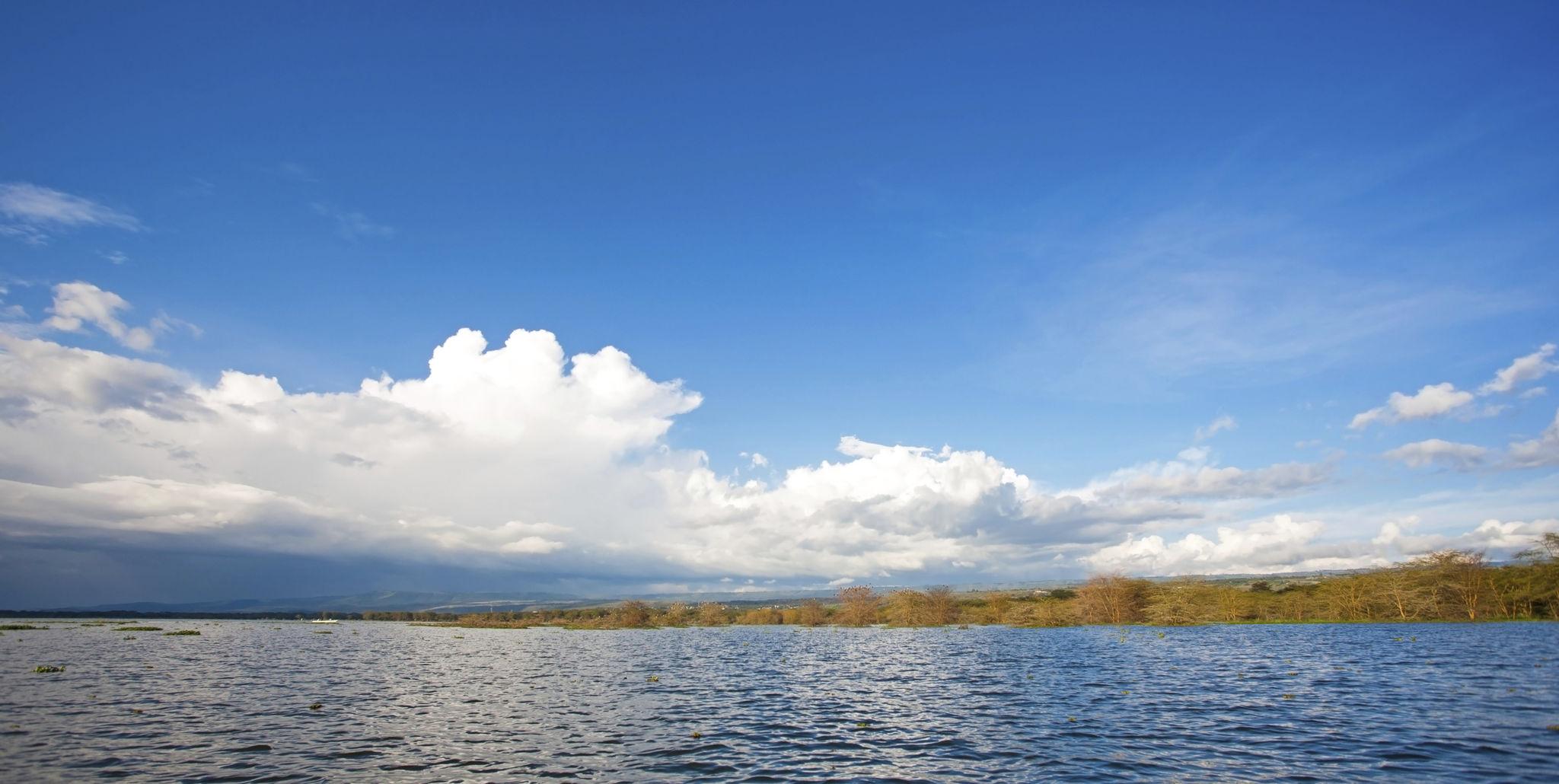
Lake Naivasha
Lake Naivasha offers a very different birdwatching experience.
Instead of concentrating only on a traditional game drive, visitors can explore the lake by boat and watch birds around the water, papyrus and surrounding acacia woodland.
The wider Naivasha ecosystem supports hundreds of bird species. Kenya’s tourism information highlights African fish eagles, pelicans, herons, jacanas, pied kingfishers, malachite kingfishers and other waterbirds around the lake. Magical Kenya: Bird watching at Lake Naivasha
For many first-time tourists, Lake Naivasha is one of the easiest places to combine birds with a relaxed safari experience.
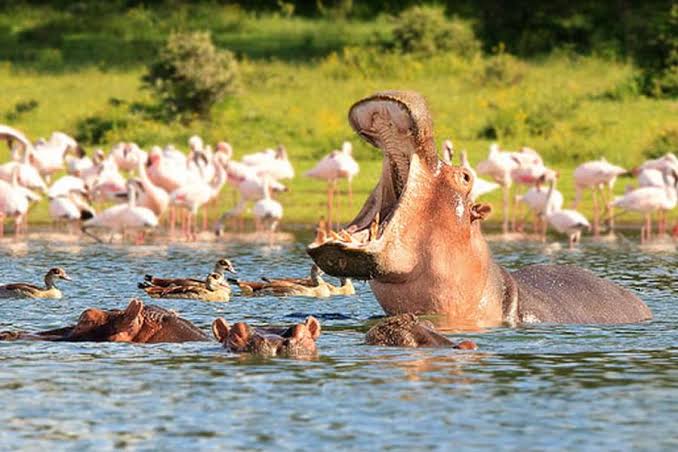
A boat ride can also provide opportunities to see hippos while watching fish eagles and waterbirds along the shore.
Lake Bogoria and Lake Elementaita
Bird lovers should not think only about Lake Nakuru.
Lake Bogoria and Lake Elementaita are also important components of Kenya’s Rift Valley birding landscape.
Lake Elementaita is an internationally recognised wetland and Important Bird Area. Kenya Wildlife Service identifies it as an important site for Greater and Lesser Flamingos, Great White Pelicans, African Spoonbills and Pied Avocets. It is also a major breeding site for Great White Pelicans. Kenya Wildlife Service: Lake Elementaita Wildlife Sanctuary
For travellers particularly interested in flamingos, Lake Bogoria can also be extremely rewarding because flamingo distribution changes between Rift Valley lakes.
The UNESCO Kenya Lake System
Lake Nakuru, Lake Bogoria and Lake Elementaita together form the Kenya Lake System in the Great Rift Valley, a UNESCO World Heritage Site.
UNESCO describes the system as an area containing some of the world’s greatest bird diversity and concentrations within a relatively small landscape. The lakes are particularly important for Lesser Flamingos, Great White Pelicans and more than 100 species of migratory birds. UNESCO World Heritage Centre: Kenya Lake System in the Great Rift Valley
For birders, this makes the Rift Valley much more than a route between Nairobi and the Maasai Mara.
It is a destination in its own right.
At sunrise, one lake may be filled with pelicans while another may hold flamingos stretching across the horizon. A few kilometres away, eagles, storks, kingfishers and woodland birds may create a completely different experience.
Amboseli National Park
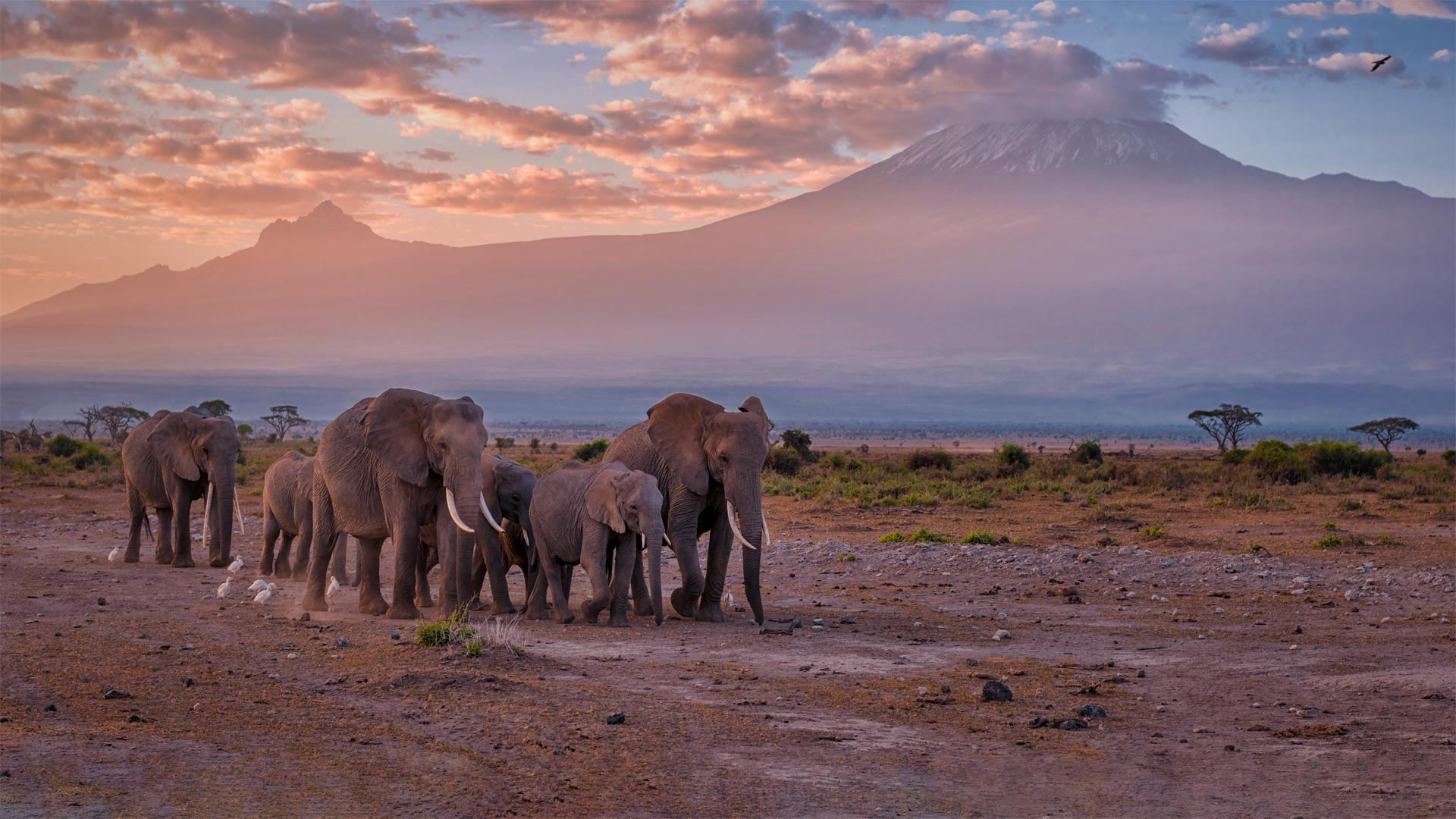
Amboseli is internationally famous for elephants and views of Mount Kilimanjaro, but birders should not overlook it.
Kenya Wildlife Service identifies Amboseli as one of Kenya’s Important Bird Areas and reports more than 400 bird species, including around 40 birds of prey. Kenya Wildlife Service: Amboseli National Park
The park combines wetlands, seasonal lake habitat, grassland and woodland.
Depending on conditions, visitors may encounter flamingos, pelicans, herons, egrets, cranes, raptors, bustards and many smaller grassland species.
Amboseli therefore works particularly well for a first Kenya safari because one destination can combine elephants, Kilimanjaro landscapes, photography and excellent birdlife.
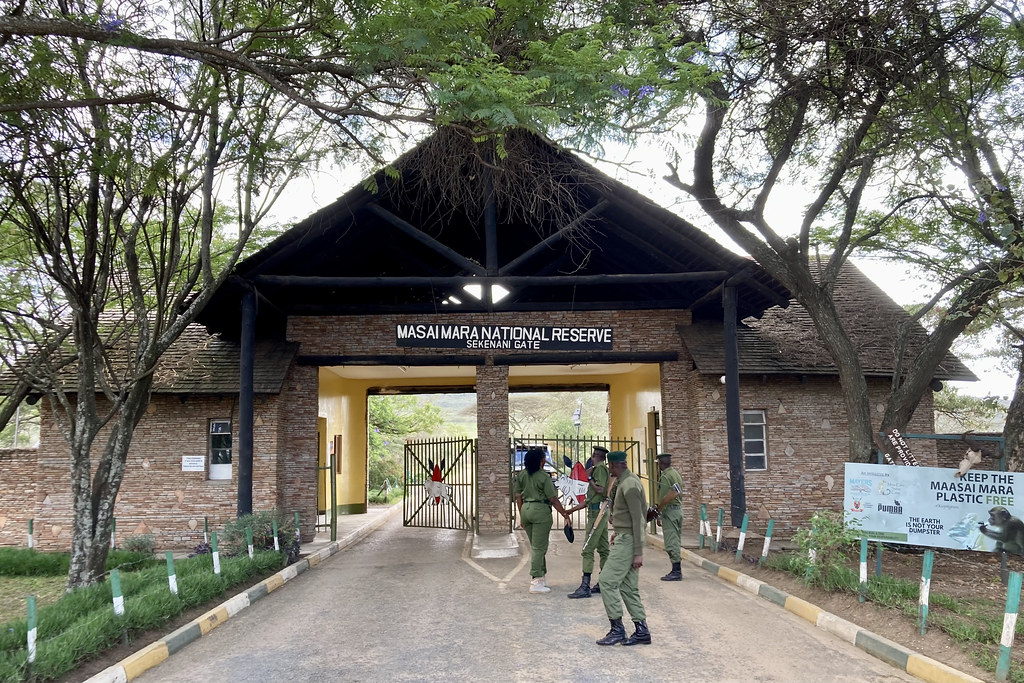
Maasai Mara Birding
The Maasai Mara is famous for lions, cheetahs, leopards and the Great Migration, but its birdlife deserves much more attention.
Open grasslands support species such as secretary birds, bustards, ostriches and colourful rollers, while raptors patrol the skies above the plains.
Riverine woodland and wet areas add still more diversity.
For photographers, this combination is particularly attractive because birds can often be photographed within the same dramatic landscapes associated with Kenya’s classic wildlife safari.
The Mara is therefore a strong choice for travellers who want birding and Big Five wildlife rather than a specialised bird-only tour.
Nairobi National Park
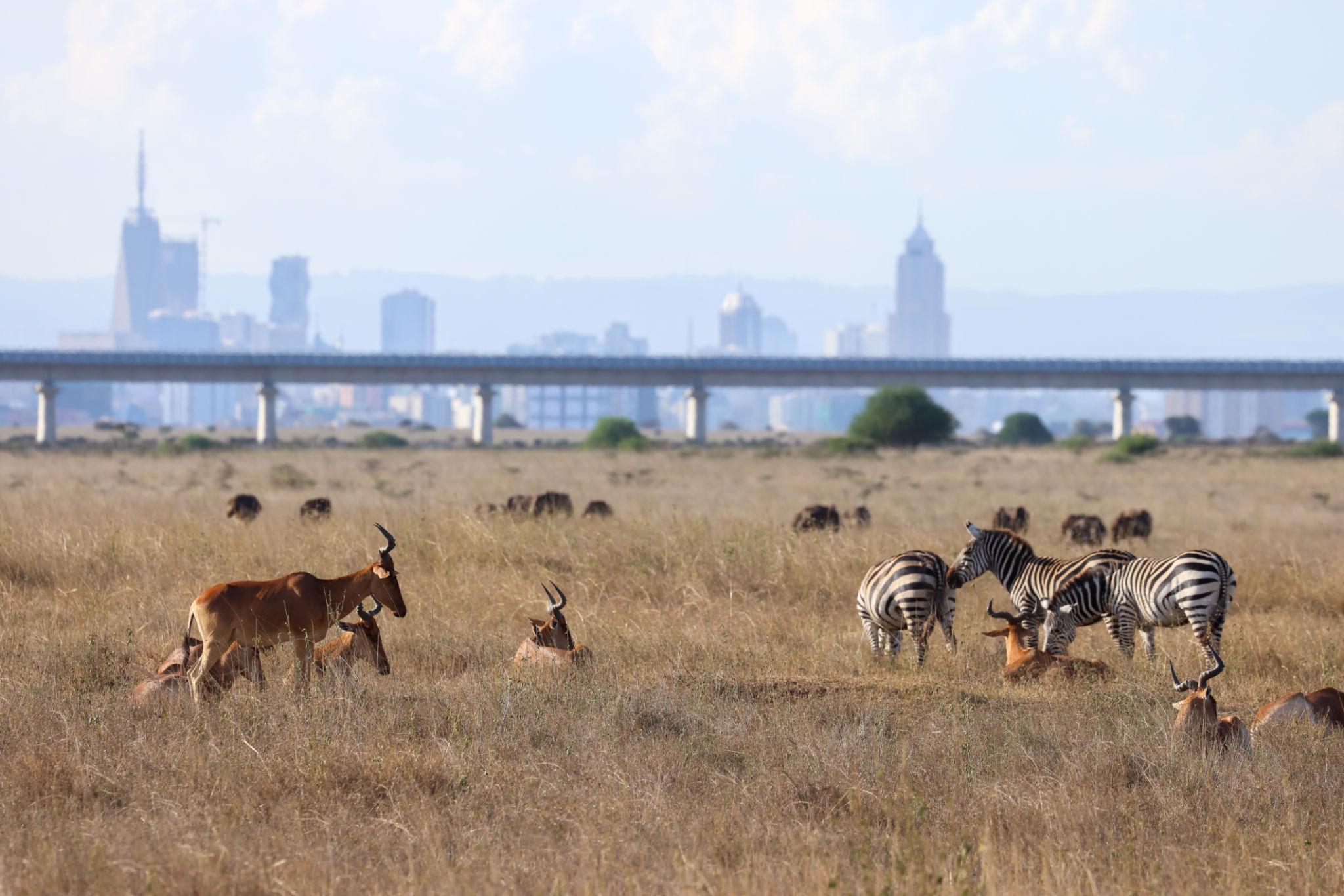
You do not have to travel far from Kenya’s capital to begin birding.
BirdLife International reports that almost 500 bird species have been recorded in Nairobi National Park. The park is recognised as a Key Biodiversity Area and provides an unusually accessible introduction to Kenya’s birds and larger wildlife. BirdLife International: Birding in Nairobi National Park
This makes Nairobi National Park particularly useful for tourists with a spare morning or day before beginning a longer safari.
A Nairobi birding morning can also be an excellent first opportunity to become familiar with Kenya’s raptors, waterbirds, grassland species and colourful common birds before travelling into the Rift Valley.
Arabuko-Sokoke Forest: Birding on the Kenya Coast
Serious birders should consider travelling beyond the standard safari circuit.
Arabuko-Sokoke Forest, near Kenya’s coast, is one of the country’s most important birding areas.
Nature Kenya describes Arabuko-Sokoke as the largest remaining block of East African coastal forest and an internationally important area for rare wildlife.
Special birds associated with the forest include the Sokoke Scops Owl, Sokoke Pipit, Amani Sunbird and Clarke’s Weaver. Nature Kenya: Arabuko-Sokoke Forest
Combining Arabuko-Sokoke with nearby Mida Creek creates an excellent forest-and-coast birding extension.
BirdLife describes Mida Creek as an important site for migratory waders along the African-Eurasian flyway. BirdLife International: Mida Creek birding
This can also fit naturally into a longer Kenya safari and beach holiday.
Kakamega Forest and Western Kenya
Travellers looking for forest birds should consider western Kenya.
Kakamega Forest offers a completely different environment from the open plains of Amboseli or the Maasai Mara. Its dense tropical forest supports species that may not appear on the normal southern safari circuit.
The experience is also different.
Forest birding often requires more patience, careful listening and walking with somebody who recognises calls. Birds may be heard before they are seen, and the excitement may come from finding one specialised forest species rather than watching large concentrations of waterbirds.
For dedicated birders, this slower form of birdwatching can become one of the highlights of a Kenya trip.
Mida Creek and Kenya’s Coast
Kenya’s coastline should also be considered when deciding where to go birding.
BirdLife International notes that Kenya’s approximately 550-kilometre coastline, together with its creeks, beaches and reefs, forms an important part of the country’s migratory bird routes.
At Mida Creek, migrants can include Whimbrels, Little Stints, Curlew Sandpipers, Grey Plovers and Greater and Lesser Sand Plovers. BirdLife International: Kenya’s hotspot for migrating waders
A tourist can therefore combine a traditional savannah safari with coastal birdwatching and a beach holiday.
Frequently Asked Questions
Have more questions? Contact us.
What Birds Can You See in Kenya?
Part of the joy of bird watching in Kenya is that the experience changes completely between habitats.
Across a well-planned itinerary, visitors may encounter African fish eagles, kingfishers, pelicans, flamingos, secretary birds, ostriches, hornbills, bee-eaters, rollers, sunbirds, vultures, eagles, cranes, storks, bustards, weavers and many other species.
Specialist birders can go further and search for restricted-range and threatened species in places such as Arabuko-Sokoke, Taita Hills and Kenya’s western forests.
The important point is not simply to create the longest bird list.
A good Kenya birding safari gives enough time to stop, listen, observe behaviour and enjoy the habitat surrounding each species.
When Is the Best Time to See Flamingos in Kenya?
There is no single guaranteed month or lake for seeing enormous concentrations of flamingos.
Flamingos move between Kenya’s alkaline lakes according to food, water levels, salinity and environmental conditions.
UNESCO describes the Rift Valley lake system as globally important for Lesser Flamingos, while recent KWS surveys confirm that their distribution between individual lakes can change substantially over time. UNESCO: Kenya Lake System Kenya Wildlife Service: Latest flamingo monitoring
For travellers, the best approach is therefore to ask for current local information shortly before the safari rather than choosing a destination based only on old photographs.
NAMSA Prestigious Tours can adjust the route according to the traveller’s dates, interests and the latest available local conditions.
How Many Days Do You Need for a Kenya Birding Safari?
A tourist who wants birds as part of a traditional Kenya safari can have a rewarding experience in approximately seven to eight days.
One particularly balanced route is:
Nairobi → Amboseli → Lake Naivasha → Lake Nakuru → Maasai Mara → Nairobi
This route combines savannah birds, wetland species, waterbirds, raptors and woodland birds while also providing elephants, rhinos, hippos, big cats and classic Kenya landscapes.
Our Best Kenya Safari Itinerary for First-Time Visitors explains this circuit in greater detail.
Dedicated birders with ten to fourteen days can add destinations such as Lake Baringo, Kakamega Forest, Samburu, Arabuko-Sokoke, Mida Creek or the Taita Hills.
The best itinerary should be based on the species you want to see rather than simply trying to visit as many parks as possible.
What Should You Pack for Bird Watching in Kenya?
Binoculars are the most important item for a birding safari.
A camera with a telephoto lens is useful for photography, while a field guide or bird identification application can help you remember what you have seen.
Wear neutral-coloured, comfortable clothing and carry sun protection, drinking water and a light rain layer, especially when travelling during the green season.
For photographers, extra batteries and memory cards are essential because early mornings can become unexpectedly productive.
More importantly, bring patience.
Birds rarely work according to a safari schedule.
What Is the Best Time of Day for Birding in Kenya?
Early morning is generally the most rewarding period.
Bird activity is usually strong around sunrise, temperatures are cooler and the light can be excellent for photography.
Late afternoon is another useful period.
A specialist birding safari should therefore avoid filling every day with long transfers. Spending two nights in one location can sometimes produce a richer experience than rushing through several parks.
The best sighting may happen when the vehicle is stopped, the engine is switched off and everyone simply listens.
So, What Is the Best Time for Birding in Kenya?
For most dedicated birdwatchers, the best time for birding in Kenya is November to April, when migratory birds join Kenya’s extraordinary resident birdlife.
For travellers who want perhaps the best balance between birds, comfortable safari conditions and general wildlife, January and February are especially attractive months.
For visitors interested mainly in mammals and the Great Migration, July to October remains an excellent safari period, and Kenya’s resident birds ensure that birdwatching is still rewarding.
Kenya does not have only one birding landscape.
It has Rift Valley lakes filled with waterbirds, forests hiding rare species, grasslands patrolled by secretary birds, wetlands alive with kingfishers and fish eagles, coastal creeks filled with migrants, and savannah skies watched by eagles and vultures.
A lion may first bring you to Kenya.
An elephant may become your favourite photograph.
But somewhere between the call of an African fish eagle and the sudden flash of a kingfisher across the water, birds may quietly become one of the memories you carry home.
Related Articles