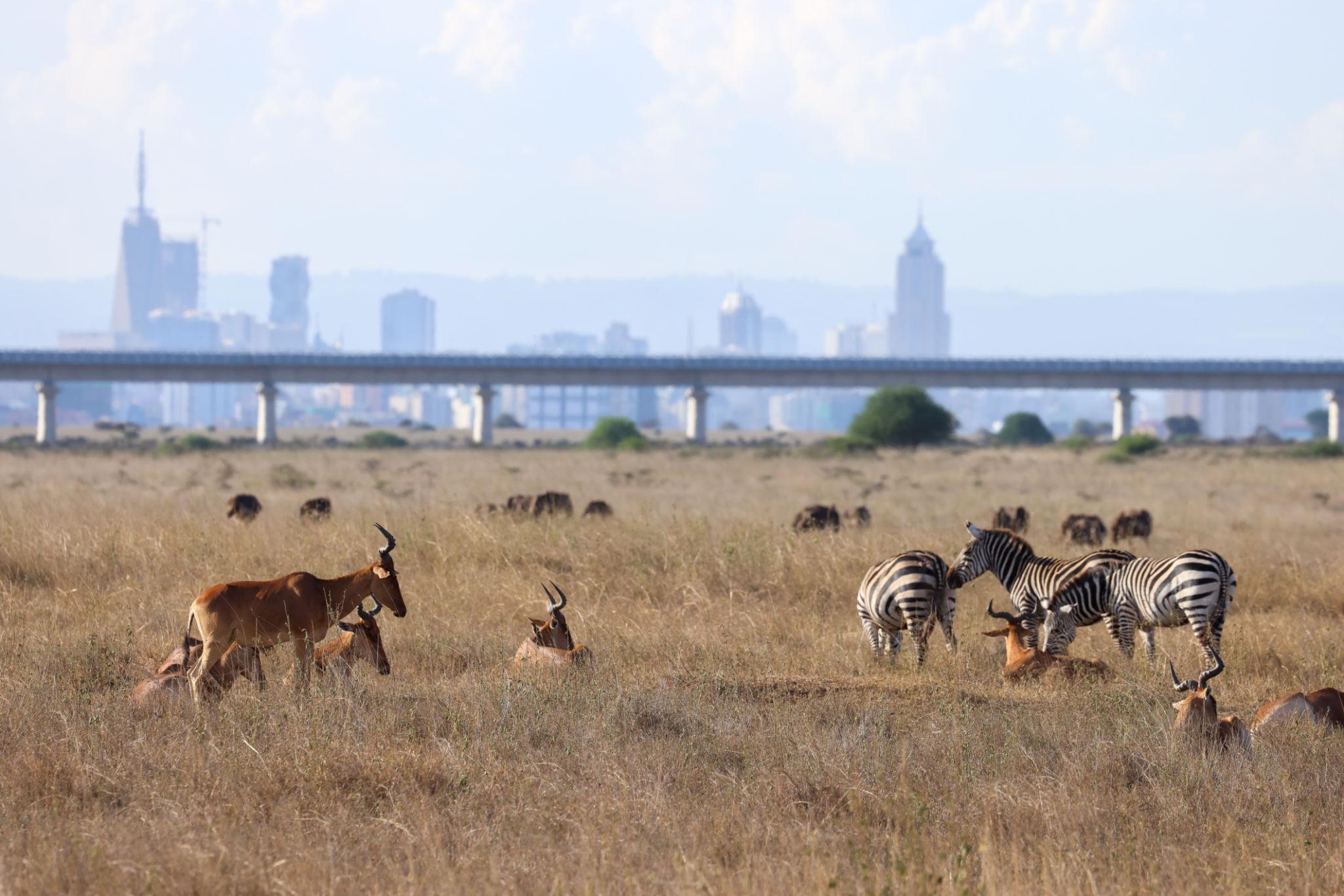
Lake Nakuru Photography Safaris: Rhinos, Birds and Rift Valley Landscapes

NAMSA Prestigious Tours · Kenya Wildlife Photography Guide
Plan Lake Nakuru photography safaris for rhinos, birds, landscapes and Kenya wildlife adventures with enough time to observe behaviour, work with changing light and position your safari vehicle carefully. Lake Nakuru National Park combines rhino conservation, remarkable birdlife, woodland, open grassland and dramatic Rift Valley scenery in one of Kenya's most rewarding photography destinations.

Why Lake Nakuru works so well for wildlife photography
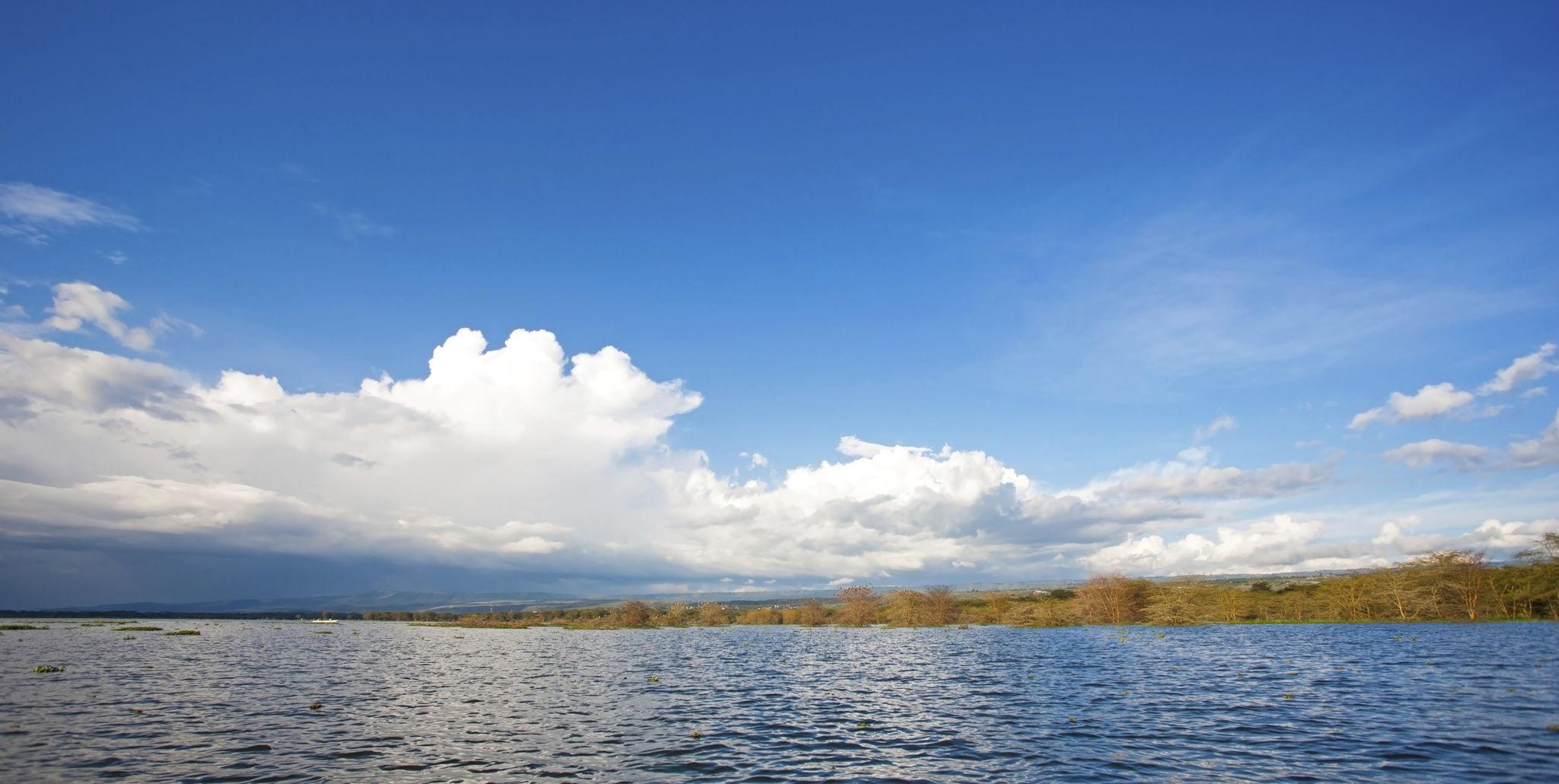
Lake Nakuru National Park gives photographers several different environments without requiring extremely long movements between each scene. The semi-alkaline lake, grassland, acacia woodland, rocky escarpments and wooded areas can all provide very different backgrounds during the same Kenya wildlife safari.
According to the Kenya Wildlife Service Lake Nakuru National Park profile, the park is an important sanctuary for both black and white rhinos and supports approximately 450 bird species. KWS also identifies Baboon Cliff, Lion Hill, Out of Africa Hill and Makalia Waterfalls among its important scenic features.
This mixture is valuable for photographers because every photograph does not have to become another tight wildlife portrait. A rhino walking across open grassland can be photographed as a portrait, as part of the wider habitat or as a much smaller element within a Rift Valley landscape.
The park also forms part of the Ramsar network of Wetlands of International Importance. Lake Nakuru was designated as Ramsar Site No. 476 in 1990, reinforcing its importance beyond tourism alone.
Photography principle: do not chase only close-ups
Some of the strongest safari photographs explain where an animal lives. When a rhino, giraffe or buffalo is distant, consider including the lake, woodland, clouds or escarpment instead of immediately treating distance as a problem. Environmental wildlife photography can communicate Lake Nakuru more effectively than an extremely tight crop.
For a broader introduction to the destination, read what Lake Nakuru is famous for and explore NAMSA's Lake Nakuru National Park safari experiences.

Photograph rhinos, birds and wildlife with context
Rhino photography at Lake Nakuru
Rhinos are one of the strongest reasons to include Lake Nakuru in Kenya photography safaris. When a rhino appears, begin with a wider frame before changing to a tighter portrait. Look at the direction of movement, background, surrounding vegetation and relationship between the animal and the landscape.
White rhinos are often associated with more open grassland, while black rhinos can be more difficult to locate. Wildlife sightings, however, are never guaranteed. A responsible Kenya safari company should never promise a specific wild animal at a particular place and time.

If rhinos are one of your main safari priorities, NAMSA's guide to the best places to see rhinos in Kenya can help you compare Lake Nakuru with other conservation landscapes.
Bird and flamingo photography
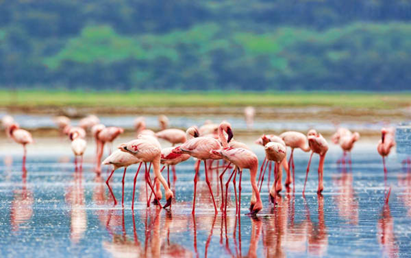
Lake Nakuru should also be treated as much more than a flamingo destination. Pelicans, fish eagles, herons, egrets, storks, grebes and many terrestrial species can create excellent bird photography opportunities.
Flamingo concentrations should not be guaranteed. Water level, lake chemistry, food availability and ecological conditions can affect where flamingos congregate across the Rift Valley lake system. For this reason, photographers should arrive with a broader birding brief instead of expecting the shoreline to look exactly like an old tourism photograph.
For seasonal birding context, see NAMSA's guide to the best time for birding in Kenya.

Work with morning, midday and afternoon light
Wildlife photography depends heavily on light, but photographers should avoid assuming that only sunrise and sunset produce worthwhile images. Each part of the day creates different opportunities.
Morning
Early light can reveal texture in rhino skin, warm the colour of grass and produce gentle contrast across the landscape. Before asking your driver-guide to reposition the vehicle, identify where the light is coming from and decide whether you want frontal light, side light or backlight.
A small legal movement along an established track can sometimes completely change the background. Your guide, however, must decide whether repositioning is safe, permitted and unlikely to interfere with wildlife.
Midday
Midday sun can create hard shadows, but it does not mean photography must stop. Use woodland shade, behavioural moments and wider environmental compositions. Cloud formations over the Rift Valley can also create dramatic landscape photographs.
Heat can reduce distant image clarity. Before producing dozens of photographs of the same distant subject, enlarge one frame and check whether atmospheric distortion is already removing fine detail.
Afternoon
Later light may produce warmer colour and longer shadows. Keep enough time for the applicable park closing arrangements and route conditions. Good photography should never require the driver to race back towards a gate.
Practical camera settings for a Lake Nakuru photography safari
There is no single camera setting for every wildlife encounter. The purpose of a starting point is simply to reduce the time required to react when an animal moves.
Large, calm wildlife
For a relatively still rhino, buffalo or giraffe, a shutter speed around 1/500 second can be a useful starting point when hand-holding a longer lens. Increase it when the animal or vehicle is moving.
Walking wildlife
A starting point around 1/1000 second can provide more protection against motion blur when photographing walking mammals, although available light and lens length still matter.
Birds in flight
Fast-moving birds may require approximately 1/1600 to 1/2500 second or faster, depending on wing speed, distance, focal length and available light.
Continuous autofocus is useful for movement. If your camera offers reliable animal or bird eye detection, test it before travelling rather than learning the system during an important sighting.
Auto ISO can also be useful when a game drive moves rapidly between open grassland and woodland. Set a maximum ISO appropriate to your own camera and remember that a slightly noisy sharp frame may be preferable to a clean but blurred one.
Watch pale feathers and bright water
White birds and reflections can lose highlight detail quickly. Use the histogram or highlight warning on your camera and check exposure after moving between dark woodland and a bright lakeshore.
Use Lake Nakuru to tell a wider safari story
A complete photography sequence should normally include wide, medium and tight images. Instead of returning from a Kenya savannah tour with hundreds of similar animal portraits, photograph the environment that explains the encounter.
A wide frame can show a rhino beneath dramatic cloud. A medium frame may show a giraffe between yellow-barked acacias. A tighter photograph can reveal the eye, horn, feathers or feeding behaviour.
Look carefully at the edges of the frame. Branches, vehicle roofs, other animals and bright patches of sky can pull attention away from the main subject. Sometimes waiting ten seconds for two animals to separate creates a stronger photograph than immediately pressing the shutter.
At viewpoints such as Baboon Cliff, do not automatically reach for the longest lens. A wide landscape can explain the geography of Lake Nakuru and give visual variety to a larger Kenya safari travel guide, travel story or photographic portfolio.
Choose the right Kenya safari vehicle for photography
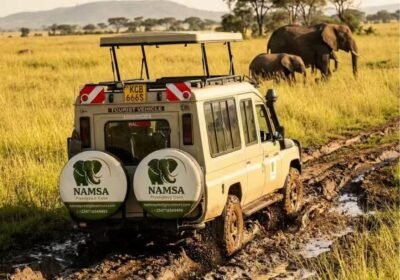
The choice of safari vehicle can strongly affect photography. When comparing Kenya safari vehicle types, consider viewing position, number of photographers, roof configuration, luggage space and whether everyone can comfortably work with a longer lens.
A private safari vehicle usually offers more flexibility than a larger shared group because the group can decide together when to remain at a sighting. This is particularly valuable for photographers who may want to observe one animal for twenty minutes rather than immediately moving towards the next sighting.
A dedicated 4x4 Land Cruiser is often preferred for private Kenya safaris and photography-focused journeys, while a safari van may suit travellers prioritising an affordable Kenya safari package. Neither vehicle creates a wildlife sighting. What matters is whether the configuration fits the guests, route and photographic requirements.
- Maximum number of photographers sharing the vehicle.
- Opening roof and window configuration.
- Whether long lenses can be stored securely.
- Whether a beanbag or similar support can be used safely.
- Charging arrangements during a multi-day safari.
- Space for camera bags and personal luggage.
- Whether the itinerary is private or group joining.
How to structure a photography-focused day at Lake Nakuru
A photography day should be built around opportunities rather than an unrealistic list of animals that must be photographed.
Start with a photographic brief
Before entering the park, tell your guide the three types of photographs that matter most. For example, your priorities may be a rhino in habitat, birds in behaviour and one wide Rift Valley landscape.
This makes it easier for the guide to understand that the objective is not simply to count species.
Work one scene properly
When the first worthwhile subject appears, slow down. Begin with a wider frame, check the background, photograph the behaviour and then consider tighter compositions.
Do not ask a driver to move repeatedly around an animal just to manufacture a different expression. Let wildlife behaviour determine the sequence.
Review during a natural break
During lunch or another suitable stop, inspect several images. Look for motion blur, incorrect exposure compensation, distracting backgrounds and autofocus problems. Fixing one recurring mistake before the afternoon drive can make a major difference.
Use the second session intentionally
Choose one technique to improve during the later session. It might be backlighting, birds in flight, slower panning or environmental composition. A second session becomes more useful when it has a clear visual purpose.
Travellers with limited time can consider NAMSA's Lake Nakuru National Park day trip safari. Photographers who want more control over morning and afternoon light should also consider an overnight itinerary.
How Lake Nakuru fits into a wider Kenya safari itinerary
Lake Nakuru becomes even more valuable when it provides a different photographic environment from the destinations around it. This is why many Kenya safari packages connect the Rift Valley with Amboseli, the Masai Mara, Naivasha or other major Kenya safari destinations.
Lake Nakuru and Masai Mara safari
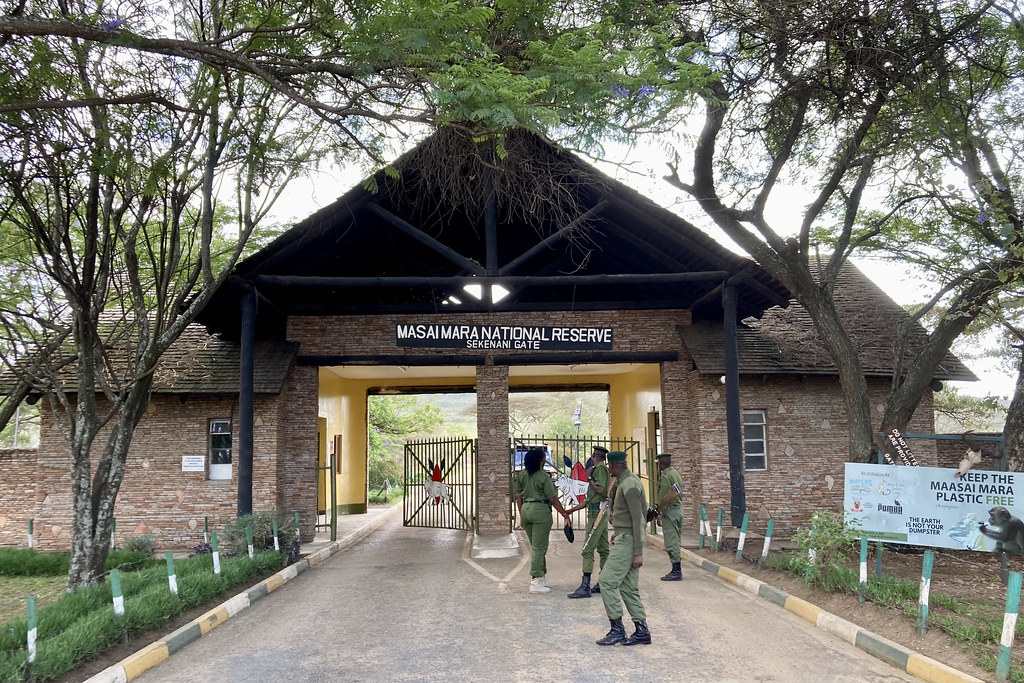
A Masai Mara safari is usually associated with open savannah, large predators and, during the appropriate season, the Great Migration Kenya safari experience. Lake Nakuru adds rhino conservation, woodland, birds and lake landscapes.
Explore NAMSA's Masai Mara safari destination guide.
Lake Nakuru and Amboseli National Park tours
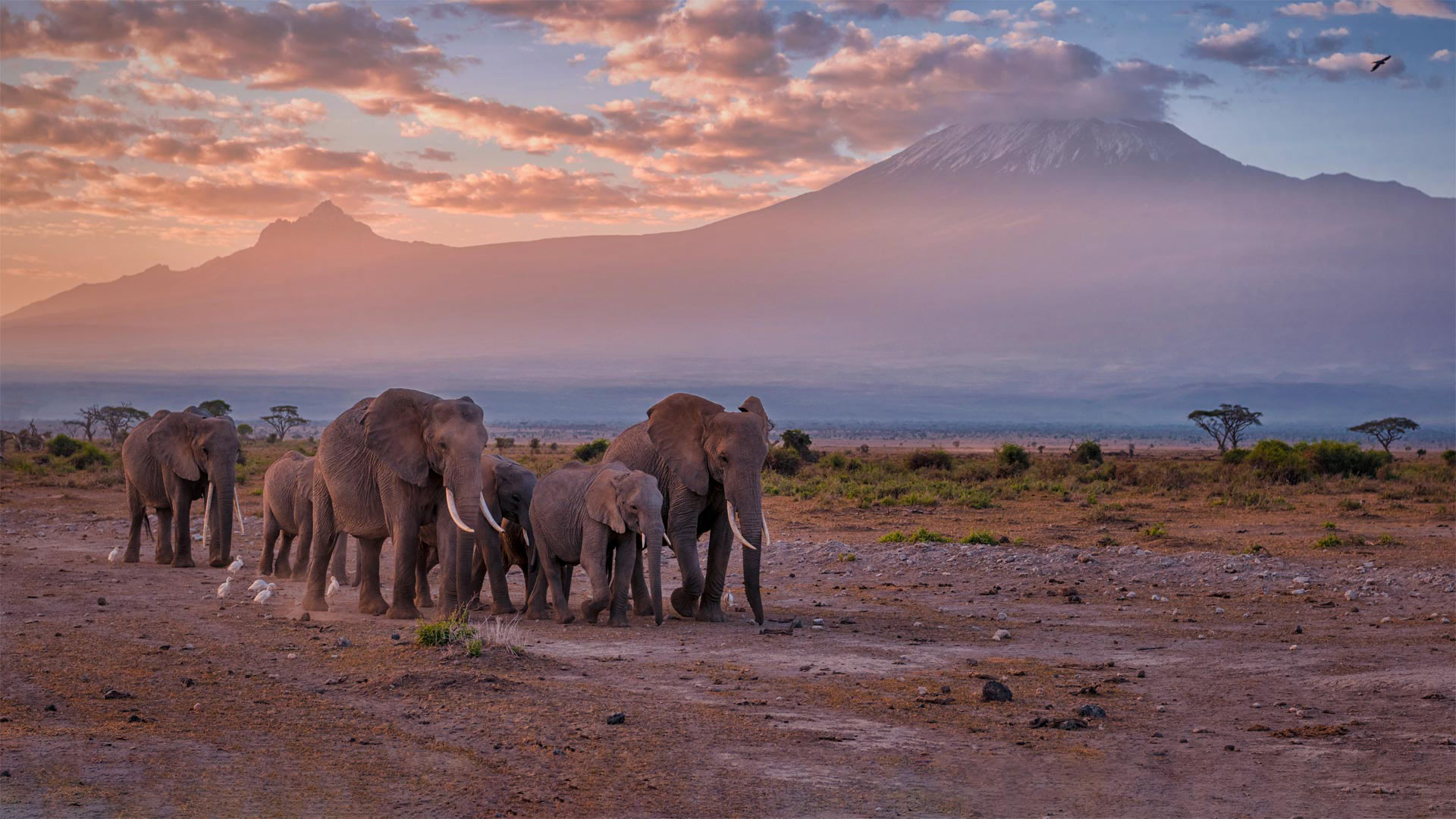
Amboseli provides another completely different photographic setting. Elephant herds, wetlands, open plains and the potential Mount Kilimanjaro backdrop make it one of the country's most recognisable wildlife photography destinations.
See NAMSA's Amboseli National Park safari guide.
Lake Nakuru and Lake Naivasha
Lake Naivasha can add boat-based scenery, hippos and birdlife to a Rift Valley journey. Travellers deciding which lake deserves more time can read Lake Nakuru vs Lake Naivasha.
A carefully designed route can therefore combine game drives in Kenya, bird photography, rhino conservation, savannah wildlife and landscapes without repeating the same experience at every stop.
Budget safari, midrange safari or luxury safari?
The destinations do not need to change simply because the accommodation level changes. NAMSA can structure budget safaris, mid-range safaris and luxury safaris around similar wildlife routes while adjusting lodges, tented camps, room categories, vehicle arrangements and additional activities.
For a longer route, see the 6 Days Amboseli, Lake Nakuru and Masai Mara Safari. Travellers combining wildlife with the coast can also explore NAMSA's Kenya safari and beach itinerary guide.
How to choose a Kenya safari company for photography
Travellers searching for the best Kenya tour operators, top rated Kenya safari companies, recommended Kenya tour operators or trusted Kenya safari companies should look beyond marketing labels.
When planning a safari to Kenya, ask the operator to explain the itinerary in writing. Confirm vehicle type, whether the safari is private or shared, accommodation level, park arrangements, included activities, excluded expenses, pickup arrangements and the amount of time actually allocated to game drives.
Photography travellers should also explain their priorities before booking a Kenya safari. Four professional photographers with long telephoto lenses have very different space requirements from four travellers using phones.
When comparing Kenya safari companies reviews and ratings, look for detailed experiences rather than relying only on a numerical score. Useful Kenya tour reviews often explain guide quality, communication, vehicle condition, itinerary management and how the company handled unexpected changes.
NAMSA Prestigious Tours is a Kenya-based safari company providing custom Kenya safari itineraries, private journeys, family Kenya safaris, group safaris, airport transfers, wildlife journeys and broader East Africa safari tours.
- Is this a private Kenya safari or group joining safari?
- Which safari vehicle will be used?
- How many guests share the vehicle?
- Which park fees and activities are included?
- Which safari lodges or tented camps are proposed?
- How much time is allocated to actual wildlife viewing?
- Can the itinerary be adjusted for photography?
- What are the payment and cancellation conditions?
These questions are also useful when comparing safari costs in Kenya, because the cheapest quotation and the most expensive quotation may contain very different services.
Responsible wildlife photography and sustainable safari behaviour
A sustainable safari in Kenya should protect the wildlife that makes the journey possible. Stay on approved routes, follow park instructions and allow animals enough space to move naturally.
Do not ask the driver to block an animal's path, drive off approved tracks, surround a sighting or deliberately disturb an animal to create a more dramatic photograph.
Wildlife conservation and photography should support one another. If an animal changes direction, stops feeding, becomes visibly alert or repeatedly moves away because of vehicle pressure, the responsible response is to create more distance rather than pursue the photograph.
Photography is not more important than the animal
A missed photograph is better than a photograph created by stressing wildlife. The strongest wildlife conservation Kenya safari experiences allow natural behaviour to remain natural.
Can you fly a drone at Lake Nakuru?
Do not assume that carrying a drone means it can automatically be operated. The Kenya Civil Aviation Authority publishes the country's Unmanned Aircraft Systems framework, including regulations, operational requirements and authorisation processes.
Protected areas, aviation rules, security requirements and commercial filming permissions can involve separate approvals. A photographer planning drone, film or specialised production work should therefore obtain the necessary authorisations before travelling rather than attempting to resolve permissions at the park gate.
Practical Kenya safari travel planning before departure
Kenya eTA and entry requirements
Travellers searching for Kenya visa requirements for tourists should check the official Kenya Electronic Travel Authorisation portal rather than relying on an old blog describing the former visa system. Requirements and exemptions can change, so confirm them shortly before travel.
Kenya safari travel insurance
The official Kenya eTA application currently carries a notice concerning mandatory inbound travel health insurance. Because entry and insurance rules can change, travellers should verify the current requirement directly through the official government portal before departure.
Packing list for a Kenya safari
For a photography trip, keep the packing list practical. Carry enough memory cards, spare batteries, a battery charger, cleaning cloth, dust protection, binoculars, appropriate clothing, sun protection and a secure camera bag. Avoid changing lenses unnecessarily in dusty conditions.
When travelling by air between safari destinations, check the baggage allowance for the specific aircraft or service before packing large photography equipment.
When should you book?
The best time to book a Kenya safari depends partly on season, room availability and the destinations involved. Travellers planning popular migration periods, family travel dates or specific safari lodges should normally begin arrangements earlier than travellers who have flexible dates.
Instead of choosing purely from advertised Kenya safari deals, compare what each quotation actually includes. Accommodation standard, private or shared transport, park charges, activities and route design can all affect the final price.
The best time to visit Kenya for safari also depends on what you want to photograph. Kenya does not provide only one useful safari season. Dry conditions, green seasons, migratory birds, dramatic clouds and changing wildlife patterns can each produce different photographic opportunities.
Frequently asked questions about Lake Nakuru photography safaris
Is Lake Nakuru good for wildlife photography?
Yes. Lake Nakuru combines rhinos, rich birdlife, giraffes, buffaloes, woodland, open grassland, viewpoints and Rift Valley scenery. The combination makes it suitable for both wildlife portraits and environmental photography.
Can I see rhinos at Lake Nakuru?
Lake Nakuru is an important sanctuary for both black and white rhinos. However, wild animal sightings should never be guaranteed. Your guide will use local knowledge and current conditions to look for suitable areas.
Will I definitely see thousands of flamingos?
No. Flamingo numbers and locations change according to ecological conditions, water chemistry and food availability. Lake Nakuru remains an excellent birding destination even when major flamingo concentrations are absent.
What lens is best for Lake Nakuru?
A telephoto zoom can be useful for wildlife and birds, while a wider lens is valuable for viewpoints, environmental photographs and landscapes. The best choice depends on your camera system, weight tolerance and photographic style.
Do I need a private safari vehicle?
Not necessarily, but a private vehicle is highly useful when photography is the main objective because the group has more control over stopping time, positioning and photographic priorities.
Can I photograph Lake Nakuru with a phone?
Yes. Phones can produce excellent wider landscapes, travel records and photographs of closer subjects. Use stable support where appropriate, manage exposure carefully and avoid unsafe leaning or movement outside authorised vehicle positions.
Can Lake Nakuru be combined with the Masai Mara?
Yes. Lake Nakuru and Masai Mara are frequently combined because they offer different safari environments. Nakuru adds rhinos, birdlife and Rift Valley scenery, while the Mara provides extensive savannah landscapes, predators and seasonal Great Migration opportunities.
Is Lake Nakuru suitable for budget and luxury safaris?
Yes. Lake Nakuru can form part of budget Kenya safaris, mid-range safaris and luxury Kenya safaris. The principal differences usually involve accommodation, vehicle arrangements, privacy, services and the wider itinerary.
How do I book a Lake Nakuru photography safari?
Send NAMSA your intended dates, number of travellers, accommodation preference, other destinations and photography priorities. Email booking@namsaprestigioustours.com or contact on WhatsApp.
Continue planning your Kenya safari
Lake Nakuru Safari
Explore NAMSA's dedicated Lake Nakuru destination page, safari routes and available packages.
Explore Lake NakuruLake Nakuru vs Lake Naivasha
Compare wildlife, scenery, activities and how each destination fits into a Rift Valley safari.
Compare the two lakesRhinos in Kenya
Compare Lake Nakuru with other important rhino conservation destinations across Kenya.
Read the rhino safari guide6 Day Kenya Safari
Combine Amboseli, Lake Nakuru and the Masai Mara in one multi-destination Kenya wildlife safari.
View the 6 day safariKenya Safari and Beach
Combine wildlife photography with an Indian Ocean beach extension.
Explore safari and beach planningContact NAMSA
Request a budget, midrange or luxury custom Kenya safari itinerary.
Request your safari proposal