
NAMSA Prestigious Tours · Kenya Safari Travel Guide
The best time to visit Amboseli National Park depends on the safari experience you want. Drier periods can make road travel and wildlife viewing more straightforward, while wetter months transform the plains, wetlands and skies into a greener landscape that can be especially rewarding for birdwatchers and photographers. This guide explains when to visit Amboseli for elephants, Mount Kilimanjaro views, birding, photography and a wider Kenya safari itinerary.

What is the best time to visit Amboseli?
For many first-time Kenya travellers, the generally drier months from roughly June to September and the relatively dry January to February period are practical choices for an Amboseli safari. Travellers interested in greener scenery, dramatic skies and birdlife may also enjoy the wetter periods.
UNESCO's description of the Amboseli ecosystem identifies the typical long rains from March to May and the short rains from October to December. However, weather does not follow a perfect calendar. Before travelling, check the latest Kenya Meteorological Department seasonal forecast and recent local conditions.
If your main dream is elephants beneath Mount Kilimanjaro, do not choose your travel date based only on a month. Give yourself more than one game drive, because wildlife movement and mountain visibility can change within hours.
Why the Season Matters in Amboseli National Park
Amboseli is very different from a safari destination where the landscape is shaped only by rainfall. The park contains open grassland, savannah, woodland, marshes, wetlands and the famous Amboseli basin. UNESCO describes the wider ecosystem as semi-arid and explains that groundwater originating from the Mount Kilimanjaro and Chyulu Hills catchments helps feed important wetlands.
This relationship between dry plains and permanent or seasonal water is one reason Amboseli remains an important destination for Kenya wildlife safaris. Animals move through the ecosystem according to water, grazing conditions, weather and human activity. Wildlife is therefore never guaranteed in one exact location simply because a traveller arrives in a particular month.
Kenya Wildlife Service describes Amboseli as a major destination for large elephant herds, wildlife viewing and birdwatching. Its current park information also notes more than 400 recorded bird species and highlights the iconic Mount Kilimanjaro backdrop.
This means the best time to visit Amboseli National Park is not simply the driest month. The right period depends on whether your priorities are elephants, birdwatching, clear roads, photography, lower visitor pressure, family travel or combining Amboseli with other Kenya safari destinations.
Amboseli Safari Seasons Explained
Instead of treating the safari calendar as a promise, it is better to use the seasons as a planning guide. Recent rainfall, road conditions and wildlife movements should always be checked closer to your travel date.
A useful drier-season option
January and February fall between the two main rain periods described for Amboseli. These months can suit Kenya travellers who want a generally drier safari experience without automatically choosing the middle of the year.
For wildlife photographers, dry ground, open landscapes and changing morning light can create excellent opportunities. Dust may also become part of the scene, particularly when elephants or large herbivores cross dry areas.
Long rains and greener landscapes
UNESCO identifies March to May as the typical long-rains season. Rain can transform Amboseli's colours, refresh vegetation and create dramatic skies that appeal to photographers who prefer atmosphere rather than only dry-season conditions.
Travellers should be more flexible about road conditions and daily game-drive plans. This period can work well for visitors who understand that showers and route adjustments are part of the experience.
Drier conditions for a classic safari
The period after the long rains is a popular choice for travellers planning a safari to Kenya because conditions are generally drier. It can be particularly convenient for first-time visitors, families and travellers combining several national parks in one Kenya safari itinerary.
Demand for Kenya safari lodges and tented camps can also be stronger during popular travel periods. If your dates are fixed, begin discussing accommodation and transport earlier rather than assuming your preferred lodge will remain available.
Short rains and changing scenery
UNESCO identifies October to December as Amboseli's typical short-rains period. Rainfall can bring greener scenery, new water and changing bird activity, although the timing and intensity of rain varies.
Travellers interested in photography and birdlife may find this period attractive. Check a recent Kajiado County forecast before departure rather than relying only on a historical climate calendar.
Use live weather information, not only safari calendars
Kenya Meteorological Department publishes national seasonal outlooks as well as county forecasts. Because Amboseli lies in Kajiado County, checking current Kajiado information before departure can give you a more useful picture than an old article promising specific weather months in advance.
Best Time to Visit Amboseli for Elephants
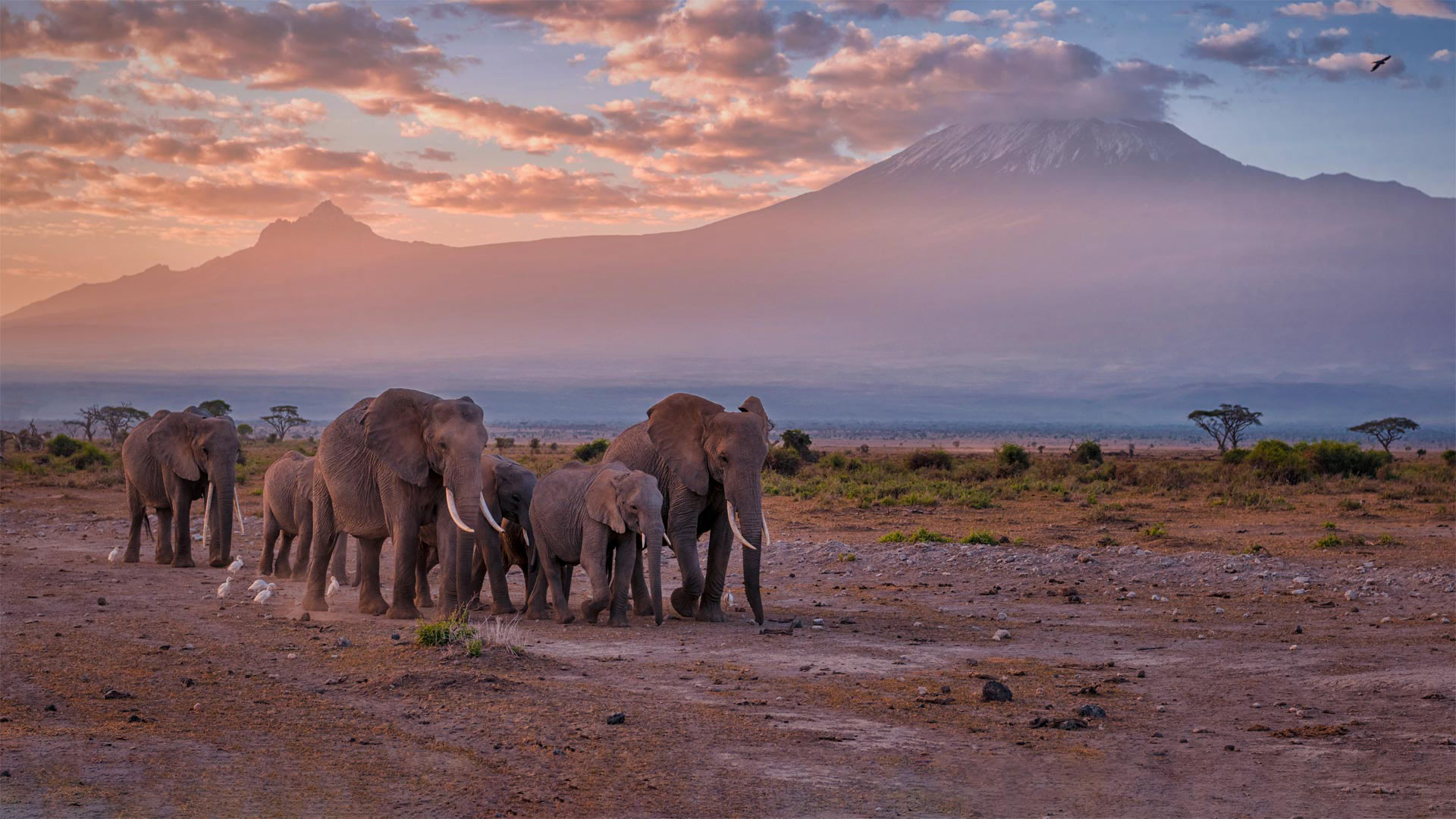
Elephants are one of the main reasons travellers include Amboseli in their Kenya safari packages. Kenya Wildlife Service calls Amboseli the "Home of the African Elephant", while the Amboseli Trust for Elephants has conducted long-term elephant monitoring in the ecosystem since 1972.
The important point for travellers is that Amboseli's elephants are free-ranging animals within a much larger ecosystem. They are not positioned for tourists and they do not follow a sightseeing timetable. Their movement is influenced by water, food, social behaviour and seasonal conditions.
A well-planned game drive therefore matters almost as much as the month you choose. Experienced local guides consider recent sightings, animal behaviour, water availability, road access and the amount of time available during the safari.
If elephant behaviour is your main interest, a two-night stay is usually more useful than racing through Amboseli in a few hours. It gives you separate opportunities for morning and afternoon wildlife viewing and reduces the temptation to treat the park as a checklist.
Responsible elephant viewing matters
Kenya Wildlife Service asks visitors to respect wildlife right of way, remain on established roads and trails, avoid disturbing animals and maintain appropriate viewing distance. Sustainable safari Kenya practices protect the wildlife experience for both animals and future visitors.
Read the current Kenya Wildlife Service Amboseli National Park visitor information before travelling.
Best Time for Mount Kilimanjaro Views and Safari Photography
One of the most recognisable images from a Kenya savannah tour is an elephant walking across the Amboseli plains with Mount Kilimanjaro rising behind it. The mountain lies across the border in Tanzania, but some of its most famous wildlife compositions are photographed from the Kenyan side of the ecosystem.
No month can guarantee an unobstructed summit. Cloud forms and clears according to daily atmospheric conditions, which means Kilimanjaro may be visible one hour and hidden the next.
Travellers focused on Kenya safari photography should therefore build more than one viewing opportunity into the itinerary. Early drives can provide beautiful light when park access permits, but a successful photographer also remains flexible when clouds cover the mountain.
Instead of considering a cloudy morning a lost game drive, look for elephant behaviour, silhouettes, wetland reflections, dust, bird activity, wide landscapes or intimate wildlife portraits. Amboseli rewards photographers who respond to the conditions they actually receive.
Planning a photography safari?
Tell us whether photography is the main purpose of your journey. NAMSA can help design private Kenya safaris with a slower game-drive pace and sufficient time for wildlife observation rather than rushing between destinations.
Best Time for Birdwatching in Amboseli
Amboseli should not be treated only as an elephant destination. Kenya Wildlife Service identifies it as one of Kenya's Important Bird Areas and reports more than 400 bird species, including numerous birds of prey.
Wetlands, marsh edges, open grasslands, woodland and seasonal changes create different birdwatching opportunities throughout the year. Wetter periods can produce especially attractive green landscapes and active wetland habitats, while drier periods may make some areas easier to access.
Serious birders should tell their safari company before the trip. Birdwatching requires a different rhythm from a standard Big Five safari. A guide needs enough time to stop, scan habitats and identify smaller species rather than driving continuously in search of large mammals.
How Many Days Should You Spend in Amboseli?
For many travellers, two nights in or near Amboseli create a good balance between travel time and wildlife viewing. Depending on arrival time and park access, this can allow an afternoon game drive, a full safari day and another morning opportunity before departure.
Three nights can be more appropriate for photographers, birdwatchers, families travelling at a relaxed pace or visitors who do not want every game drive to feel rushed. An additional night also gives you another opportunity if Mount Kilimanjaro remains hidden behind cloud on your first day.
A shorter visit can still work when Amboseli is part of a longer East Africa safari tour, but travellers should consider the road transfer from Nairobi and how much usable game-drive time remains after arrival.
Budget Safari, Midrange Safari or Luxury Safari in Amboseli?
The best safari season also depends on how you want to travel. Affordable Kenya safari packages, mid-range safaris and luxury Kenya safaris can all include Amboseli, but the accommodation, vehicle arrangement, privacy and flexibility will differ.
A budget safari focuses on controlling the overall safari costs Kenya travellers pay while retaining the essential wildlife experience. Accommodation may be simpler and group arrangements may be used where appropriate. Budget Kenya safaris are particularly attractive to travellers who prefer spending more of their budget on game drives and destinations rather than premium lodge facilities.
A midrange safari creates a balance between comfort and price. Mid-range safaris can offer comfortable Kenya safari accommodation options, private or small-group transport and well-located lodges or tented camps without moving into the highest luxury category.
A luxury safari may include premium safari lodges, luxury tented camps, private guiding and a more personalised pace. Travellers searching for luxury Kenya safari operators with private guides should compare not only accommodation photographs but also vehicle use, guiding arrangements, location, meals, park access and what is actually included in the quotation.
Kenya safari vehicle types also matter. Ask whether your journey uses a safari van or a 4x4 Land Cruiser, whether the vehicle is private or shared and how many guests will use each row. Wildlife photographers should discuss window access and seating before booking.
How to Combine Amboseli with Other Kenya Safari Destinations
Amboseli works particularly well as part of a wider Kenya safari itinerary. Travellers arriving through Nairobi can combine wildlife areas according to available days, budget and the type of experience they want.
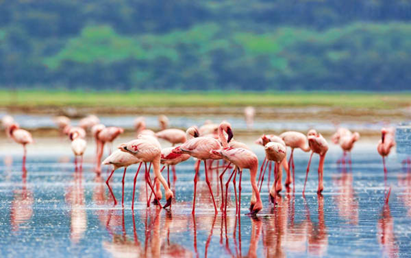
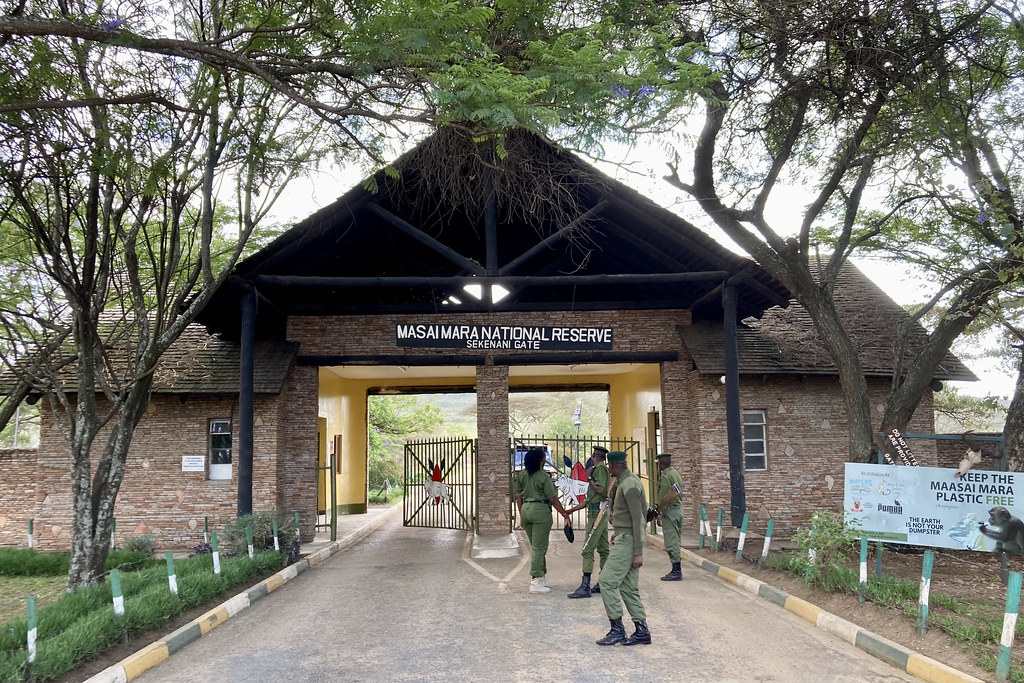
A classic route can combine Amboseli, Lake Nakuru and a Masai Mara safari. This gives travellers three contrasting landscapes and is suitable for budget safaris, mid-range safaris and luxury safari arrangements. NAMSA's 6 Days Budget African Safari Kenya follows this general route.
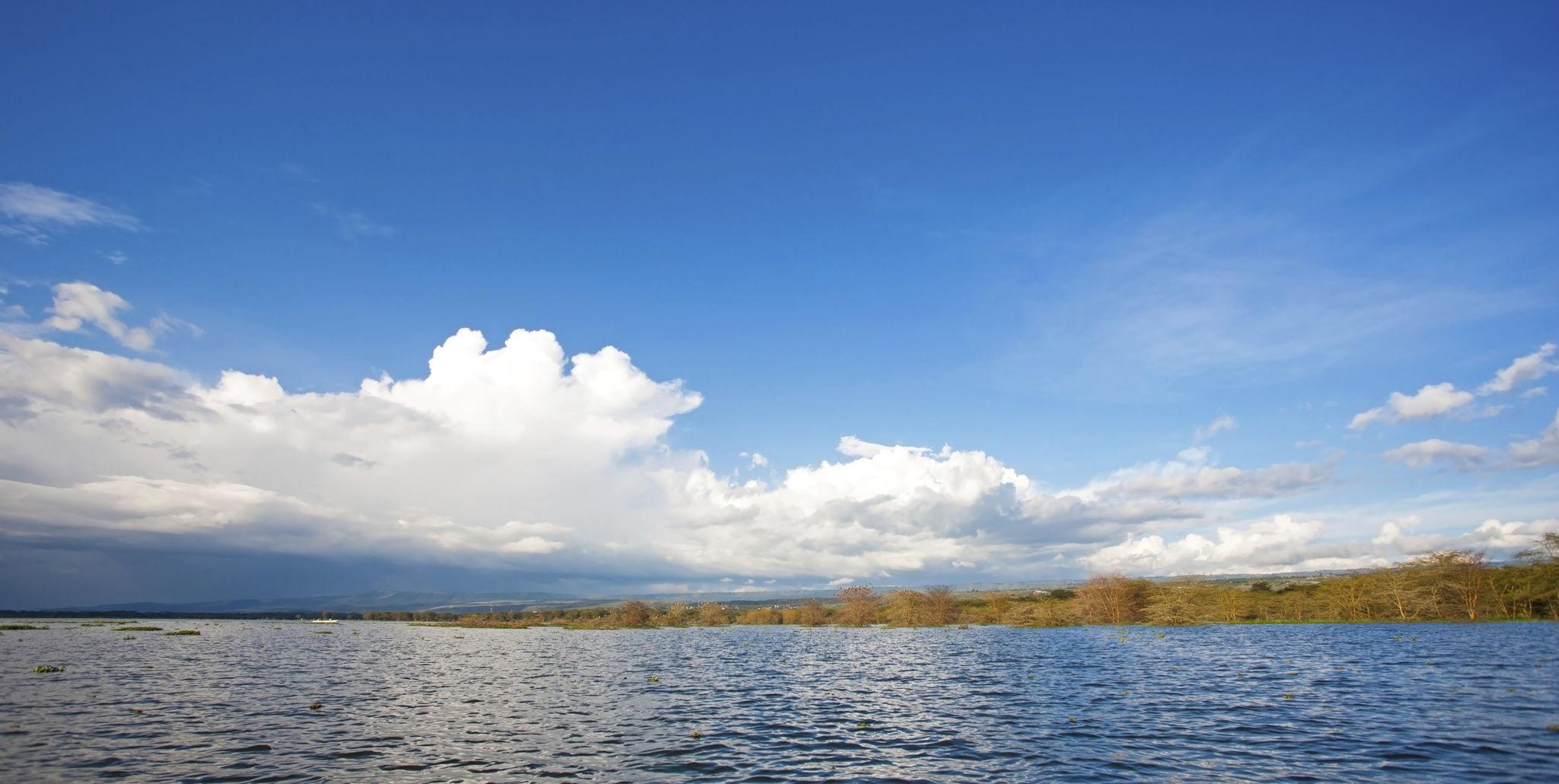
Travellers with additional time can add Lake Naivasha for a boat experience, explore Tsavo safaris, begin with Nairobi National Park tours, or continue towards the coast. Kenya beach holidays combined with safari itineraries are especially useful for visitors who want wildlife followed by a slower coastal stay.
Kenya adventure travel can also extend beyond traditional game drives. Depending on your interests, a custom journey may include Kenya cultural tours, Mount Kenya trekking tours, farm experiences, walking activities, conservation visits or a hot air balloon safari in the Maasai Mara.
The Great Migration Kenya safari season can also influence a longer itinerary. If your journey combines Amboseli with the Maasai Mara and witnessing migration activity is a major priority, read our Best Time to Visit Maasai Mara guide before fixing the route.
Kenya Entry, Health and Travel Planning Before Your Amboseli Safari
International Kenya travellers should check official entry requirements before departure rather than relying on old safari blogs. Kenya now uses an Electronic Travel Authorisation system for many visitors, although exemptions apply to certain nationalities and categories.
For current Kenya visa requirements for tourists and eTA exemptions, use the official Kenya Electronic Travel Authorisation website. The official portal currently recommends applying sufficiently before travel because verification can take time.
As of November 2026, Kenya's official eTA platform also displays a mandatory inbound travel health insurance requirement for travellers covered by the regulation. Because travel rules can change, confirm the current requirement directly through the official Kenya eTA notice before purchasing Kenya safari travel insurance or boarding your flight.
Health precautions for Kenya travel depend on your origin, route and personal circumstances. Kenya's Ministry of Health states that travellers arriving from countries where yellow fever is endemic should carry an appropriate yellow fever certificate, subject to listed exemptions. Review the latest Ministry of Health incoming traveller guidance and discuss personal medical requirements with a qualified health professional.
Packing for Amboseli
A practical packing list for Kenya safari travel should include light layers, comfortable neutral clothing, sun protection, binoculars, charging equipment, a reusable water bottle and appropriate camera protection. Kenya Wildlife Service also recommends items such as sunscreen, insect repellent, drinking water, a camera, binoculars and a first-aid kit for park visitors.
During wetter months, add a lightweight rain layer and protect electronics from moisture. In drier periods, camera and lens protection can help with dust.
How to Choose a Kenya Safari Company for Amboseli
Choosing between safari companies in Kenya should involve more than searching for the cheapest headline price. Trusted Kenya safari companies should explain the itinerary clearly, show what is included and excluded, identify the proposed accommodation and explain the transport arrangement.
When comparing Kenya tour reviews, Kenya safari companies reviews and ratings, look for detailed comments about guide knowledge, communication, vehicle condition, organisation and whether the delivered trip matched what was promised. A large number of vague reviews is less useful than specific feedback from verified travellers.
Kenya safari experts should also be willing to explain how the season affects a proposed route. If rain has recently changed road conditions or wildlife distribution, a responsible operator should adjust expectations rather than guarantee a specific animal sighting.
Before booking a Kenya safari, request a written quotation showing accommodation, meals, transport, park access, activities, airport transfers and important exclusions. This makes it easier to compare affordable Kenya safari packages with more premium options on a like-for-like basis.
The best Kenya tour operators are not necessarily the companies using the loudest advertising claims. Look for transparent communication, current local knowledge, legitimate operations, realistic wildlife expectations and a willingness to customise the trip. These qualities are more meaningful when evaluating recommended Kenya tour operators or top rated Kenya safari companies.
NAMSA Prestigious Tours is a local Kenya safari operator offering custom Kenya safari itineraries, private and group travel, airport transfers, wildlife safaris and East Africa safari tours. You can explore our current Kenya safari packages or contact our team for a tailored proposal.
Best Time to Book a Kenya Safari to Amboseli
The best time to book Kenya safari accommodation depends on your travel dates, group size and preferred lodge. Popular travel periods can reduce availability, particularly when travellers require a specific lodge, room type or private vehicle.
If your dates are fixed, start planning earlier. If your dates are flexible, ask your safari planner whether moving the trip by a few days or weeks improves accommodation choice, routing or overall value.
Safari booking tips Kenya travellers should remember include checking the cancellation policy, identifying whether park fees are included, confirming the exact accommodation category, understanding payment terms and checking what happens if weather affects a planned activity.
What to Expect on a Kenya Safari in Amboseli
Amboseli is not a zoo and a game drive is not a scheduled performance. One morning may begin quietly before a herd of elephants appears from the wetlands. Another drive may focus on giraffes, buffalo, zebra, antelope, birds or predators. Sometimes Mount Kilimanjaro dominates the horizon. At other times, cloud hides it completely.
This uncertainty is part of the Kenya safari experience. Wildlife viewing Kenya is most rewarding when travellers give guides time to read tracks, observe behaviour and respond to what the ecosystem offers that day.
For many visitors, the strongest African safari holidays Kenya experiences are not created by seeing the largest possible number of species. They come from slowing down long enough to watch one elephant family interact, hear birds waking across a wetland or see the evening light change across the savannah.
Frequently Asked Questions About Visiting Amboseli
What is the best month to visit Amboseli National Park?
There is no single perfect month. January to February and the generally drier June to September period can suit travellers seeking easier safari logistics, while the wetter March to May and October to December periods can offer greener landscapes and attractive birding conditions. Check current weather before travelling.
What is the best time to see elephants in Amboseli?
Elephants live within the wider Amboseli ecosystem throughout the year, but their location changes according to water, food and seasonal conditions. Allow several game drives rather than expecting one precise month to guarantee a particular sighting.
When can I see Mount Kilimanjaro clearly from Amboseli?
Kilimanjaro visibility can change within the same day because of cloud. Give yourself several opportunities and consider morning drives when conditions and park access permit. No safari company can honestly guarantee a clear mountain view.
Is Amboseli worth visiting during the rainy season?
Yes. Rain can produce greener landscapes, dramatic skies and rewarding birdwatching. The trade-off is that some tracks may become more difficult and game-drive plans may require greater flexibility.
Is two nights enough for an Amboseli safari?
Two nights work well for many travellers because they can provide separate opportunities for morning and afternoon wildlife viewing. Photographers, birdwatchers and slower-paced travellers may prefer three nights.
Can I combine Amboseli and Maasai Mara?
Yes. Amboseli and Maasai Mara are frequently combined in Kenya safari tours, usually with additional stops such as Lake Nakuru or Lake Naivasha depending on the number of days available.
Are budget safaris available in Amboseli?
Yes. Budget Kenya safaris can include Amboseli using value-focused accommodation and carefully planned transport. Midrange and luxury options are also available for travellers wanting additional comfort, privacy or premium lodging.
Should I choose a private or group Kenya safari?
Private Kenya safaris provide greater flexibility over departure times, stops and game-drive pace. Group Kenya safaris can reduce the transport cost per traveller and suit guests who enjoy travelling with others.
Sources and Further Reading
This guide uses primary and specialist sources where possible. Seasonal conditions, regulations, park fees and travel requirements can change, so travellers should check current information before departure.
- Kenya Wildlife Service: Amboseli National Park , official park information, wildlife highlights, visitor guidance and current park information.
- UNESCO World Heritage Centre: Amboseli National Park , ecosystem description, landscape characteristics and seasonal rainfall information.
- Kenya Meteorological Department: Seasonal Forecasts , current national rainfall and temperature outlooks.
- Kenya Meteorological Department: County Forecasts , including Kajiado County weather information relevant to the Amboseli region.
- Amboseli Trust for Elephants , specialist information on long-term elephant research and conservation in the Amboseli ecosystem.
- Government of Kenya Electronic Travel Authorisation , current eTA requirements, exemptions and travel documentation.
- Kenya Ministry of Health: Incoming Travellers , official health-entry information including yellow fever requirements.