Best Time to Visit Maasai Mara: A Complete Guide for the Safari of Your Dreams
There are places in the world that feel beautiful in photographs, and then there are places that seem to breathe when you finally stand inside them. Maasai Mara is one of those places. It is not simply a destination on a map in southwestern Kenya, bordering Tanzania’s Serengeti. It is a living stage of golden grass, restless light, distant thunder, and wild movement, one of the most famous safari landscapes in Africa, and one of the finest places to visit Kenya for a truly unforgettable Kenya safari. The reserve is especially celebrated for its rich wildlife and open plains, which is one reason it remains one of Africa’s best-known safari destinations.
For many travelers planning a Kenya safari, the first question is not whether Maasai Mara is worth visiting. That answer comes easily. The real question is this- when is the best time to visit Maasai Mara? And the truth is wonderfully simple, yet beautifully nuanced. The best time depends on what kind of magic you want to meet, whether you are dreaming of a budget safari, a romantic luxury safari, or a classic journey across the African savannah filled with extraordinary wildlife moments.
If your heart is set on classic game viewing, dry golden plains, and easier sightings, the best overall time is usually June to October. If your dream is the Great Wildebeest Migration, the most sought-after period is usually July or August to October. If you love lush landscapes, fewer vehicles, softer prices, and a quieter romance with the land, then the greener months can surprise you in the most unforgettable way. These broad windows are widely reflected in current Maasai Mara travel guidance.
So let us walk into the seasons of Maasai Mara together, not as if reading a calendar, but as if opening chapters of a story.
Why Timing Matters in Maasai Mara
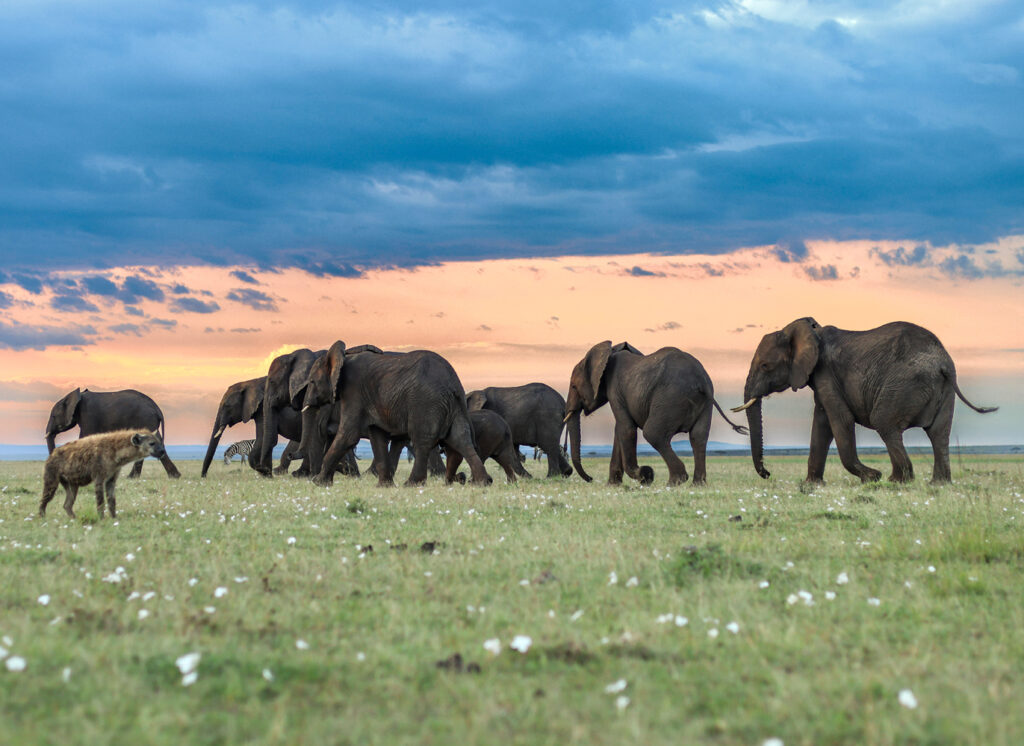
Maasai Mara is beautiful throughout the year, but each season changes the rhythm of the wildlife experience. The grass changes height. Rivers swell or shrink. Skies become crisp or stormy. Predators move differently. Herbivores gather and scatter. Roads feel easier or more adventurous. And the entire mood of the African savannah transforms with the rain, the sun, and the movement of animals. Current safari references also note that different months affect road conditions, visibility, and the movement of wildlife in meaningful ways.
That is why travelers who want to visit Africa and truly experience an unforgettable African safari should not choose dates blindly. The right month can shape the atmosphere of your journey, the ease of game viewing, the number of other vehicles around you, and even the kind of memories you take home. It can also influence whether your safari feels more like a value-focused budget safari or a more exclusive luxury safari, since peak months usually bring fuller camps and higher prices. Peak migration season is commonly described as busier and more expensive than quieter months.
The Classic Best Time to Visit Maasai Mara
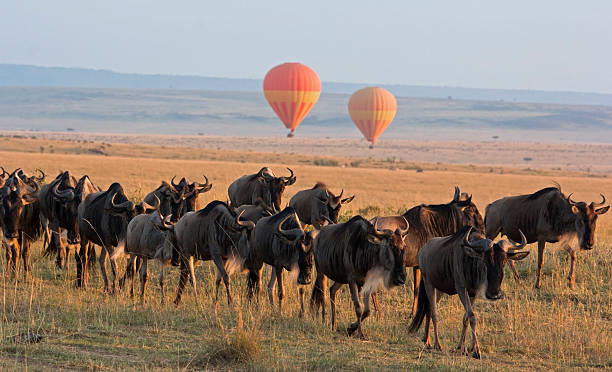
If someone asks for the safest, strongest, most recommended answer, this is it: June to October is widely considered the best general time to visit Maasai Mara. During these months, the weather is drier, the bush is thinner, and wildlife is often easier to spot because animals gather more around water and open areas. Days are usually sunny and pleasant rather than oppressively hot, which makes game drives especially enjoyable. This dry-season advantage is consistently highlighted in Maasai Mara planning sources.
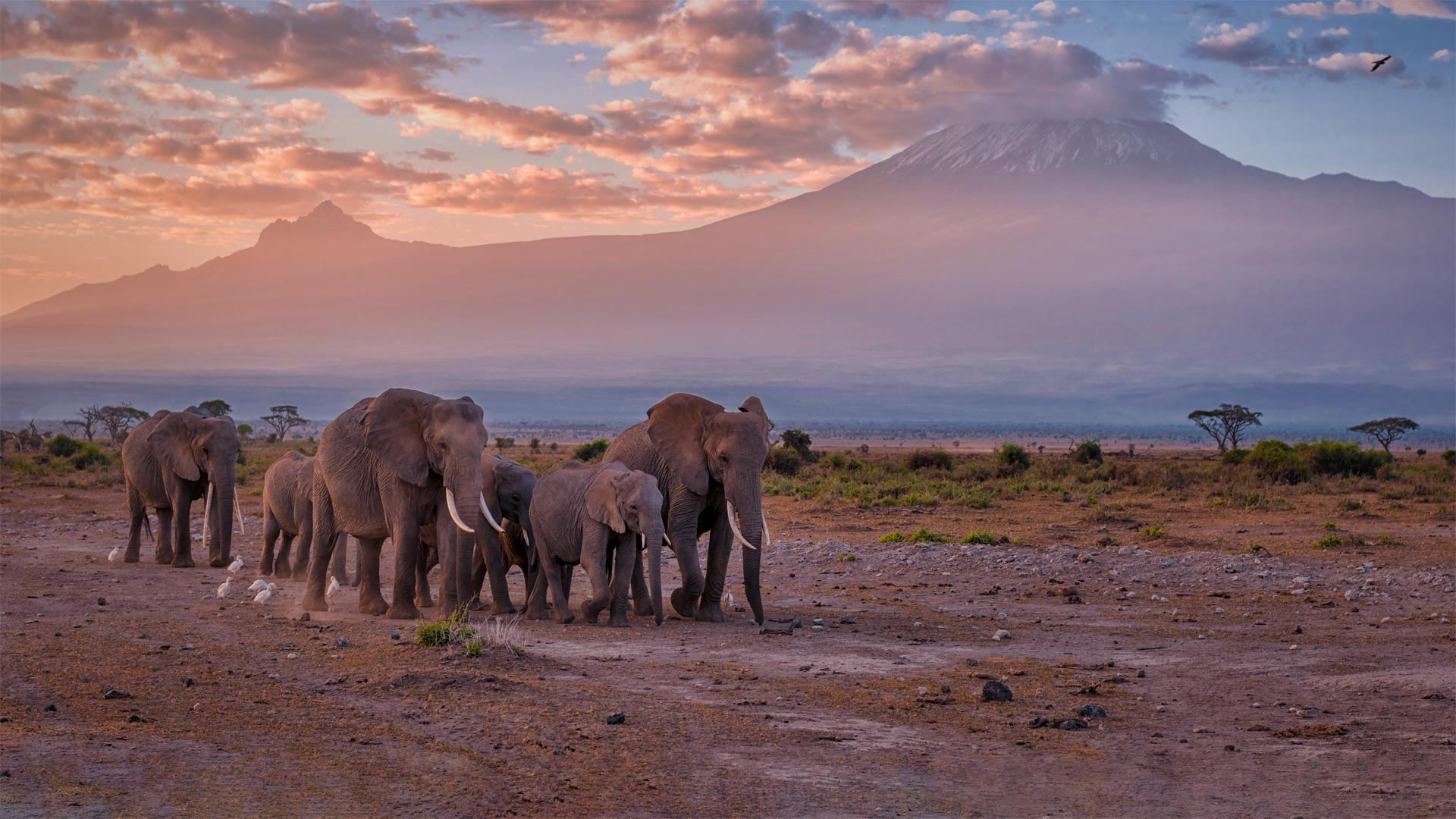
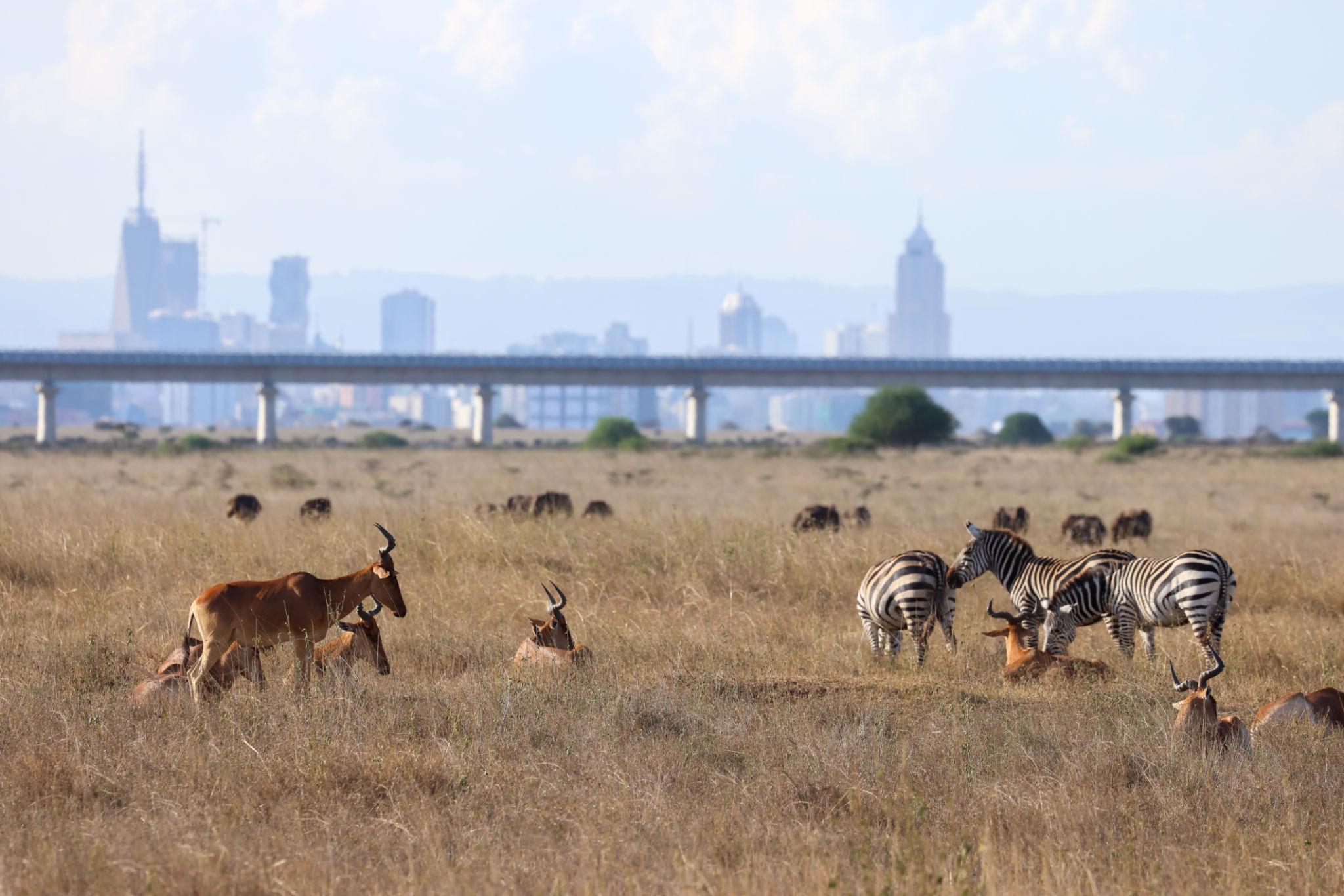
This is the season when the Mara begins to look like the dream many people carry in their minds when they imagine safari. The grass glows gold. The air is clearer. Lions rest where you can actually see them. Elephants seem to move through the plains with a kind of ancient certainty. Cheetahs scan the horizon. Giraffes step through the acacia-dotted landscape as though they belong to another century. These are the kinds of wildlife moments that make travelers fall in love with the Mara, and with visit Kenya stories they will tell for years.
For travelers seeking the classic Kenya safari feeling, this is the season that gives the strongest all-round reward. It is especially good for first-time safari lovers, photographers, couples, families, and anyone whose priority is general game viewing, including those hoping to see the Big Five in a landscape that feels like the pure heart of the African savannah.
There is one thing to remember, though: this is also high season. The beauty is no secret. Camps fill faster, prices rise, and some popular wildlife sightings can attract more vehicles, especially in well-known parts of the reserve. This is often the season when both budget safari spaces and high-end luxury safari lodges are booked early, especially during migration months.
The Great Wildebeest Migration Season
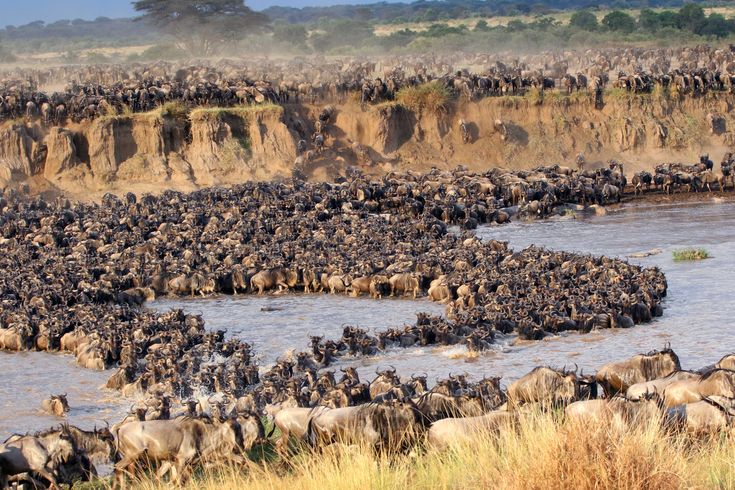
If June to October is the classic season, then July or August to October is the season of drama. This is the period most closely associated with the Great Wildebeest Migration, when huge herds move into the Maasai Mara from the Serengeti. It is one of the most iconic wildlife spectacles on earth and one of the biggest reasons many travelers choose to visit Africa in the first place. Current migration guidance repeatedly points travelers to this period, while also noting that the exact timing varies with rainfall.
And yet, the migration is not a performance with a fixed curtain time. It is nature, which means it follows rain, grazing conditions, and instinct. In many years, the herds reach the Mara around late July or into August. In September and October, they often remain in the reserve in remarkable numbers. The famous Mara River crossings, those breath-holding scenes of wildebeest plunging into dangerous water, are most often associated with this period, but they are never guaranteed on exact dates. The unpredictability of the crossings is emphasized by multiple migration guides.
This unpredictability is part of the wonder. You may wait at the river for hours with only silence, dust, and nervous movement on the bank. Then, all at once, instinct breaks the stillness. The herd surges. Hooves pound the earth. Water explodes into motion. Crocodiles wait. Guides lower their voices. Cameras tremble in excited hands. And you realize that some moments in travel do not feel like sightseeing at all, but like witnessing a secret written long before people arrived. These are the rare wildlife moments that define a dream African safari.
If the migration is your dream, aim for late July through October, but book with flexibility in your expectations and wisdom in your planning. This is the season when many travelers choose both premium luxury safari camps and carefully planned budget safari departures to make the most of one of Africa’s greatest spectacles.
The Quiet Golden Secret
Not every beautiful safari belongs to the migration season. January and February are often excellent months for visiting Maasai Mara as well. Safari guidance commonly describes this period as very good for wildlife viewing in many areas, with relatively dry conditions and rewarding game drives.
What makes these months special is the balance. There is still strong wildlife activity, but the reserve may feel less intense than peak migration months. The light can be gorgeous. The mornings can be fresh and gentle. The experience often feels more intimate, as if the Mara is speaking in a quieter voice.
This can be a wonderful time for couples, photographers, repeat visitors, and travelers who want the beauty of the African savannah without centering the whole trip on migration. If you want an elegant, emotionally rich African safari with excellent game viewing and fewer migration-driven crowds, this season deserves far more love than it usually gets. For travelers planning to visit Kenya for romance, privacy, or a smoother pace, this can be a beautiful season for both a comfortable budget safari and a more indulgent luxury safari.
The Green Season
Then comes the green season, especially April and May, which are generally the wettest months and the low season in Maasai Mara. Roads can become difficult, rain may interfere with travel plans, and wildlife can be harder to spot because vegetation grows thicker and animals spread out. April and May are the low season for exactly these reasons.
And yet, to dismiss this season would be a mistake.
Because in these months, the Mara softens. The grasses grow lush. The skies deepen. Birds become especially rewarding. The reserve can feel quieter, more private, more intimate. The land does not glitter gold, it glows green. For some travelers, especially those who love atmosphere more than certainty, this season feels almost poetic.
This is not usually the best time for someone who wants their very first Kenya safari to be easy, dry, and packed with simple sightings. But for travelers who value mood, photography, fewer crowds, and sometimes more affordable rates, the green season can feel deeply rewarding. It is the Maasai Mara in a different language, softer, wetter, more reflective. For some travelers, this is the season when a budget safari becomes especially attractive, because lower demand can create more accessible pricing in some camps and lodges.
The Gentle In-Between Month
November often sits in the conversation like a pause between louder chapters. It does not carry the fame of the migration months or the textbook simplicity of the dry season, but it can be a lovely shoulder-season choice. Some travelers appreciate it for lighter visitor traffic and a more relaxed atmosphere compared with the busiest times. General game viewing remains available year-round in the Mara, even outside migration season.
For travelers who want a safari that feels less crowded and less pressured, November can be quietly appealing. It may not promise the spectacle of river crossings, but Maasai Mara does not become empty when the migration spotlight moves elsewhere. Its resident wildlife remains one of the reserve’s great strengths. Lions, elephants, buffalo, giraffes, cheetahs, hyenas, and many other species continue to make the landscape feel alive. That means wonderful wildlife moments are still possible, even outside peak migration season.
So, When Is the Best Time to Visit Maasai Mara?
The sweetest answer is this:
For the best all-round Kenya safari, choose June to October.
For the Great Wildebeest Migration, aim for July or August to October.
For a quieter but still rewarding wildlife experience, consider January and February.
For lush landscapes, birdlife, and fewer crowds, the green season, especially March to May, has its own charm, though rain can complicate travel.
In truth, Maasai Mara does not have one perfect month. It has different forms of beauty, depending on what your heart is hoping to find, whether that means a migration adventure, a romantic luxury safari, a value-led budget safari, or a first journey to visit Africa and fall in love with the wild.
So, Let the Mara Choose a Memory for You.
Some people come to Maasai Mara for the Big Five. Some come for the migration. Some come for photography. Some come because they have dreamed for years of finally standing in the African savannah and hearing nothing but wind, birds, and the distant call of wild creatures.
Whatever brings you there, timing matters, but not only for practical reasons. It matters because travel is not just about where you go. It is about what mood the land is in when you arrive.
In the dry months, the Mara is dramatic and generous. In migration season, it is explosive and unforgettable. In the green season, it is tender and mysterious. In the quieter months, it can feel as though the reserve is speaking directly to those patient enough to listen.
That is why the best time to visit Maasai Mara is not only the month with the most famous river crossing or the clearest road. It is the moment when your dream of safari meets the season that suits it best.
And when that moment comes, Maasai Mara rarely disappoints. It does not merely show you wildlife. It opens a world. It reminds you that to visit Africa and visit Kenya is not simply to travel, but to feel wonder return in its oldest, wildest form.
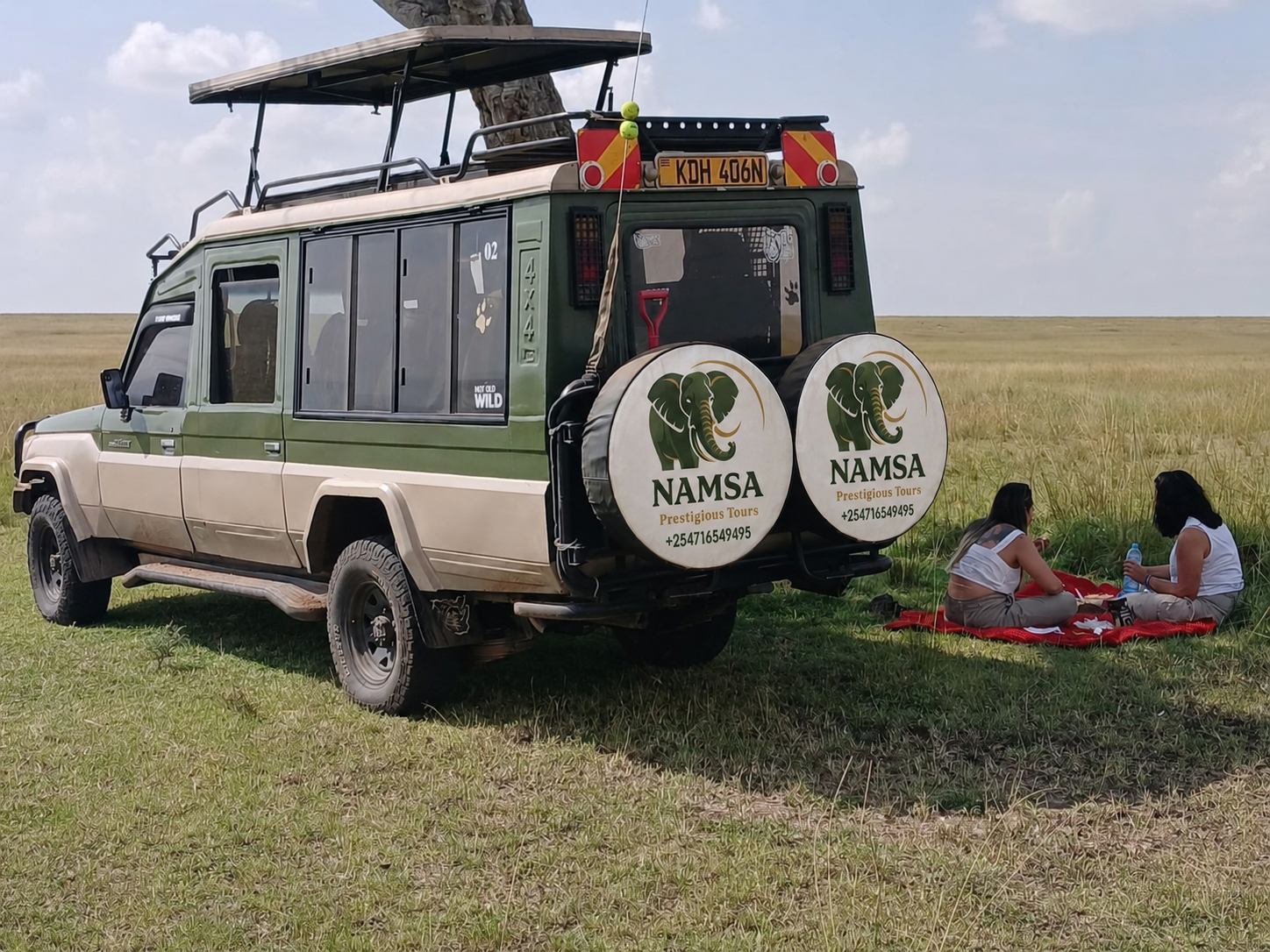
Plan your Maasai Mara safari with NAMSA Prestigious Tours, a local Kenya safari company offering private, group, budget, mid-range and luxury safari experiences..