
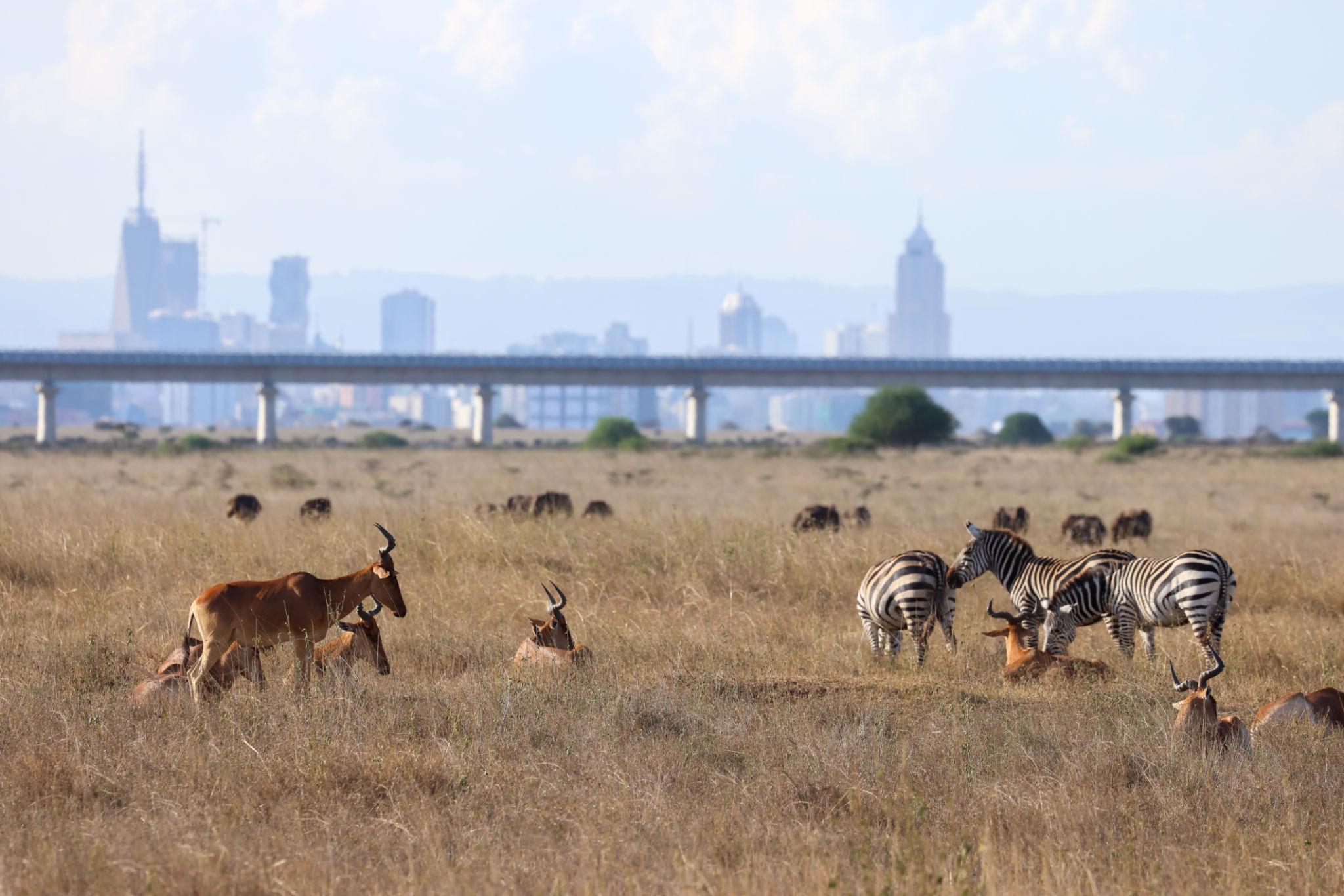
Best Kenya Safari Itinerary for First-Time Visitors
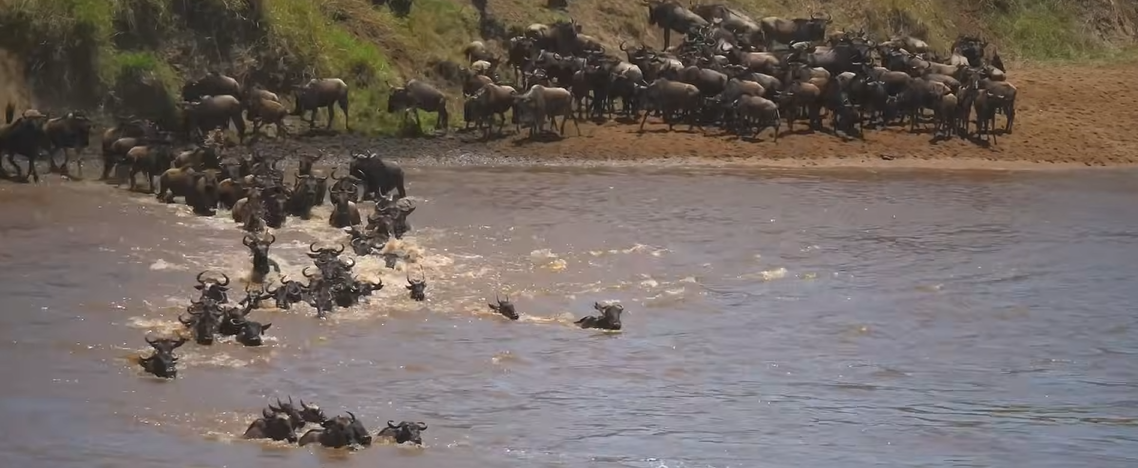
Your first safari in Kenya should not feel like a race from one national park to another.
It should give you time to watch an elephant family disappear slowly into the dust, listen to hippos calling across a lake, search for rhinos beneath acacia trees and experience that unforgettable moment when the grasslands of the Maasai Mara seem to stretch forever.
For most first-time travellers, one of the best Kenya safari itineraries is a 7-day journey through Amboseli National Park, Lake Naivasha, Lake Nakuru National Park and the Maasai Mara National Reserve.
This route combines elephants, mountains, lakes, rhinos, the Big Five and some of Africa’s finest savannah landscapes without trying to visit too many places at once.
If you are still deciding when to travel, start with our guide to the best time to visit Kenya for safari.
The Best 7-Day Kenya Safari Itinerary at a Glance
The journey follows a natural safari circuit from Nairobi:
Day 1: Nairobi to Amboseli National Park
Day 2: Full-day Amboseli safari
Day 3: Amboseli to Lake Naivasha
Day 4: Lake Naivasha to Lake Nakuru National Park
Day 5: Lake Nakuru to Maasai Mara National Reserve
Day 6: Full-day Maasai Mara safari
Day 7: Maasai Mara to Nairobi
If possible, arrive in Nairobi one day before the safari. Your first night can be used to rest after the international flight before beginning the journey.
Day 1: Nairobi to Amboseli National Park
Leave Nairobi after breakfast and travel south towards Amboseli National Park.
Then Africa begins to look exactly as many first-time travellers imagined it.
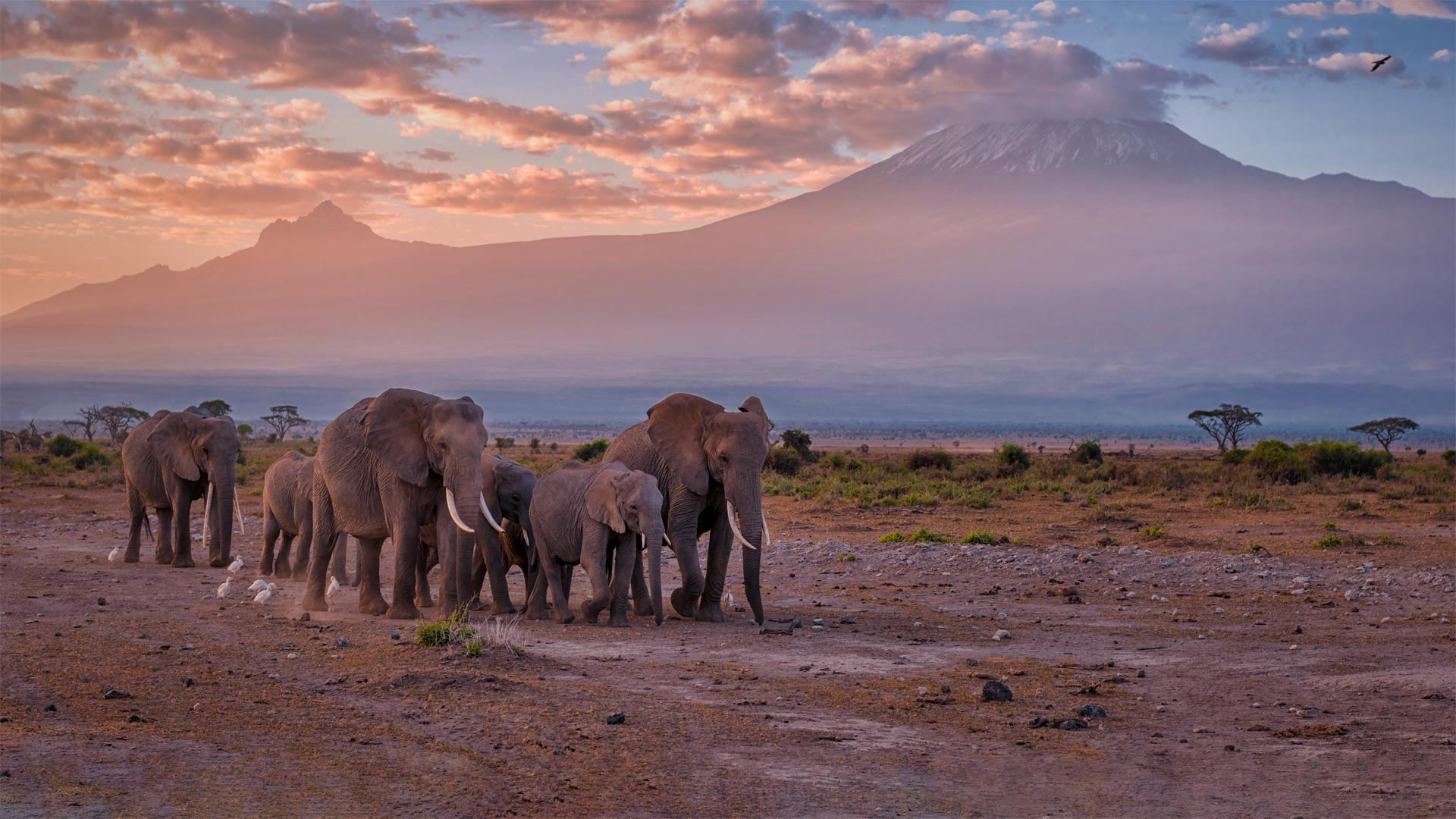
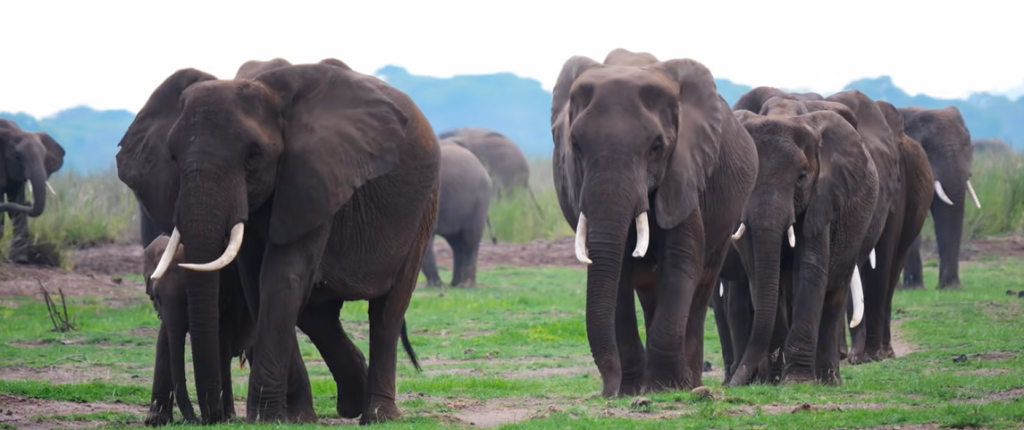
Across the plains, elephants move through open grasslands while Mount Kilimanjaro rises beyond the Kenyan border.
The Kenya Wildlife Service identifies Amboseli as one of Africa’s leading destinations for close encounters with large elephant herds. Its grasslands, woodlands, swamps and marshes also support rich wildlife and birdlife.
After lunch and check-in, enjoy your first afternoon game drive.
This first evening in the African wilderness is often when the excitement of a Kenya safari finally becomes real.
Day 2: Full-Day Safari in Amboseli
Wake before the day becomes warm.
Early mornings can bring beautiful views across the plains, particularly when Kilimanjaro is visible beyond the park.
Spend the day exploring Amboseli’s wetlands, open plains and acacia woodland while searching for elephants, buffaloes, giraffes, zebras, wildebeest, lions, cheetahs and other wildlife.
But do not make your first Kenya wildlife safari only about ticking animals off a list.
Sometimes the unforgettable moment is simply watching a young elephant trying to keep pace with its family.
Sometimes it is a giraffe standing alone beneath a huge African sky.
Safari rewards patience.
Day 3: Amboseli to Lake Naivasha
Today, the landscape begins to change.
Travel towards the Great Rift Valley and Lake Naivasha, where the pace of the safari becomes quieter.
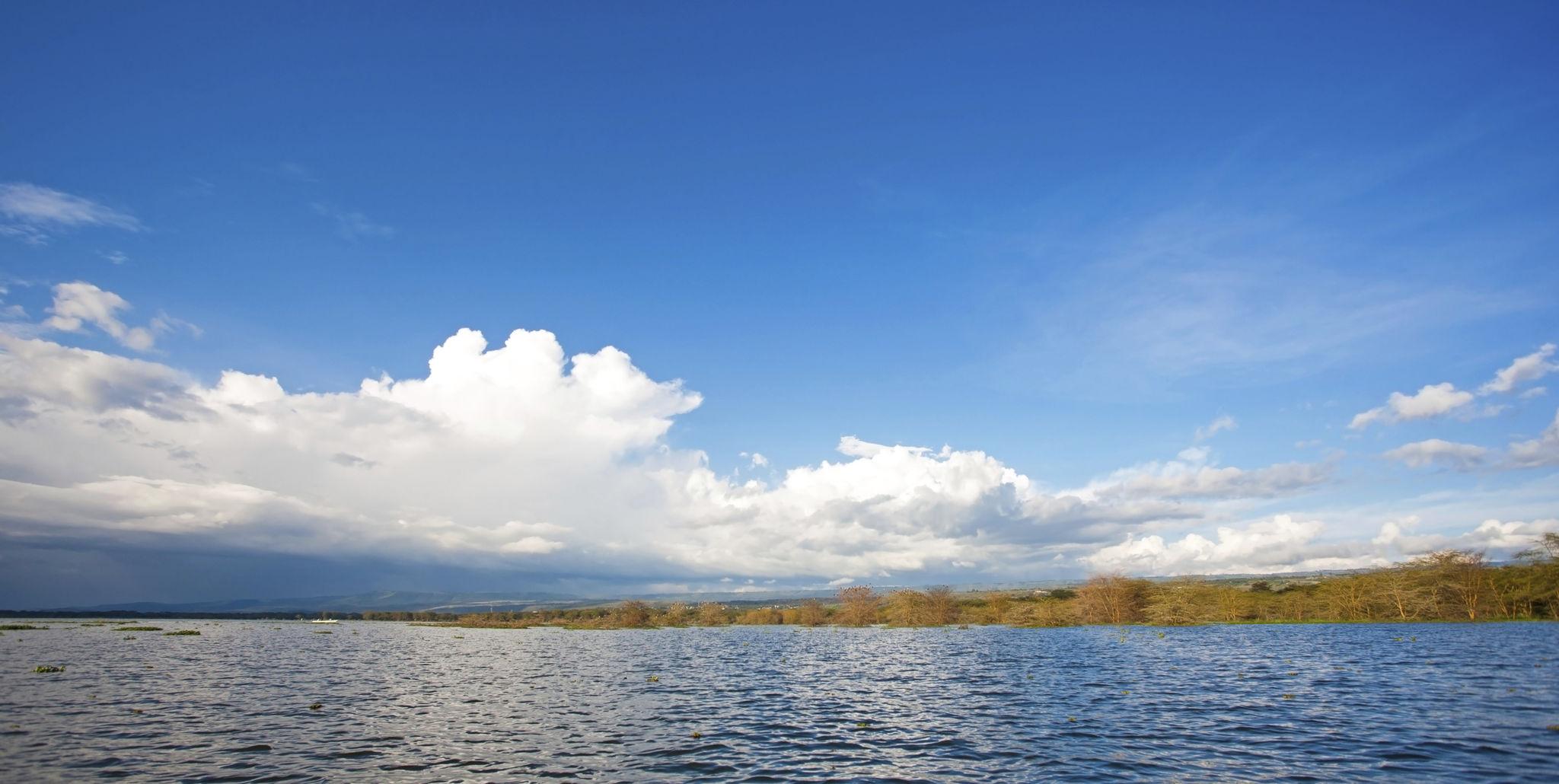
A Lake Naivasha boat safari offers a completely different experience from a game drive. Hippos may appear between the reeds while African fish eagles, pelicans, kingfishers and other waterbirds move around the lake.
Lake Naivasha is also recognised as a wetland of international importance under the Ramsar Convention.
If time allows, continue to Crescent Island for a guided nature walk among giraffes, zebras, gazelles and other plains animals.
After several hours inside a safari vehicle, walking quietly through this open landscape can feel wonderfully different.
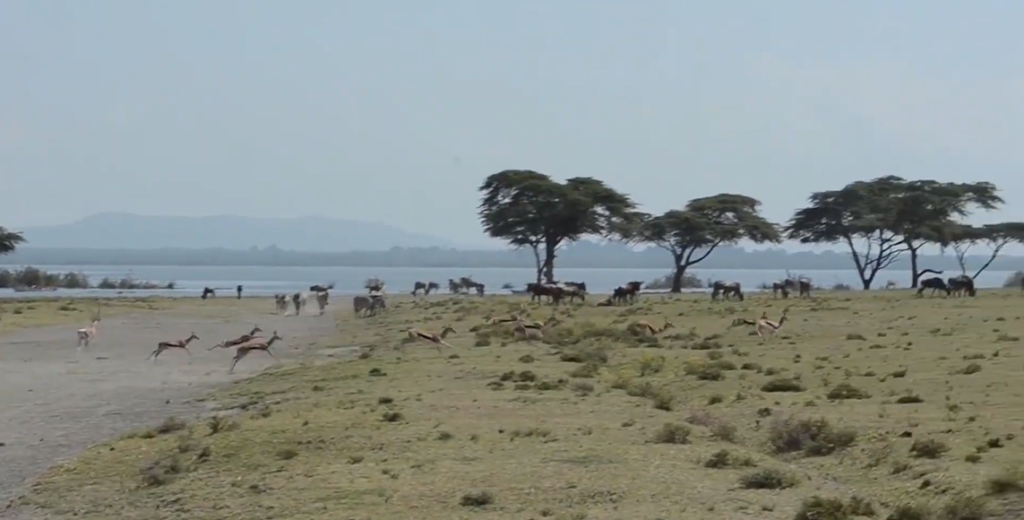
Day 4: Lake Naivasha to Lake Nakuru National Park
After breakfast, continue to Lake Nakuru National Park.
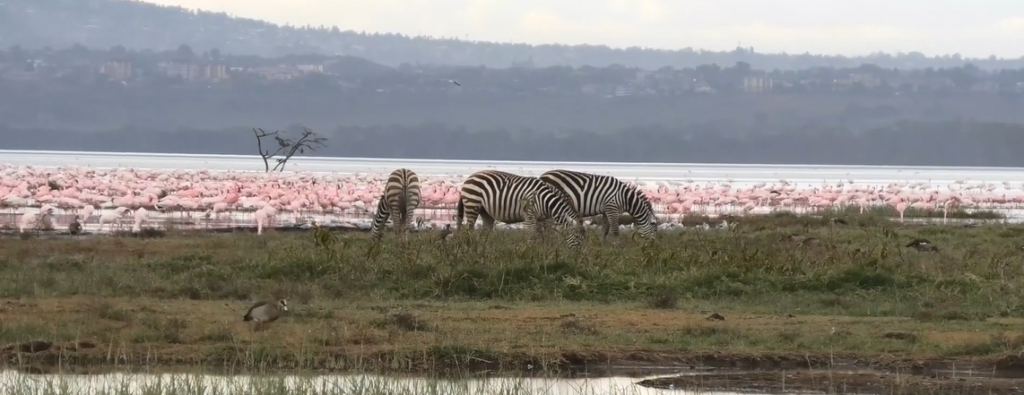
Lake Nakuru is particularly important for first-time visitors because it introduces another side of Kenya’s wildlife.
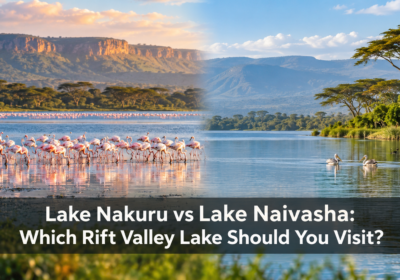
The Kenya Wildlife Service describes Lake Nakuru as an important sanctuary for both black and white rhinos. The park also supports lions, giraffes, buffaloes, baboons and extensive birdlife.
Lake Nakuru is additionally part of the Kenya Lake System in the Great Rift Valley, a UNESCO World Heritage Site recognised for its exceptional natural beauty and bird diversity.
Flamingo numbers naturally change according to lake and feeding conditions, so enormous flocks should never be promised.
Instead, enjoy Lake Nakuru for what it truly offers: beautiful Rift Valley scenery, varied habitats, birdlife and excellent opportunities to search for rhinos.
Day 5: Lake Nakuru to Maasai Mara National Reserve
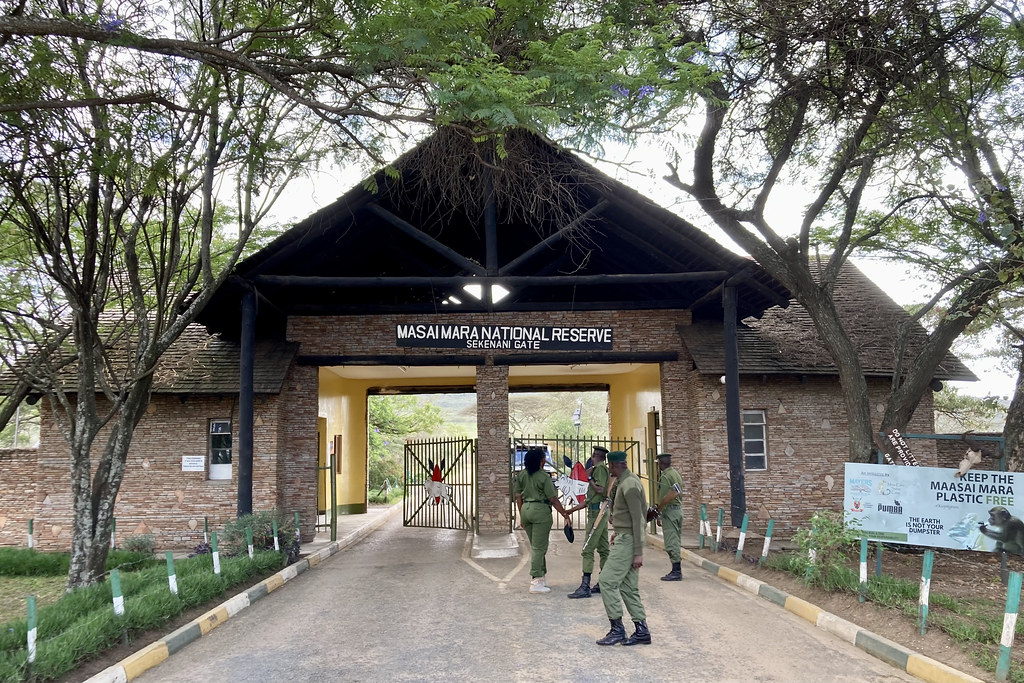
After breakfast, travel through Narok towards the legendary Maasai Mara National Reserve.
Then the landscape opens.
Grasslands stretch towards the horizon, acacia trees stand alone against the sky and wildlife can appear almost anywhere.
Kenya’s official tourism platform, Magical Kenya, identifies the Maasai Mara as home to the Big Five, which are lion, leopard, elephant, buffalo and rhino.
Rhinos are considerably harder to find than some of the other members of the Big Five, which means sightings should never be guaranteed. You can read our detailed guide on seeing the Big Five in the Maasai Mara.
Arrive at your camp or lodge, enjoy lunch where timing allows and begin your first Maasai Mara game drive in the afternoon.
Day 6: Full-Day Maasai Mara Safari
This is the day to give the Mara your time.
Leave early and explore deeper into the reserve.
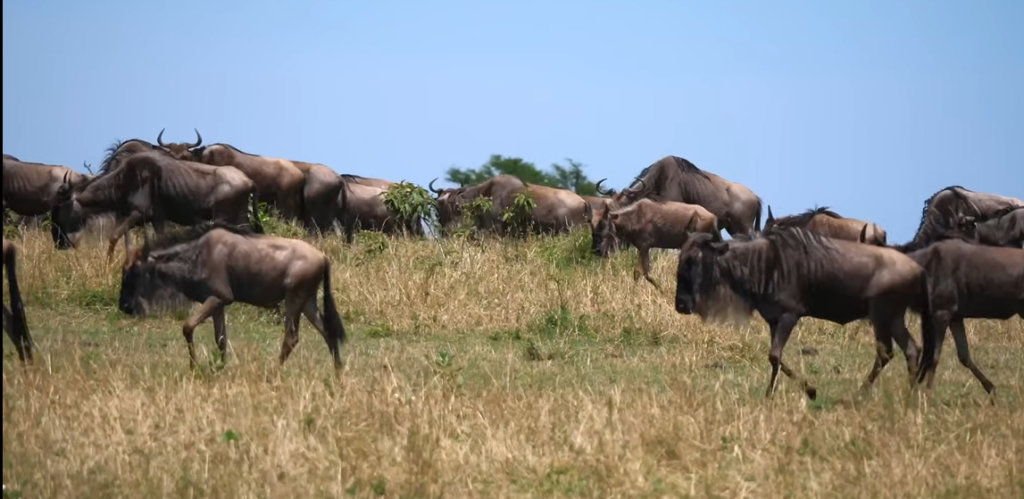
You may encounter lions resting after a night of hunting, elephants moving across the plains, giraffes feeding among acacia trees, cheetahs scanning the grasslands or large herds of wildebeest and zebra.
From approximately July to October, the Kenyan side of the ecosystem can experience the most dramatic stage of the Great Wildebeest Migration.
However, nature does not operate according to a safari timetable.
Rainfall, grass and water influence the movement of the herds, while Mara River crossings can happen suddenly or not happen at all during a particular game drive.
That is why travellers should never book a safari believing a river crossing is guaranteed. Read our guide explaining why the Great Migration cannot be guaranteed.
Even outside the migration months, the Maasai Mara remains an exceptional year-round wildlife destination.
Optional experiences may include a hot-air balloon safari or a respectfully organised Maasai cultural visit.
Day 7: Maasai Mara to Nairobi
Enjoy breakfast and, depending on your departure arrangements and park-entry conditions, one final look at the Mara before returning to Nairobi.
The drive back feels different.
Seven days earlier, giraffes, elephants and endless savannah were something you were travelling to see.
Now they are memories.
And this is perhaps the quiet magic of a first Kenya safari. You return home with photographs, but also with little moments that photographs cannot completely explain.
Why Is This One of the Best Kenya Safari Itineraries for First-Time Visitors?
The route works because each destination offers something different.
Amboseli brings elephants and Kilimanjaro.
Lake Naivasha brings water, birds, hippos and walking experiences.
Lake Nakuru introduces rhino conservation and Rift Valley scenery.
The Maasai Mara completes the journey with predators, the Big Five, open savannah and seasonal Great Migration possibilities.
It is also a practical circuit from Nairobi and provides considerably more variety than spending seven days moving between similar landscapes.
Travellers who want to see an existing version of this route can explore NAMSA’s 7 Days and 6 Nights Kenya Safari.
Is Seven Days Enough for a First Kenya Safari?
Yes. Seven days is an excellent starting point for a first Kenya safari.
However, there is an important trade-off.
A 7-day itinerary covering all four destinations normally provides only two nights in the Maasai Mara. This is enough for an introduction, but it is the practical minimum rather than the ideal stay.
If wildlife viewing is your main priority, consider extending the safari to eight days and adding another night in the Maasai Mara.
For most travellers, three to four nights gives the Mara more time to reveal itself. Read our guide on how many days you need in the Maasai Mara before finalising your itinerary.
Travellers with five or six days can still enjoy an excellent safari, but it is usually better to remove one destination rather than rush through all four.
What Is the Best Time for This Kenya Safari Itinerary?
This itinerary can be enjoyed throughout much of the year.
July to October is especially popular for dry-season wildlife viewing and the Great Migration season in the Maasai Mara.
January and February can also be excellent safari months, while the greener months bring beautiful landscapes, birdlife and fewer visitors in some areas.
Because weather and wildlife movement vary, read our complete best time to visit Kenya for safari guide before choosing your dates.
Travel Responsibly on Your Kenya Safari
A great safari should protect the wilderness that makes the journey possible.
Responsible guiding means respecting animals, maintaining appropriate viewing distances, following designated routes and avoiding unnecessary crowding.
The Mara Conservancy’s visitor rules specifically address vehicle behaviour and crowding around wildlife sightings.
Choose safari guides who respect these rules.
The best photograph is never worth disturbing an animal.
Planning Your First Safari to Kenya
Before travelling, consider your dates, accommodation level, transport, number of safari days and the wildlife experiences that matter most to you.
You may also find our complete Kenya safari planning guide for first-time visitors useful.
International visitors should also check current entry requirements before travelling. Our 2026 Kenya travel documents guide explains the main documents travellers should prepare.
Plan Your First Kenya Safari With NAMSA
The best Kenya safari itinerary is not necessarily the one with the greatest number of national parks.
It is the itinerary that gives you enough time to experience them.
Plan a safari with NAMSA Prestigious Tours and get to experience Kenya through a journey designed around your travel dates, budget, accommodation preference and wildlife interests.
Whether you choose a private 4×4 Kenya safari, family safari, honeymoon safari or small-group safari, your first journey through Kenya should leave you with more than beautiful photographs.
It should leave you wondering when you can return.
Comments (3)