Is Karen Blixen Museum Worth Visiting on a Kenya Safari?
Some places in Kenya announce themselves with roaring lions, trumpeting elephants and endless golden plains.
Karen Blixen Museum does the opposite.
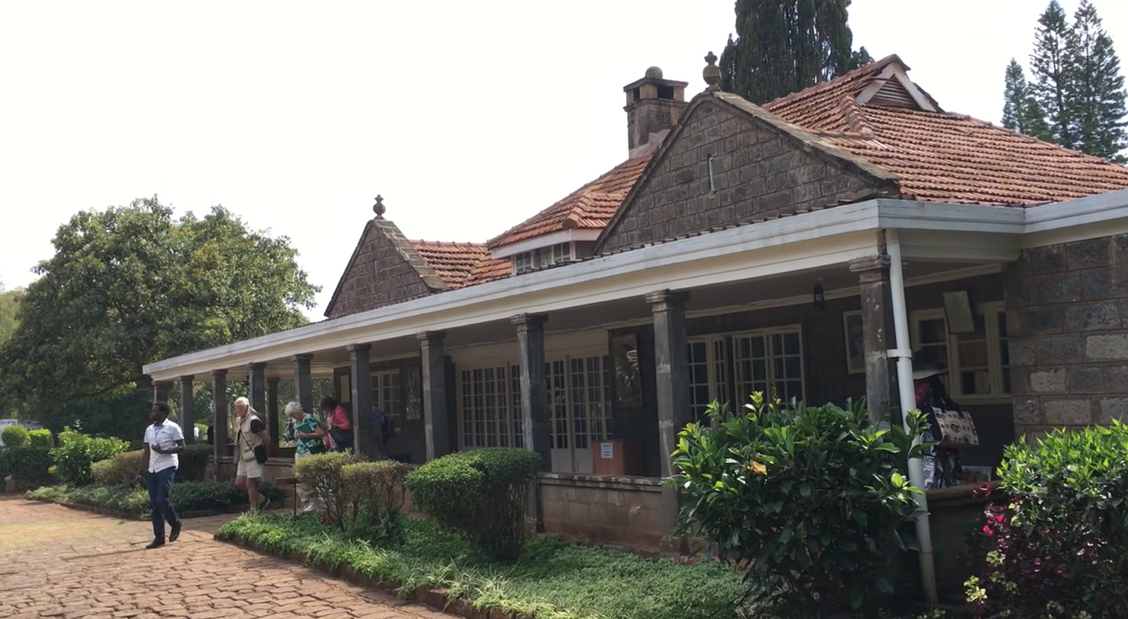
Hidden among mature trees in the quiet Nairobi suburb of Karen, the old farmhouse seems to ask visitors to slow down. The wooden rooms, gardens, old farm equipment and distant Ngong Hills tell a quieter story of literature, farming, colonial-era Kenya and the changing landscape around Nairobi.
So, is Karen Blixen Museum worth visiting on a Kenya safari itinerary?
For travellers interested in history, literature, gardens, photography and Kenya beyond wildlife, the answer is yes. It is particularly worthwhile before or after a Masai Mara safari, Amboseli National Park tour, Kenya savannah tour or longer East Africa safari.
The museum should not replace Kenya’s great wildlife destinations. Instead, it adds another layer to the journey.
Why Is Karen Blixen Museum Famous?
Karen Blixen Museum was once the home of Danish author Karen Blixen, who also wrote under the name Isak Dinesen. She became internationally known for Out of Africa, her memoir about her years in Kenya.
According to the official National Museums of Kenya Karen Blixen Museum page, the farmhouse was built in 1912 by Swedish engineer Åke Sjögren. Karen Blixen and Baron Bror von Blixen-Finecke acquired it in 1917 as part of their coffee farm. Blixen remained there until returning to Denmark in 1931.
The estate covered about 6,000 acres, with around 600 acres used for coffee farming. Today, Nairobi has expanded around the former agricultural landscape, but the house remains surrounded by gardens and trees.
Interest in the property grew again after the 1985 film adaptation of Out of Africa. The museum subsequently opened to the public and remains under the National Museums of Kenya.
There is also an excellent digital introduction to the story through Karen Blixen’s Kenya on Google Arts & Culture, created with the National Museums of Kenya.
What Will You See Inside Karen Blixen Museum?
The attraction is not simply an old house.
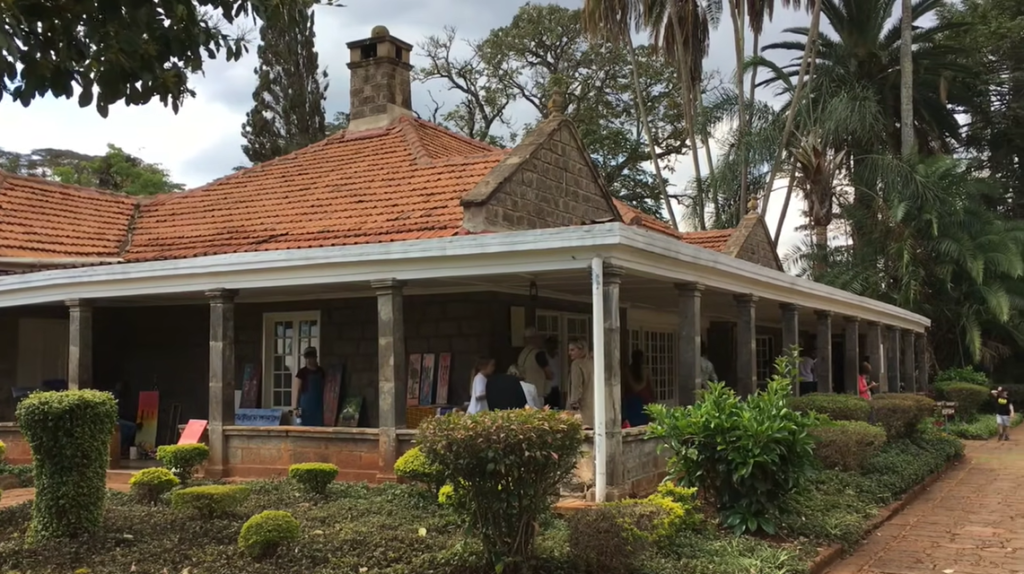
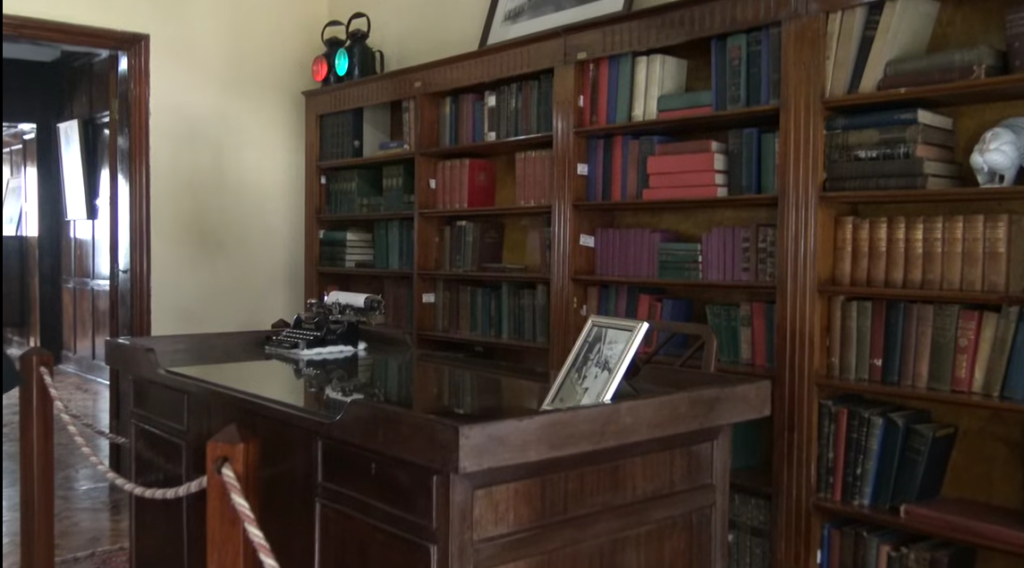
Visitors enter rooms containing period furniture, kitchenware, photographs and objects connected with Blixen’s life in Kenya. Outside, old agricultural machinery and coffee-farming equipment help explain how the estate operated during the early twentieth century.
Guided tours are an important part of the experience. Museum guides explain the history of the house, the coffee farm, Blixen’s writing and the wider setting in which she lived.
Then there are the gardens.
The museum stands against the landscape of the Ngong Hills, the scenery made famous through Out of Africa. Its indigenous trees and peaceful grounds create a completely different atmosphere from Nairobi’s busy roads.
The museum’s nature trail is particularly easy to overlook. National Museums of Kenya says the trail offers birdwatching opportunities, labelled trees and possible sightings of tree hyraxes.
For Kenya travellers interested in literature, history and photography, that combination makes the museum more rewarding than simply walking through a preserved house.
Is Karen Blixen Museum Worth Visiting Before a Safari?
Yes, especially for first-time visitors.
Many travellers arrive in Nairobi thinking immediately about lions, elephants and the road towards the Maasai Mara. A typical Kenya safari itinerary may include Amboseli, Lake Naivasha, Lake Nakuru and Maasai Mara before returning to Nairobi.
But Kenya is more than wildlife viewing.
Starting with a cultural attraction allows visitors to experience another part of the country’s history before entering the savannah.
Karen Blixen Museum therefore works particularly well on arrival day, during a free Nairobi day or before an evening departure.
Travellers planning their first safari can also explore NAMSA’s Best Kenya Safari Itinerary for First-Time Visitors, which explains how destinations such as Amboseli, Naivasha, Nakuru and Maasai Mara can be connected.
Karen Blixen Museum for Budget, Midrange and Luxury Safaris
One advantage of the museum is that it can fit almost every safari style.
For travellers taking a budget safari, Karen Blixen Museum provides an interesting cultural experience without requiring another full safari day. It can fit naturally into affordable Kenya safari packages beginning or ending in Nairobi.
NAMSA’s existing 6-Day, 5-Night Budget Kenya Safari already includes the possibility of visiting Karen Blixen Museum alongside other Nairobi attractions.
For a midrange safari, the museum can be combined with comfortable Nairobi accommodation, private airport transfers and other attractions around Karen.
For a luxury safari, it works particularly well as part of a private Nairobi day with a dedicated vehicle and guide before continuing to luxury Kenya safari lodges, tented camps or fly-in safari destinations.
The experience is also suitable for private Kenya safaris, family Kenya safaris, honeymoon itineraries and small group Kenya safaris because the pace is relaxed and educational.
Karen Blixen Museum Entrance Fees in 2026
Travellers should be careful when checking prices online because several older Kenya travel articles still display outdated museum fees.
The National Museums of Kenya introduced revised admission fees effective 7 May 2026.
Under the current official schedule, adult admission to Karen Blixen Museum is KSh 550 for Kenyan and East African citizens, USD 9 for residents and visitors from the rest of Africa, and USD 17 for foreign visitors from outside Africa.
For children, the corresponding rates are KSh 300, USD 6 and USD 8.
Travellers should confirm the latest price shortly before visiting because admission policies can change.
Check the official 2026 National Museums of Kenya admission fees
Karen Blixen Museum Opening Hours
Karen Blixen Museum is currently open throughout the year from 8:30 a.m. to 5:30 p.m., Monday to Sunday, including public holidays. Tickets can be arranged through the eCitizen system, and the museum states that cash payments are not accepted for normal admission.
Check Karen Blixen Museum visitor information before travelling
A visitor does not normally need an entire day for the museum. This makes it particularly useful when building a Nairobi stop into a larger Kenya safari itinerary.
What Can You Combine With Karen Blixen Museum?
One of the strongest reasons to visit the museum is its location.
Several important Nairobi attractions can be combined within the wider Karen and Lang’ata area.
The Giraffe Centre is another popular stop. Its official visitor information currently states that it opens daily from 9:00 a.m. to 5:00 p.m.
Travellers can also consider the Sheldrick Wildlife Trust Nairobi Nursery. Its public visiting hour currently runs from 11:00 a.m. to noon and requires advance booking, so it needs to be planned carefully rather than treated as a spontaneous stop.
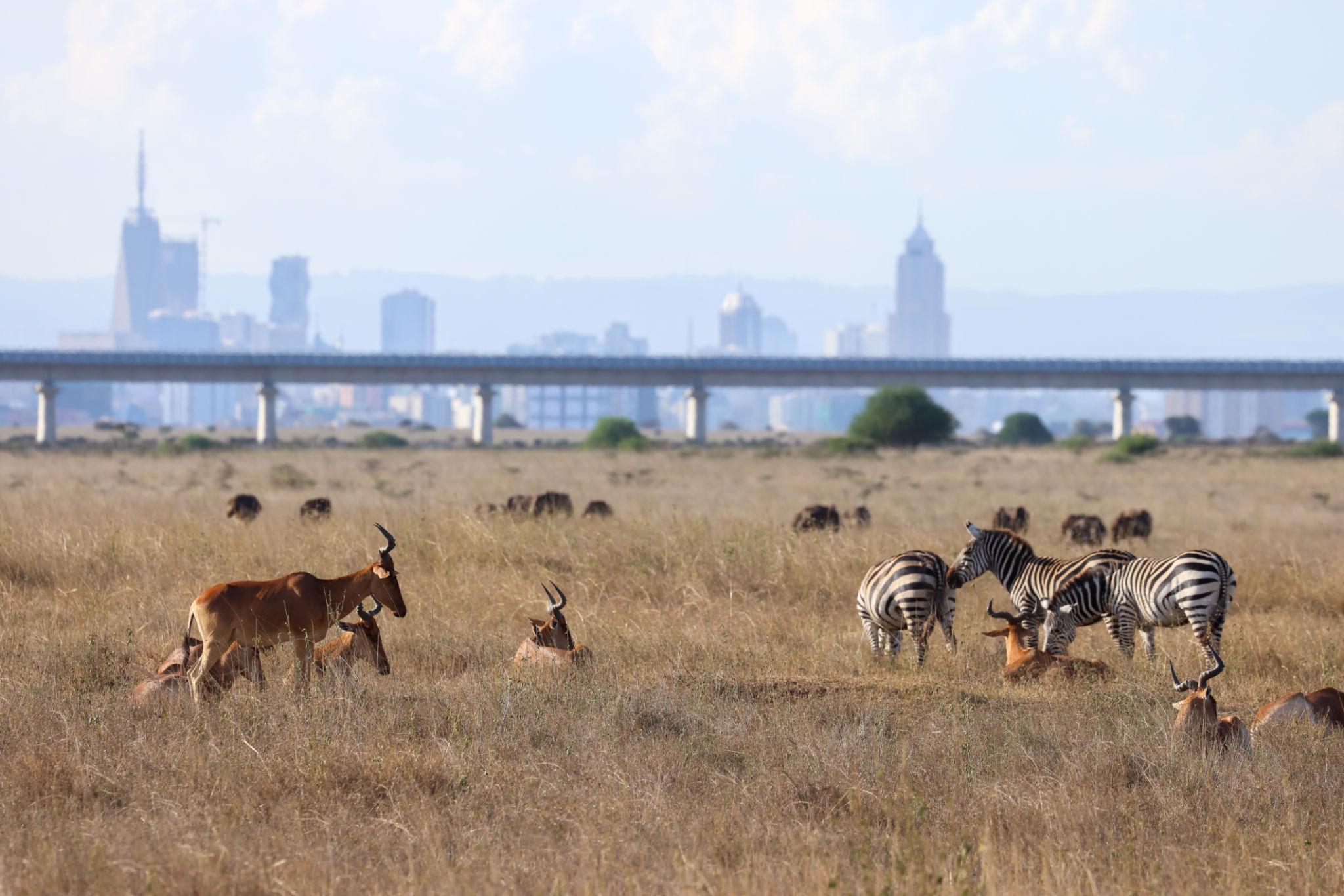
For travellers who want wildlife as well as culture, a morning game drive in Nairobi National Park can create an excellent contrast.
Kenya Wildlife Service describes Nairobi National Park as a 117-square-kilometre protected area with more than 100 animal species and over 400 recorded bird species. The park is also an important black-rhino sanctuary.
A well-organised Nairobi day can therefore move from wildlife in the early morning to cultural and conservation attractions later in the day.
Traffic in Nairobi can change journey times considerably, so the order of attractions matters.
Is Karen Blixen Museum Good for Families?
Yes, particularly for families with older children who enjoy stories, history and nature.
The visit is considerably calmer than a long game drive. Children can walk around the grounds, see historical objects and learn about coffee farming, literature and Nairobi’s past.
Families building a longer holiday can also read NAMSA’s Kenya Family Safari Guide for ideas on combining Nairobi, Amboseli, Naivasha, Nakuru and Maasai Mara.
Ready to Book Your Kenya Safari?
Chat with NAMSA Prestigious Tours on WhatsApp and get quick help with your Maasai Mara safari, Kenya safari package, honeymoon safari, family safari, or custom eco-safari itinerary.
Book Instantly on WhatsAppWho Might Not Enjoy Karen Blixen Museum?
Not every traveller needs to include it.
If there is only one free morning in Nairobi and wildlife is the absolute priority, Nairobi National Park may deserve that time instead.
Likewise, travellers who are not interested in literature, historical houses or colonial-era history may prefer a conservation experience such as Giraffe Centre or Sheldrick Wildlife Trust.
This is why the best Kenya safari itinerary should reflect the traveller rather than simply include every famous attraction.
A good local Kenya safari operator should ask what interests the visitor before adding activities.
A More Thoughtful Way to Understand the Museum
Karen Blixen Museum is often presented through the romance of Out of Africa, but visitors should remember that the house also belongs to the complicated history of colonial Kenya.
The most meaningful visit therefore goes beyond film nostalgia.
It offers an opportunity to consider literature, European settlement, coffee farming, land, local communities and the transformation of Nairobi over the last century.
Seeing the museum within this wider historical context produces a richer cultural experience.
This is also why Kenya cultural tours can complement Kenya wildlife safaris so effectively. Wildlife tells one part of Kenya’s story. History, communities, food, agriculture, art and literature tell many others.
How Karen Blixen Museum Fits Into a Longer Kenya Safari
After the quiet rooms and gardens of Karen, the journey can change completely.
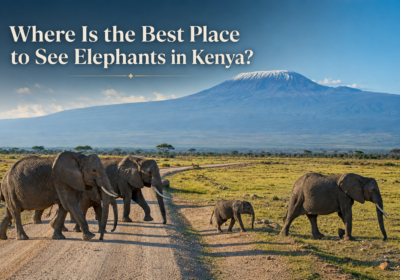
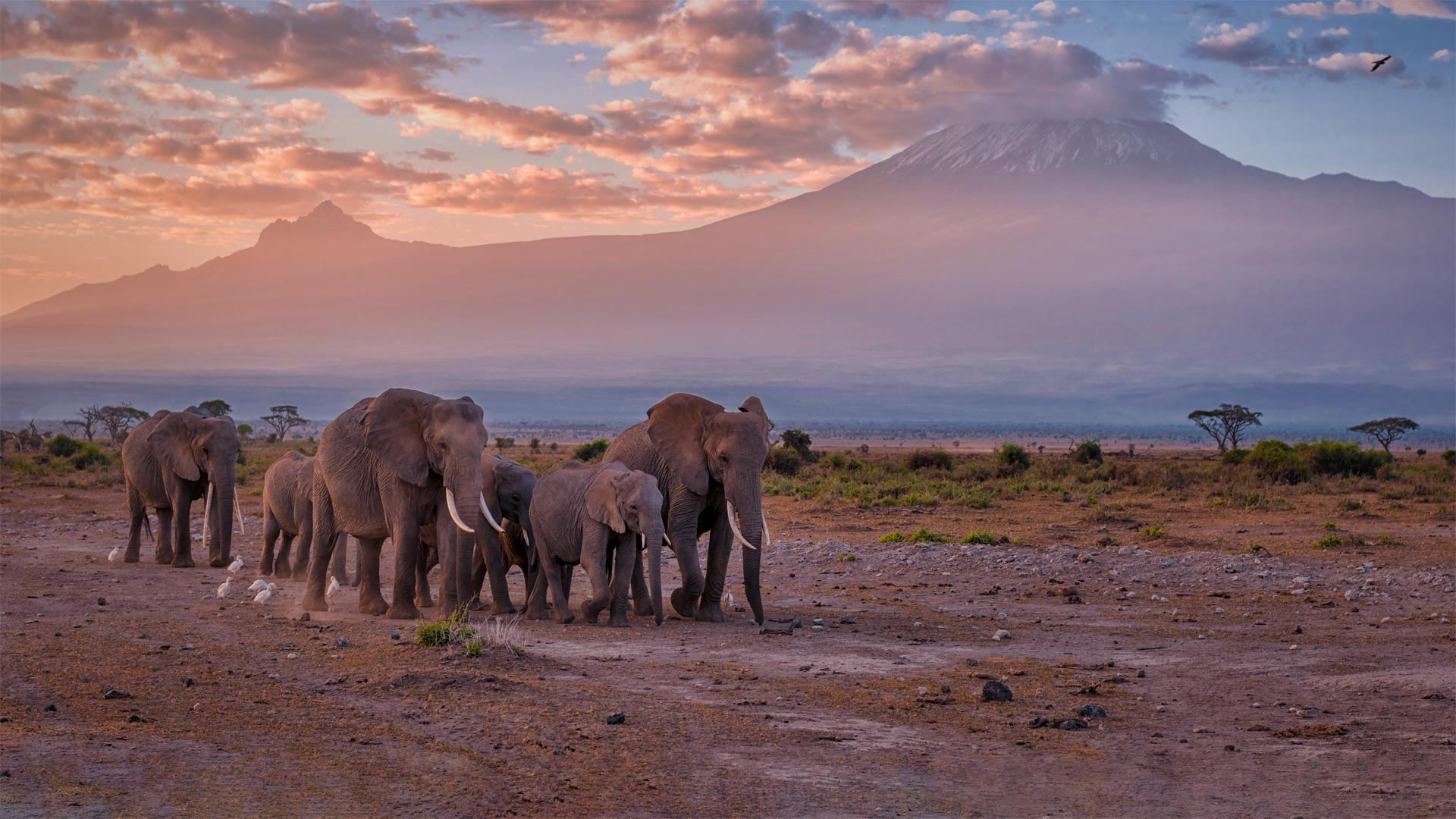
A few days later, the traveller might be watching elephants beneath Kilimanjaro during an Amboseli National Park tour.
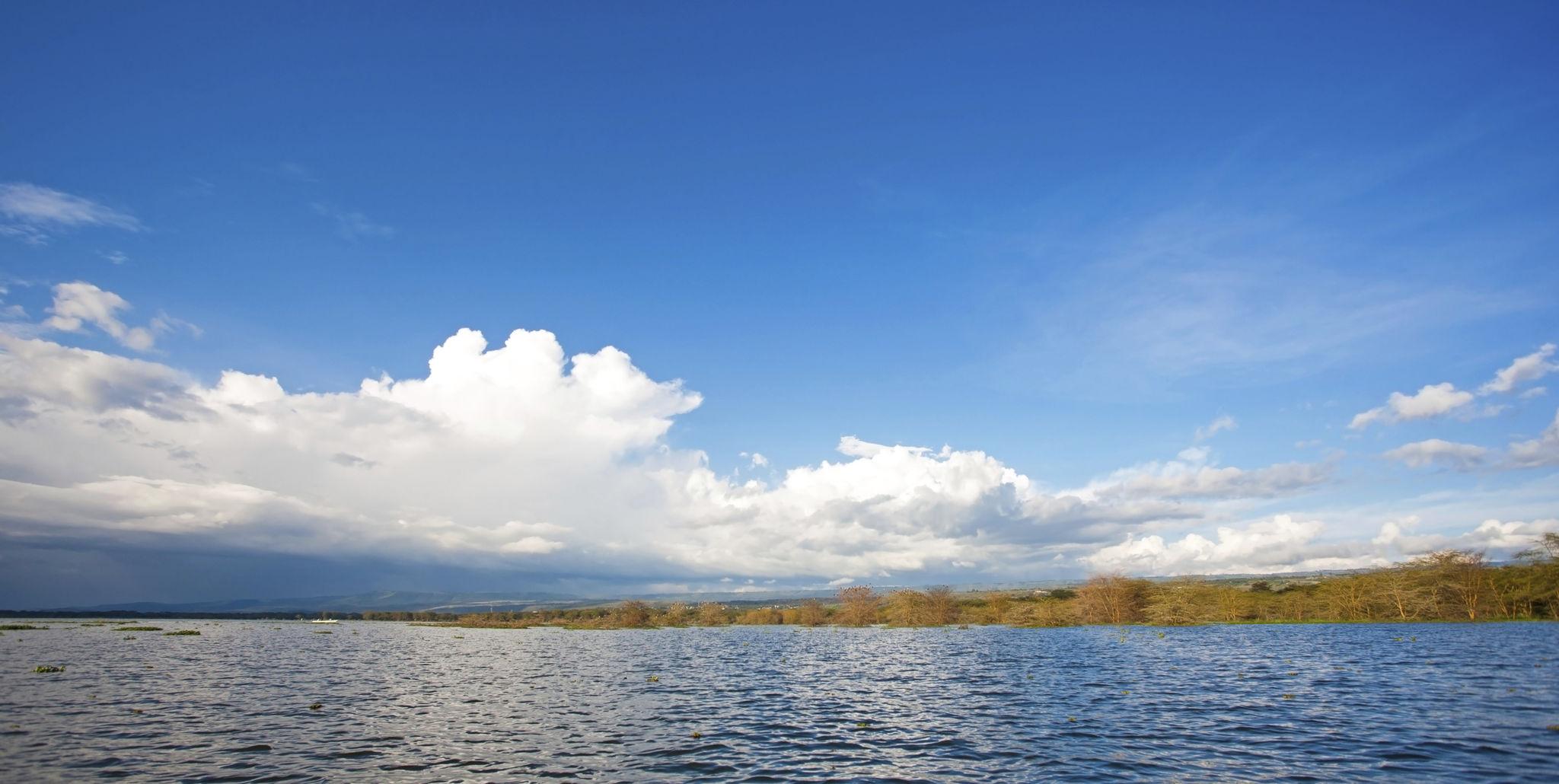
The next stop might be a Lake Naivasha boat ride, followed by rhino viewing at Lake Nakuru.
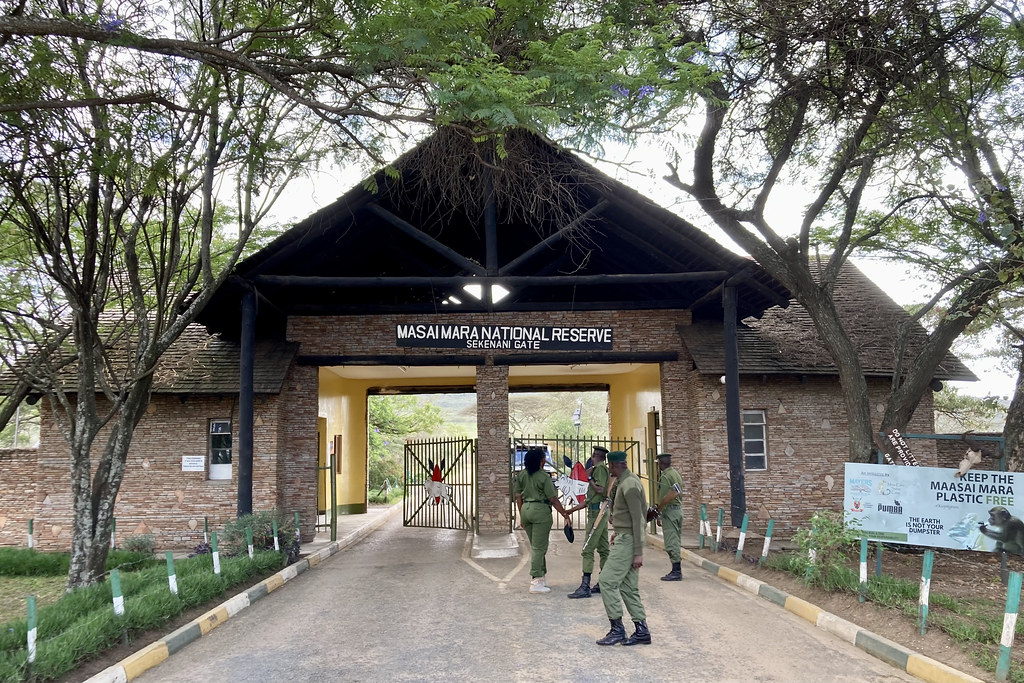
Then the road may continue towards a Masai Mara safari, where lions, cheetahs, elephants and vast grasslands replace Nairobi’s gardens.
During the migration season, some travellers build their journey around a Great Migration Kenya safari, while others add a hot air balloon safari in Kenya, beach extension, cultural experience or photography safari.
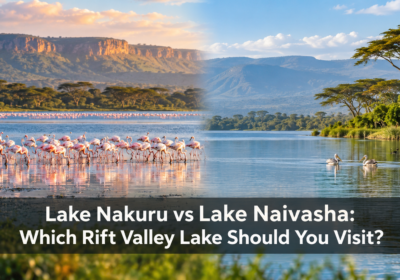
If deciding between Rift Valley destinations, NAMSA’s Lake Nakuru vs Lake Naivasha guide explains the differences between the two experiences.
Travellers deciding when to travel can also consult the Best Time to Visit Kenya for Safari guide.
What Does a Kenya Safari Cost After Nairobi?
Safari costs in Kenya vary considerably.
Budget safaris, mid-range safaris and luxury safaris differ according to accommodation, season, park fees, vehicle type, group size, domestic flights and optional activities.
Before booking a Kenya safari, travellers should therefore compare what is actually included rather than choosing a safari company only because it advertises the lowest headline price.
NAMSA’s updated Kenya Safari Cost 2026 guide provides a more detailed explanation of budget, midrange and luxury Kenya safari pricing.
When comparing safari companies in Kenya, travellers should also examine licensing, safari vehicle types, accommodation standards, Kenya tour reviews, cancellation conditions, park-fee inclusions and whether the itinerary is private or shared.
The best Kenya tour operators should explain these details clearly before payment.
Planning Beyond the Museum
Planning a safari to Kenya involves more than choosing parks.
Travellers should also check current Kenya entry requirements, suitable travel insurance, health advice, luggage restrictions, safari packing requirements and airport-transfer arrangements before departure.
Accommodation may range from budget camps to midrange lodges, premium tented camps and luxury Kenya safari properties. The right choice depends on comfort expectations and the overall safari budget.
Some travellers prefer private Kenya safaris with a dedicated guide and vehicle. Others choose group Kenya safaris to reduce costs. Families may need slower itineraries, while photographers may want longer game drives and fewer destination changes.
This is where custom Kenya safari itineraries can be more useful than trying to force every traveller into the same package.
Responsible Safari Travel After Nairobi
The journey from Nairobi into Kenya’s national parks should also be responsible.
Inside Nairobi National Park, for example, Kenya Wildlife Service instructs visitors to remain on established roads, avoid feeding wildlife, observe appropriate viewing distances and respect animals’ right of way.
The same principle should follow travellers into Amboseli, Tsavo, Lake Nakuru, Maasai Mara and other Kenya safari destinations.
Wildlife viewing should never become a competition to get closest to an animal.
Sustainable safari travel means allowing wildlife to behave naturally, respecting local communities and following park regulations even when doing so means missing a photograph.
Final Answer: Is Karen Blixen Museum Worth Visiting?
So, is Karen Blixen Museum worth visiting on a Kenya safari itinerary?
Yes, particularly for travellers who want to understand Kenya beyond the game-drive vehicle.
There are no roaring lions in its rooms.
There are no elephants crossing the garden.
Instead, there is an old farmhouse, a coffee-farming story, literature, birds among the trees and the Ngong Hills resting quietly in the distance.
That difference is exactly what makes it valuable.
A Kenya safari does not need to begin with the first lion sighting.
Sometimes it begins quietly, inside an old house in Karen, before the road finally opens towards the African savannah.
Plan Your Kenya Safari With NAMSA Prestigious Tours
NAMSA Prestigious Tours designs customised Kenya safari tours for travellers looking for budget safari, midrange safari and luxury safari experiences.
Safari options can include Nairobi, Amboseli, Lake Naivasha, Lake Nakuru, Maasai Mara, Samburu, Tsavo, Laikipia, cultural experiences and Kenya beach holidays.
Whether you are planning a private Kenya safari, family safari, honeymoon, group safari, wildlife photography journey or longer East Africa safari tour, the itinerary can be designed around your travel dates, interests and budget.
Explore NAMSA Prestigious Tours and Kenya safari packages
Email: booking@namsaprestigioustours.com
WhatsApp: +254 716 549 495
Related Articles