What Is Lake Nakuru Famous For? Flamingos, Rhinos and the Wild Heart of Kenya’s Rift Valley

There is a moment on the journey into Kenya’s Great Rift Valley when the landscape suddenly opens.
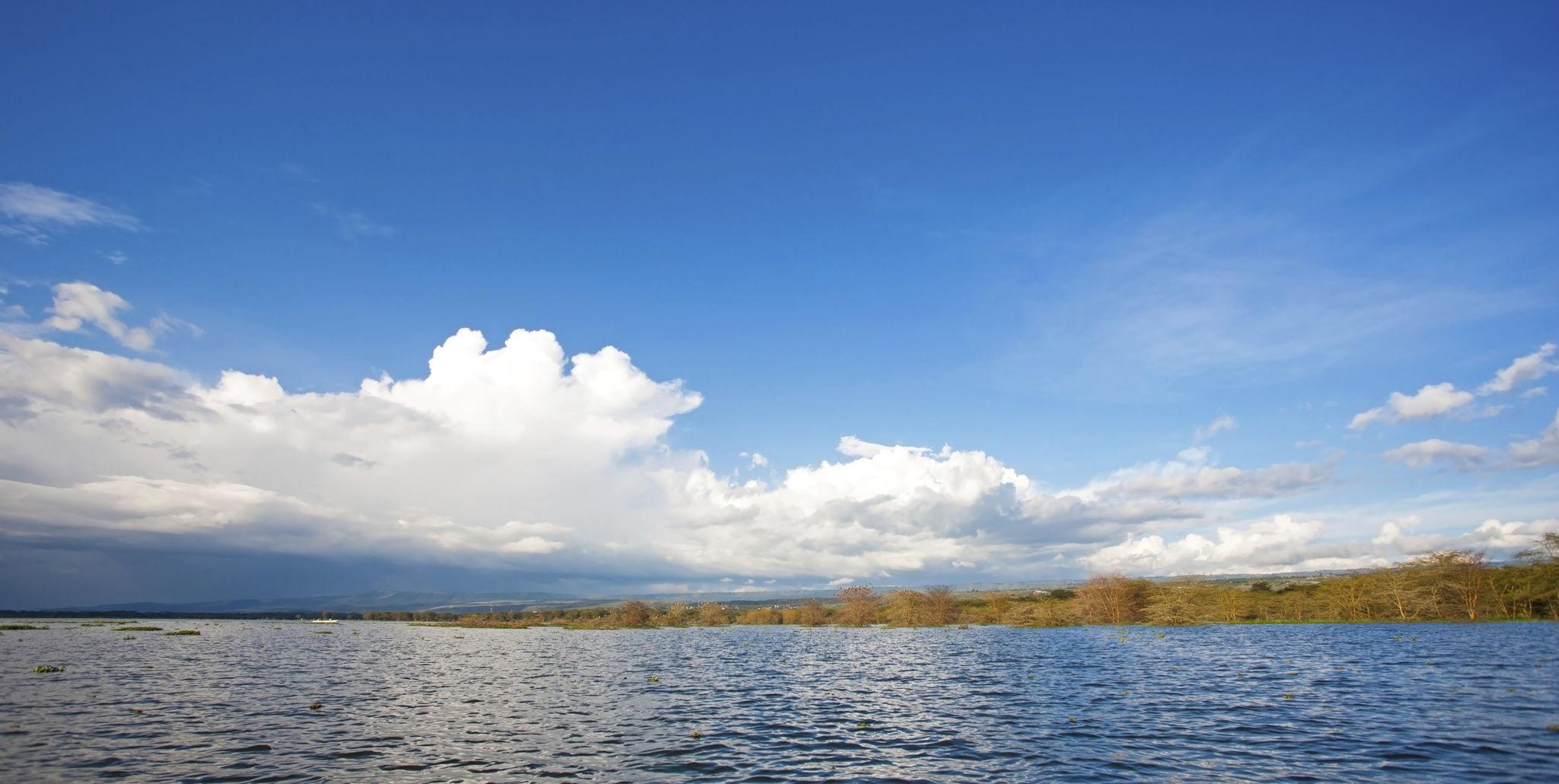
The escarpment falls away, the horizon stretches into the distance, and somewhere between the hills and open plains, the waters of Lake Nakuru appear.
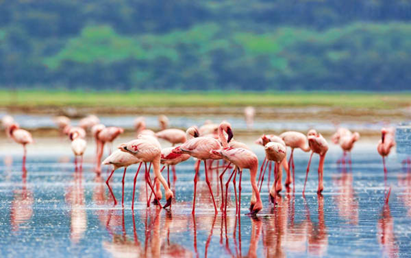
For generations of Kenya travellers, Lake Nakuru has been associated with one unforgettable image: flamingos colouring the shoreline pink.
But the Lake Nakuru safari experience has changed.
Today, travellers should come not only for flamingos, but also for black and white rhinos, Rothschild’s giraffes, buffaloes, lions, leopards, spectacular birdlife, acacia woodland, dramatic Rift Valley viewpoints and one of Kenya’s most important wildlife conservation landscapes.
So, what is Lake Nakuru famous for on a Kenya wildlife safari?
Lake Nakuru National Park is famous for its rhino sanctuary, approximately 450 recorded bird species, flamingos, Rothschild’s giraffes, scenic viewpoints, Makalia Waterfalls and its position within the UNESCO-listed Kenya Lake System in the Great Rift Valley.
The official Kenya Wildlife Service Lake Nakuru National Park guide describes the park as an ornithological paradise and a flagship sanctuary for endangered black and white rhinos.
The park covers about 188 square kilometres, but within this relatively compact area are grasslands, acacia woodland, rocky escarpments, hills, wetlands and the lake itself.
This diversity is what makes Lake Nakuru one of the most rewarding Kenya safari destinations to include in a wider Kenya safari itinerary.
You might arrive hoping to see flamingos.
You may leave remembering the rhino that crossed quietly through the grass, a giraffe appearing between yellow-barked acacia trees, a fish eagle calling above the lake, or the enormous Rift Valley landscape seen from Baboon Cliff.

Lake Nakuru’s Flamingos: The Famous Pink Story Has Changed
For decades, the words Lake Nakuru immediately brought one colour to mind.
Pink.
Historic photographs showed enormous concentrations of lesser flamingos feeding around the shallow alkaline shoreline. At certain times, the gathering was so large that the lake appeared to have a continuous pink border.
Those images helped make Lake Nakuru internationally famous.
However, anyone planning a safari to Kenya today deserves a more accurate explanation.
Flamingos are still part of the Lake Nakuru story, but their numbers are highly variable and the enormous concentrations seen in historic photographs should not be promised.
A major Kenya Wildlife Service update published in 2026 explains how dramatically the situation has changed. According to KWS, a January 2006 survey counted 1,347,063 lesser flamingos at Lake Nakuru, while the January 2025 count was approximately 500. Rising lake levels have diluted the salinity and alkalinity required by Arthrospira fusiformis, the food source commonly associated with lesser flamingos. As feeding conditions change, the birds move between Rift Valley lakes. Read the Kenya Wildlife Service flamingo update
Scientific research supports this ecological explanation.
Research reported by Nature Africa found that rising water levels across East African soda lakes are reducing phytoplankton availability. Particularly significant losses were recorded at equatorial lakes including Nakuru, Bogoria and Elementaita. Read the Nature Africa research summary on flamingo food decline
This means that flamingos do not follow a tourism calendar.
They follow food.
A traveller might encounter flamingos at Lake Nakuru, but another visit may reveal far fewer birds.
That uncertainty is part of authentic wildlife viewing in Kenya. Nature does not arrange itself according to the itinerary.
For Kenya safari experts and responsible local Kenya safari operators, the correct approach is therefore to explain current conditions rather than promise thousands or millions of flamingos.
Lake Nakuru remains worth visiting even when the shoreline is not pink.

Lake Nakuru Is One of Kenya’s Most Important Rhino Destinations
Then comes the animal that has become one of the strongest reasons to visit Lake Nakuru today.
The rhinoceros.
A grey shape moves beyond the grass.
A horn becomes visible.
Then another.
Suddenly, one of Africa’s most extraordinary mammals is standing only a short distance from the safari track.
Lake Nakuru National Park is one of the most important rhino conservation areas included in Kenya wildlife safaris.
According to Kenya Wildlife Service, Lake Nakuru became Kenya’s first government-managed rhino sanctuary in 1987. The park now protects both black and white rhinos and supports one of the country’s important black rhino populations. Explore the official KWS Lake Nakuru conservation information
This makes Nakuru especially attractive for photographers, conservation-minded travellers, families and first-time visitors.
A Masai Mara safari may offer extraordinary predator encounters.
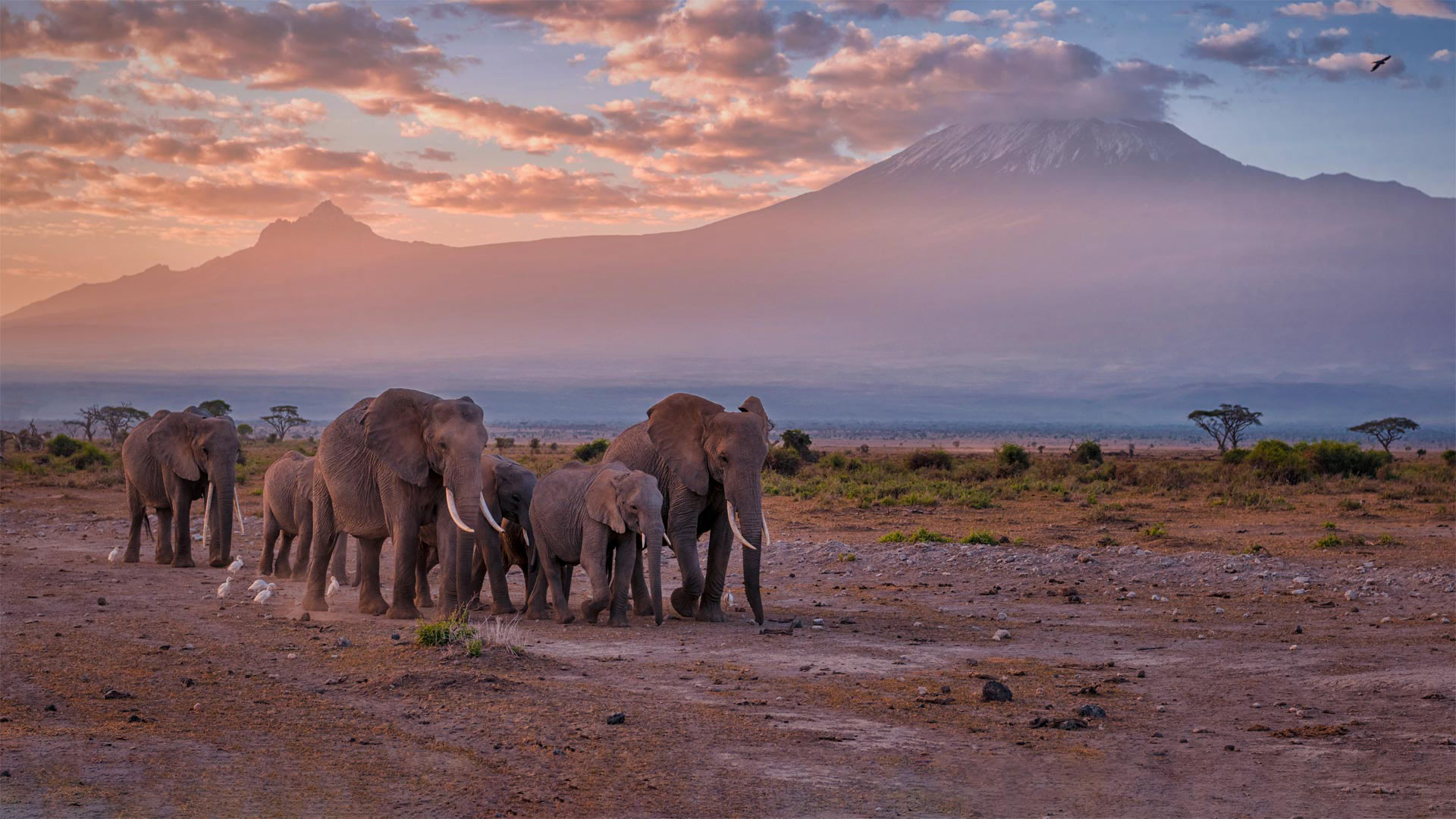
Amboseli National Park tours are famous for elephants beneath Mount Kilimanjaro.
Tsavo safaris offer enormous landscapes and wilderness.
Lake Nakuru adds something different: the possibility of watching rhinos against grassland, woodland and lake scenery within a relatively compact national park.
For travellers comparing Kenya safari packages, this is one reason Nakuru deserves a place in the itinerary.

Around 450 Bird Species Make Lake Nakuru a Birdwatching Paradise
Flamingos may receive much of the attention, but they are only one part of Lake Nakuru’s extraordinary birdlife.
Kenya Wildlife Service records approximately 450 bird species within Lake Nakuru National Park.
Pelicans gather near the water.
African fish eagles watch from trees.
Herons and egrets patrol the shallows.
Secretary birds, grebes, storks and numerous terrestrial and migratory species add colour and movement throughout the park.
For birdwatchers, a Lake Nakuru game drive becomes a completely different safari experience.
The vehicle slows.
The binoculars come out.
Small movements begin to matter.
This combination of birdlife and large mammals makes Lake Nakuru particularly suitable for travellers who want more than a traditional Big Five safari.
It also makes the park valuable for wildlife photography, educational tours and specialised Kenya wildlife safaris.
Lake Nakuru Is Part of a UNESCO World Heritage Site
Lake Nakuru also has international importance far beyond tourism.
Together with Lake Bogoria and Lake Elementaita, Lake Nakuru forms the Kenya Lake System in the Great Rift Valley, which UNESCO inscribed on the World Heritage List in 2011.
The entire World Heritage property covers 32,034 hectares.
UNESCO describes the interconnected lake system as an area with some of the world’s greatest bird diversity. It supports 13 globally threatened bird species, provides globally important feeding habitat for lesser flamingos and is an important breeding area for great white pelicans. Explore the UNESCO Kenya Lake System in the Great Rift Valley
This gives Lake Nakuru a significance that extends beyond a normal Kenya savannah tour.
The landscape tells a much larger story involving geology, changing water systems, bird migration, conservation and the ecological forces that continue shaping the Great Rift Valley.
For responsible Kenya adventure travel, understanding this larger ecosystem makes the safari more meaningful.
Rothschild’s Giraffes, Buffaloes, Lions and Leopards
Lake Nakuru is not only about birds and rhinos.
A giraffe may appear between the acacia trees, raise its head above the woodland and disappear again almost silently.
The park is well known for Rothschild’s giraffes, which were introduced as part of conservation efforts.
Buffaloes are also an important part of wildlife viewing in Lake Nakuru, sometimes appearing in impressive numbers.
Zebras, waterbucks, impalas, warthogs, baboons and other mammals add variety to game drives.
Predators are present too.
Kenya Wildlife Service identifies lions and leopards among the park’s carnivores, although leopards are naturally much more difficult to find.
This makes every game drive unpredictable.
One moment may be spent photographing a giraffe.
A few minutes later, the vehicle may stop for a buffalo herd.
Then a radio message may send guides quietly searching the woodland for a lion.
This unpredictability is part of what makes Kenya safari experiences memorable.
Can You See the Big Five at Lake Nakuru?
Lake Nakuru should not be promoted as a complete Big Five destination.
Travellers can potentially encounter rhino, buffalo, lion and leopard, but Lake Nakuru is not an elephant-viewing destination.
Anyone hoping to build a broader Big Five Kenya safari itinerary can therefore combine Lake Nakuru with destinations such as Amboseli, Tsavo or the Masai Mara.
That combination is one of the strengths of Kenya safari tours.
Every ecosystem contributes something different.
Amboseli gives travellers some of Kenya’s most celebrated elephant landscapes.
The Masai Mara is famous for big cats, open savannah and the Great Migration Kenya safari experience in season.
Lake Naivasha offers hippos, birdlife and boat experiences.
Lake Nakuru contributes rhinos, birds, Rift Valley scenery and conservation history.
Instead of repeating the same experience in every park, a good Kenya safari itinerary allows each destination to tell a different part of Kenya’s wildlife story.
Baboon Cliff, Lion Hill and Out of Africa Hill
Not every memorable safari moment involves an animal.
Sometimes the driver-guide stops the vehicle, the engine becomes quiet and the landscape becomes the experience.
Kenya Wildlife Service highlights several viewpoints around Lake Nakuru, including Baboon Cliff, Lion Hill and Out of Africa Hill.
Baboon Cliff is particularly rewarding because it allows visitors to look across the lake and understand the wider geography of the park.
The lake stretches below.
Woodland surrounds its margins.
The Rift Valley rises beyond it.
For travellers taking private Kenya safaris or photography-focused Kenya safari tours, viewpoints provide an opportunity to move beyond close wildlife portraits and photograph the wider African landscape.
Early morning can bring soft light across the lake, while later afternoon can create warmer tones across the escarpment.
A Kenya safari is sometimes about seeing an animal.
At other times, it is simply about knowing when to stop.
Makalia Waterfalls: Another Side of Lake Nakuru National Park
Lake Nakuru National Park contains more geographical variety than many first-time visitors expect.
Makalia Waterfalls provides a very different landscape from the open shoreline.
Kenya Wildlife Service identifies the waterfalls as one of the park’s recognised attractions and also lists the area as a picnic and camping location. See the official Lake Nakuru National Park attractions
After several hours of scanning grassland and woodland for wildlife, the combination of rock, flowing water and vegetation changes the atmosphere completely.
This variety helps explain why Lake Nakuru works well for photographers, families and Kenya travellers who want a safari destination that offers more than one type of scenery.
How Far Is Lake Nakuru From Nairobi?
Lake Nakuru National Park lies approximately 156 kilometres northwest of Nairobi on the A104.
Kenya Wildlife Service lists three main access points: Lanet Gate, Nderit Gate and the Main Gate near Nakuru City. KWS specifically recommends that visitors arriving from Nairobi consider Lanet Gate to avoid traffic through central Nakuru.
The national park gates normally open at 6:00 AM and close at 6:00 PM for day visitors.
This makes Nakuru suitable for both longer Kenya safari packages and a long day excursion from Nairobi.
NAMSA offers a dedicated Lake Nakuru National Park Day Trip Safari for travellers with limited time.
However, an overnight stay can provide a more relaxed experience and makes it easier to enjoy early morning wildlife viewing.
Current Lake Nakuru National Park Fees
Safari costs in Kenya depend on more than accommodation and transport.
Park conservation fees can form an important part of the final Kenya safari cost.
At the time of this 2026 update, Kenya Wildlife Service lists Lake Nakuru National Park entry at USD 90 per non-resident adult and USD 45 per non-resident child.
Different rates apply to Kenya residents, East African citizens and citizens of other African countries. Because park fees can change, travellers should always verify the current amount directly through Kenya Wildlife Service before travel. Check current Lake Nakuru park fees with Kenya Wildlife Service
For a wider explanation of transport, park fees, accommodation and different safari styles, read NAMSA’s Kenya Safari Cost 2026: Budget to Luxury Price Guide.
Ready to Book Your Kenya Safari?
Chat with NAMSA Prestigious Tours on WhatsApp and get quick help with your Maasai Mara safari, Kenya safari package, honeymoon safari, family safari, or custom eco-safari itinerary.
Book Instantly on WhatsAppBudget Safari, Midrange Safari or Luxury Safari?
Lake Nakuru works well across several safari styles.
A budget safari can use shared transport, a safari van and affordable accommodation around Nakuru.
A midrange safari normally adds greater comfort, carefully selected Kenya safari lodges or tented camps and more flexibility in the itinerary.
A luxury safari may use premium accommodation, a private 4×4 Land Cruiser and a private guide, allowing more control over photography stops, departure times and the pace of the game drive.
Private Kenya safaris can be particularly useful for couples, families, photographers and small groups because the vehicle does not need to follow the preferences of unrelated travellers.
Group Kenya safaris are attractive for travellers who want to reduce transport costs and meet other people.
Neither approach is automatically better.
The right choice depends on budget, comfort expectations and how much flexibility matters to the traveller.
When comparing affordable Kenya safari packages, look beyond the advertised price. Check the safari vehicle type, park fees, meals, accommodation, game-drive time and whether the trip is private or shared.
Travellers comparing safari costs in Kenya can explore NAMSA’s current Kenya safari tours and packages.
Lake Nakuru or Lake Naivasha?
Travellers often ask whether they should choose Lake Nakuru or Lake Naivasha.
The answer depends on the experience they want.
Lake Nakuru is stronger for traditional wildlife game drives, rhinos and national-park scenery.
Lake Naivasha offers a freshwater environment, boat safaris, hippos, waterbirds and access to outdoor experiences around the Rift Valley.
For many first-time Kenya travellers, the best option is to visit both.
NAMSA’s detailed Lake Nakuru vs Lake Naivasha guide explains how the two destinations differ and how they can be combined within one Kenya safari itinerary.
When Is the Best Time to Visit Lake Nakuru?
Lake Nakuru National Park can be visited throughout the year.
Kenya Wildlife Service describes it as an all-year destination.
However, visitors should understand that wildlife and ecological conditions change.
Drier periods can make road conditions easier and may improve general wildlife visibility.
Rainier periods can produce lush scenery, dramatic skies and excellent photographic conditions.
Birdlife is present throughout the year, while migratory species add additional interest at particular times.
Flamingos should be treated differently.
There is no responsible way for a safari company to guarantee major flamingo concentrations several months in advance because the birds respond to changing lake chemistry and food availability.
If flamingos are your primary reason for visiting, ask your safari company for recent local information shortly before the game drive.
That is more useful than relying on a photograph from twenty years ago.
The Perfect Kenya Safari Itinerary With Lake Nakuru
One of the most rewarding first-time Kenya safari itineraries begins in Nairobi and then combines several contrasting ecosystems.
The journey may begin in Amboseli, where elephant herds move across open landscapes beneath Mount Kilimanjaro.
From Amboseli, travellers can continue towards Lake Naivasha for hippos, birdlife and a boat safari.
Lake Nakuru then introduces rhinos, woodland, Rift Valley scenery and extraordinary bird diversity.
Finally, the route can continue towards a Masai Mara safari for lions, cheetahs, open savannah and the Great Migration during the appropriate season.
This combination works particularly well because it does not repeat the same safari experience every day.
Travellers with additional time can extend the journey with Samburu, Tsavo safaris, Nairobi National Park tours, Mount Kenya trekking tours or a Kenya beach holiday.
Those wanting wildlife followed by the Indian Ocean can also explore NAMSA’s Kenya safari and beach itinerary guide.
A hot air balloon safari in Kenya can also be added in selected safari destinations for travellers wanting a different perspective over the landscape.
The result may be a budget Kenya safari, a private midrange safari, a family Kenya safari or one of Kenya’s luxury safari experiences.
The route may be similar.
The way you experience it can be completely different.
How to Choose a Kenya Safari Company for Lake Nakuru
Choosing among safari companies in Kenya should involve more than searching for the cheapest quotation.
Before booking a Kenya safari, confirm who operates the vehicle, what type of safari vehicle is used, whether park fees are included, which accommodation has been reserved, how much game-drive time is provided and whether the safari is private or group joining.
A professional operator should also be realistic about wildlife.
No ethical company can guarantee lions, leopards, rhinos or flamingos at a specific location and time.
When comparing the best Kenya tour operators, top rated Kenya safari companies or highly recommended Kenya tour operators, look for verifiable licensing, transparent contact details, clear cancellation terms, genuine Kenya tour reviews and detailed itineraries.
Local Kenya safari operators can also provide useful on-the-ground information about road conditions, wildlife movements and practical changes within the parks.
The goal should not simply be finding the lowest price.
It should be finding a trusted Kenya safari company that clearly explains what is included and designs the trip around the traveller.
Sustainable Safari Travel at Lake Nakuru
Lake Nakuru’s history is deeply connected with conservation.
The area first received formal bird protection in the early 1960s. The national park later expanded, and rhino conservation became another important part of its role.
Today, responsible tourism remains essential.
Kenya Wildlife Service requires visitors to remain on established roads, avoid feeding wildlife, minimise noise, respect animals’ right of way and maintain appropriate viewing distances. Single-use plastics are prohibited inside Kenya’s national parks.
A sustainable safari in Kenya therefore begins with simple behaviour.
Wildlife should never be surrounded simply to obtain a photograph.
A driver should not leave authorised roads to chase an animal.
Food should never be offered to wildlife.
Waste should leave the park with the visitor.
A safari should protect the place it has come to experience.
What Should You Prepare Before Travelling to Kenya?
International travellers should check entry and health requirements before departure.
Kenya operates an Electronic Travel Authorisation system for many international visitors, although exemptions apply to certain nationalities and categories. Travellers should always use the official Government of Kenya eTA website rather than unofficial visa websites.
Kenya’s Ministry of Health also advises travellers arriving from countries with yellow fever transmission risk to carry the appropriate vaccination certificate. Check Kenya’s official health requirements for incoming travellers
Travel requirements can change, so check official information close to departure.
A practical packing list for a Kenya safari normally includes binoculars, sunscreen, insect repellent, comfortable clothing, a hat, drinking water and camera equipment. Kenya Wildlife Service specifically recommends many of these items for Lake Nakuru visitors.
Frequently Asked Questions About Lake Nakuru
Have more questions? Contact us.
What is Lake Nakuru most famous for?
Lake Nakuru is famous for its historic flamingo gatherings, black and white rhinos, approximately 450 bird species, Rothschild’s giraffes and beautiful Great Rift Valley scenery. Today, the rhino sanctuary and wider wildlife experience are just as important as the flamingos.
Are there still flamingos at Lake Nakuru?
Yes, flamingos can still occur at Lake Nakuru, but numbers vary greatly. Kenya Wildlife Service has documented a substantial long-term decline in lesser-flamingo concentrations at the lake as higher water levels have altered salinity and food availability. Travellers should never expect the historic million-bird concentrations to be guaranteed.
Why did so many flamingos leave Lake Nakuru?
Rising water levels diluted the lake’s alkaline and saline conditions, reducing the food available to lesser flamingos. Scientific research shows similar changes across several East African soda lakes. The flamingos consequently move between feeding areas when conditions change.
Can you see rhinos at Lake Nakuru National Park?
Yes. Lake Nakuru is one of Kenya’s important rhino conservation destinations and supports both black and white rhinos. The park became Kenya’s first government-managed rhino sanctuary in 1987.
Related Articles
One Comment