
Amboseli birdwatching safaris in Kenya combine wetlands, open savannah, acacia woodland, raptors, waterbirds, large mammals and the dramatic backdrop of Mount Kilimanjaro. For Kenya travellers who want more than a conventional game drive, a carefully planned birding safari creates time to slow down, observe behaviour and experience one of Kenya's most distinctive wildlife landscapes.

Why Is Amboseli One of Kenya's Best Birdwatching Safari Destinations?
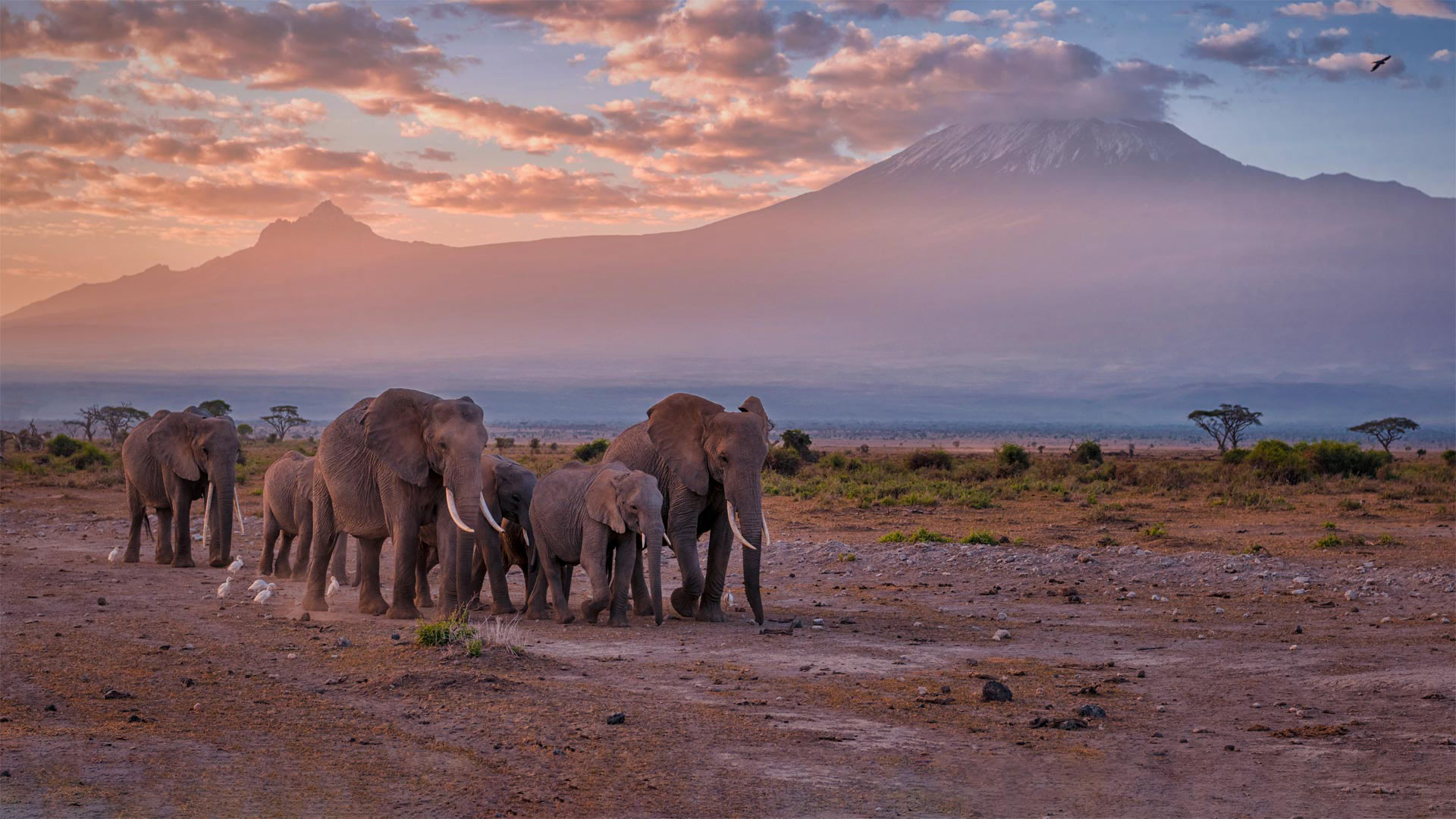
Amboseli is internationally known for elephants and Mount Kilimanjaro, but the birdlife is equally important. The Kenya Wildlife Service Amboseli National Park profile identifies the park as one of Kenya's Important Bird Areas and records more than 400 bird species, including more than 40 species of birds of prey. [1]
That diversity makes Amboseli particularly attractive to travellers comparing Kenya wildlife safaris, specialist birding trips, photography journeys and traditional Amboseli National Park tours. Birdwatching also works well alongside classic game drives in Kenya, because the same drive can move from elephants and buffaloes to eagles, herons, storks, cranes and smaller grassland species within a relatively short distance.
The strength of an Amboseli birding safari is not simply the size of the species list. It is the contrast between habitats. Open plains, seasonal lake areas, permanent swamps, woodland and bushland create different feeding and nesting opportunities. A patient safari therefore becomes less about rushing from one famous animal sighting to another and more about understanding how the landscape supports wildlife.
Important distinction: recorded species are not guaranteed sightings
A park checklist represents birds recorded over many years. It does not mean every visitor will see hundreds of species on a single trip. Weather, water levels, migration, habitat conditions, time of day, guiding experience and the length of your safari all influence what you may encounter.
For travellers planning a safari to Kenya, this is an important principle. A realistic itinerary creates time for observation rather than promising specific wildlife. That approach applies whether you are booking a budget safari, midrange safari or luxury safari.
What Birds Can You See in Amboseli National Park?
Amboseli supports waterbirds, grassland species, raptors, scavengers and woodland birds. The Kenya Wildlife Service management plan for Amboseli identifies a number of threatened bird species associated with the park, including White-backed Vulture, Hooded Vulture, Rüppell's Vulture, Lappet-faced Vulture, Martial Eagle, Secretarybird and Grey Crowned Crane. [2]
This does not mean that all these species will be seen during every visit. A better birdwatching approach is to identify habitat, behaviour, silhouette, bill shape, flight pattern and call before deciding on a species. Your guide can then help narrow the identification.
Water-associated areas may provide opportunities to observe herons, egrets, pelicans, storks, ibises, ducks and other wetland birds. Open savannah can reward slow scanning for raptors, bustards, ground birds and species using grazing animals to disturb insects. Woodland and bush require a different rhythm, because birds may appear briefly between branches rather than remain visible in the open.
A recent example: flamingos in Amboseli in 2026
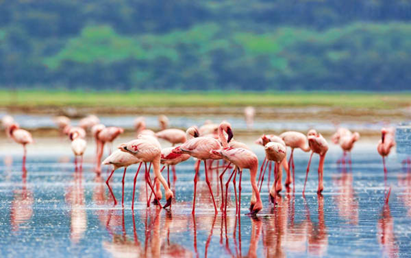
In July 2026, teams from Kenya Wildlife Service, National Museums of Kenya and Nature Kenya carried out a Lesser Flamingo count across several Kenyan wetlands. Nature Kenya reported that drying and muddy conditions made parts of Amboseli difficult to access, while large flamingo flocks concentrated around remaining water in seasonal Lake Amboseli. The observation is useful because it demonstrates how rapidly birding conditions can change with water levels. Read Nature Kenya's 2026 flamingo monitoring report . [3]
That variability is part of the appeal of a Kenya savannah tour. A visitor returning to the same area months later may experience a different landscape and a different mix of birds.
Birdwatching by Habitat: Why the Landscape Matters
The Key Biodiversity Areas profile for Amboseli describes a landscape that includes savannah, inland wetlands and forest or woodland habitats. It also notes the importance of groundwater originating from Mount Kilimanjaro to the ecological functioning of Amboseli's swamps. [4]
Wetlands and marshes
Slow down around authorised wetland viewpoints. Watch feeding style, bill shape, leg length, flock behaviour and movement. Conditions vary according to rainfall and water availability.
Open savannah
Scan both the ground and sky. Grassland birding often rewards patience because raptors, ground birds and smaller species can disappear easily into the landscape.
Woodland and bush
Watch for movement between branches and listen carefully. Identification may depend on posture, call and behaviour rather than a perfect photographic view.
Seasonal lake areas
Water levels can transform the birding experience. Some visits may reveal extensive water and bird concentrations, while other periods may look much drier.
This is why a good Kenya safari itinerary should allow guides to respond to conditions rather than treating every game drive as a fixed checklist. Travellers interested in bird photography should also explain this before booking, because repeated stops and long observation periods influence how much ground can be covered.
What Is the Best Time to Visit Amboseli for Birdwatching?
There is no single month that guarantees the best birdwatching experience. The best time to visit Kenya safari destinations depends on what you hope to see, recent rainfall, road conditions, water levels and whether birds or mammals are your main priority.
Amboseli is valuable throughout the year because many resident birds remain within the ecosystem. Seasonal rainfall, however, changes the appearance of the landscape and can influence where birds concentrate. The same applies to large mammals.
Rather than choosing dates from a generic statement such as "this is the best month", ask for recent field information before travelling. The 2026 Nature Kenya flamingo count, for example, documented substantial bird concentrations during a period when parts of the seasonal wetland were drying. That demonstrates why real field conditions can be more useful than a simplified calendar.
Travellers interested in photography may also consider light, vegetation and dust. Morning and later-afternoon conditions often provide softer light, but wildlife and bird behaviour cannot be scheduled. A flexible private safari usually gives photographers more control over stopping time than a shared itinerary.
Bird Conservation in the Amboseli Landscape
Birdwatching in Amboseli is connected directly to conservation. BirdLife International identifies Amboseli as both an Important Bird Area and Key Biodiversity Area and has reported conservation work addressing wildlife poisoning and threats to vultures in the wider ecosystem. BirdLife's conservation report discusses community awareness and measures intended to reduce human-wildlife conflict. [5]
Nature Kenya has also documented community conservation work within the Amboseli landscape, including local Site Support Groups working on threats such as wildlife poisoning. These initiatives show why wildlife conservation Kenya safari experiences are not separated from neighbouring communities, livestock management and land-use decisions. [6]
For travellers interested in a sustainable safari in Kenya, responsible behaviour begins with following park rules, respecting wildlife distance, remaining on authorised roads and avoiding activities that disturb animals or birds.
According to Kenya Wildlife Service visitor guidance for Amboseli, visitors should remain on established roads and trails, respect wildlife viewing distances, minimise noise and avoid feeding animals. These rules protect both wildlife and visitors. [1]
What to Expect on an Amboseli Birdwatching Safari Day
A birding-focused safari normally works best when the guide understands the priorities before departure. Instead of moving continuously in search of large mammals, the vehicle can pause when bird activity is productive. This gives travellers time to compare field marks, photograph behaviour or wait for a better view.
A morning may begin with scanning open grassland and wetland edges. As conditions change, the route can move toward woodland, marshes or other authorised areas. There should also be time to review uncertain observations rather than trying to identify every bird immediately.
If the group also wants elephants, lions and other mammals, birdwatching can be integrated into general wildlife viewing. This works particularly well for family Kenya safaris and mixed-interest groups, because travellers do not have to choose exclusively between birds and larger wildlife.
Photography changes the pace. A bird photographer may want ten or twenty minutes with one subject, while another traveller may prefer covering more of the park. Discussing this before booking a Kenya safari prevents frustration later.

Budget Safari, Midrange Safari or Luxury Safari in Amboseli?
The birdlife does not change according to the price of your lodge, but the structure of the trip can influence the experience. Travellers comparing budget safaris, mid-range safaris and luxury Kenya safaris should therefore look beyond accommodation labels.
A budget safari can work well when the itinerary provides enough park time and the accommodation is practical for the chosen route. Midrange safaris often provide a balance between comfort and cost, while luxury safaris may offer higher-end lodges, more personalised service and additional flexibility.
The words "tented camp" and "safari lodge" do not automatically indicate price or quality. Tented camps in Kenya range from simple facilities to highly luxurious properties. Always ask for the actual accommodation name, room category, meal plan and location before confirming a Kenya safari package.
For specialist birders and photographers, the more important question may be whether the safari is private. Private Kenya safaris allow your party to control the pace more easily. Group Kenya safaris can reduce costs, but the route and stop duration must accommodate everyone sharing the vehicle.
Families should also discuss children's ages, vehicle seating, meal arrangements, daily driving time and accommodation configuration. A successful family Kenya safari should not simply copy an adult photography itinerary.
How to Add Amboseli Birdwatching to a Wider Kenya Safari Itinerary
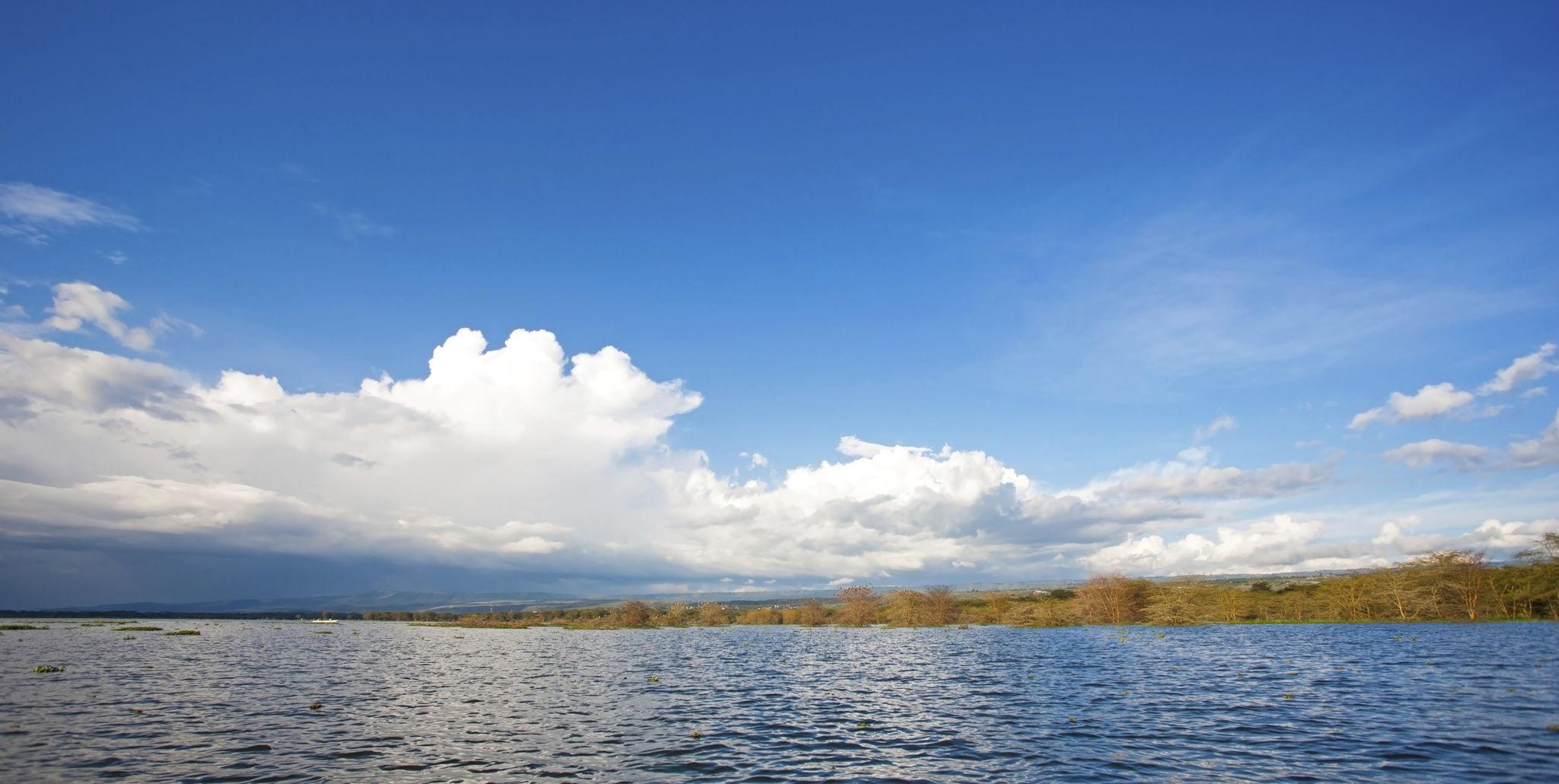
Amboseli can form part of a longer journey through several Kenya safari destinations. A classic route may combine Amboseli with Lake Naivasha, Lake Nakuru and the Masai Mara. This creates substantial habitat variety and works particularly well for travellers who want birds, large mammals, landscapes and photography in the same trip.
Lake Naivasha adds freshwater birdlife and boat-based wildlife viewing. You can explore NAMSA's Lake Naivasha safari destination guide when planning a Rift Valley extension.
Lake Nakuru National Park provides another valuable birding and wildlife destination and is also associated with rhino conservation. See NAMSA's Lake Nakuru National Park safari guide .
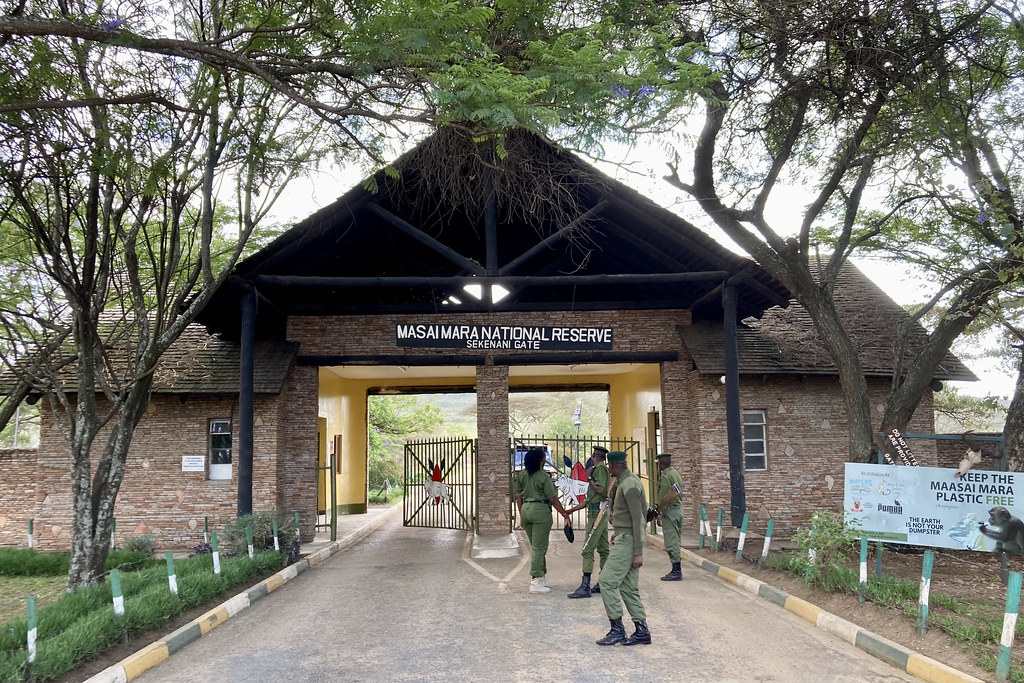
A Masai Mara safari can then introduce a very different open-grassland ecosystem with opportunities for big cats and, during suitable seasonal conditions, the wider Great Migration experience. Travellers planning a Great Migration Kenya safari should remember that river crossings and wildlife movements are natural events and cannot be guaranteed for a particular hour or date.
A hot air balloon safari in Kenya is most commonly added during a Masai Mara itinerary rather than an Amboseli birding day. Travellers should confirm current availability, age or safety restrictions and inclusions before adding the activity.
Another route can combine Amboseli with Tsavo West and Tsavo East. These Tsavo safaris are particularly attractive for travellers who want longer savannah journeys and contrasting landscapes. Shorter travellers may instead consider Nairobi National Park tours before or after an international flight.
Longer Kenya adventure travel programmes can combine a safari with Mount Kenya trekking tours, cultural experiences or the Indian Ocean. Travellers looking for Kenya beach holidays combined with safari can continue to Diani, the Kenyan coast or Zanzibar after their wildlife itinerary.
NAMSA also operates itineraries that combine several of these destinations. For example, the 7 Days Magical Kenya Wildebeest Migration Safari links Amboseli with Lake Naivasha, Lake Nakuru and the Masai Mara.
How to Choose a Kenya Safari Company for a Birding Trip
Search terms such as best Kenya tour operators, top rated Kenya safari companies, recommended Kenya tour operators and trusted Kenya safari companies can help travellers begin their research, but search rankings alone should not determine who handles an expensive safari.
When comparing safari companies in Kenya, examine the actual itinerary, vehicle, accommodation, inclusions, payment conditions, cancellation terms and communication quality. Read Kenya tour reviews critically and look for descriptions of real experiences rather than relying only on star ratings.
Travellers researching Kenya safari companies reviews and ratings should also check whether reviews describe the type of trip they are planning. A positive review of a short city excursion tells you less about the company's ability to organise a specialist photography or birdwatching itinerary.
Ask exactly what safari vehicle will be used. Common Kenya safari vehicle types include customised 4x4 Land Cruisers and tour vans. For photography or specialist birding, vehicle space, roof access, seating position and whether the vehicle is private can matter considerably.
Travellers comparing luxury Kenya safari operators with private guides should confirm that "private" applies to both the vehicle and guiding arrangement. Similarly, an affordable Kenya safari package should be checked carefully to establish whether park fees, meals, accommodation, airport transfers and activities are included.
You can review NAMSA's Kenya Safari Frequently Asked Questions for information about private and group safaris, vehicles, accommodation, airport transfers and booking arrangements.
What Should You Pack for an Amboseli Birdwatching Safari?
A practical packing list for a Kenya safari should begin with binoculars. They are generally more useful for birdwatching than relying exclusively on a camera. Practise focusing before your safari so that you are comfortable following a moving bird.
Bring a field guide or an offline bird identification resource, a small notebook, comfortable neutral-coloured clothing, sun protection, a reusable water bottle and dust protection for sensitive equipment. Photographers should carry spare batteries, memory cards and suitable protection for lenses.
If you intend to use a spotting scope, large telephoto lens or support system, tell NAMSA before travel. Equipment can take considerable vehicle space, particularly when several photographers are travelling together.
Avoid overpacking. The purpose of the equipment is to improve observation, not create a barrier between you and the landscape.
Kenya Entry Requirements, Health Information and Safari Travel Insurance
International travel rules can change, so avoid relying on an old blog post for Kenya visa requirements for tourists. Kenya currently operates an Electronic Travel Authorisation system with exemptions applying to certain travellers. Use the official Government of Kenya eTA website to verify your eligibility and current requirements before travelling. [7]
The official eTA application system also currently displays a notice concerning mandatory inbound travel health insurance. Because requirements and implementation details can change, travellers should verify the latest Kenya safari travel insurance information directly through official government channels rather than depending on an outdated package description. [8]
For health precautions for Kenya travel, consult your doctor or travel health professional and review the latest official information from the Kenya Ministry of Health traveller information service . The Ministry of Health provides guidance concerning yellow fever and other traveller health requirements. [9]
These matters should be checked separately from your safari quotation. A safari operator can assist with travel planning, but immigration and health authorities determine official entry requirements.
Responsible Birdwatching and Sustainable Safari Behaviour
A memorable wildlife encounter should not depend on forcing an animal to behave differently. Keep voices low, maintain appropriate distance and never ask a guide to drive off-road simply to obtain a closer photograph.
Bird nests require particular care. Do not approach a nest closely for photography, attempt to make a bird fly or repeatedly disturb a nesting area. Bird calls and playback should also be treated cautiously, because repeated sound can alter natural behaviour.
Kenya Wildlife Service instructs visitors in Amboseli to remain on established roads and trails, minimise noise, maintain appropriate viewing distance and avoid feeding wildlife. [1]
Responsible wildlife viewing is part of a wider sustainable safari approach. It protects the quality of the experience for future visitors while reducing unnecessary disturbance to the animals travellers have come to observe.
Amboseli Birdwatching as Part of an East Africa Safari
Birdwatching can be integrated into many different East Africa safari tours. Some travellers want an intensive birding holiday, while others prefer birds as one part of broader African safari holidays in Kenya that also include elephants, rhinos, big cats, cultural experiences and landscapes.
The same principle applies to safari costs in Kenya. Price is influenced by travel dates, group size, accommodation, park fees, vehicle arrangements, trip length and whether the safari is private. A simple online price should therefore be treated as the starting point rather than the entire booking decision.
Travellers seeking Kenya safari deals should compare what is included, not just the headline cost. A cheaper offer can become expensive if park fees, transfers, meals or activities are excluded. Likewise, luxury does not automatically mean a better birding experience if the itinerary spends too much time moving between destinations.
The most appropriate safari is the one that fits the traveller's priorities. For a birder, that may mean fewer destinations and more observation time. For a first-time visitor, it may mean combining Amboseli with several iconic Kenya safari destinations.
Frequently Asked Questions About Amboseli Birdwatching Safaris
How many bird species are found in Amboseli National Park?
Kenya Wildlife Service currently states that Amboseli hosts more than 400 recorded bird species, including more than 40 birds of prey. This is a park-level record, not the number you should expect to see during one safari.
Is Amboseli good for beginner birdwatchers?
Yes. Its mixture of large and easily visible waterbirds, raptors, open landscapes and general wildlife makes it suitable for beginners. Tell NAMSA your experience level when enquiring so the itinerary and guiding expectations can be discussed.
Do I need a specialist birding guide?
Not every traveller requires one. Casual birdwatchers may be comfortable with a professional safari guide who has strong bird knowledge. Travellers with a detailed life list or difficult target species should request specialist birding experience and confirm availability before booking.
Can I combine birdwatching with a normal wildlife safari?
Yes. Amboseli is particularly suitable because birding can be combined with elephants, buffaloes, giraffes, predators and general wildlife viewing during the same game-drive programme.
Is a private vehicle better for birdwatching?
A private vehicle usually provides greater control over stopping time and route pace, which is useful for birders and photographers. Group safaris can be more affordable but require travellers to share the itinerary with other guests.
Can Amboseli be combined with Lake Nakuru and Lake Naivasha?
Yes. Combining the three destinations adds different wetland, grassland and Rift Valley habitats. They can then be linked with the Masai Mara for a longer Kenya wildlife safari.
What should I ask before booking my safari?
Confirm the itinerary, vehicle type, whether the vehicle is private or shared, accommodation, meals, park fees, guiding arrangements, activities, transfers, payment terms and cancellation conditions. Specialist birders should also confirm the guide's bird identification experience.
Authoritative Sources and Further Reading
This guide uses authoritative conservation and government sources for factual information. Safari planning recommendations are NAMSA editorial guidance. Wildlife conditions, park regulations, government entry requirements and travel rules can change, so travellers should verify important information before departure.
- Kenya Wildlife Service: Amboseli National Park . Official information about bird diversity, wildlife, visitor guidance, park access and current conservation context.
- Kenya Wildlife Service: Amboseli National Park Management Plan 2020–2030 . Includes management information and a checklist of threatened bird species recorded within Amboseli.
- Nature Kenya: Tracking the Pink Flocks, 2026 . Recent monitoring information concerning Lesser Flamingos in Kenyan wetlands, including Amboseli.
- Key Biodiversity Areas: Amboseli National Park . Background information on the park's wetland, savannah and woodland habitats.
- BirdLife International: Addressing Wildlife Poisoning in Kenya . Information concerning vultures, poisoning threats and conservation work in the Amboseli landscape.
- Nature Kenya: Mobilising Public Support for Conservation in Amboseli and Kwenia . Community-based conservation work relating to threatened birds and wildlife.
- Government of Kenya: Electronic Travel Authorisation . Official source for current Kenya eTA eligibility, exemptions and applications.
- Government of Kenya eTA: Travel Health Insurance Notice . Check the latest official notice concerning inbound travel health insurance before travel.
- Kenya Ministry of Health: Traveller Information . Official information for travellers regarding health and vaccination requirements.
NAMSA Prestigious Tours
Kenya Safari Tours · Private Safaris · Group Safaris · Custom Kenya Safari Itineraries
WhatsApp:
+254 716 549 495
Email:
booking@namsaprestigioustours.com