What Are the UNESCO World Heritage Sites in Kenya?
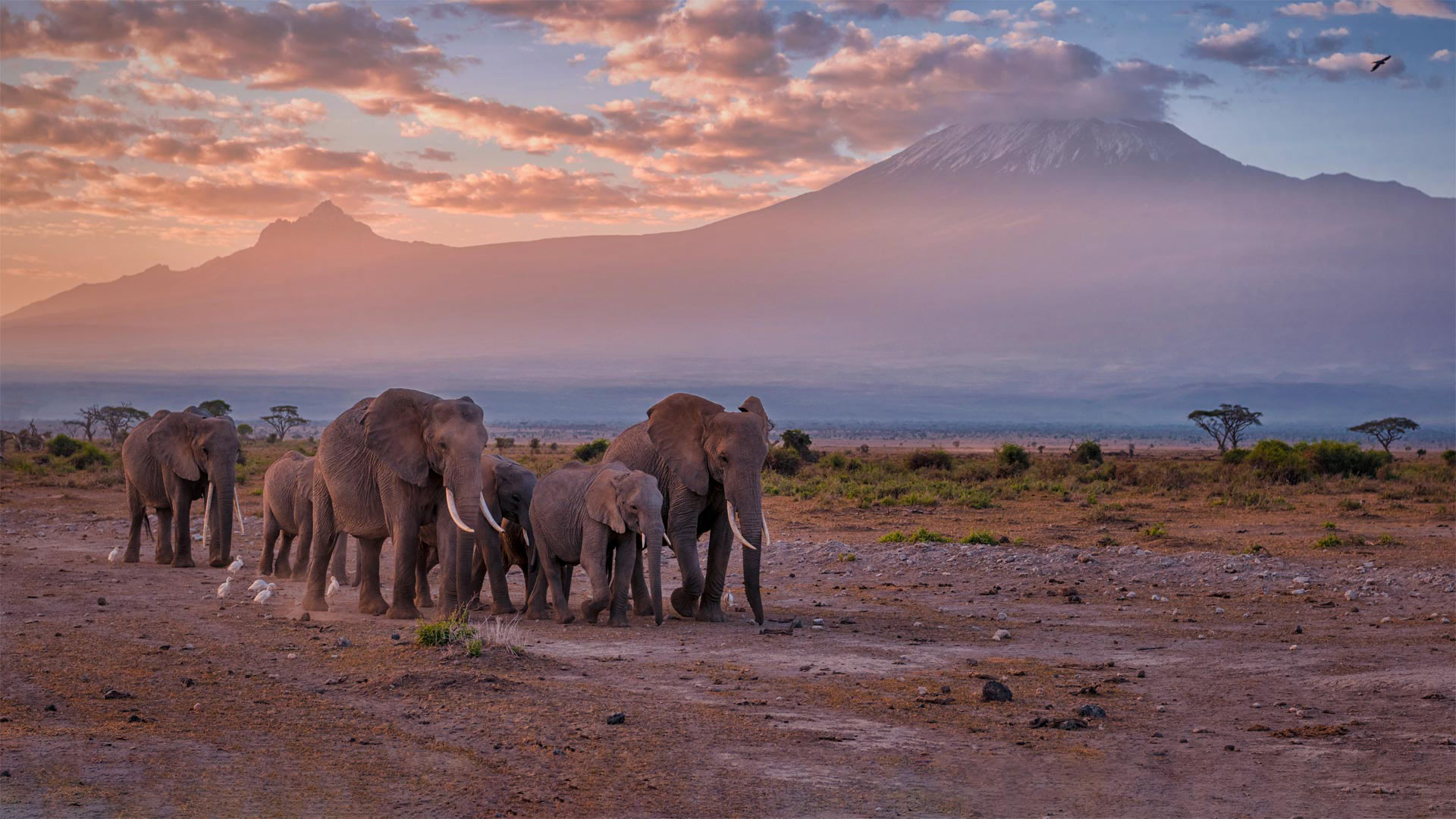
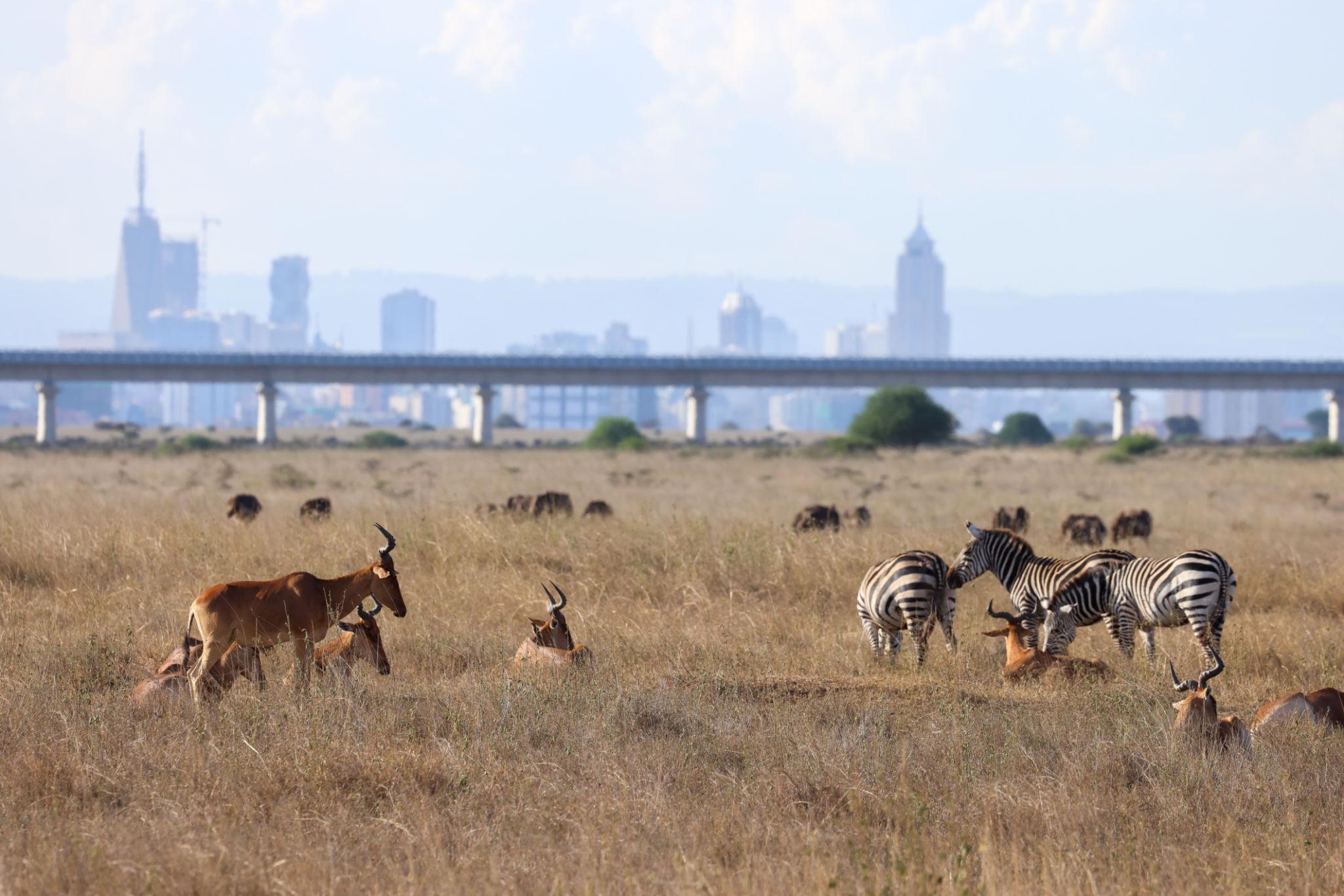
A Kenya safari may begin with elephants crossing the plains beneath Mount Kilimanjaro, lions resting in the Maasai Mara or rhinos grazing near Lake Nakuru. Yet beyond Kenya’s famous wildlife lies another story, one written in coral-stone towns, sacred forests, ancient settlements, mountains and lakes.
For Kenya travellers planning a safari to Kenya, exploring the UNESCO World Heritage Sites in Kenya for safari and cultural tours can transform an ordinary holiday into a journey through wildlife, history, conservation and living culture.
UNESCO currently lists eight World Heritage properties in Kenya, comprising five cultural sites and three natural sites. They are Lamu Old Town, Fort Jesus in Mombasa, Sacred Mijikenda Kaya Forests, the Historic Town and Archaeological Site of Gedi, Thimlich Ohinga Archaeological Site, Mount Kenya National Park/Natural Forest, Kenya Lake System in the Great Rift Valley and Lake Turkana National Parks. UNESCO World Heritage Centre
View Kenya’s official UNESCO World Heritage listing
These destinations also show why the best Kenya safari tours are not always only about game drives. Wildlife, archaeology, architecture, communities and landscapes can all become part of the same journey.
1. Fort Jesus, Mombasa: The Fortress That Watched the Indian Ocean
Standing above Mombasa’s old harbour, Fort Jesus carries more than four centuries of history.
The Portuguese constructed the fort between 1593 and 1596 according to designs by Giovanni Battista Cairati. UNESCO considers it an outstanding surviving example of Portuguese military fortification from the 16th century. UNESCO World Heritage Centre
Explore Fort Jesus on UNESCO’s official website
The National Museums of Kenya explains that the fort became part of a much wider history involving African, Arab, Persian, Turkish, Portuguese and later British influence around the Indian Ocean. Museums Kenya
Visitor information from the National Museums of Kenya
Fort Jesus is easy to combine with Mombasa Old Town and a beach stay. This makes it particularly useful when creating Kenya beach holidays combined with safari, where wildlife in the interior is followed by history and relaxation on the coast.
Travellers arranging custom Kenya safari itineraries can therefore end an Amboseli, Tsavo or Maasai Mara journey with Mombasa rather than viewing the coast only as a beach destination.

2. Lamu Old Town: More Than 700 Years of Swahili Heritage
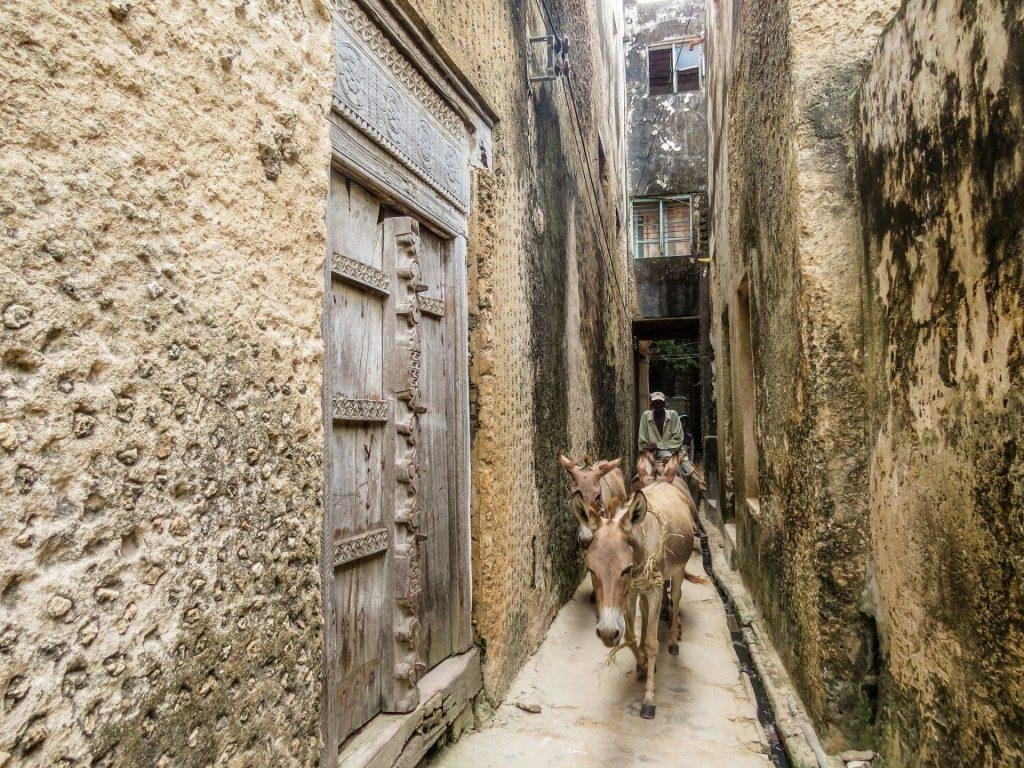
Walking through Lamu Old Town feels very different from travelling across the African savannah.
Narrow lanes pass between coral-stone buildings, carved doors open into historic houses, and centuries of African, Arab, Persian, Indian and European interaction remain visible in the architecture.
UNESCO describes Lamu as the oldest and best-preserved Swahili settlement in East Africa. The town has remained continuously inhabited for more than 700 years and continues to be an important centre of Islamic and Swahili culture. UNESCO World Heritage Centre
Official UNESCO guide to Lamu Old Town
The National Museums of Kenya also describes Lamu as a living historic town whose architecture reflects centuries of cultural exchange. Museums Kenya
Lamu is particularly attractive for travellers who want to combine a Kenya safari and beach holiday. A classic Masai Mara safari, an Amboseli journey or another Kenya savannah tour can be followed by several slower days exploring Swahili heritage, sailing by dhow and relaxing along the coast.
This combination works especially well for honeymooners, photographers, couples and travellers considering luxury Kenya safaris or private cultural extensions.
3. Sacred Mijikenda Kaya Forests: Where Culture Protects Nature
Along approximately 200 kilometres of Kenya’s coast are forested places that carry spiritual, historical and ecological importance.
The Sacred Mijikenda Kaya Forests consist of ten UNESCO-listed forest sites containing remains of fortified settlements known as kayas. Many developed from around the 16th century and later became sacred ancestral places maintained through community traditions and councils of elders. UNESCO World Heritage Centre
UNESCO Sacred Mijikenda Kaya Forests information
What makes the forests particularly relevant to sustainable safari Kenya discussions is the relationship between cultural traditions and biodiversity. UNESCO notes that restrictions surrounding use of the sacred forests contributed to conserving their natural environment. UNESCO World Heritage Centre
The National Museums of Kenya similarly explains that these forests remain central to Mijikenda identity, spiritual beliefs and cultural heritage. Museums Kenya
For visitors interested in Kenya cultural tours, responsible tourism and wildlife conservation Kenya safari experiences, the Kaya Forests demonstrate that conservation in Kenya is not limited to national parks.
4. Gedi: Kenya’s Newest UNESCO World Heritage Site
Hidden within coastal vegetation near Watamu stands one of Kenya’s most fascinating archaeological sites.
The Historic Town and Archaeological Site of Gedi joined the UNESCO World Heritage List in 2024, becoming Kenya’s eighth World Heritage property. UNESCO World Heritage Centre
Official UNESCO page for the Historic Town and Archaeological Site of Gedi
Gedi contains the remains of a historic Swahili settlement with mosques, houses, tombs, civic structures and evidence of sophisticated urban organisation. Its history connects the Kenyan coast to wider Indian Ocean trading networks.
Today, walking among its coral-stone ruins provides a very different travel experience from game drives Kenya itineraries.
Gedi fits naturally into a Watamu or Malindi stay and can become part of a longer coastal route connecting Mombasa, Fort Jesus, the Mijikenda Kaya Forests and Lamu.
For travellers comparing local Kenya safari operators, this is also where local knowledge becomes important. A safari company should not simply transport guests between destinations. Good guiding explains why those destinations matter.
NAMSA already provides a broader guide to these types of experiences in its article on Kenyan culture:
Explore cultural experiences in Kenya with NAMSA Prestigious Tours
5. Thimlich Ohinga: Ancient Stone Architecture in Western Kenya
Far from Kenya’s usual safari circuit, Thimlich Ohinga provides another view of the country’s history.
Located northwest of Migori near Lake Victoria, it is an exceptionally well-preserved dry-stone settlement. The enclosures were constructed without mortar and represent a building and settlement tradition that continued in the Lake Victoria Basin for centuries. UNESCO World Heritage Centre
Official UNESCO guide to Thimlich Ohinga
The National Museums of Kenya explains that the site provided security for communities and livestock while also reflecting social organisation and lineage relationships.
Thimlich Ohinga is particularly suitable for repeat visitors, educational groups and travellers looking beyond the best-known.
It can be incorporated into specialist Kenya adventure travel and cultural routes through western Kenya and the Lake Victoria region.
Ready to Book Your Kenya Safari?
Chat with NAMSA Prestigious Tours on WhatsApp and get quick help with your Maasai Mara safari, Kenya safari package, honeymoon safari, family safari, or custom eco-safari itinerary.
Book Instantly on WhatsApp6. Mount Kenya National Park/Natural Forest: Safari Meets Mountain Adventure
Mount Kenya rises to 5,199 metres, making it Africa’s second-highest mountain.
UNESCO describes the mountain as an ancient extinct volcano with dramatic peaks, glacial landscapes, forests and distinctive Afro-alpine ecosystems. The World Heritage property also extends into areas associated with Lewa Wildlife Conservancy and Ngare Ndare Forest Reserve. UNESCO World Heritage Centre
UNESCO Mount Kenya National Park/Natural Forest guide
Kenya Wildlife Service identifies Batian, Nelion and Point Lenana among Mount Kenya’s major peaks and provides official visitor and trekking information. Kenya Wildlife Service
Official Kenya Wildlife Service Mount Kenya visitor information
For active travellers, Mount Kenya trekking tours can be combined with Laikipia, Nanyuki, Samburu and central Kenya wildlife experiences.
This creates a strong alternative to the classic southern safari circuit and works across budget safari, mid-range safari and luxury safari travel styles, depending on accommodation and transport choices.
7. Kenya Lake System in the Great Rift Valley: Birds, Rhinos and Extraordinary Landscapes
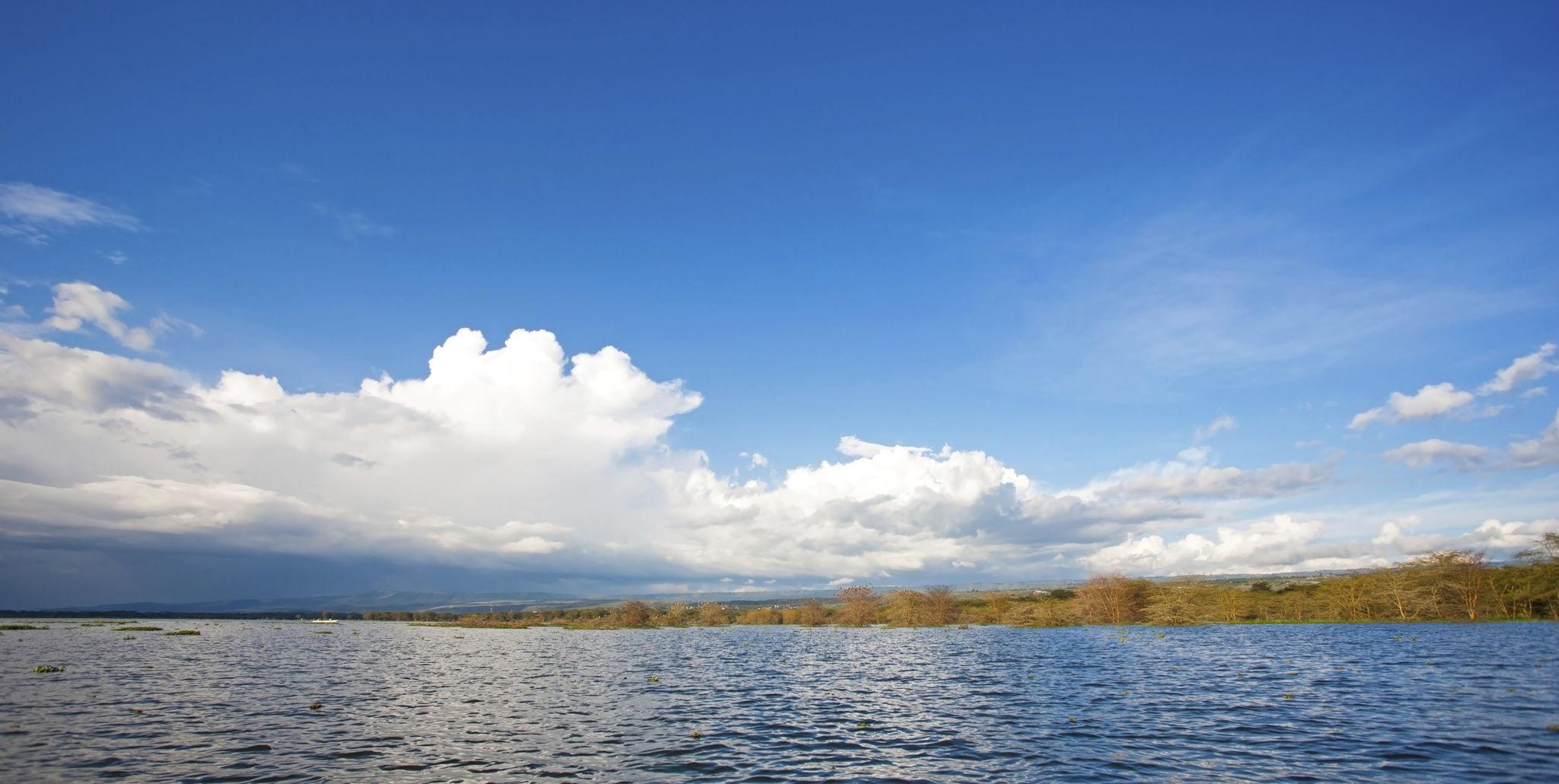
The Kenya Lake System in the Great Rift Valley consists of Lake Nakuru, Lake Bogoria and Lake Elementaita.
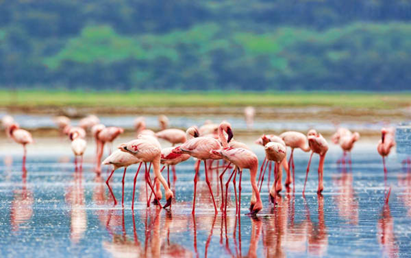
Together, these three lakes form a UNESCO natural World Heritage property covering 32,034 hectares. UNESCO highlights their exceptional bird diversity, importance to lesser flamingos and great white pelicans, as well as mammals including black rhino, giraffe, lion and cheetah.
UNESCO guide to the Kenya Lake System in the Great Rift Valley
Lake Nakuru is particularly easy to include within popular Kenya safari packages. Kenya Wildlife Service describes it as an important rhino sanctuary and birding destination, with approximately 450 recorded bird species.
It also connects naturally with Lake Naivasha. However, travellers should note that Lake Naivasha is not one of the three lakes in the UNESCO property.
NAMSA has a dedicated comparison for travellers deciding how to use both destinations:
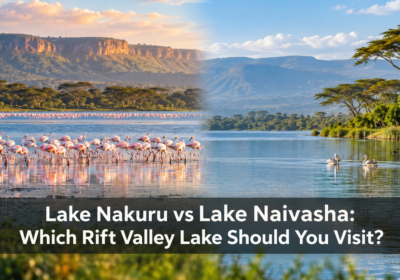
Lake Nakuru vs Lake Naivasha: Which Rift Valley Lake Should You Visit?
A Rift Valley route can then continue south-west towards the Maasai Mara, creating a practical Kenya safari itinerary with birdwatching, rhinos, boat experiences and classic savannah wildlife.
8. Lake Turkana National Parks: Kenya’s Remote World Heritage Wilderness
Lake Turkana presents a very different side of Kenya.
The UNESCO property consists of Sibiloi National Park, Central Island National Park and South Island National Park. It combines extraordinary desert landscapes, wildlife, geology and fossil deposits that have contributed greatly to scientific understanding of ancient environments and human evolution.
UNESCO Lake Turkana National Parks guide
Kenya Wildlife Service describes Sibiloi as a remote destination requiring serious logistical preparation and high-clearance four-wheel-drive vehicles for road access.
An important current point for responsible travel is that Lake Turkana National Parks has remained on UNESCO’s List of World Heritage in Danger since 2018.
For that reason, Lake Turkana is better approached as a carefully planned specialist expedition rather than an ordinary extension to a short safari.
It suits photographers, archaeology enthusiasts, researchers and experienced travellers looking for less conventional Kenya safari experiences.
How to Combine UNESCO Heritage Sites with a Kenya Safari
The most practical itinerary for first-time visitors is often the Rift Valley and wildlife circuit.
A traveller might begin in Nairobi, continue through Amboseli, Lake Naivasha and Lake Nakuru, then spend several days in the Maasai Mara. Afterwards, the journey can continue by air or road towards the coast for Fort Jesus, Gedi, the Kaya Forests or Lamu.
NAMSA’s existing seven-day route already connects Amboseli, Naivasha, Nakuru and the Maasai Mara, which provides a useful foundation for a longer heritage itinerary.
Explore NAMSA’s 7-Day Magical Kenya Safari
Travellers looking for budget Kenya safaris can use simpler lodges or tented camps and share some travel costs. Those choosing mid-range safaris can balance comfortable accommodation with private wildlife viewing. Luxury Kenya safaris can include premium lodges, private guides, fly-in transfers and longer coastal stays.
NAMSA’s complete safari collection provides options for private Kenya safaris, family Kenya safaris, group Kenya safaris, affordable Kenya safari packages and premium tours.
How Much Does a Kenya Safari and Heritage Tour Cost?
Safari costs in Kenya depend on travel season, group size, safari vehicle type, accommodation, park fees and the distance between destinations.
Heritage extensions can also change the cost substantially. Adding Lamu or Lake Turkana requires very different logistics from adding Lake Nakuru.
Travellers comparing a budget safari, midrange safari or luxury safari should therefore compare what each quotation actually includes rather than only looking at the final price.
NAMSA’s 2026 safari cost guide explains these differences in detail:
Kenya Safari Cost 2026: Budget, Mid-range and Luxury Prices
How to Choose a Kenya Safari Company for a Heritage Journey
Searching for the best Kenya tour operators, trusted Kenya safari companies, highly recommended Kenya tour operators or top-rated Kenya safari companies should involve more than reading an advertisement.
Look at Kenya tour reviews, published itineraries, the clarity of inclusions and exclusions, communication, vehicle options, guide experience, cancellation conditions and whether the company understands the destinations it sells.
This becomes particularly important when booking a Kenya safari that combines wildlife with cultural or archaeological sites. A strong operator should understand road distances, Kenya safari vehicle types, accommodation locations, park procedures and the practical differences between a wildlife guide, mountain guide and cultural-site specialist.
Travellers should also check current Kenya visa requirements for tourists, health precautions for Kenya travel, Kenya safari travel insurance requirements and entry rules through the appropriate official authorities before departure.
Sustainable Safari Kenya: Visit Heritage Responsibly
World Heritage status does not mean a place is protected from every threat.
Lamu faces pressures associated with development and infrastructure. The Mijikenda Kayas depend partly on the continuity of cultural knowledge. The Kenya Lake System faces environmental pressures, while Lake Turkana National Parks is currently on UNESCO’s World Heritage in Danger list.
Responsible travel therefore matters.
Visitors should respect site rules, avoid damaging archaeological structures, follow wildlife regulations, ask before photographing people, use recognised local guides where appropriate and support legitimate community enterprises.
A good sustainable safari Kenya experience leaves the destination with its wildlife, heritage and dignity intact.
Final Thoughts: Kenya Is More Than a Safari
Kenya’s eight UNESCO World Heritage Sites reveal a country whose story extends far beyond the Big Five.
Lamu tells the story of Swahili civilisation. Fort Jesus recalls centuries of Indian Ocean competition and cultural exchange. The Kaya Forests connect conservation with ancestral traditions. Gedi preserves the remains of an important Swahili settlement. Thimlich Ohinga reveals remarkable dry-stone architecture. Mount Kenya rises above extraordinary alpine ecosystems. The Rift Valley lakes protect globally important wildlife, and Lake Turkana connects remote wilderness with deep human history.
For travellers planning a safari to Kenya, combining heritage with Kenya wildlife safaris, Kenya cultural tours, Masai Mara safari experiences, Amboseli National Park tours, Tsavo safaris, Mount Kenya trekking tours or Kenya beach holidays creates a deeper journey.
NAMSA Prestigious Tours can design custom Kenya safari itineraries ranging from budget and mid-range travel to private and luxury safari experiences.
Explore the wildlife. Meet the people. Discover the history. Understand the landscape.
Come to Kenya not only to see Africa, but to experience the stories that made it.
Related Articles