
Can You See the Big Five in the Maasai Mara?
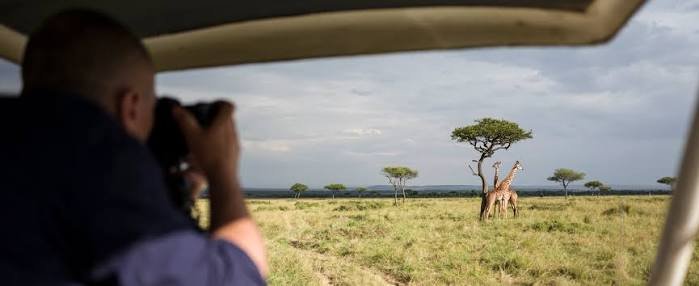
The morning begins quietly in the Maasai Mara.
As the sun rises above the open grasslands, a lion pride may appear beside the safari track. Farther across the plains, a herd of elephants moves towards a river, while African buffaloes gather near a water source. Somewhere within the riverine woodland, a leopard rests among the branches. A black rhino may also be present, although finding it often requires patience and a great deal of luck.
These possibilities lead many first-time visitors to ask an important question: Can you see the Big Five in the Maasai Mara?
Yes, all members of the Big Five live within the wider Maasai Mara ecosystem. Lions, leopards, African elephants, African buffaloes and black rhinos can all be found here. The Mara Triangle, which forms part of the Maasai Mara National Reserve, states that fortunate visitors may even find all five within a relatively small area.
However, seeing every member of the Big Five during one safari is never guaranteed.
The Maasai Mara is a natural ecosystem, not a zoo. Wildlife moves freely across open plains, river valleys, woodlands, conservancies and neighbouring areas. Some animals may be visible within minutes, while others can remain hidden throughout the entire visit.
Lions, elephants and buffaloes are generally easier to locate. Leopards are secretive and well camouflaged, while black rhinos are rare and often the most difficult member of the Big Five to find.
This uncertainty is not a weakness of the safari experience. It is one of the reasons a Maasai Mara safari feels genuine. Every track, alarm call and distant movement may lead to an unexpected wildlife encounter.
What Are the Big Five?
The term “Big Five” refers to five famous African animals:
-
Lion
-
Leopard
-
African elephant
-
African buffalo
-
Rhinoceros
The expression was originally used by big-game hunters to describe animals considered especially dangerous and difficult to hunt on foot. Today, its meaning has changed. The Big Five are now associated mainly with wildlife photography, conservation and responsible safari travel.
For many travellers, seeing these animals in their natural environment is one of the main reasons for booking a safari in Kenya. However, responsible safari planning should never reduce the experience to a simple checklist.
The Maasai Mara is home to cheetahs, giraffes, zebras, wildebeest, hippos, crocodiles, hyenas, jackals, topis, elands, gazelles and hundreds of bird species. Many of these animals can produce wildlife moments that are just as memorable as a Big Five sighting.
How Likely Are You to See the Big Five in the Maasai Mara?
Your opportunity to see each animal is different.
Lions, elephants and buffaloes are commonly seen in many parts of the Maasai Mara. Leopards are present, but their solitary behaviour and camouflage make them more difficult to locate. Black rhinos live in the ecosystem, particularly in protected areas such as the Mara Triangle, but their limited population makes sightings less predictable.
The length of your safari also matters. A short visit may provide excellent wildlife sightings, but it gives the guide less time to explore different habitats and respond to recent animal movements.
For most first-time visitors, three to four nights provides a more balanced experience. Read our guide explaining how many days you need in the Maasai Mara before selecting your itinerary.
Lions in the Maasai Mara
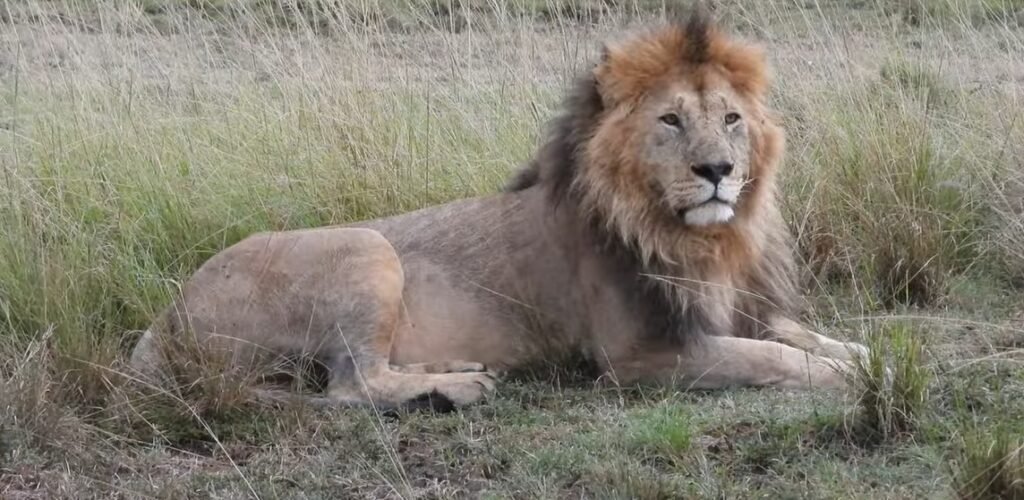
The lion is usually the easiest member of the Big Five to see in the Maasai Mara.
The ecosystem supports several resident lion prides as well as solitary males and smaller family groups. Their territories may change over time depending on prey availability, competition and pride movements.
During the warmer hours, lions commonly rest in tall grass, beneath bushes or under the shade of acacia trees. Their coat blends surprisingly well with dry grass, which means an entire pride can remain unnoticed until the guide identifies a tail, an ear or a patch of golden fur.
Early morning and late afternoon drives often provide more opportunities to observe active behaviour. During the cooler hours, lions may patrol their territory, interact with other pride members, search for prey or return from nighttime activity.
A lion sighting may involve a male watching the plains, lionesses caring for cubs or a pride resting together after feeding. Even when lions are sleeping, an experienced guide can explain their social structure, hunting behaviour and relationship with other predators.
However, guests should remember that lions are wild animals. A pride seen in one area during the morning may have moved several kilometres by the afternoon.
African Elephants in the Maasai Mara
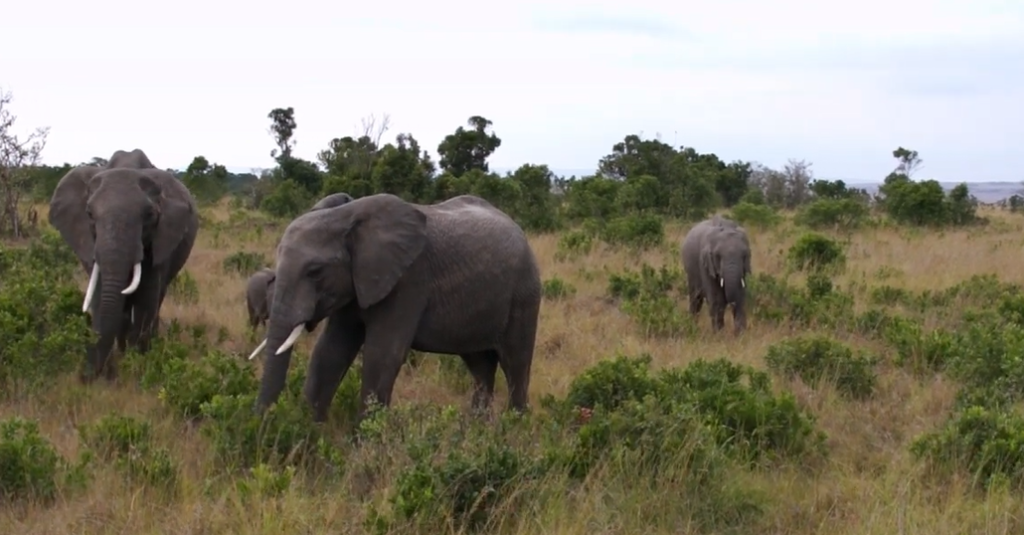
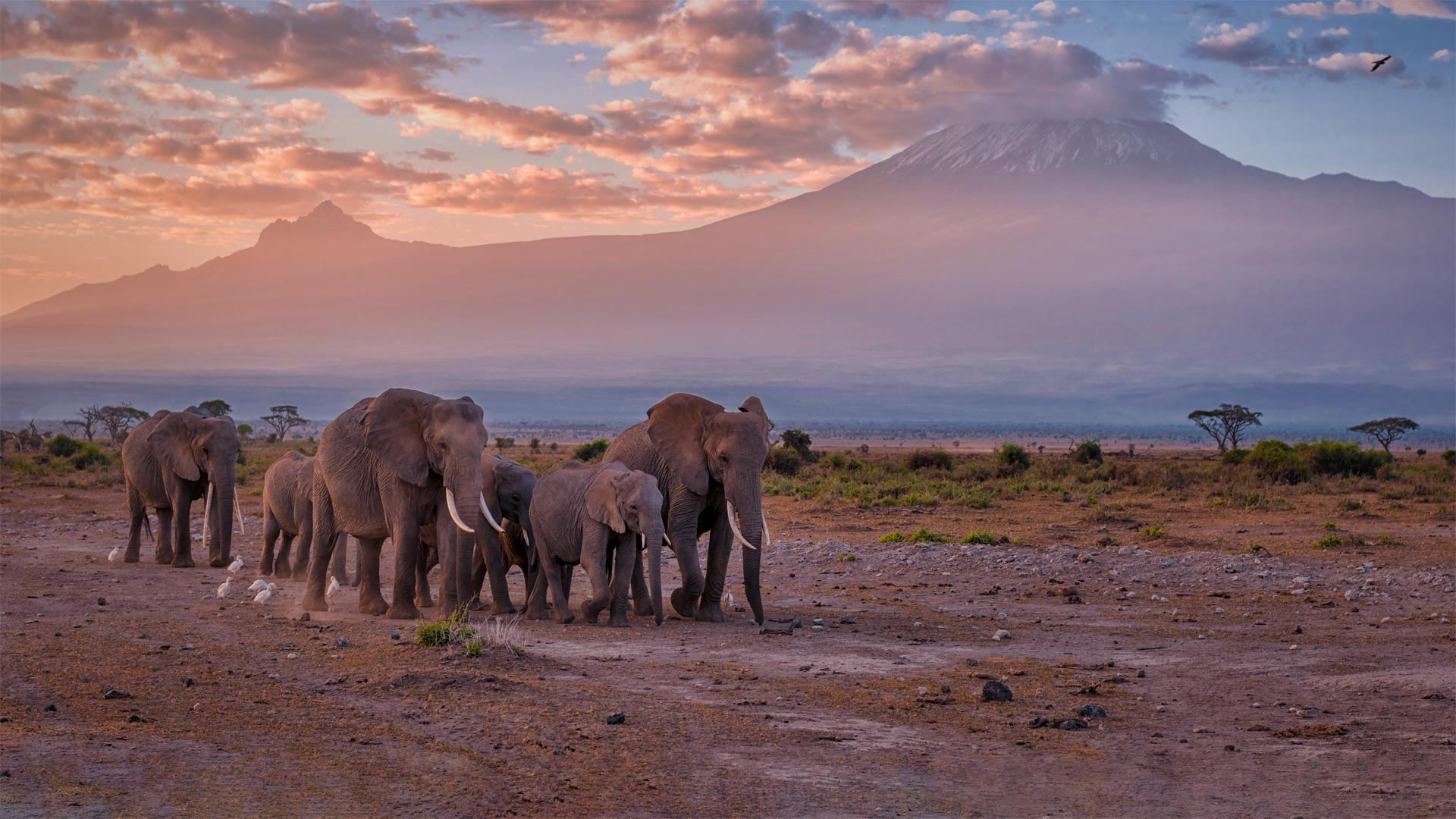
Elephants are another regular highlight of a Maasai Mara safari.
They may be seen alone, in small bachelor groups or in family herds led by an experienced matriarch. A family can include adult females, younger elephants and calves of different ages.
Elephants move between grasslands, woodland and river areas in search of food, water and suitable resting places. Riverine vegetation is particularly valuable during dry periods because it provides shade and additional sources of food.
Watching elephants cross the savannah is one of the most peaceful experiences in the Mara. Young calves normally remain close to their mothers, while other family members may position themselves protectively around the group.
Although elephants may appear calm, they remain powerful wild animals. A responsible driver-guide will give them enough space, avoid separating family members and never block their direction of movement.
African Buffaloes in the Maasai Mara
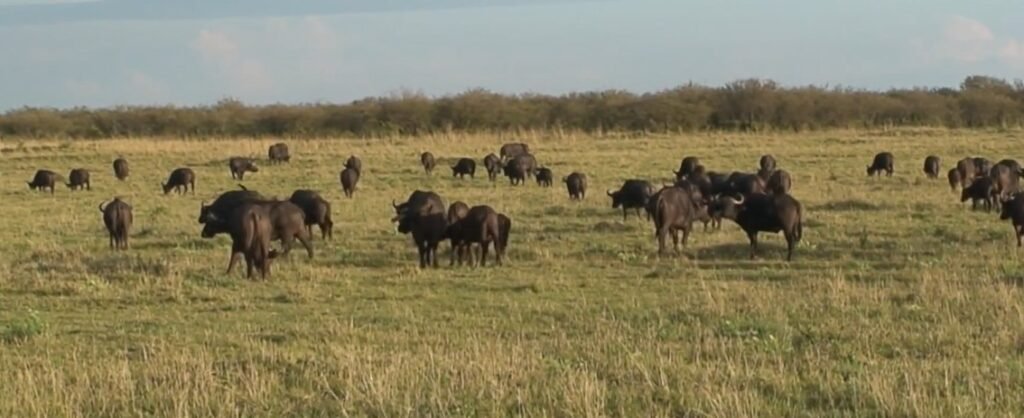
African buffaloes are widely distributed across the Maasai Mara ecosystem.
They may appear in large herds on open grasslands, particularly where grazing and water are available. Smaller groups may also be found near woodland, marshes and river areas.
Large herds are generally easy to notice. However, solitary older males may remain close to bushes, muddy pools or water sources. These older bulls are often called “dagga boys,” a name connected to their habit of resting in mud.
Buffaloes may appear relaxed while grazing, but they are strong, alert and unpredictable. They often depend on the protection of the herd, particularly when lions are nearby.
A buffalo sighting can also reveal interesting interactions between predators and prey. Lions may follow a herd for hours while looking for a vulnerable individual. At the same time, adult buffaloes may defend calves or challenge an approaching predator.
Your guide should maintain a respectful distance and avoid forcing the animals to change direction.
Leopards in the Maasai Mara
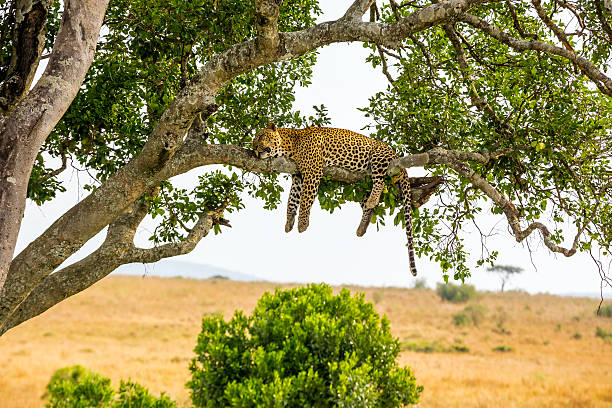
The leopard is often more difficult to find than the lion.
Leopards are generally solitary, secretive and exceptionally well camouflaged. Their spotted coats allow them to disappear among branches, leaves, shadows and tall vegetation.
They may rest in trees, hide in dense bushes or move quietly through riverine woodland. A leopard can be surprisingly close to a safari vehicle without being immediately visible.
Finding one often depends on patience and the observation skills of an experienced guide. Guides may look for tracks, movement in the trees or the remains of prey stored on a branch. They may also listen for alarm calls from monkeys, birds or antelopes that have detected a predator.
Communication between professional guides can help identify the general location of recent sightings. However, responsible guiding should not lead to vehicles racing across the reserve or surrounding an animal.
Even a short leopard sighting can become one of the most memorable moments of a safari. The experience becomes even more special when the animal is observed quietly, without pressure from a large number of vehicles.
Black Rhinos in the Maasai Mara
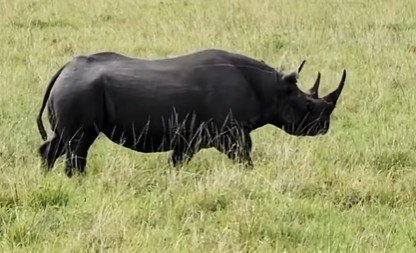
The black rhino is generally the most challenging member of the Big Five to see in the Maasai Mara.
Black rhinos are present in the ecosystem, and the Mara Conservancy maintains research and conservation information concerning the Maasai Mara black rhino population. However, rhinos are far less numerous than lions, elephants and buffaloes.
Finding one may require travelling into areas where a rhino has recently been observed. Even then, the animal may remain hidden in bushland or move away before the vehicle arrives.
Specific location information is also managed carefully because rhinos require strong protection against poaching. A responsible guide will not share sensitive location information publicly or place an animal at risk for the sake of a photograph.
Travellers whose main priority is seeing a rhino should consider combining the Maasai Mara with another Kenyan protected area.
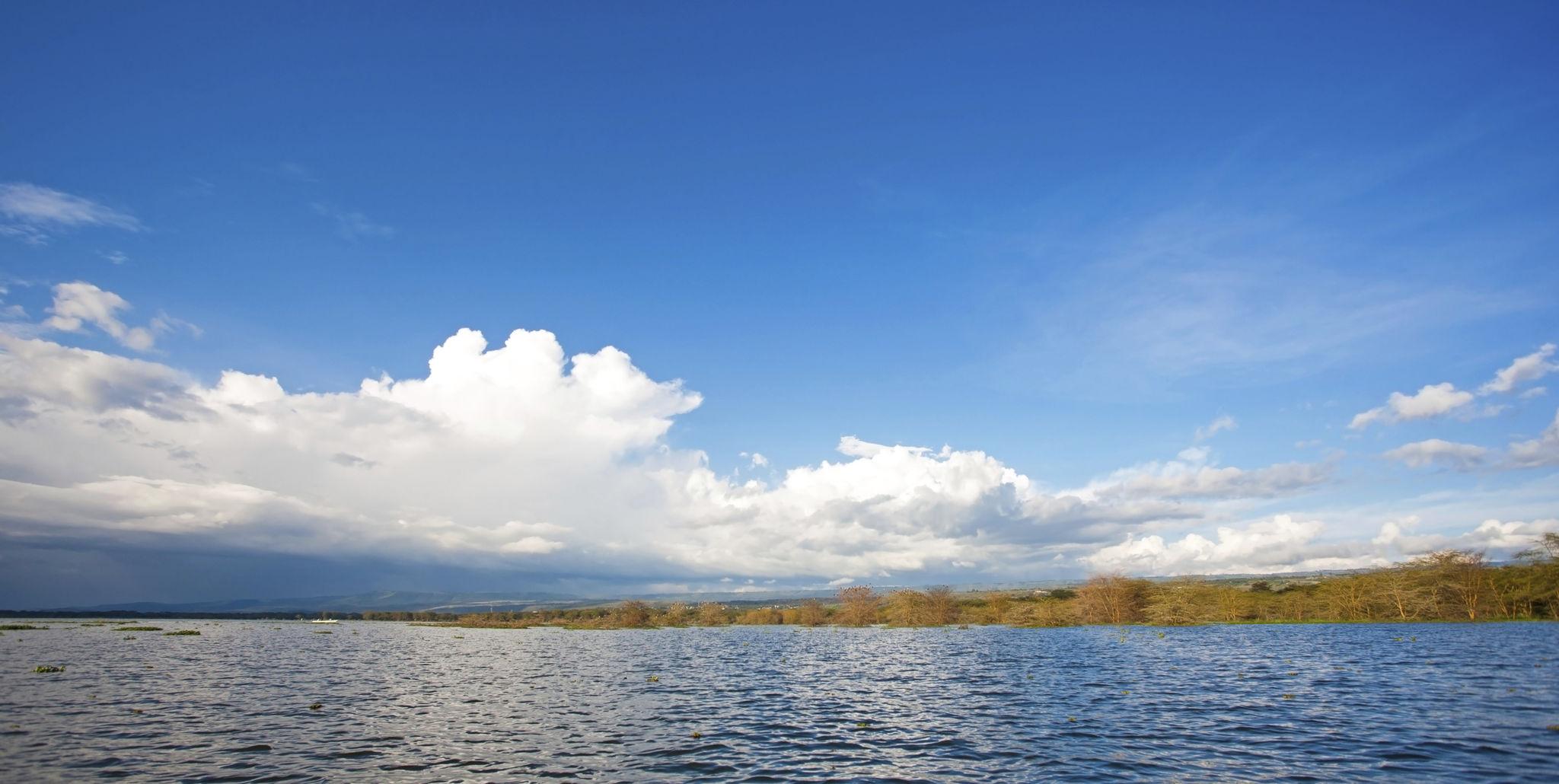
Lake Nakuru National Park was established as Kenya’s first government-managed rhino sanctuary and protects both black and white rhinos. NAMSA’s six-day Amboseli, Lake Nakuru and Maasai Mara safari provides an opportunity to visit several different wildlife habitats within one itinerary.
Another valuable option is Ol Pejeta Conservancy, which operates one of the most important rhino conservation programmes in East Africa.
Combining destinations cannot guarantee a sighting, but it considerably improves the opportunity to observe rhinos during a Kenya safari.
Can You See All Five on One Game Drive?
It is possible, but it should be treated as an exceptional wildlife experience rather than a normal expectation.
A productive morning may begin with a lion pride, continue towards a large buffalo herd and end with elephants near a river. A leopard or rhino could also appear, but these sightings depend on natural movement, visibility and luck.
Trying to find all five during one drive can also cause visitors to rush past other rewarding sightings. A cheetah standing on a termite mound, a hyena carrying food to its young or a herd of giraffes crossing the plains can be more memorable than quickly seeing five animals from a checklist.
A good guide will listen to your wildlife interests while also helping you appreciate the complete ecosystem.
Can You See the Big Five in Three Days?
Yes, it is possible to see several members of the Big Five during a three-day Maasai Mara safari. Some visitors may even see all five. However, a three-day itinerary usually includes only two nights, which means much of the first and final day may be used for travel.
A typical short safari may include:
-
An afternoon game drive on the arrival day
-
A morning and afternoon drive, or one full-day drive, on the second day
-
A morning drive before returning to Nairobi
This can produce excellent sightings, but there is little flexibility when wildlife is far from your accommodation or one game drive is quiet.
Our three-day Maasai Mara budget safari is suitable for travellers with limited time. Guests who want a stronger opportunity to search for leopards and rhinos should consider adding one or two nights.
What Is the Best Time for a Big Five Safari?
The Maasai Mara provides wildlife viewing throughout the year. The Big Five are resident animals, which means they do not leave the ecosystem when the Great Migration ends.
The dry months are popular because vegetation is often shorter and animals may gather around permanent water sources. However, these months can also bring more visitors and vehicles.
The greener seasons offer different advantages. Landscapes become fresh and colourful, birdlife can be excellent, visitor numbers may be lower and many animals give birth during particular periods.
From approximately July to October, large wildebeest and zebra herds may enter the Maasai Mara from the Serengeti. The migration can increase predator activity, but its timing changes according to rainfall, grazing conditions and herd movement.
River crossings are never guaranteed on a particular date. Read our guide to the best time to see the Great Wildebeest Migration in Kenya for a realistic month-by-month explanation.
There is no single month that guarantees all members of the Big Five. Your opportunities depend more on time in the reserve, guide experience, camp location, weather and natural wildlife movement.
How to Improve Your Chances of Seeing the Big Five
An experienced safari guide makes a significant difference.
Professional guides understand animal behaviour, territories, tracks, habitats and warning calls. They also exchange responsible updates with other guides about general wildlife activity.
Several practical decisions can improve your overall opportunity:
Spend several nights in the Mara
A longer stay gives your guide more time to explore different wildlife areas. Three to four nights is suitable for most first-time visitors, while photographers and migration travellers may prefer four to six nights.
Take morning and afternoon game drives
Morning drives offer cooler weather and soft photography light. Predators may still be active after the night. Afternoon drives can be rewarding as temperatures begin to fall and animals move towards grazing areas or water.
Include a full-day game drive
A full-day drive allows the guide to travel farther from the accommodation and remain in productive wildlife areas. Picnic meals can reduce the need to return to camp during the middle of the day.
Explore different habitats
Open plains are valuable for lions, buffaloes, elephants and cheetahs. Leopards may be associated with riverine woodland and areas with suitable trees. Rhinos may prefer more secluded bushland.
Remain patient
Wildlife sightings often develop slowly. Leaving an area too quickly may mean missing an animal that is hidden in grass or vegetation.
Combine the Maasai Mara with a rhino sanctuary
Lake Nakuru or Ol Pejeta can improve your overall rhino-viewing opportunity while adding different scenery and wildlife experiences to the itinerary.
Select accommodation carefully
A camp located close to productive wildlife areas reduces time spent travelling between the gate, accommodation and game-drive areas. During peak season, early booking provides a wider choice of well-located camps.
Before selecting your itinerary, review our guide explaining how much a Kenya safari costs.
Choose a Responsible Big Five Safari
The excitement of finding wildlife should never come before the welfare of the animals or their habitat.
Large numbers of vehicles around a lion, leopard or cheetah can interfere with natural behaviour. Noise, sudden movement and vehicles blocking an animal’s route can create unnecessary pressure.
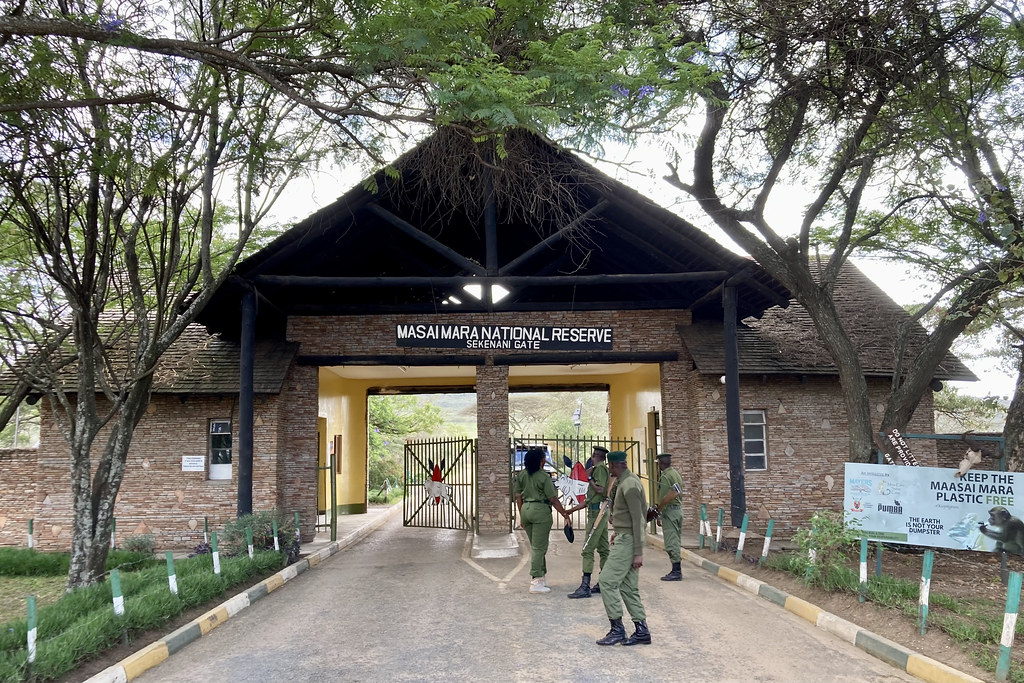
Off-road driving can also damage vegetation. Published research on tourist driving in the reserve found that repeated vehicle passes caused increasing damage to grassland and affected the privacy of wildlife. Responsible operators should therefore follow the applicable Mara Triangle park rules and instructions from reserve authorities.
A responsible safari driver-guide should:
-
Maintain an appropriate distance from wildlife
-
Avoid surrounding an animal
-
Leave a clear route for wildlife to move
-
Avoid loud voices, hooting and unnecessary engine noise
-
Follow speed limits and designated tracks
-
Respect instructions from rangers
-
Avoid sharing sensitive rhino locations
-
Give other visitors enough space to view wildlife
-
Never pressure an animal to move for a photograph
Seeing a leopard from a respectful distance in a quiet setting is often more rewarding than joining many vehicles competing for the closest position.
There Is More to the Maasai Mara Than the Big Five
The Maasai Mara should not be judged only by whether all five animals have been seen.
Visitors may also encounter cheetahs, spotted hyenas, giraffes, zebras, wildebeest, hippos, crocodiles, jackals, warthogs, topis, elands, impalas and several species of gazelle.
The ecosystem also supports remarkable birdlife. Eagles, vultures, secretary birds, ostriches, kingfishers, storks and the colourful lilac-breasted roller add another layer to every game drive.
Small moments can become the most meaningful part of the journey. It may be a young elephant learning to use its trunk, giraffes walking through the morning mist or a lion cub following its mother through the grass.
These experiences cannot be scheduled or guaranteed. They are valuable because they happen naturally.
Plan Your Maasai Mara Big Five Safari
So, can you see the Big Five in the Maasai Mara?
Yes. Lions, leopards, elephants, buffaloes and black rhinos all live within the wider Maasai Mara ecosystem. Lions, elephants and buffaloes are generally easier to find. Leopards require patience, while black rhinos are rare and normally the most challenging member of the Big Five to locate.
The best safari is not built around promises that nature cannot keep. It is designed around enough time, professional guiding, a carefully selected camp and respectful wildlife viewing.
NAMSA Prestigious Tours arranges private and group-joining Maasai Mara safaris for solo travellers, couples, families and private groups. Your itinerary can be customised according to your travel dates, budget, preferred accommodation and wildlife interests.
Contact NAMSA Prestigious Tours to request a personalised Maasai Mara Big Five safari proposal.
Frequently asked questions
Have more questions? Contact us.
Are all members of the Big Five found in the Maasai Mara?
Yes. Lions, leopards, African elephants, African buffaloes and black rhinos are all present within the wider Maasai Mara ecosystem. However, seeing every animal during one visit is not guaranteed.
Which Big Five animal is hardest to see in the Maasai Mara?
The black rhino is generally the most difficult to see because its population is smaller and its location is closely protected. Leopards can also be challenging because they are solitary, secretive and well camouflaged.
Which Big Five animals are easiest to see?
Lions, elephants and African buffaloes are generally the easiest members of the Big Five to find in the Maasai Mara. Actual sightings still depend on wildlife movement, weather and the area explored.
Is the Maasai Mara suitable for first-time safari visitors?
Yes. The reserve offers open landscapes, diverse wildlife and excellent predator-viewing opportunities. It is suitable for first-time visitors, families, photographers and experienced safari travellers.
Do I need to visit during the Great Migration to see the Big Five?
No. The Big Five are resident within the ecosystem and may be seen throughout the year. The migration provides an additional seasonal wildlife spectacle, but it is not required for a successful Big Five safari.
Can I see the Big Five during a three-day safari?
It is possible, but never guaranteed. A three-day safari normally provides several game drives, although a three or four-night stay gives the guide more time to explore different wildlife areas.
Where else can I see rhinos in Kenya?
Lake Nakuru National Park and Ol Pejeta Conservancy are two of Kenya’s strongest rhino-viewing destinations. Nairobi National Park and several other protected areas also support rhino conservation.
Is a private safari better for finding the Big Five?
A private safari provides greater flexibility because the vehicle can follow your interests and spend more time at selected sightings. However, a professionally guided group safari can also provide rewarding Big Five viewing.
What should I bring on a Big Five safari?
Useful items include binoculars, a camera, neutral-coloured clothing, sun protection, a light jacket for morning drives and a reusable water bottle. Avoid bright clothing and excessive noise during wildlife sightings.

Comments (3)