How Much Does a Kenya Safari Cost in 2026? Complete Price Guide
A Kenya safari can cost from around USD 180 to more than USD 1,500 per person per day, depending on your travel style, season, destinations, accommodation and whether you join a group or book a private safari.
For most travellers, a useful 2026 planning range is:
-
Budget group safari: approximately USD 180 to USD 300 per person per day
-
Private budget safari: approximately USD 250 to USD 400 per person per day
-
Private mid-range safari: approximately USD 300 to USD 650 per person per day
-
Luxury Kenya safari: approximately USD 600 to USD 1,500+ per person per day
-
High-end fly-in or exclusive safari: approximately USD 1,500 to USD 3,000+ per person per day
These are planning ranges, not fixed prices.
Independent safari marketplace SafariBookings currently estimates an average Kenya budget safari at roughly USD 200 per person per day and a mid-range safari at around USD 300 per person per day, while luxury costs rise considerably depending on exclusivity, accommodation and transport.
At the other end of the market, luxury properties demonstrate how high prices can go. Angama Mara publishes a 2026 Mara Signature Stay at USD 1,500 per adult sharing per night in its standard season and USD 2,585 during peak periods. That particular offer includes several premium experiences but excludes Maasai Mara park fees.
The important point is that there is no single Kenya safari price.
Two travellers can follow almost the same route through Amboseli, Lake Naivasha, Lake Nakuru and the Maasai Mara but pay completely different amounts. One may travel in a shared safari van and stay in simple camps, while another uses a private Land Cruiser, flies between destinations and stays in luxury lodges.
If you are planning your first visit, our best Kenya safari itinerary for first-time visitors explains how Amboseli, Lake Naivasha, Lake Nakuru and the Maasai Mara can be combined into a balanced seven-day safari.
Top Maaai Mara safari for you
Login to use
7 Days Magical Kenya Wildebeest Migration Safari 2026/2027
What Does a Kenya Safari Cost Per Day?
For most first-time visitors, the Kenya safari cost per day depends mainly on five things:
-
Accommodation level
-
Safari vehicle
-
Number of travellers sharing the vehicle
-
Park and conservation fees
-
Travel season
A couple travelling privately will generally pay less per person than a solo traveller because the vehicle, fuel and driver-guide costs are divided between two people.
A family or group of four to six can often reduce the cost per person even further.
This is why comparing safari quotations only by the final amount can be misleading. A cheaper safari may exclude park fees, use shared transport or provide fewer game drives, while another quotation may include a private 4×4, park entry, full-board accommodation, airport transfers and a professional guide.
Always compare what is included, not simply which quotation has the lowest number.
Why Does a Kenya Safari Cost So Much?
A safari price is not simply the cost of a hotel room.
A properly organised Kenya safari can combine:
-
Safari accommodation
-
Breakfast, lunch and dinner
-
National park and reserve fees
-
A safari Land Cruiser or safari van
-
Fuel
-
Professional driver-guide services
-
Game drives
-
Airport or hotel transfers
-
Drinking water
-
Government taxes
-
Local logistical support
Some itineraries also include boat safaris, guided walks, conservancy fees or domestic transfers.
For example, NAMSA’s 3-Day Lake Naivasha and Maasai Mara Safari includes private safari transport, a professional driver-guide, accommodation, meals, a Lake Naivasha boat ride, Crescent Island nature walk, Maasai Mara entrance fees, a full-day game drive and drinking water.
This is why a USD 1,000 safari and a USD 1,400 safari are not necessarily equivalent products.
Kenya Safari Park Fees in 2026
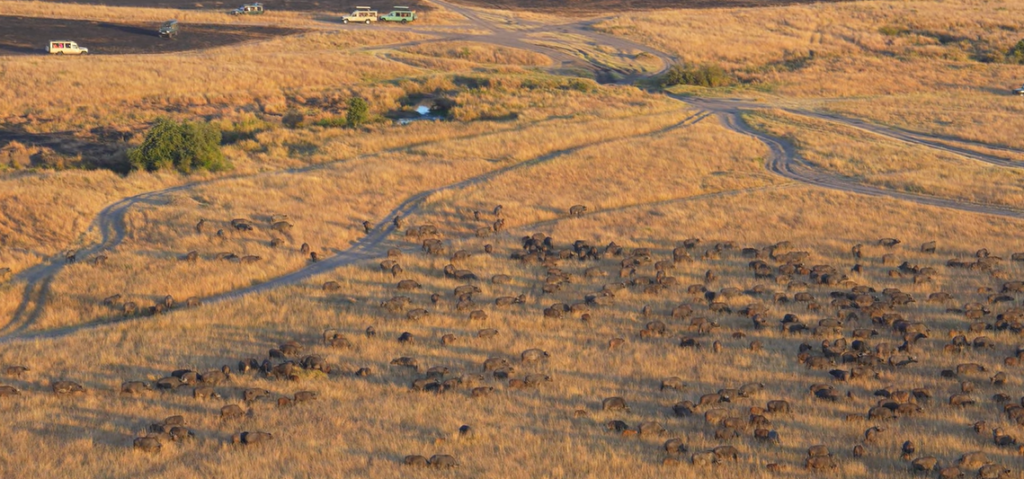
Park fees are one of the most important costs to consider when budgeting for a Kenya safari in 2026.
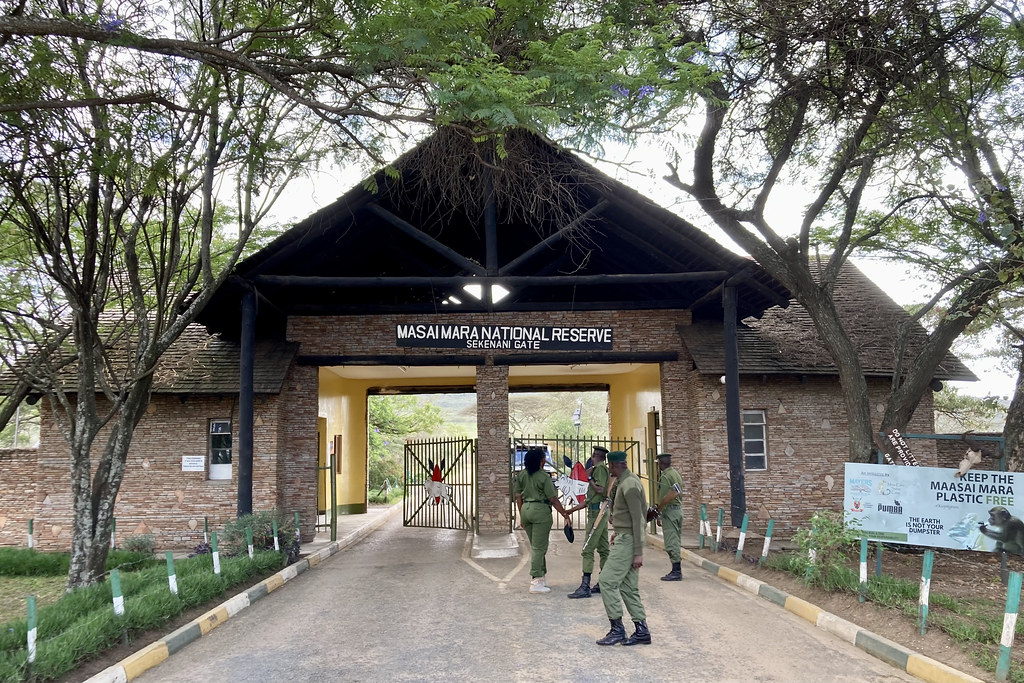
Maasai Mara Park Fees
The Maasai Mara has a strongly seasonal conservation-fee structure.
For non-resident adults, current 2026 rates are approximately:
-
January to June: USD 100 per adult
-
July to December: USD 200 per adult
The Mara Conservancy, which manages the Mara Triangle, also operates a 12-hour park-entry system. Its official guidance states that the ticket applies from 6:00 am to 6:00 pm and does not carry overnight simply because a visitor entered later in the day.
This makes season especially important.
A traveller spending several days in the Maasai Mara between July and December can pay hundreds of dollars in conservation fees before accommodation and transport are considered.
Amboseli National Park Fees
The official Kenya Wildlife Service currently lists Amboseli National Park at USD 90 per non-resident adult, with a non-resident child fee of USD 45.
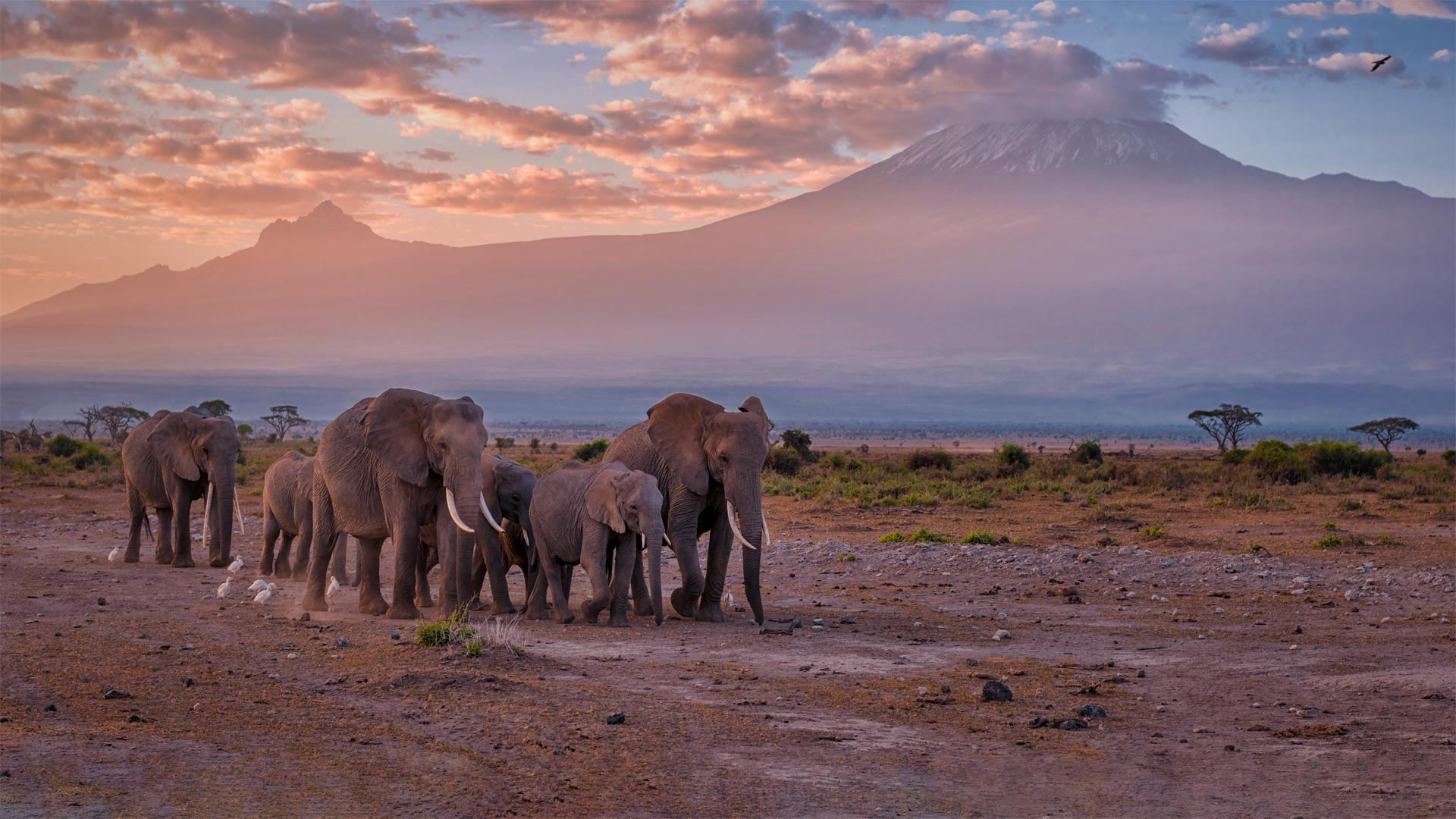
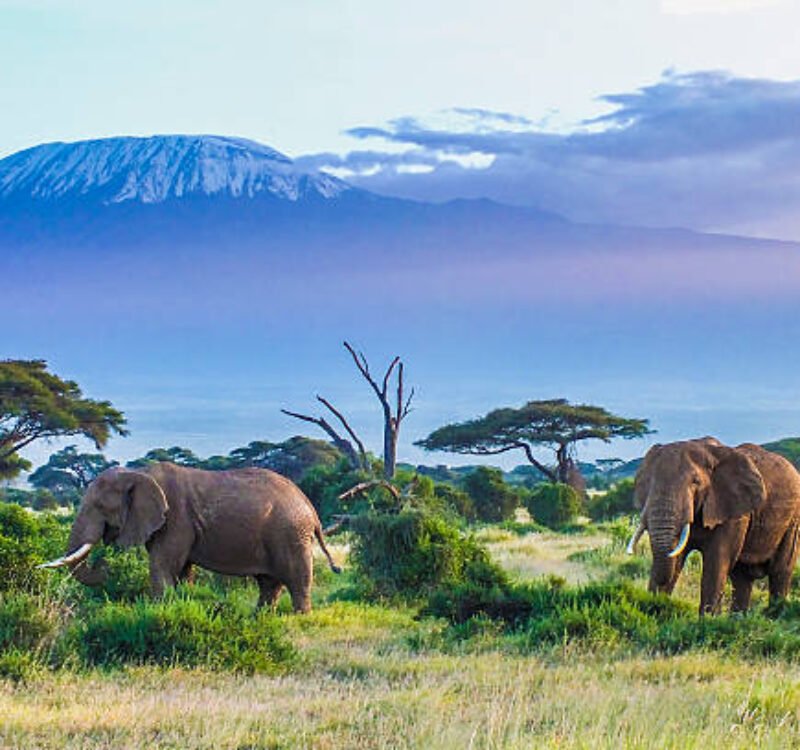
Amboseli remains one of Kenya’s most popular parks because of its large elephant populations, open landscapes and views toward Mount Kilimanjaro.
Explore NAMSA’s Amboseli National Park guide when comparing destinations.
Lake Nakuru National Park Fees
Kenya Wildlife Service also currently lists Lake Nakuru National Park at USD 90 per non-resident adult and USD 45 per non-resident child.
Lake Nakuru is particularly useful on a multi-destination Kenya safari because it combines Rift Valley landscapes, birdlife and important rhino habitat.
Nairobi National Park Fees
Kenya Wildlife Service currently lists Nairobi National Park at USD 80 per non-resident adult.
Because the park is located immediately outside Kenya’s capital, it can be an excellent option for travellers who have only one free day before or after a longer safari.
Why Paying Conservation Fees Matters
Higher conservation fees increase the overall cost of a Kenya safari, but they also support the landscapes and wildlife that travellers have travelled to experience.
Protected areas require rangers, wildlife monitoring, road maintenance, security, anti-poaching programmes and visitor management.
The Mara Conservancy provides public information about its conservation, security, tourism management and community activities, offering visitors greater insight into how the Mara Triangle is managed.
Responsible safari tourism also means respecting rules around wildlife viewing. Crowding animals, leaving approved tracks unnecessarily or pushing too close to predators may create better photographs for a few minutes, but it can damage the ecosystem and disturb wildlife.
A knowledgeable professional guide is therefore part of the value of a safari, not simply someone who drives the vehicle.
Budget Kenya Safari Cost
A budget Kenya safari is the most affordable way to experience destinations such as the Maasai Mara, Amboseli, Samburu and Lake Nakuru.
Expect to spend approximately USD 180 to USD 300 per person per day for many value-focused shared safaris, although extremely basic camping departures can sometimes start lower.
SafariBookings currently lists Kenya budget tours starting from around USD 110 per person per day in some cases, but such prices vary considerably according to itinerary, comfort and whether the traveller is sharing.
A typical budget safari may use:
-
Shared safari transport
-
Safari van or standard 4×4
-
Simple tented camps
-
Lodges outside park boundaries
-
Set departure dates
-
Fixed itineraries
-
Full-board meals on safari
Budget does not mean different wildlife.
A traveller staying in a simple camp outside the Maasai Mara can still encounter lions, elephants, buffalo, giraffes, cheetahs, zebras, wildebeest and many other animals.
What changes is mainly comfort, exclusivity, flexibility and privacy.
NAMSA currently advertises several value-focused itineraries, including a 6-Day Budget African Safari covering Amboseli, Lake Nakuru and Maasai Mara, with promotional prices currently shown from around USD 960 per person, subject to dates, availability and package conditions.
Private Budget Safari vs Group Safari
For a solo traveller, joining a group is usually the easiest way to reduce safari costs.
The vehicle, guide and fuel costs are shared with several other guests.
However, group safaris have limitations. Departure times, accommodation and itinerary are normally predetermined. You may also have less freedom to stay with an interesting lion sighting, leave earlier in the morning or adjust your route.
A private Kenya safari gives your party its own vehicle and guide.
Private safaris are especially attractive for:
-
Couples
-
Families
-
Photographers
-
Honeymooners
-
Groups of friends
-
Travellers with children
-
Travellers who prefer a slower pace
For two or more people, the additional cost of travelling privately can sometimes be smaller than expected because the fixed vehicle cost is divided between passengers.
Mid-Range Kenya Safari Cost
For many travellers, a private mid-range Kenya safari offers the best balance between price and comfort.
A useful 2026 planning budget is approximately USD 300 to USD 650 per person per day, depending on group size, season and destination.
Mid-range accommodation generally offers:
-
Proper beds
-
Private en-suite bathrooms
-
Hot showers
-
Permanent tented rooms or lodge rooms
-
Restaurant or buffet meals
-
Electricity
-
Comfortable common areas
-
Good access to safari destinations
Many private mid-range safaris also use a customised 4×4 Toyota Land Cruiser with a pop-up roof.
A seven-day route through Amboseli, Lake Naivasha, Lake Nakuru and Maasai Mara works particularly well at this level because the traveller can combine comfortable accommodation with enough time for wildlife viewing.
Read our 7-day Kenya safari itinerary for first-time visitors before deciding how many parks to include.
Luxury Kenya Safari Cost
A luxury Kenya safari typically begins around USD 600 per person per day, but prices can quickly exceed USD 1,000 to USD 1,500 per person per day.
At this level, accommodation becomes a much larger part of the cost.
Luxury safari camps can include:
-
Large safari suites
-
Private decks
-
Exceptional wildlife locations
-
Fine dining
-
Swimming pools
-
Plunge pools
-
Spa facilities
-
Personalised service
-
Small guest numbers
-
Premium guides
-
Private game drives
-
Sundowners and bush meals
Luxury pricing can become particularly high during the Great Migration.
Ultra-Luxury and Fly-In Kenya Safari Prices
At the upper end of the market, Kenya offers private villas, exclusive-use camps, charter flights, private safari vehicles, specialist photographic guides and highly personalised services.
A high-end fly-in safari can therefore cost USD 1,500 to USD 3,000+ per person per day, and exclusive private arrangements can rise further.
At this level, travellers are paying for more than a luxurious room.
They are paying for:
-
Privacy
-
Prime location
-
Fewer guests
-
Exclusive vehicles
-
Personalised guiding
-
Reduced transfer time
-
Premium food and service
-
Seamless logistics
For travellers with limited holiday time, flights can also replace long road transfers.
How Accommodation Changes Your Kenya Safari Price
Accommodation is one of the largest differences between a USD 250-per-day safari and a USD 1,000-per-day safari.
A budget camp concentrates on the essentials: a clean bed, meals, basic facilities and somewhere comfortable to sleep between game drives.
A mid-range camp improves room size, bathroom facilities, service and food while maintaining the atmosphere of a safari camp.
Luxury camps add location, exclusivity, design, service and personalised experiences.
Location is particularly important.
A lodge immediately outside a reserve may cost less while still providing quick access to the gate.
A camp deep inside a prime wildlife area may be more expensive but can reduce morning travel time and place guests closer to wildlife activity.
Neither option is automatically better. The right choice depends on your itinerary and budget.
How Group Size Affects Kenya Safari Cost
Group size can significantly reduce the Kenya safari cost per person.
Imagine that your private vehicle, driver-guide and fuel create a fixed daily transport cost.
If one traveller uses the vehicle, that person effectively carries almost the whole cost.
With two travellers, the cost is divided.
With four travellers, it is divided further.
This is why solo private safaris are usually comparatively expensive.
However, the saving becomes less dramatic after several people join because accommodation, meals, park fees, flights and many activities remain charged per person.
NAMSA’s 7 Days Samburu, Lake Nakuru and Maasai Mara Safari illustrates this directly, with its detailed seasonal pricing decreasing per person as more travellers share the vehicle.
Does a 4×4 Land Cruiser Cost More?
Usually, yes.
Budget safari packages may use a safari van with a pop-up roof, which can provide good wildlife viewing while keeping costs lower.
Private mid-range and luxury safaris increasingly use customised 4×4 Toyota Land Cruisers.
Their advantages include:
-
Higher ground clearance
-
Better handling on rough roads
-
Stronger off-road capability where permitted
-
Pop-up roofs
-
Better photography positions
-
More luggage space
-
Increased passenger comfort
For a serious wildlife photographer, the quality and configuration of the safari vehicle can matter almost as much as the accommodation.
Road Safari vs Fly-In Safari
Travelling by road is one of the easiest ways to keep your Kenya safari price under control.
Kenya has several logical safari circuits.
For example:
Nairobi → Amboseli → Lake Naivasha → Lake Nakuru → Maasai Mara → Nairobi
This is the route we recommend in our Kenya safari itinerary for first-time visitors.
A fly-in safari exchanges money for time.
Flying into destinations such as the Maasai Mara can reduce many hours of road travel, leaving more time for wildlife viewing and relaxation.
A useful compromise is to travel by road through several destinations and fly back to Nairobi from the final safari location.
Does the Time of Year Affect Kenya Safari Prices?
Yes, significantly.
July to October is among the busiest safari periods, particularly in the Maasai Mara because travellers hope to experience the Great Wildebeest Migration.
Demand for accommodation is high, premium camps sell earlier and discounts become more difficult to find.
The Maasai Mara’s conservation-fee structure also makes the July to December period more expensive for non-resident adults than January to June.
However, the Great Migration does not make the rest of the year a poor time for safari.
Kenya remains a rewarding wildlife destination throughout much of the year.
January and February can offer excellent general wildlife viewing. Green-season months can provide beautiful landscapes, dramatic skies, birdlife and lower accommodation prices.
Read our complete guide to the best time to visit Kenya for safari before choosing your travel dates.
How Much Does a 3-Day Kenya Safari Cost?
A three-day safari works well when concentrating on the Maasai Mara or combining Lake Naivasha with the Mara.
For planning purposes:
-
Budget: approximately USD 600 to USD 900 per person
-
Private mid-range: approximately USD 900 to USD 1,800+
-
Luxury: approximately USD 1,800+ per person
Current NAMSA listings provide useful real examples.
The 3-Day Lake Naivasha and Maasai Mara Budget Safari is currently advertised from approximately USD 800 per person, while the mid-range version is currently listed from approximately USD 1,025 per person. Final pricing depends on travel dates, availability and group size.
How Much Does a 5-Day Kenya Safari Cost?
A five-day safari is a good starting point for a first visit.
A broad planning range is:
-
Budget: around USD 900 to USD 1,500
-
Private mid-range: around USD 1,500 to USD 3,000
-
Luxury: around USD 3,000+
Five days is usually enough for two or three destinations.
For example, you might combine:
-
Lake Naivasha + Lake Nakuru + Maasai Mara
-
Amboseli + Lake Naivasha + Maasai Mara
-
Amboseli + Tsavo East + Tsavo West
The most important rule is not to add too many parks simply to make the itinerary look impressive.
Safari quality depends on the amount of time you actually spend observing wildlife.
How Much Does a 7-Day Kenya Safari Cost?
Seven days is one of the best safari lengths for first-time visitors.
A practical planning range is approximately:
-
Budget: USD 1,400 to USD 2,500 per person
-
Private mid-range: USD 2,100 to USD 4,500 per person
-
Luxury: USD 4,200 to USD 10,500+ per person
Prices can be lower or considerably higher depending on group size and season.
NAMSA currently publishes a 7-Day Samburu, Lake Nakuru and Maasai Mara Safari with several seasonal price levels according to the number of travellers.
For visitors who prefer southern Kenya, the classic Amboseli, Lake Naivasha, Lake Nakuru and Maasai Mara route is another excellent seven-day option.
How Much Does a 10-Day Kenya Safari Cost?
A ten-day safari allows you to travel beyond Kenya’s most famous circuit.
A broad budget may be:
-
Budget: approximately USD 2,000 to USD 3,500+
-
Private mid-range: approximately USD 3,000 to USD 6,500+
-
Luxury: USD 6,000 to USD 15,000+
SafariBookings notes that the cost of a 10-day itinerary varies considerably according to accommodation, private versus group travel and transport. Its current examples show budget camping tours beginning significantly lower than premium lodge itineraries.
With ten days, travellers can consider places such as:
-
Samburu
-
Ol Pejeta
-
Laikipia
-
Amboseli
-
Tsavo
-
Lake Nakuru
-
Lake Naivasha
-
Maasai Mara
A longer itinerary also gives you enough time to slow down rather than continually moving between destinations.
How Much Does a Maasai Mara Safari Cost?
The Maasai Mara safari cost varies greatly according to season.
The reserve fee is only one component.
You also need to budget for:
-
Accommodation
-
Safari transport
-
Driver-guide
-
Meals
-
Fuel
-
Game drives
-
Optional activities
For a non-resident adult in 2026, the conservation fee is approximately USD 100 from January through June and USD 200 from July through December. The Mara Triangle follows a 6:00 am to 6:00 pm ticket system.
A short road-based Mara safari can remain relatively affordable.
However, a luxury camp during migration season, scheduled flights from Nairobi, private vehicles and a balloon safari can quickly push a three or four-night Maasai Mara trip into several thousand dollars per traveller.
Learn more from our complete Maasai Mara Game Reserve guide.
Why Is the Maasai Mara Worth the Cost?
Few safari destinations combine so many classic African wildlife experiences in one ecosystem.
The Maasai Mara offers:
-
Lions
-
Leopards
-
Cheetahs
-
Elephants
-
Buffalo
-
Rhinos
-
Giraffes
-
Hyenas
-
Wildebeest
-
Zebras
-
Hippos
-
Crocodiles
-
Rich birdlife
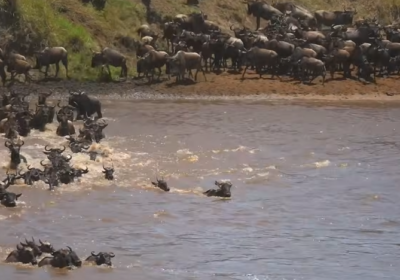
It also forms the northern part of the wider Serengeti-Mara ecosystem and becomes particularly famous during the seasonal Great Migration.
If the migration is one of your main reasons for travelling, read our guide to the best time to see the Great Wildebeest Migration in Kenya.
However, river crossings are natural wildlife events and cannot be guaranteed on a particular day.
Maasai Mara Hot-Air Balloon Safari Cost
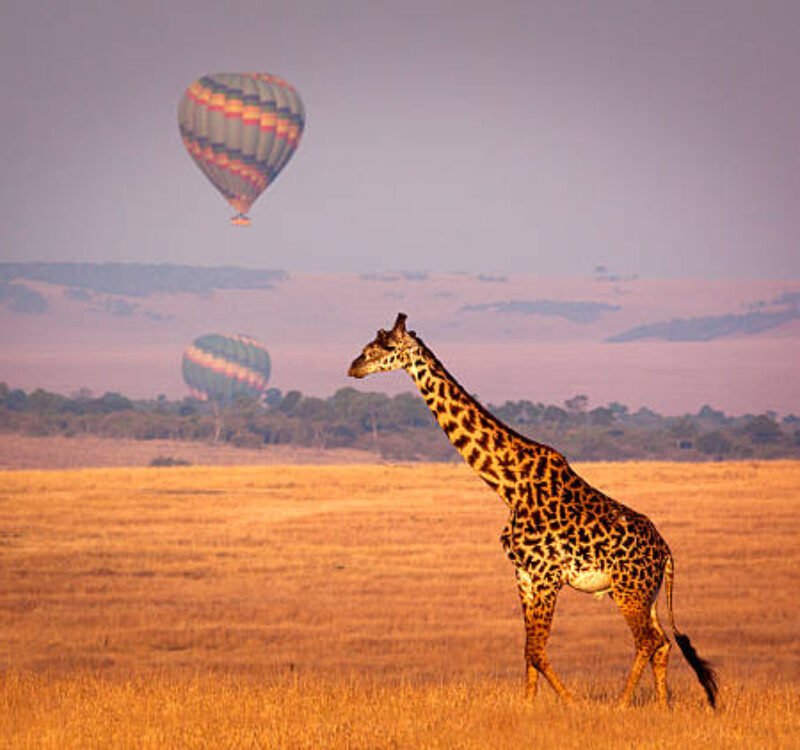
A hot-air balloon safari is one of the most popular optional additions to a Maasai Mara itinerary.
A realistic 2026 planning budget is approximately USD 450 to USD 600 per person, although prices vary by operator, season and inclusions.
Governors’ Camp describes a typical experience as beginning before dawn, followed by approximately one hour in the air and a bush breakfast after landing.
Because balloon flights depend on weather and operational conditions, they should always be treated as optional experiences rather than guaranteed wildlife events.
Kenya eTA Cost
International travellers should also budget for Kenya’s travel-authorisation requirements where applicable.
The official Kenya Electronic Travel Authorisation portal states that standard applications currently start at USD 30, while faster services cost more. It also advises travellers to apply only through the official government website or official app.
Before travelling, read our 2026 Kenya travel documents guide and confirm the latest requirements directly with the Kenyan authorities.
What Does a Kenya Safari Package Normally Include?
A safari quotation should clearly state exactly what you are paying for.
Typical inclusions may be:
-
Safari vehicle
-
Professional driver-guide
-
Game drives
-
Accommodation
-
Breakfast, lunch and dinner
-
Park entrance fees
-
Transfers
-
Drinking water
-
Government taxes
Do not assume every operator includes the same services.
Ask these questions before paying:
-
Are all park fees included?
-
Is the safari private or shared?
-
Will we travel in a van or Land Cruiser?
-
Which accommodation is confirmed?
-
Are meals included?
-
How many game drives are included?
-
Are airport transfers included?
-
Are conservancy fees included?
-
Are optional activities included?
-
Are there seasonal supplements?
A transparent safari quotation should make these points easy to understand.
Costs Usually Not Included in a Kenya Safari
Common exclusions include:
-
International flights
-
Travel insurance
-
Kenya eTA
-
Tips and gratuities
-
Alcoholic drinks
-
Premium beverages
-
Laundry
-
Souvenirs
-
Maasai village visits
-
Hot-air balloon flights
-
Some conservancy activities
-
Personal expenses
Domestic flights may also be excluded unless the itinerary is specifically sold as a fly-in package.
Maasai Cultural Experience Cost
A Maasai cultural visit is generally an optional activity and prices vary by village, location and arrangement.
Rather than choosing the cheapest possible stop, ask your operator how the community benefits from the visit.
A meaningful experience should create an opportunity to learn about Maasai culture, pastoral life, traditions and community history while ensuring local hosts receive appropriate economic benefit.
Responsible tourism is particularly important in the Greater Mara ecosystem, where wildlife conservation, tourism and Maasai land use are closely connected.
Should You Book With a Local Kenya Safari Operator?
Booking with a reputable local Kenya safari company can provide strong value because the company operates directly within the destination.
A local operator can coordinate:
-
Vehicles
-
Guides
-
Accommodation
-
Park entry
-
Airport transfers
-
Route changes
-
Local support
-
Emergency logistics
This does not mean every local company is automatically better than an international operator.
Check:
-
Tourism licensing
-
Company registration
-
Reviews
-
Communication
-
Payment terms
-
Cancellation terms
-
Vehicle quality
-
Guide experience
-
Detailed inclusions
-
Confirmed accommodation
The best safari company is the one that is transparent, properly established and capable of delivering what it promises.
How to Make a Kenya Safari Cheaper Without Ruining the Experience
You do not need to choose the lowest-quality safari to reduce your budget.
Travel Outside Peak Season
Accommodation can cost considerably less outside the busiest migration months.
Travelling between January and June also currently attracts the lower Maasai Mara non-resident conservation fee compared with July to December.
Travel With Other People
Two to six travellers can share the fixed cost of a private safari vehicle and guide.
Travel by Road
Road safaris generally cost less than taking several scheduled flights.
Mix Accommodation Levels
Stay in comfortable mid-range camps for most nights and upgrade to luxury accommodation for one or two special nights.
Stay Near Park Gates
Accommodation immediately outside a protected area can sometimes provide better value while keeping transfer times reasonable.
Avoid Too Many Destinations
Adding another national park is not always an improvement.
Extra transfers mean more fuel, more driving and less wildlife-viewing time.
Protect Your Guide Budget
Do not sacrifice guide quality merely to save a small amount of money.
An experienced guide can often make a larger difference to your safari experience than a more expensive room.
Is the Cheapest Kenya Safari the Best Deal?
Usually not.
There is an important difference between cheap and good value.
A low-price safari may involve:
-
Too many passengers in one vehicle
-
Poorly maintained vehicles
-
Inexperienced guides
-
Very long transfer days
-
Limited game drives
-
Unclear accommodation
-
Unexpected park-fee supplements
A well-designed safari may cost slightly more but provide far greater value through better game viewing, reliable logistics and more comfortable travel.
Before booking, request a detailed itinerary and complete list of inclusions.
Is a Kenya Safari Worth the Cost?
For travellers who value wildlife, nature and photography, Kenya offers remarkable variety within one country.
Amboseli brings elephants and Kilimanjaro.
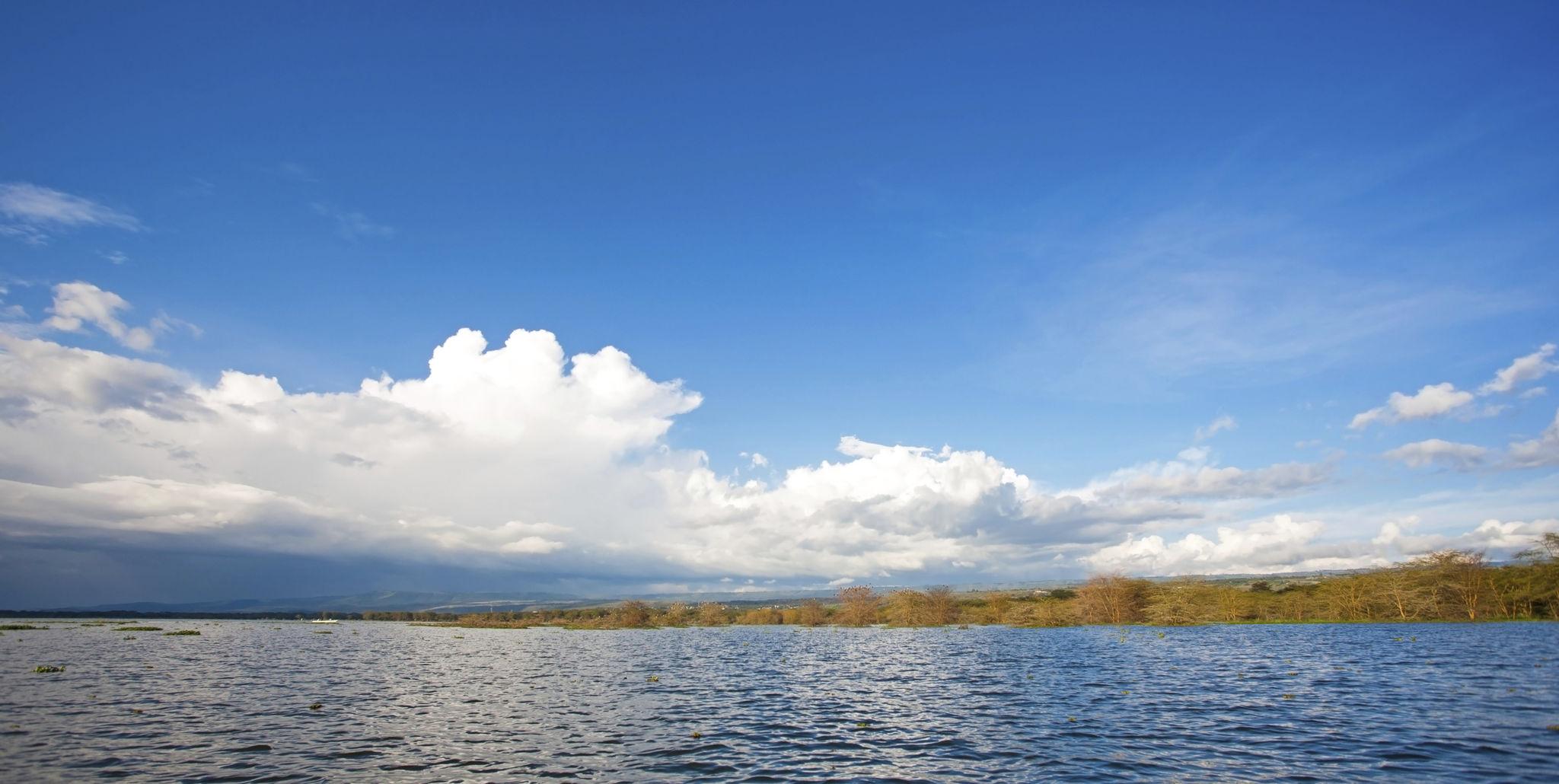
Lake Naivasha brings water, hippos and birdlife.
Lake Nakuru offers Rift Valley landscapes and rhino habitat.
Samburu introduces northern species and very different scenery.
The Maasai Mara provides predators, classic savannah landscapes and the seasonal Great Migration.
Kenya’s tourism industry also has major economic importance. The World Travel & Tourism Council reported that Kenya welcomed approximately 2.5 million international visitors in 2025, with international visitor spending reaching about USD 5 billion.
For many travellers, therefore, the question is not simply whether a safari is expensive. It is how to design the safari so that the money is spent on the experiences that matter most.
Frequently asked questions
Have more questions? Contact us.
How much should I budget for a Kenya safari?
For a comfortable private safari, a useful starting budget is approximately USD 300 to USD 650 per person per day. Group budget safaris can cost less, while luxury safaris commonly exceed USD 600 per person per day.
What is the average Kenya safari cost per day?
Independent safari-market data currently places many budget Kenya safaris at around USD 200 per person per day and mid-range safaris around USD 300 per person per day, although private travel, migration season and premium accommodation can increase prices considerably.
How much does a 3-day Kenya safari cost?
A three-day safari may cost approximately USD 600 to USD 1,800+ per person, depending on accommodation and whether the safari is private. NAMSA currently lists its three-day Lake Naivasha and Maasai Mara options from approximately USD 800 for the budget version and USD 1,025 for the mid-range version, subject to availability and travel dates.
How much does a 7-day Kenya safari cost?
A seven-day safari may cost approximately USD 1,400 to USD 2,500 for budget travel, around USD 2,100 to USD 4,500 for many private mid-range itineraries, and USD 4,200 to USD 10,500+ for luxury travel.
Is Maasai Mara expensive?
The Maasai Mara is one of the more expensive parts of a Kenya safari, especially during migration season. Non-resident adult conservation fees rise from approximately USD 100 from January to June to USD 200 from July to December.
What is the cheapest time for a Kenya safari?
April and May can offer attractive accommodation prices because demand is lower, although travellers should expect rain and potentially more challenging road conditions. Other shoulder-season months can also provide good value.
Are Kenya safari park fees normally included?
Many organised safari packages include park fees, but you should never assume this.
Always check the quotation before paying.