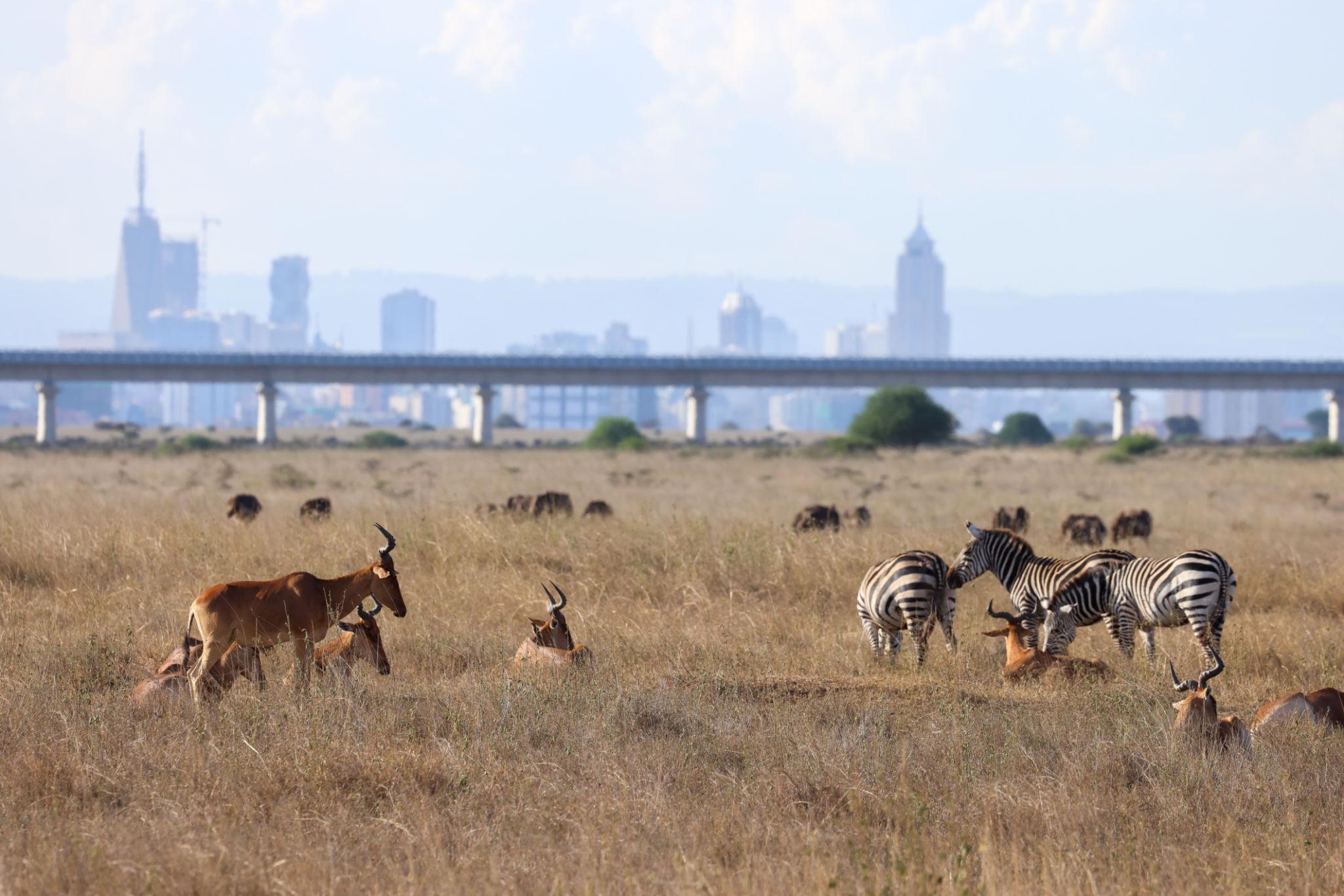
Lake Nakuru National Park Fees 2026/2027: Entry Costs, Vehicle Charges and Safari Planning Guide
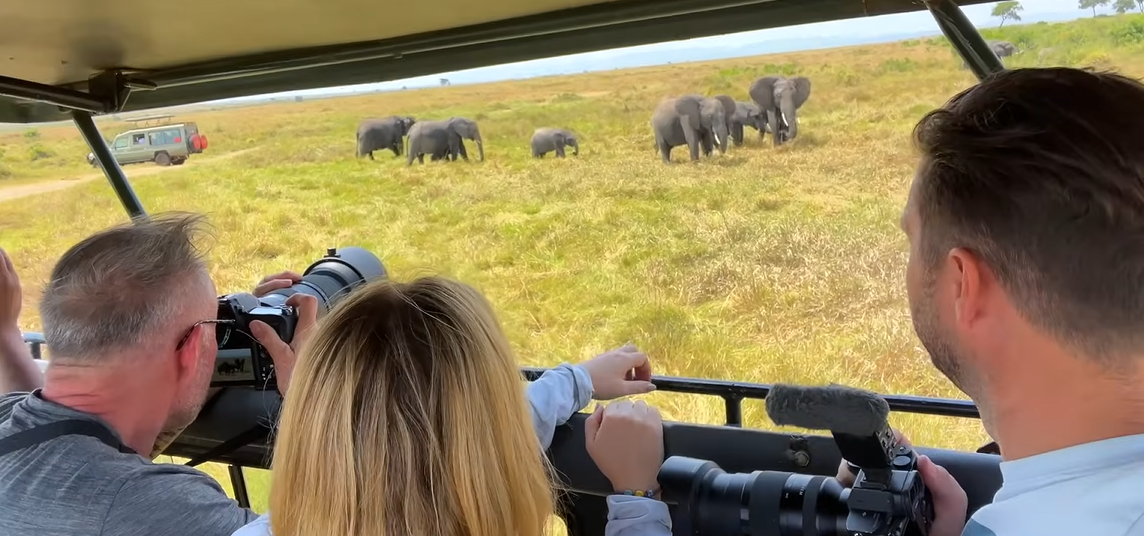
NAMSA Prestigious Tours · Kenya Safari Travel Guide
Lake Nakuru National Park fees 2026/2027 for planning a Kenya safari itinerary should be checked carefully before travel because passenger entry, vehicle charges, camping, accommodation and optional activities are separate parts of the final safari cost.
Current Lake Nakuru National Park fees for 2026/2027
Kenya Wildlife Service places Lake Nakuru National Park in the Premium Parks category together with Amboseli National Park. The official KWS fee schedule currently lists four main visitor categories. These are the figures a traveller should use as the starting point when comparing safari costs in Kenya.
Adult: KES 1,500
Child/Student: KES 750
Use the appropriate valid identification document required by KWS.
Adult: KES 2,025
Child/Student: KES 1,050
This category applies to eligible non-citizens residing in Kenya with a valid resident permit.
Adult: USD 50
Child/Student: USD 25
KWS defines this category for eligible nationals of African countries outside the East African citizen category.
Adult: USD 90
Child/Student: USD 45
This is the standard visitor category for many international Kenya travellers.
For the latest official amount, check the Kenya Wildlife Service Lake Nakuru National Park page and the official KWS conservation fee schedule before payment.
Who pays which Lake Nakuru visitor rate?
The correct category depends on your citizenship or legal residency status. A traveller should not assume that living in Kenya automatically means paying the East African citizen rate. KWS separates East African citizens from Kenya residents and requires relevant identification documents.
An East African citizen should travel with the accepted national identity or passport documentation. A Kenya resident who is not an East African citizen should carry valid residency documentation. An African citizen outside the East African category should use a valid passport, while a non-resident should also carry a valid passport.
This matters when booking a Kenya safari because mixed groups can contain several visitor categories. For example, a family may include a Kenyan citizen, a foreign spouse with residency and visiting relatives who are non-residents. A professional safari quotation should calculate each traveller correctly instead of applying one rate to the whole group.
Children, student rates and KWS exemptions
Under the current KWS guidance, a child is a person aged five years but below 18 years. The regulations also state that a child aged five years and younger is exempt from conservation fees. Because the wording can appear confusing at the age-five boundary, families should confirm the payable category with KWS for the specific child before purchasing a ticket.
A student rate is not simply a discount for anyone carrying a university card. KWS defines a student as an individual not older than 23 years from a recognised secondary school, college or university who is visiting for educational purposes under a documented and organised arrangement with the institution.
KWS also lists conservation-fee exemptions for a Kenyan citizen aged 70 years and older, a person with disability, and certain registered tourism professionals when the regulatory conditions are met. Carry the relevant original documents required for verification.
Do not estimate child or student eligibility from age alone. Ask for the required documents before the safari date, especially when booking family Kenya safaris, group Kenya safaris or organised educational travel.

Lake Nakuru safari vehicle charges
Passenger park entry and vehicle entry are separate. This is one of the most important details when comparing affordable Kenya safari packages because a quotation that mentions only the passenger fee may not represent the full park cost.
Vehicle with fewer than 6 seats
KES 600 per day
Common for smaller private vehicles, depending on the registered seating category.
Vehicle with 6 to 12 seats
KES 1,500 per day
This category commonly covers safari vans and some tour vehicles.
Vehicle with 13 to 24 seats
KES 3,000 per day
Relevant to larger organised groups and higher-capacity vehicles.
Vehicles with 25 seats and above
From KES 4,500 per day
KWS lists KES 4,500 for 25 to 44 seats and KES 5,000 for 45 seats and above.
When comparing Kenya safari vehicle types, do not judge only by the vehicle fee. A safari van can reduce transport costs, while a 4x4 Land Cruiser can offer stronger clearance, viewing position and comfort on rougher routes. The best option depends on the route, season, photography needs, group size and total budget.
How to calculate your Lake Nakuru entry cost
For two non-resident adults and one eligible child, the passenger conservation fees total USD 225 for one chargeable entry period at the current listed rates. A qualifying vehicle fee is then added separately in Kenya shillings.
For two East African citizen adults and one eligible child, the passenger conservation fees total KES 3,750 for one chargeable entry period. The relevant vehicle charge is then added according to seating capacity.
KWS defines the daily fee as a fee for a single access to a national park, reserve or sanctuary, valid for a period not exceeding 24 hours. This means travellers should not assume that leaving the park and returning later is automatically covered by the original entry. If your itinerary involves exiting for a lodge, meal, transfer or overnight stay, confirm the applicable entry arrangement before travel.
How to pay Lake Nakuru National Park fees
The safest starting point is the official KWS park page and the government KWS Pay platform. Enter the correct date, park, visitor categories and vehicle information, then review the details before completing payment.
Travellers can use the official KWS Pay eCitizen platform. If a safari company is arranging entry on your behalf, ask for the booking confirmation or receipt and make sure the park, date, group size and visitor categories match your itinerary.
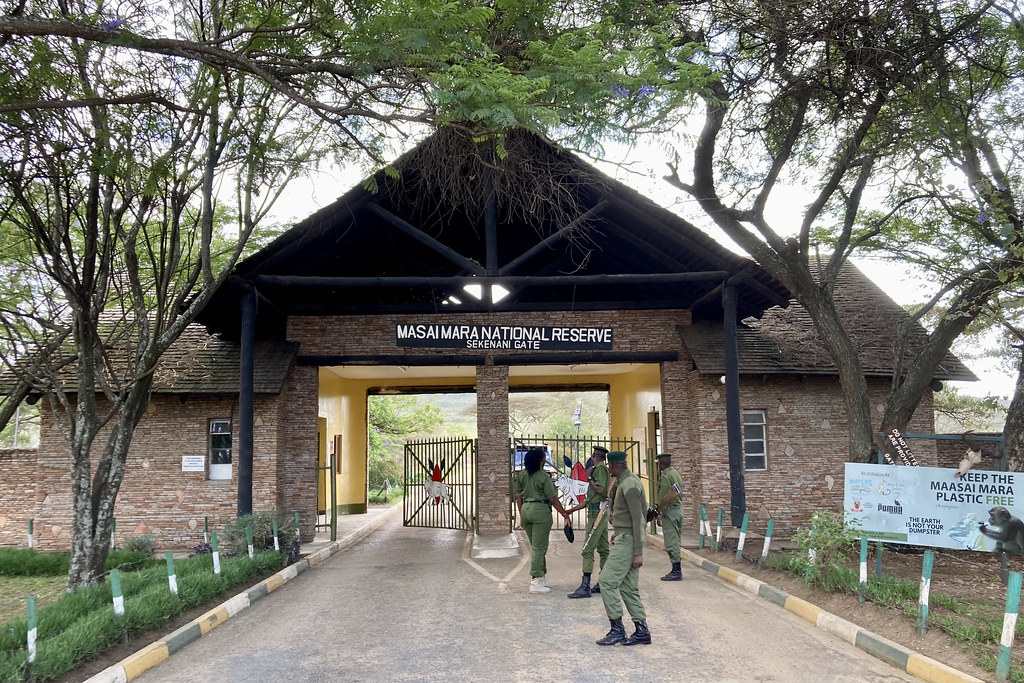
For Kenya travellers booking several parks, keep each protected area separate in your budget. Lake Nakuru is managed by Kenya Wildlife Service, while other safari destinations can operate under different authorities and fee systems. A Masai Mara safari, for example, should not be priced by simply copying the Lake Nakuru fee structure.
Why Lake Nakuru is worth adding to a Kenya safari
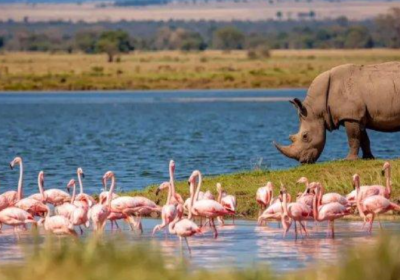
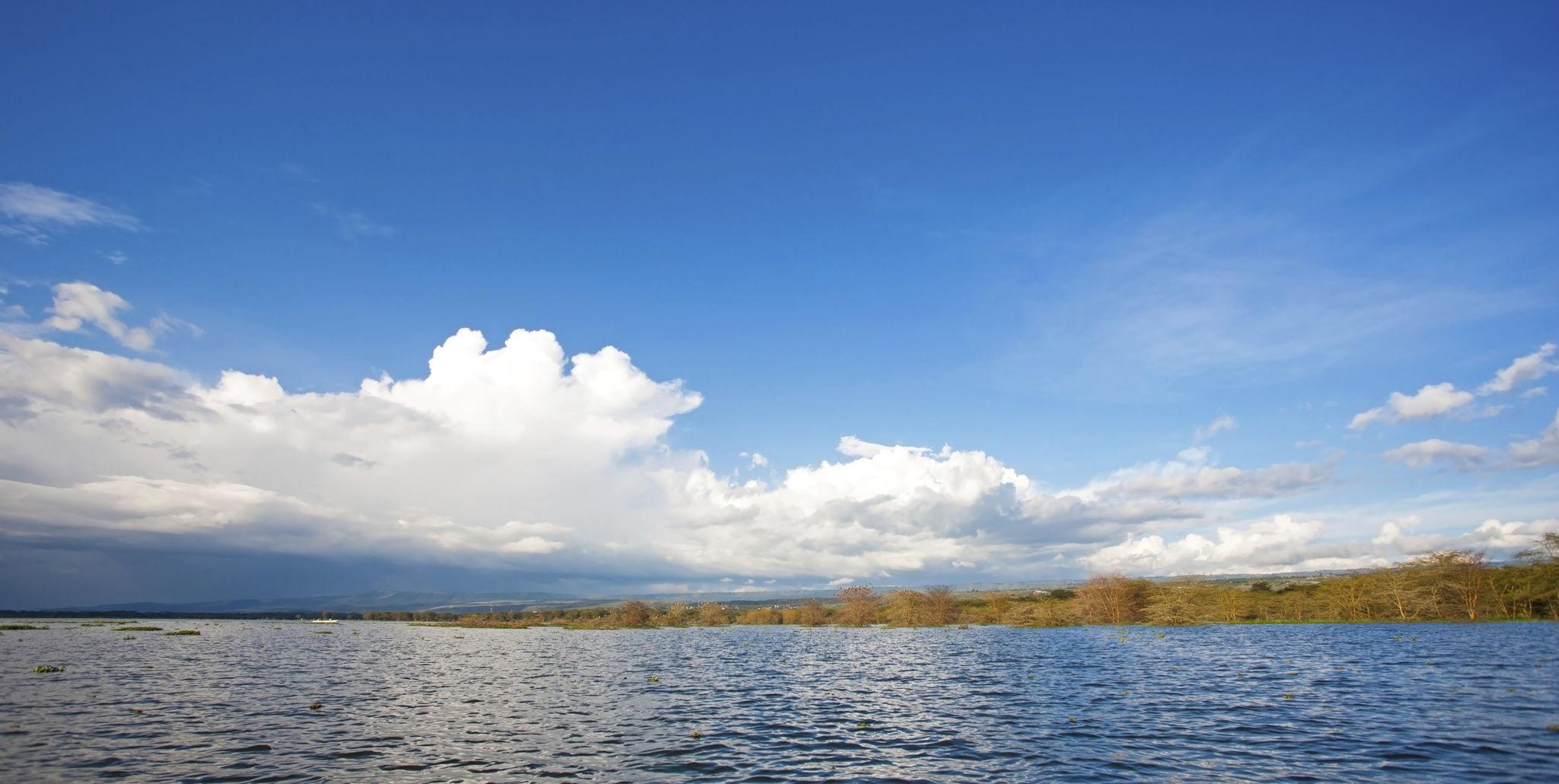
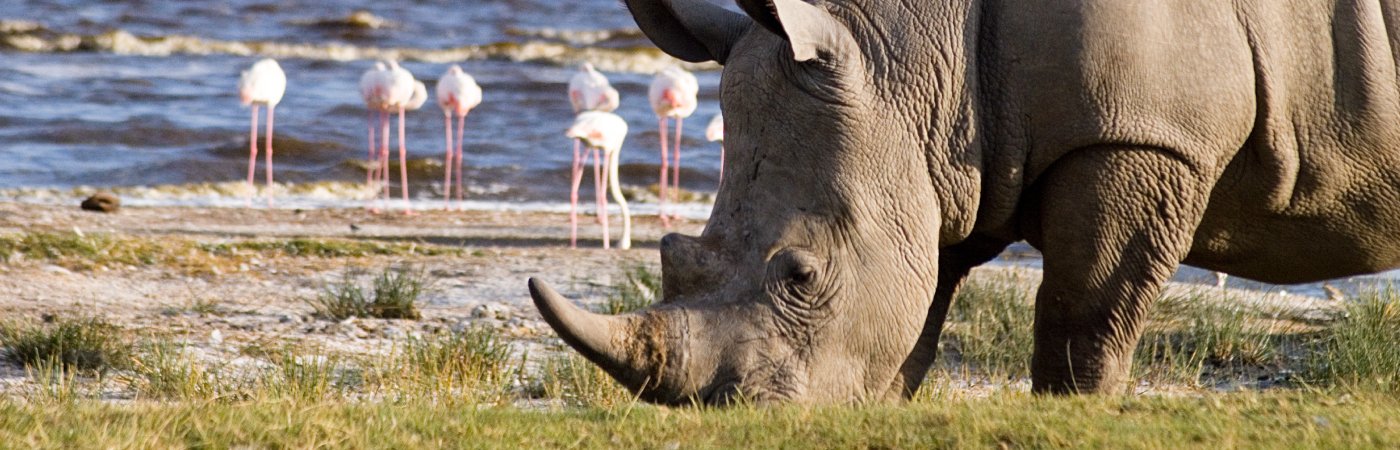
Lake Nakuru is more than a convenient stop between Nairobi and the Maasai Mara. Kenya Wildlife Service describes it as a major rhino sanctuary and a birdwatching destination with approximately 450 recorded bird species. Black and white rhinos are among the park’s most important conservation attractions, while buffaloes, giraffes, waterbuck, baboons, lions, leopards and many bird species can also form part of the wildlife experience.
The wider conservation importance is internationally recognised. Lake Nakuru forms part of the UNESCO World Heritage-listed Kenya Lake System in the Great Rift Valley, together with Lake Bogoria and Lake Elementaita. It is also recognised through the Ramsar Sites Information Service as a Wetland of International Importance.
These designations make Lake Nakuru especially relevant for travellers interested in sustainable safari Kenya experiences, wildlife conservation, birding and responsible tourism. A good game drive should therefore be about more than collecting animal sightings. It should also help travellers understand how the lake, grassland, woodland, escarpment and protected wildlife fit together.

Build Lake Nakuru into a wider Kenya safari itinerary
Lake Nakuru works particularly well in Kenya safari tours that connect Nairobi, Lake Naivasha and the Masai Mara. Kenya travellers with more time can also combine the Rift Valley with Amboseli National Park tours, Nairobi National Park tours, Tsavo safaris, Samburu, Laikipia or Mount Kenya. This creates a more varied Kenya savannah tour because each destination contributes a different wildlife and landscape experience.
A budget Kenya safari may use a safari van and affordable camps or lodges. Mid-range safaris normally add more comfort, stronger accommodation locations and greater flexibility. Luxury Kenya safaris can include premium Kenya safari lodges, tented camps, private guides, exclusive vehicles and personalised scheduling. Private Kenya safaris give couples, photographers and families more control over game-drive pacing, while group Kenya safaris can reduce shared transport costs.
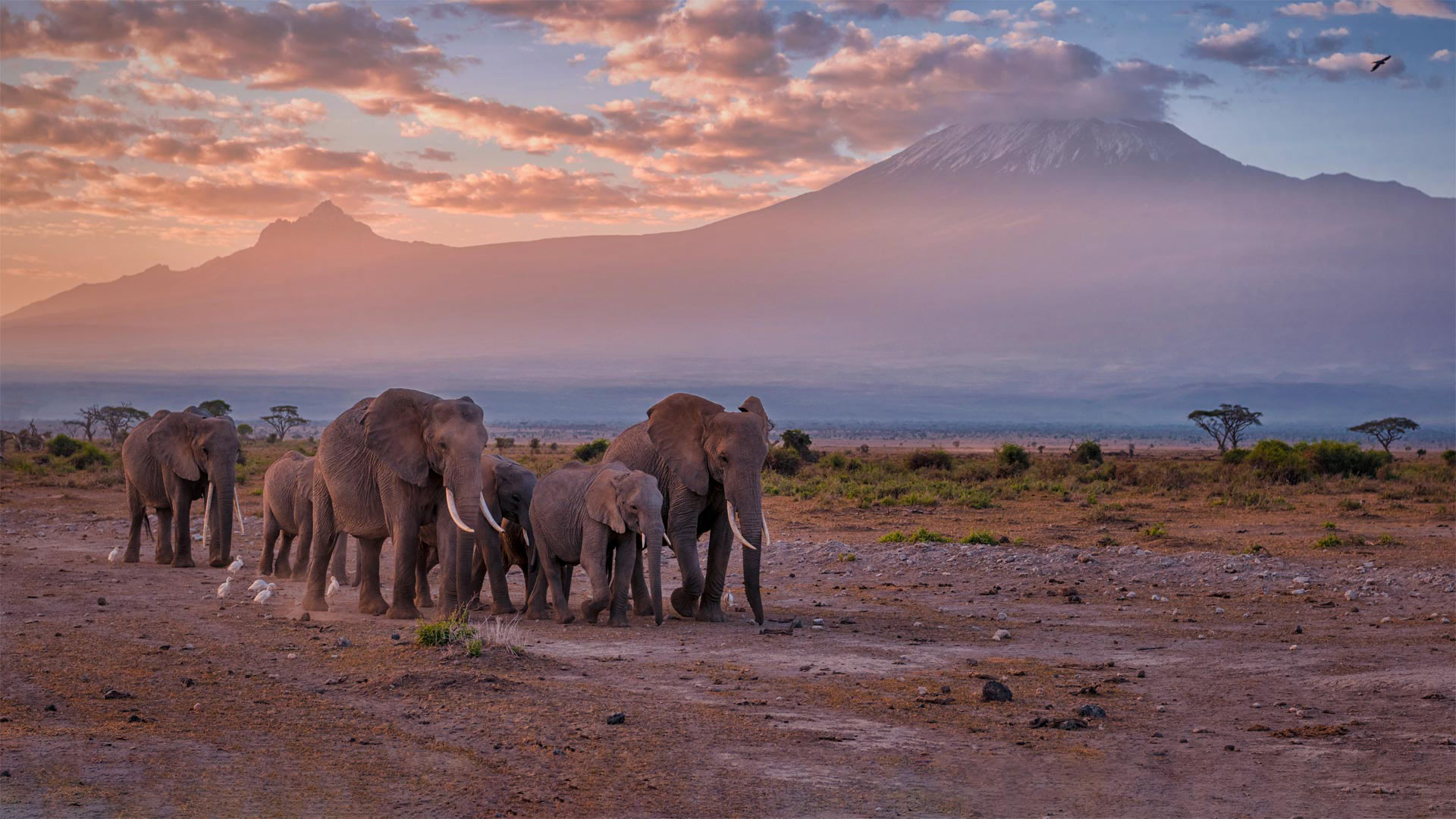
For first-time visitors, a balanced Kenya safari itinerary can combine Lake Nakuru for rhinos and birdlife with the Masai Mara for big cats, open savannah and the Great Migration Kenya safari experience in season. Amboseli can add elephants and views towards Mount Kilimanjaro, while Lake Naivasha can add boat-based wildlife viewing. Travellers interested in broader Kenya adventure travel can also consider Mount Kenya trekking tours, Kenya cultural tours or a Kenya beach holiday combined with safari.
The best time to visit Kenya safari destinations depends on your wildlife priorities, weather preference, budget and accommodation availability. The best time to book a Kenya safari also varies. Peak-season Kenya safari lodges, tented camps, Great Migration dates and highly requested private guides usually require earlier planning than flexible low-season trips.
Lake Nakuru game drives
Learn what to expect from rhino viewing, birdlife, viewpoints and game-drive planning.
Read the Lake Nakuru game drive guideBest time to visit Lake Nakuru
Compare seasons, wildlife viewing conditions, birding and photography considerations.
Plan the best time to visit Lake NakuruLake Nakuru safari map
Use the map guide to understand gates, wildlife viewpoints and game-drive planning.
Open the Lake Nakuru safari map guideWhat is Lake Nakuru famous for?
Explore the park’s rhinos, flamingos, viewpoints, birdlife and conservation story.
Explore Lake Nakuru wildlife and sceneryBefore travelling to Kenya
International visitors should check current Kenya entry requirements through the official Kenya Electronic Travel Authorisation website rather than depending on an old blog or third-party visa agent. Requirements vary by nationality and exemption category.
Kenya’s official eTA platform also carries current information about inbound travel health insurance requirements. Because immigration and health rules can change, confirm the requirement that applies to your nationality and travel date before departure. This should form part of your Kenya safari travel insurance and health precautions for Kenya travel planning.
A practical packing list for Kenya safari travel normally includes lightweight neutral clothing, sun protection, a warm layer for early game drives, comfortable shoes, personal medication, binoculars, camera equipment and secure copies of travel documents. Packing should be adjusted for season, destination and activities.
How to choose a Kenya safari company
When comparing safari companies in Kenya, price should not be the only factor. A trusted Kenya safari company should be able to explain its licence status, vehicle type, driver-guide arrangement, accommodation standard, park-fee treatment, cancellation terms and what is included or excluded from the quotation.
Before booking a Kenya safari, use the official Tourism Regulatory Authority licence verification system to check a Kenya tourism licence where appropriate. Independent Kenya tour reviews can also help, but read the detail rather than relying only on a star score. Look for repeated comments about communication, guide quality, punctuality, vehicle condition, itinerary delivery and how the company handled changes.
The best Kenya tour operators for one traveller may not be the best for another. A photographer may value a private vehicle and flexible game drives, while a family may prioritise room configuration, child-friendly pacing and shorter transfer days. Budget travellers may focus on affordable Kenya safari packages, while guests seeking luxury Kenya safari operators with private guides may prioritise exclusive lodges, premium tented camps and personalised service.
Useful safari booking tips in Kenya include asking whether park fees are included, requesting the exact accommodation names, confirming airport transfers, checking the vehicle type, understanding the cancellation policy and asking how any official park-fee change will be handled after booking. These details are more useful than choosing a company only because it describes itself as one of the top rated Kenya safari companies.
Frequently asked questions about Lake Nakuru National Park fees
How much is Lake Nakuru National Park for a non-resident adult?
The current KWS conservation fee is USD 90 per non-resident adult. Vehicle charges and other safari costs are separate.
How much does a Kenya resident pay at Lake Nakuru?
The current listed rate is KES 2,025 for an eligible Kenya resident adult and KES 1,050 for an eligible child or student. Carry valid residency documentation.
How much does an East African citizen pay?
The current listed rate is KES 1,500 for an East African citizen adult and KES 750 for an eligible child or student.
Is the safari vehicle included in the park entry ticket?
No. KWS lists motor vehicle charges separately according to seating capacity. Ask your safari operator whether the vehicle fee is already included in your quotation.
Does one Lake Nakuru ticket allow unlimited re-entry for 24 hours?
Do not assume unlimited re-entry. KWS defines the daily fee as a single access valid for a period not exceeding 24 hours. Confirm the correct arrangement if your itinerary requires leaving and returning.
Are children free at Lake Nakuru National Park?
KWS lists an exemption for children aged five years and younger. Because the current guidance also defines a child as a person from five years but below 18 years, confirm the category at the age-five boundary before payment.
Can I visit Lake Nakuru on a day trip from Nairobi?
Yes. A Nairobi to Lake Nakuru day trip is possible, although it is a long road day. An early departure helps maximise game-drive time inside the park.
Can I combine Lake Nakuru with the Maasai Mara?
Yes. Lake Nakuru, Lake Naivasha and the Masai Mara form a practical Rift Valley and savannah safari route. It is one of the most useful combinations for Kenya wildlife safaris because Nakuru adds rhinos and birdlife while the Mara adds open plains, big cats and seasonal migration experiences.
Are flamingos guaranteed at Lake Nakuru?
No. Flamingos can still occur at Lake Nakuru, but their numbers vary with water conditions, food availability and movement between Rift Valley lakes. A responsible safari company should not guarantee a huge flamingo concentration.
What should I check before booking a Lake Nakuru safari?
Confirm the park-fee category, vehicle type, accommodation, meals, transport, pickup point, game-drive schedule, inclusions, exclusions, cancellation terms and whether official fee changes are passed on after booking.
Further reading
- Kenya Wildlife Service: Lake Nakuru National Park
- Kenya Wildlife Service: Conservation Fee Schedule
- Wildlife Conservation and Management Fees Regulations 2025, Legal Notice No. 160
- Official KWS Pay eCitizen platform
- UNESCO World Heritage Centre: Kenya Lake System in the Great Rift Valley
- Ramsar Sites Information Service
- Kenya Tourism Regulatory Authority Licence Verification
- Official Kenya Electronic Travel Authorisation portal
Continue planning with NAMSA
- Lake Nakuru Game Drives: Rhino, Birdlife and Kenya Safari Planning Guide
- Best Time to Visit Lake Nakuru National Park
- How to Get to Lake Nakuru National Park from Nairobi
- Lake Nakuru Safari Map and Game Drive Planning Guide
- What Is Lake Nakuru Famous For?
- Lake Nakuru Birdwatching Safaris
- Lake Nakuru Photography Safaris
- Lake Nakuru Private Safari Guide
- Lake Nakuru National Park Day Trip Safari