Is Kenya Good for a Family Safari? Complete Guide for Families
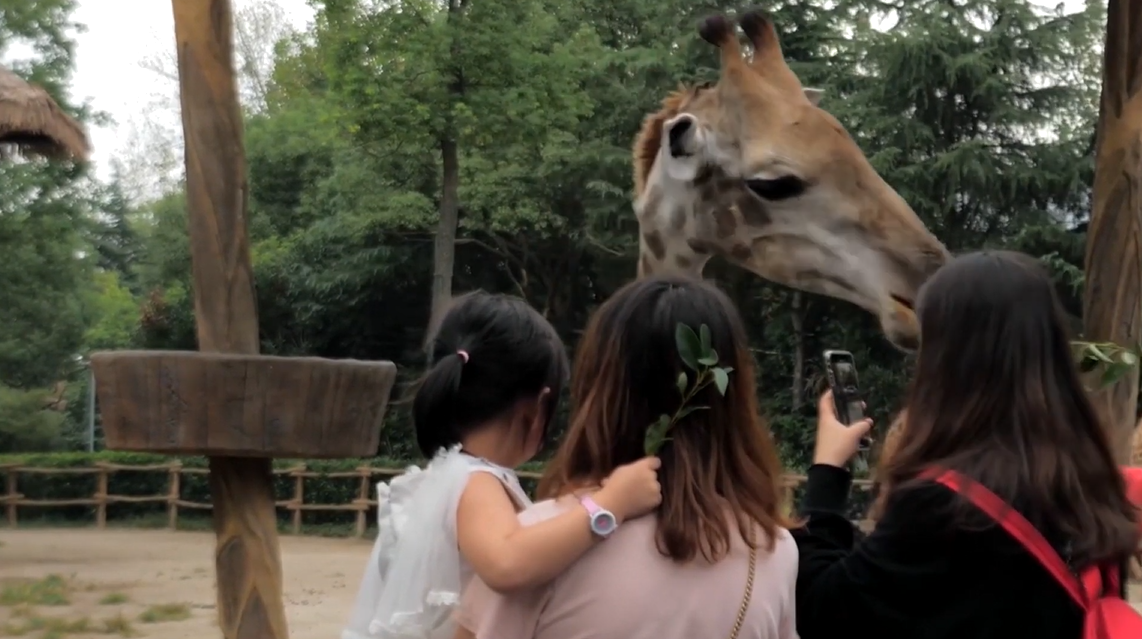
Yes. Kenya is one of the best destinations for a family safari in Africa, particularly when the journey is planned around the ages, interests and energy levels of the children.
A Kenya family safari is not simply about putting children in a safari vehicle and driving from one national park to another. The best family journeys combine wildlife, changing landscapes, shorter activities, comfortable accommodation and enough quiet time for everyone to enjoy what they have travelled so far to see.
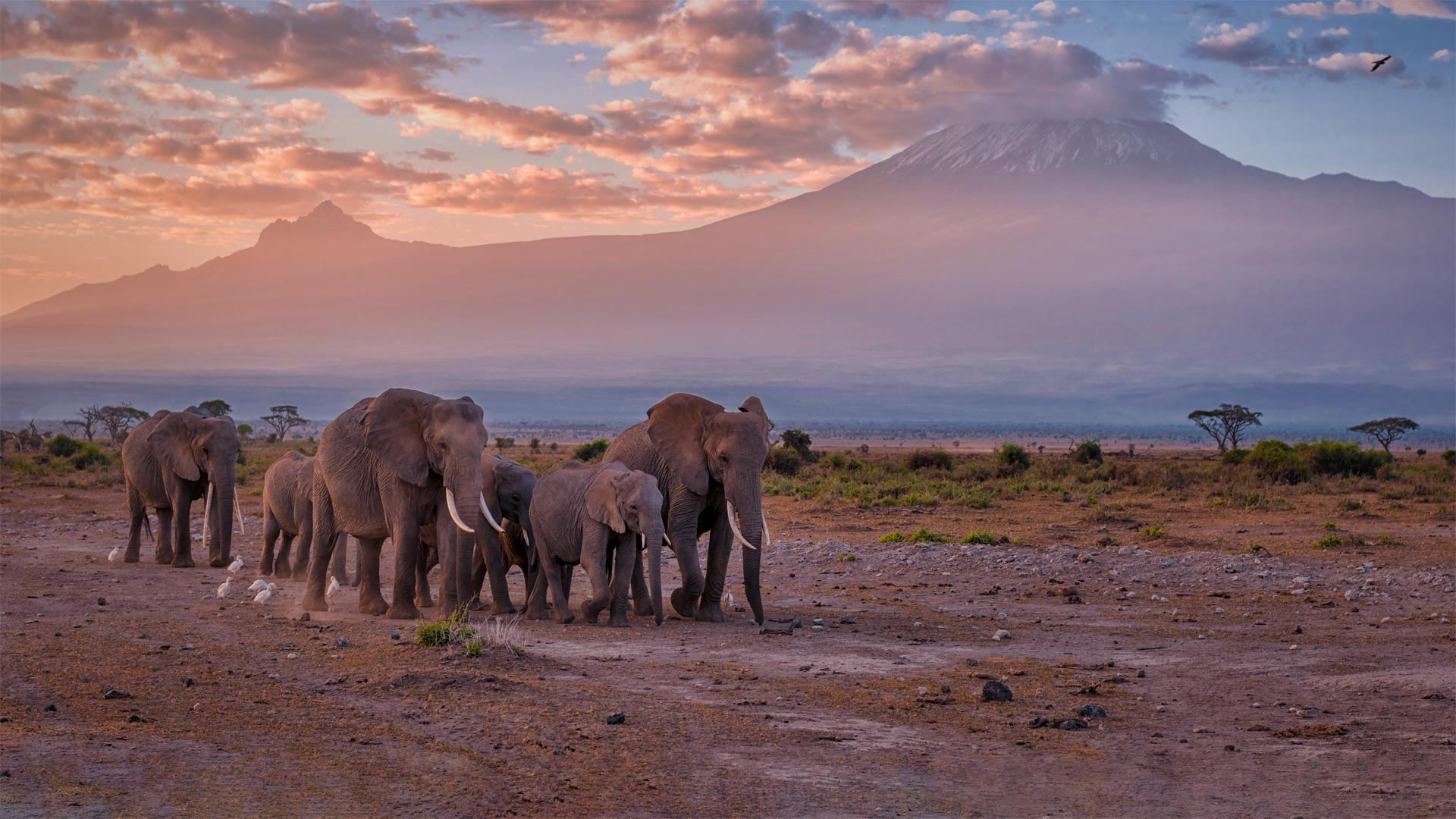
For a child, an elephant walking across the plains of Amboseli needs very little explanation. Neither does the moment a giraffe appears beside the road, a hippo raises its head from Lake Naivasha, or a lioness walks quietly through the golden grass of the Maasai Mara.
Aristotle wrote that, “In all things of nature there is something of the marvelous.”
Kenya gives families a remarkable opportunity to discover that sense of wonder together.
Why Is Kenya Good for a Family Safari?
Kenya works particularly well for families because several very different safari experiences can be combined within one journey.
A family can begin gently in Nairobi, travel south to Amboseli for elephants and Mount Kilimanjaro, continue through the Great Rift Valley for a Lake Naivasha boat ride and rhinos in Lake Nakuru, then finish among the famous plains and predators of the Maasai Mara.
This variety matters when travelling with children.
Seven consecutive days of long game drives can become tiring, even when the wildlife is exceptional. A better Kenya safari with kids changes the rhythm of the journey.
One day may involve watching elephants. Another may include a boat ride. The next can involve searching for rhinos before the family finally reaches the open savannah of the Mara.
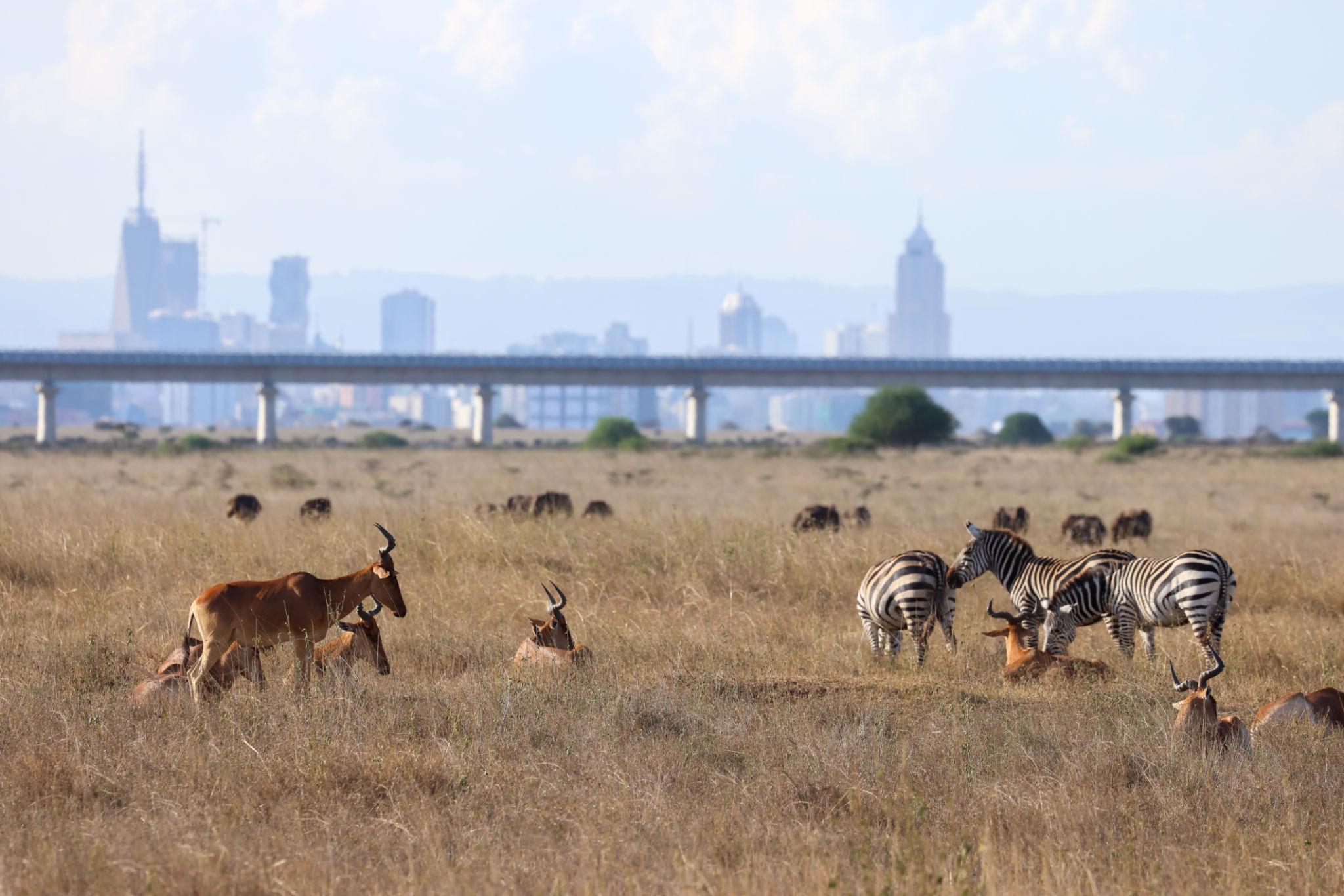
Lonely Planet similarly recommends considering travelling time carefully when planning a family safari, especially with younger children, and notes that easily accessible wildlife destinations such as Nairobi National Park can make family travel easier. Lonely Planet family safari planning guide
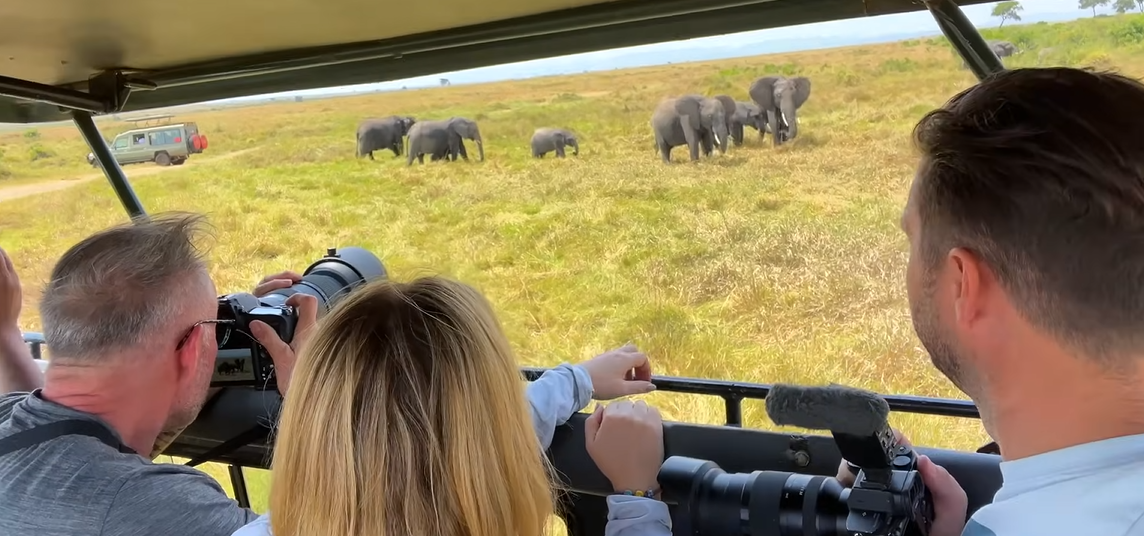
Will Children Actually Enjoy a Kenya Safari?
For many children, safari feels less like sightseeing and more like entering a wildlife documentary.
They begin asking questions almost immediately.
Why do zebras have stripes?
Why is the baby elephant always close to its mother?
Why do oxpeckers sit on buffaloes?
Why is the lion sleeping again?
Suddenly, biology, geography, conservation and animal behaviour are no longer subjects in a book.
They are happening outside the window.
Kenya’s official tourism platform also promotes experiences specifically designed to introduce younger travellers to wildlife and culture. One example is the Little Warrior experience in the Maasai Mara, which incorporates activities connected with nature and Maasai culture. Explore the Little Warrior experience on Magical Kenya
This is one reason a family safari in Kenya can become more than a holiday.
Parents and children begin watching the same horizon, waiting for the same leopard and laughing at the same young elephant discovering what its trunk can do.
What Are the Best Places for a Family Safari in Kenya?
A good family safari should combine excellent wildlife with manageable travel and enough variety to keep children interested.
1. Amboseli National Park: Best for Elephants
For many families, Amboseli National Park is one of the easiest places to fall in love with safari.
The Kenya Wildlife Service calls Amboseli the “Home of the African Elephant” and identifies it as one of Africa’s premier destinations for encounters with large elephant herds. The park also has open plains, wetlands, more than 400 recorded bird species and the famous backdrop of Mount Kilimanjaro. Kenya Wildlife Service guide to Amboseli National Park
Elephants are often especially exciting for children because they are large, social and relatively easy to observe compared with more secretive animals.
Families particularly interested in elephants can also read NAMSA’s guide to the best places to see elephants in Kenya.
For available trips, explore our Amboseli National Park safaris.
2. Lake Naivasha: Best for Changing the Safari Pace
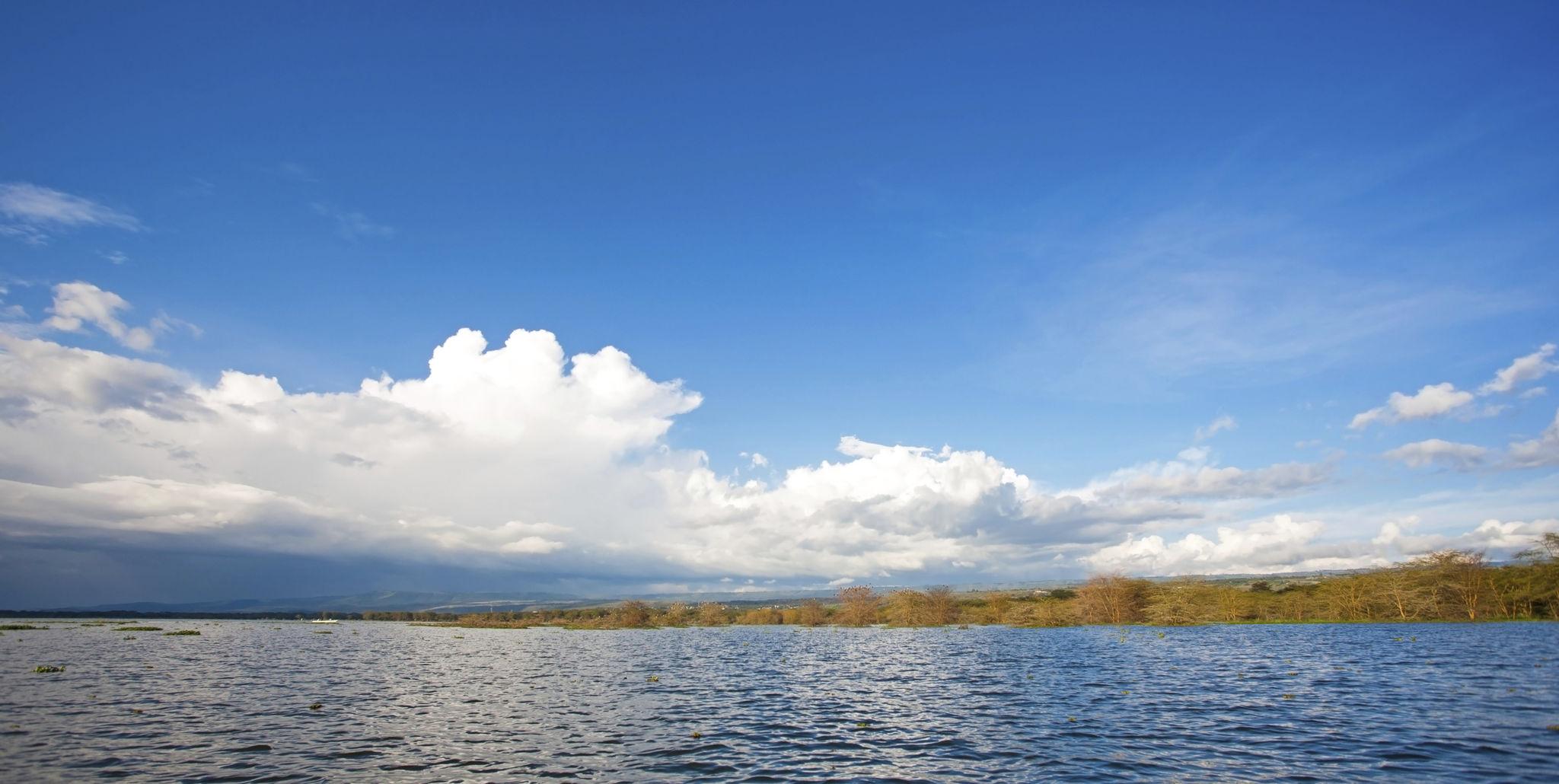
Lake Naivasha gives children something completely different.
Instead of spending another morning looking through the roof of a safari vehicle, families can take to the water for a boat safari.
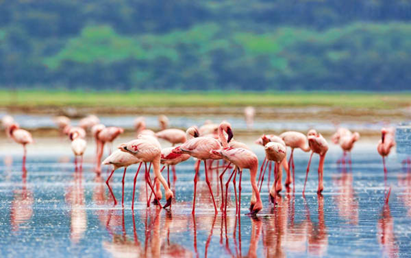
Hippos, African fish eagles, waterbirds and the broad scenery of the lake create a quieter experience between major national parks.
This change of pace is one reason we frequently include Lake Naivasha in family and first-time safari itineraries.
Families should remember that hippos are wild animals. Boat excursions should always be conducted by experienced local operators who maintain appropriate distance from wildlife.
3. Lake Nakuru National Park: Best for Rhinos
Lake Nakuru is another excellent family stop because a relatively compact park can provide several different wildlife experiences.
The Kenya Wildlife Service describes Lake Nakuru National Park as a flagship sanctuary for both endangered black and white rhinos. KWS also notes that it became Kenya’s first government-managed rhino sanctuary in 1987. Kenya Wildlife Service guide to Lake Nakuru National Park
That makes Nakuru particularly valuable for children who have already seen elephants, giraffes and perhaps lions but have never encountered a rhino.
The lake, woodland, viewpoints and birdlife add even more variety.
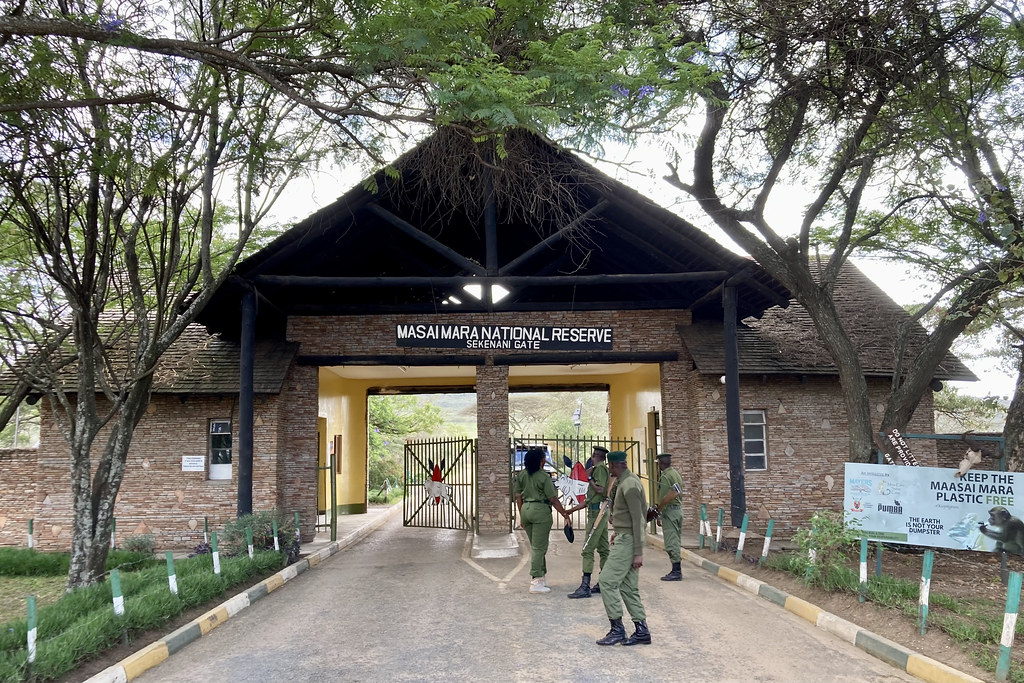
4. Maasai Mara: Best for the Classic African Safari
Then comes the Maasai Mara.
For many families, this is the moment the safari they imagined finally appears.
Open grasslands stretch towards the horizon. Lions rest beneath bushes. Elephants move between riverine forests and plains. Giraffes appear above the grass, and cheetahs scan the landscape from raised ground.
All members of the traditional Big Five occur within the wider Maasai Mara ecosystem, although wild animal sightings can never be guaranteed.
Families can explore our detailed Maasai Mara Game Reserve guide or learn more about the Big Five animals in Kenya.
During the Great Migration period, generally between July and October, huge numbers of wildebeest and zebras may enter the Maasai Mara ecosystem. Migration timing depends on rainfall, grazing and animal movement, so no responsible operator should promise a river crossing on a specific date.
If your children are comfortable with longer game drives, the Mara can become the highlight of the entire holiday.
What Is the Best Kenya Family Safari Itinerary?
For first-time families, one of the most balanced routes is:
Nairobi → Amboseli → Lake Naivasha → Lake Nakuru → Maasai Mara → Nairobi
This journey works because every destination offers something different.
Amboseli introduces elephants and Kilimanjaro.
Naivasha introduces the water.
Lake Nakuru brings rhinos and Rift Valley scenery.
The Maasai Mara then delivers the classic African savannah experience.
For most families, seven to eight days works particularly well.
Trying to visit too many parks in five or six days can turn a family holiday into a cycle of packing, driving, unpacking and sleeping.
Our detailed 7-day Kenya safari itinerary for first-time visitors explains how this route can be organised.
Is a Kenya Safari Safe for Children?
A properly organised Kenya safari can be suitable for families with children, but parents should remember one essential fact: safari takes place around wild animals.
Good planning therefore matters.
Kenya Wildlife Service rules require visitors in national parks such as Amboseli and Lake Nakuru to remain in their vehicles except in designated areas, give wildlife the right of way, avoid feeding animals, remain on established roads and maintain appropriate viewing distances.
Children should also never walk around an unfenced safari camp alone unless the property specifically confirms that it is safe to do so.
A private safari vehicle is particularly useful for families because parents have greater control over the day’s rhythm.
If somebody needs a bathroom break, you can adjust.
If a young child becomes tired after a morning game drive, you can return to camp.
If everybody is fascinated by a family of elephants, you can remain longer rather than following the timetable of unrelated travellers.
Flexibility is one of the biggest advantages of booking a private family safari.
What Is the Best Age for a Kenya Safari?
There is no universal minimum age for a Kenya safari.
The right age depends on the child, the itinerary and the safari activities being considered.
Many families find that children from approximately six years onwards begin engaging more actively with wildlife, can follow safety instructions more consistently and cope better with game drives.
However, younger children can also travel successfully when the itinerary is designed around them.
The important point is to check individual accommodation and activity policies before booking. Some camps accept children of all ages, while certain walking safaris, shared game drives or specialist activities have minimum-age requirements.
Teenagers often experience safari differently. Photography, conservation, animal behaviour, local culture and longer game drives can become much more interesting at this age.
There is therefore no perfect safari age.
There is only the right safari design for your family.
How Do You Plan a Safari With Younger Children?
With younger travellers, less can become more.
Choose fewer destinations and stay longer in each place.
Book accommodation with family rooms or connecting rooms where possible.
Include swimming pools and downtime.
Avoid scheduling extremely early starts every single morning.
Carry snacks, water, sun protection, binoculars and a small wildlife book.
Most importantly, do not measure the quality of a family safari by how many animals you can force into one day.
A child may remember twenty minutes watching a baby elephant far more clearly than a ten-hour game drive containing fifty species.
What Health Preparations Do Families Need?
Families should obtain professional medical advice before travelling.
The US Centers for Disease Control and Prevention currently advises travellers to discuss required vaccines and medicines with a healthcare professional at least a month before travel where possible. The CDC also recommends malaria-prevention medication for travellers visiting certain areas of Kenya, including game parks below 2,500 metres. CDC Kenya travel health guidance
Requirements differ according to age, vaccination history, nationality, travel route and medical circumstances.
Parents should therefore consult a qualified travel-health professional rather than relying only on travel blogs.
Travel insurance that covers medical treatment and safari activities is also strongly recommended.
What Documents Do Children Need to Travel to Kenya?
Kenya’s entry rules deserve careful attention because they have changed in recent years.
The official Kenya Electronic Travel Authorisation website states that visitors, including infants and children, who require an eTA must obtain approval before travelling. However, Kenya also has several nationality and immigration-status exemptions, so families should first check whether each traveller actually requires an eTA. Official Kenya eTA application guidance
Where an eTA is required, the official FAQ confirms that each passenger needs their own authorisation when travelling as a group. Official Kenya eTA frequently asked questions
The official application guidance also currently requires a passport valid for at least six months after the planned arrival date, together with supporting travel and accommodation details.
For a fuller explanation, read our updated guide to the documents needed to travel to Kenya in 2026.
How Much Does a Kenya Family Safari Cost?
Family safari prices vary considerably.
The final cost depends on the number of travellers, children’s ages, season, accommodation, vehicle, park fees, itinerary length and whether the family chooses budget, midrange or luxury travel.
One advantage for families is that several costs, particularly a private safari vehicle and guide, can be shared between more travellers.
Some hotels and safari camps also offer child rates or family-room arrangements.
However, never compare safari quotations only by the final price.
Check whether the quotation includes park fees, meals, accommodation, airport transfers, activities, game drives and the safari vehicle.
Our updated Kenya safari cost guide for 2026 explains the major price differences.
When Is the Best Time for a Kenya Family Safari?
Kenya is a year-round wildlife destination, although seasons create different experiences.
July to October generally provides dry conditions, strong wildlife viewing and the possibility of seeing the Great Migration in the Maasai Mara.
January and February are also excellent months, particularly for families interested in Amboseli, elephants and multi-park journeys.
The greener months can bring beautiful scenery, fewer vehicles and possible accommodation savings, although rain can affect road conditions.
Families travelling during school holidays should book early because popular family rooms and private safari vehicles can sell out.
Read our complete guide to the best time to visit Kenya for safari before choosing your dates.
Why Book a Family Safari With NAMSA Prestigious Tours?
A successful family safari requires more than a vehicle and hotel reservations.
The route needs to make sense.
Driving days need to remain reasonable.
Accommodation must fit the family’s rooming needs.
Children need enough rest.
Game drives should be flexible.
Parents need clear information before travelling.
At NAMSA Prestigious Tours, we design private, budget, midrange and customised family safaris around the people who are actually travelling.
That may mean spending longer with elephants in Amboseli, breaking a road journey with a Lake Naivasha boat ride, choosing accommodation with a swimming pool or giving a family an afternoon without any scheduled activity at all.
Explore our family-friendly Kenya safari tours to begin comparing options.
A good family safari should never feel like a race through Kenya.
It should feel like a story you are discovering together.
Final Answer: Is Kenya Good for a Family Safari?
Yes. Kenya is an exceptional destination for a family safari.
It combines elephants, lions, giraffes, rhinos, hippos, birds, mountains, lakes, savannahs and cultural experiences within routes that can be adapted for different ages and budgets.
More importantly, it gives families something increasingly difficult to find at home: uninterrupted time to watch something extraordinary together.
One morning, your child may be asking how much longer the drive will take.
A few minutes later, an elephant calf may walk out of the grass beside its mother.
Suddenly, nobody is asking anymore.
That is the magic of a Kenya family safari.
Plan a safari with NAMSA Prestigious Tours and let our local team create a Kenya family safari around your children’s ages, travel dates, preferred comfort level and the wildlife experiences your family wants to remember.