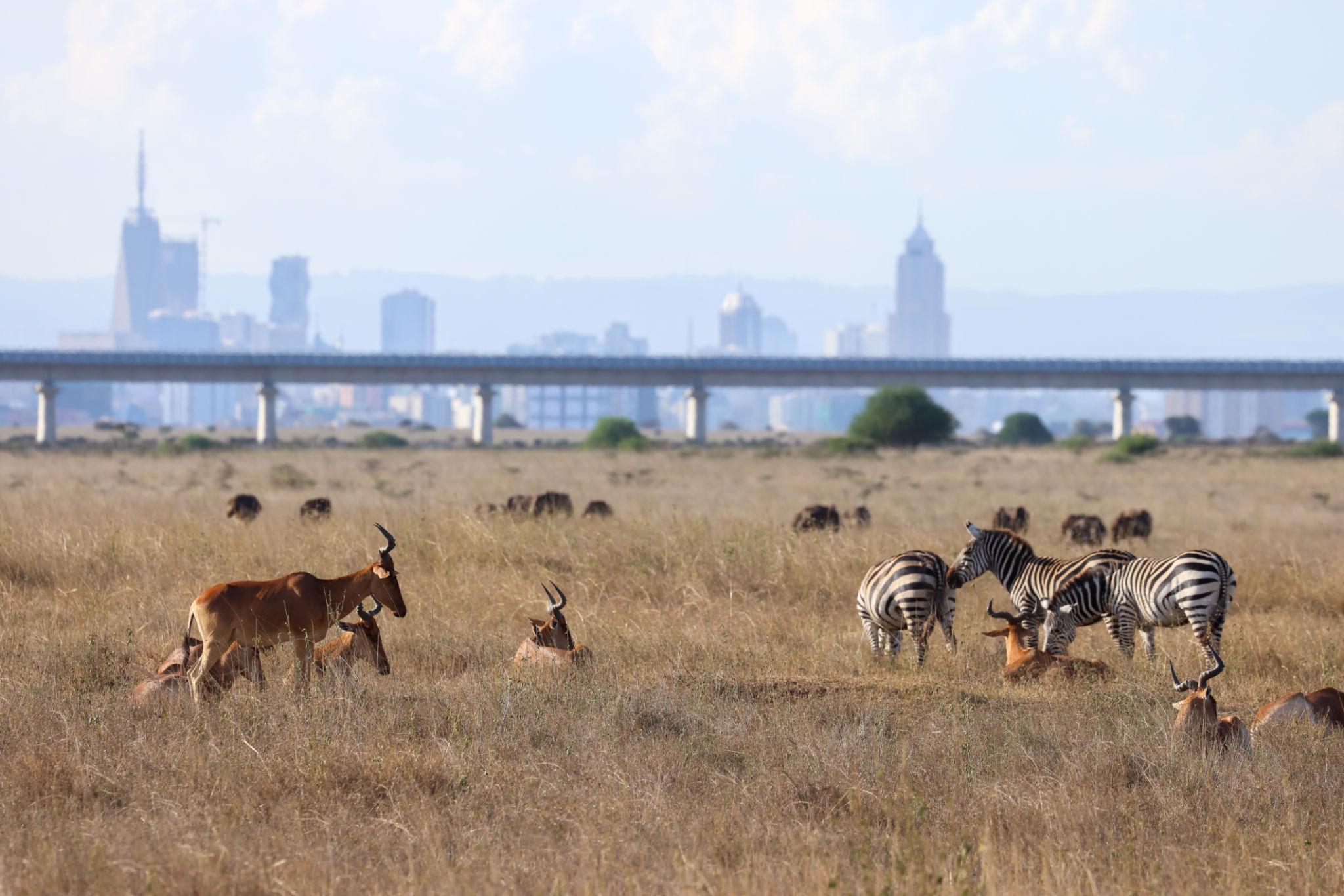
Is the Great Migration Guaranteed in the Maasai Mara?
Dawn arrives slowly in the Maasai Mara.
At first, the African savannah is only a shadow. Then the sky begins to soften, turning from deep blue to pale gold. A safari vehicle moves quietly through the grass while the travellers inside search the horizon.
The guide suddenly slows down.
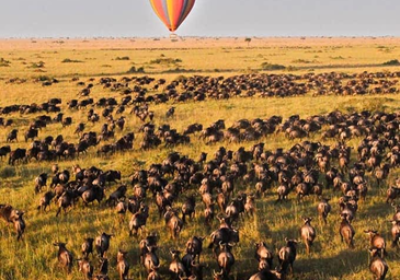
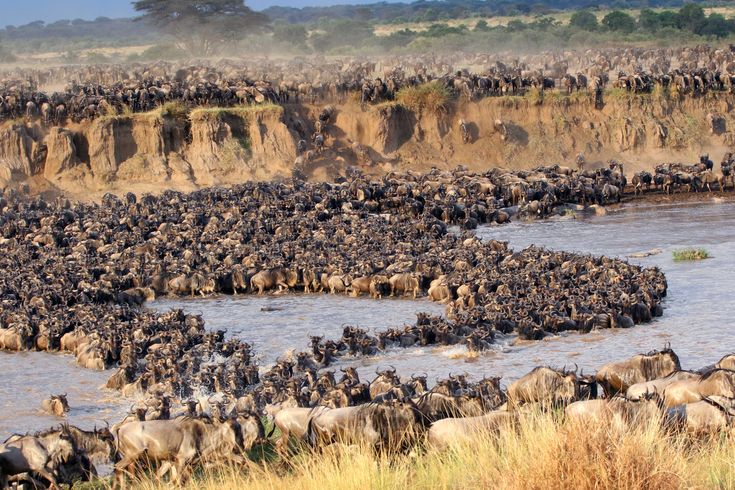
Ahead, thousands of wildebeest cover the plains like a dark river. Some are feeding. Others are moving restlessly towards the Mara River, their low calls rising into the cool morning air.
Everyone becomes silent.
The guide switches off the engine and raises his binoculars. The herd is close to the riverbank, and for a moment, it seems certain that a crossing is about to begin. Cameras are lifted. Hearts beat faster. Even the zebras appear to be waiting.
Then the wind changes. One wildebeest moves towards the edge. The whole herd seems to breathe with it. Then it turns away, and the others follow, disappearing slowly into the grass. Nothing has gone wrong. This is the Great Migration exactly as it is meant to be: wild, natural and impossible to command.
So, is the Great Migration guaranteed in the Maasai Mara?
No. The Great Migration, especially a Mara River crossing, can never be guaranteed on a particular day, at a particular hour or in a particular place. Wildebeest follow rain, water and fresh grazing, not safari timetables. Crossings occur during the migration season, but they remain difficult to predict. (Mara Conservancy)
That uncertainty is not a failure of the safari. It is the reason the experience feels real.
Why the Great Migration Cannot Be Guaranteed
The Great Wildebeest Migration is not a scheduled performance. It is a continuous journey through the Serengeti-Mara ecosystem, shaped by changing environmental conditions.
The herds move towards areas where water and nutritious grass are available. Research by Subalusky et al., (2017) connects their seasonal movement with rainfall, new vegetation growth and the mineral quality of grass. This means rain falling far away can influence where the herds travel next.
A herd may enter the Maasai Mara early, remain for weeks, return towards Tanzania or divide into smaller groups.
Recent history shows how quickly conditions can change. In August 2025, heavy rain in the Mara Triangle caused much of the migration to move back towards Tanzania within only a few days. (Mara Conservancy)
Nature does not break a promise when this happens, because nature never made one.
Is a Mara River Crossing Guaranteed?
A Mara River crossing is never guaranteed, even during August and September.
Wildebeest may gather beside the river for hours and then walk away. They may cross at another point, move during the night or enter the water while your safari vehicle is exploring elsewhere.
Sometimes one animal begins and thousands follow. On another day, the herd remains near the bank without entering.
This is why an honest Kenya safari operator should never advertise a guaranteed crossing. A knowledgeable guide can follow tracks, listen to reports, study the herd’s direction and position the vehicle responsibly. However, the final decision belongs to the animals.
A wildlife documentary may show a dramatic river crossing in only a few minutes. It does not show the many quiet hours before that moment, when guides watch the horizon and travellers wait beneath the wide African sky.
The waiting is not separate from the safari. The waiting is part of the story.
When Is the Best Chance of Seeing the Migration in Kenya?
Although it cannot be guaranteed, the best general period to see the Great Migration in the Maasai Mara is from July to October. Kenya’s official tourism platform identifies these months as the most dramatic Kenyan stage of the migration. (Magical Kenya)
August and September are often selected for large herds and possible crossings. July can bring early arrivals, while October may still offer migration activity.
These months improve your chances, but they do not create certainty.
The weather may encourage the herds to arrive early one year and later the next. Some wildebeest may remain in the northern Serengeti, while others enter Kenya. Even when the migration reaches the Maasai Mara, the animals can spread across different parts of the ecosystem.
This is why travellers should plan around a migration season, rather than one supposedly perfect date.
You may also like to read A Month-by-Month Guide to the Great Migration in Kenya
Top Destination For You
Login to use
7 Days Magical Kenya Wildebeest Migration Safari 2026/2027
How Can You Improve Your Chances?
The best migration safari is planned around time, location and patience.
Spend at least three or four nights in the Maasai Mara. A longer stay gives your guide more opportunities to follow changing herd movements.
Choose accommodation based on location, not only on photographs or price. A beautiful lodge may be far from the main migration routes, which can mean long drives before reaching the river.
Travel in a private safari vehicle where possible. This allows your guide to adjust the day according to wildlife activity instead of following a fixed group schedule.
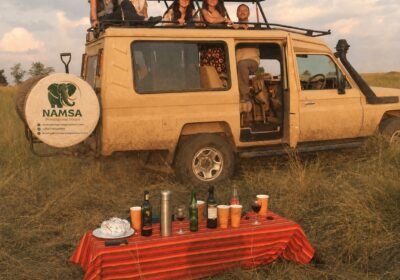
Most importantly, remain flexible. A morning game drive may become a full-day safari when the herds begin gathering. Lunch may be enjoyed beneath an acacia tree while your guide watches the distant plains through binoculars.
Patience is not wasted time in the Maasai Mara. It is part of the journey.
A famous line often attributed to naturalist John Muir says:
“In every walk with Nature one receives far more than he seeks.” (National Park Service)
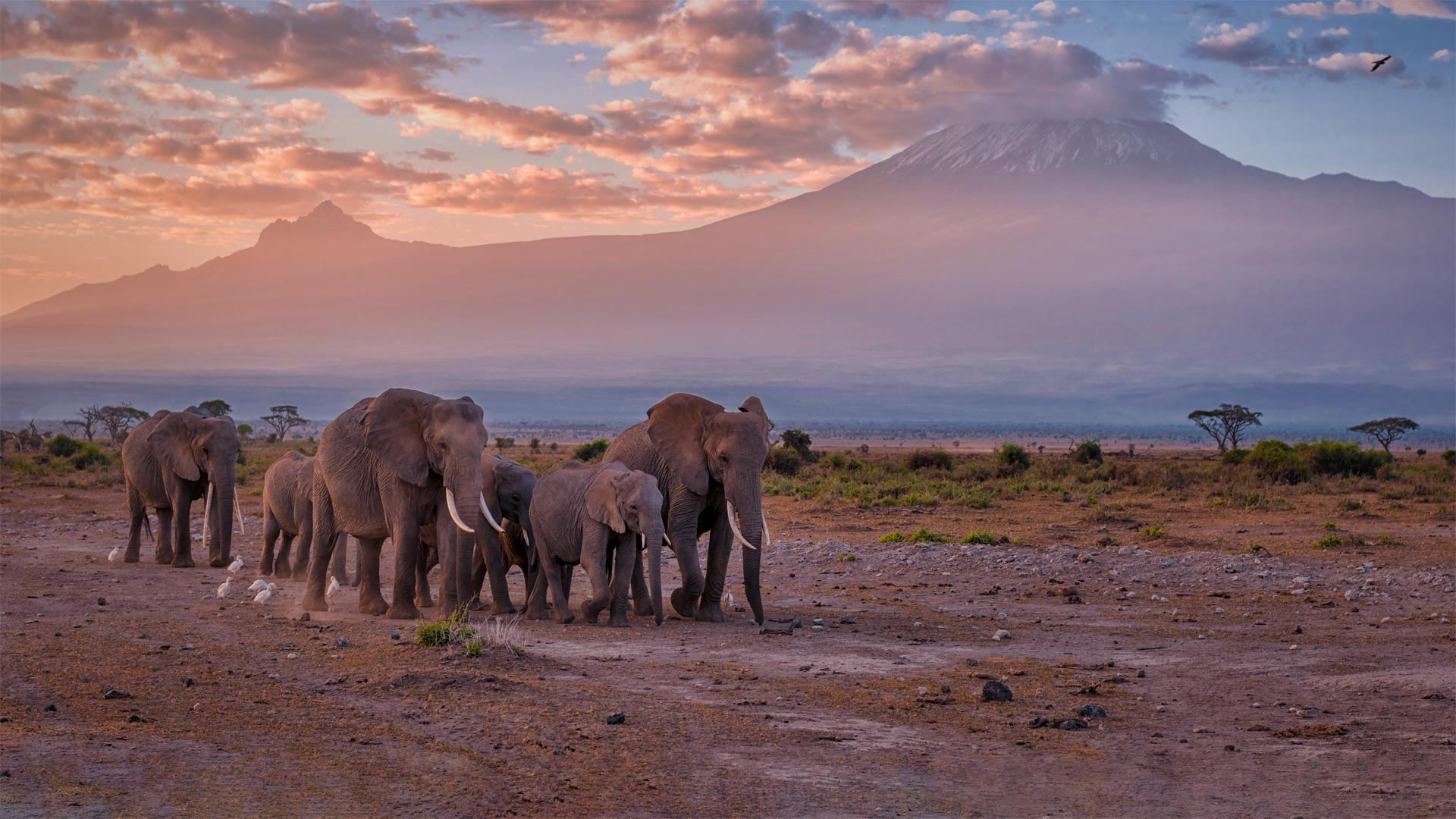
Many tourists arrive seeking one dramatic crossing. They often leave remembering elephants at sunrise, a cheetah on a termite mound, giraffes on the horizon or a guide helping them understand the African savannah.
What Happens If You Miss the River Crossing?
You have not missed the Great Migration.
The migration is larger than the dramatic minutes shown in documentaries. It is wildebeest across the plains, thousands of hooves, zebras beside the herds and predators watching from the grass.
It is the sound that reaches the safari vehicle before the animals appear.
It is the long line of wildebeest disappearing beyond a hill.
It is the feeling of standing in one of Africa’s greatest natural landscapes and understanding that the journey has continued for generations.
The Maasai Mara also supports remarkable resident wildlife. Lions, elephants, giraffes, buffaloes, cheetahs, hippos and many other animals can be seen beyond the peak migration months. The wider Mara ecosystem, including its community conservancies, remains an important wildlife landscape throughout the year. (Maasai Mara Conservancies)
A river crossing is unforgettable, but it should not become the only measure of a successful African safari.
Sometimes the Mara gives you the picture you imagined. Sometimes it gives you a different story, one you could never have planned.
The Honest Answer
The Great Migration is not guaranteed in the Maasai Mara. No safari company, lodge or guide can truthfully promise the exact arrival of the herds or a Mara River crossing.
What can be offered is careful planning, an experienced guide and enough time in the reserve.
Come to Kenya ready to watch, listen and wait. Visit Africa not only to collect photographs, but also to experience a living landscape where every morning begins with possibility.
Plan a safari with NAMSA Prestigious Tours, and let local knowledge guide you through the Maasai Mara with patience, honesty and respect for the wild.