When Is the Best Time to See the Great Wildebeest Migration in Kenya?
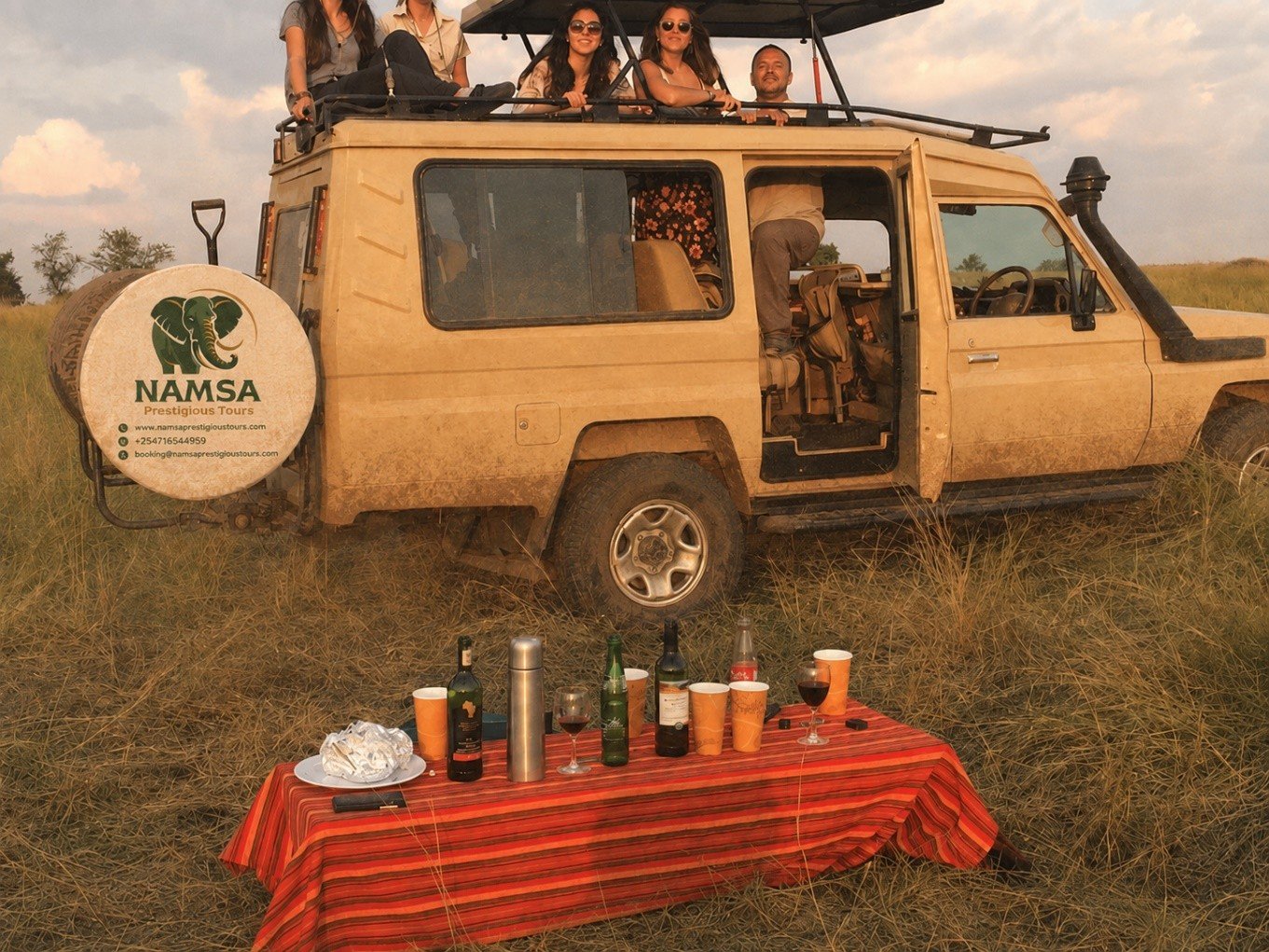
Before sunrise, the Maasai Mara is almost silent. The grass is silver with cold dew, and the vast African savannah seems to be holding its breath. A faint line of gold rests on the horizon, while somewhere beyond the river, thousands of wildebeest are moving through the half-light. Their low calls travel across the plains like distant thunder, creating one of those rare wildlife moments that make an African safari unforgettable.
Inside a safari vehicle, a traveller holds a camera but forgets to use it. The beauty of the Maasai Mara has taken away the need to capture every second through a lens. The safari guide raises one hand, looks towards the distant herds and quietly whispers, “Wait.” For a moment, everyone becomes still, listening to the sounds of the African savannah and watching nature prepare its next scene.
That single word explains the Great Wildebeest Migration better than any calendar can. Wait for the light to spread across the open plains. Wait for the herds to gather near the riverbanks, surrounded by dust, birds and the watchful eyes of predators. Wait for one brave animal to step closer to the water, and wait for nature to decide what happens next.
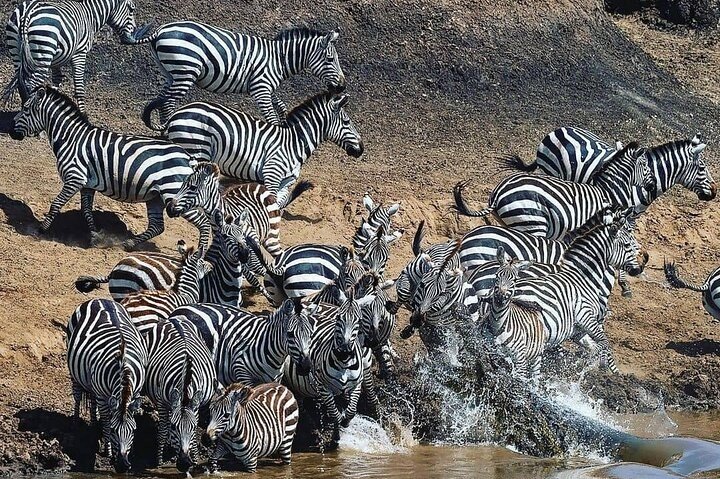
So, when is the best time to see the Great Wildebeest Migration in Kenya? The clearest answer is from July to October, when large herds of wildebeest and zebras usually enter Kenya’s Maasai Mara from Tanzania’s Serengeti. During these months, travellers can enjoy dramatic wildlife moments, sweeping views of the African savannah and exciting safari game drives. For those hoping to witness the famous Mara River crossings, August and September generally offer the strongest opportunity.
However, the Great Wildebeest Migration is a natural, year round movement guided by rainfall, water and fresh grazing. It does not follow fixed human dates, carefully planned safari schedules or promises written on a calendar. The herds may arrive earlier, remain longer or change direction depending on the conditions across the Serengeti and Maasai Mara ecosystem. That uncertainty is part of what makes every African safari experience different, personal and deeply memorable.
As a great man once said, “Travel is fatal to prejudice, bigotry, and narrow-mindedness.” These words by Mark Twain remind us that travelling is not only about seeing new places, but also about changing how we understand the world. A safari in Kenya allows travellers to experience the power of nature, the silence of the African savannah and the beauty of wildlife living freely. It creates memories that remain long after the safari vehicle has left the plains.
A journey to the Maasai Mara does more than show a traveller wild animals. It changes the way one understands patience, survival, distance and belonging. It teaches that some of the most powerful wildlife moments cannot be forced, rushed or perfectly planned. Sometimes, the most important thing to do on safari is simply to wait.
Top Maaai Mara safari for you
Login to use
7 Days Magical Kenya Wildebeest Migration Safari 2026/2027
The Great Migration Is Not a Single Event
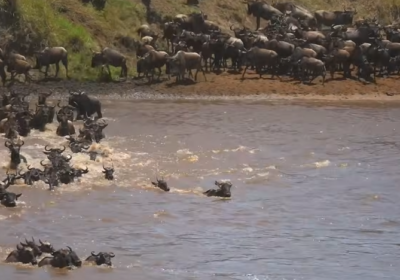
Many travellers imagine the Great Wildebeest Migration as one enormous Mara River crossing that happens on a particular morning. They picture thousands of wildebeest rushing into the water while crocodiles wait below and safari vehicles line the riverbank. This dramatic wildlife moment is certainly one of the most famous scenes on the African savannah. However, the Great Migration is much larger, longer and more complex than a single river crossing.
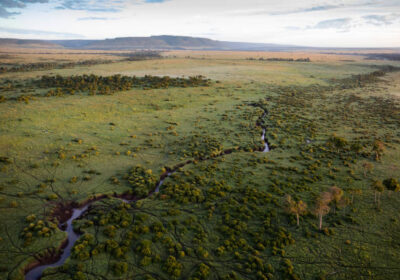
In reality, the Great Wildebeest Migration is a continuous circular journey through the Serengeti Mara ecosystem. The herds travel across northern Tanzania and southern Kenya in search of water, nutritious grass and safer grazing areas. Their movement continues throughout the year, even when tourists, cameras and safari vehicles are no longer nearby. It is one of the greatest natural wildlife journeys found anywhere in Africa.
Rainfall influences where fresh grass grows, which means changing weather conditions can speed up, delay or redirect the movement of the herds.
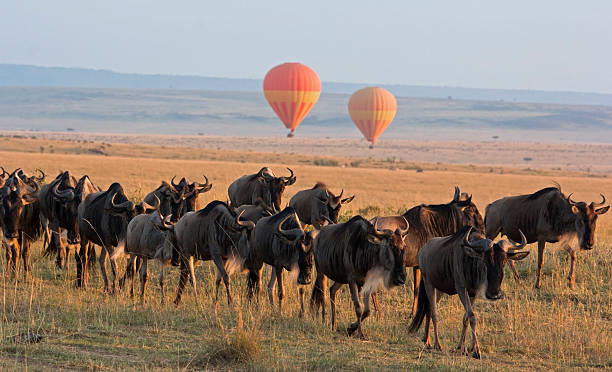
Scientific research on Serengeti wildebeest movement has identified rainfall, water availability and plant nutrition as important influences on migration patterns. A heavy rainfall event in one area can encourage thousands of animals to change direction. In the African savannah, even clouds forming many kilometres away can influence what happens next.
In other words, the Great Migration does not begin when safari travellers arrive, and it does not end when a Mara River crossing is over. The wildebeest are always moving according to the needs of the herd and the changing conditions of the land. There is no official opening ceremony, fixed starting date or final performance. Nature continues its journey whether anyone is present to watch it or not.
The wildebeest are always travelling, feeding, resting, gathering and separating across the wider Serengeti-Mara ecosystem. Zebras, gazelles, elands and other grazers join the movement, creating impressive wildlife scenes across the open plains. Predators such as lions, cheetahs, leopards and hyenas watch the changing herds and wait for opportunities. Every stage of the journey creates different wildlife moments for travellers enjoying a Kenya safari.
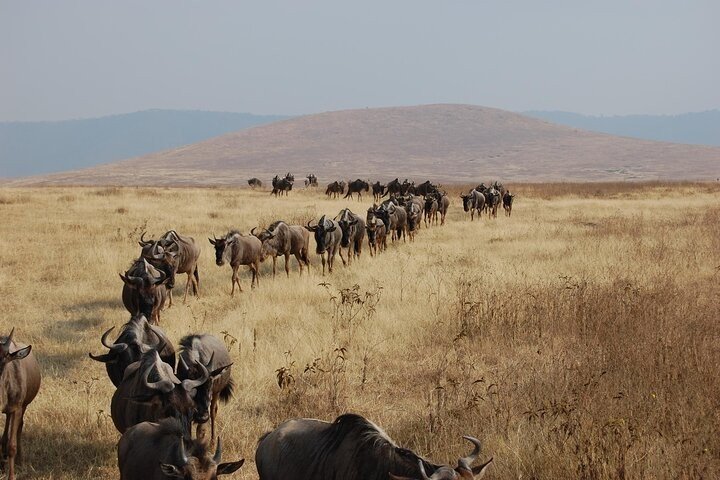
The Mara River crossing is only one chapter in this long natural story. It may be the loudest, most dramatic and most photographed chapter, but it is not the whole story. The Great Migration also includes quiet mornings, long lines of animals, newborn calves, predator interactions and peaceful grazing beneath the open sky. As a great man once said, sometimes the journey is more important than the destination.
You may also like to read A Month-by-Month Guide to the Great Migration in Kenya