Can I See Rhinos in Kenya? 7 Best Places to See Them
Yes, you can see rhinos in Kenya, and Kenya is one of Africa’s most important destinations for travellers hoping to encounter both black and white rhinos during a wildlife safari.
The country’s rhino recovery is also one of Africa’s major conservation stories.
According to Kenya’s Wildlife Research and Training Institute, the 2025 National Wildlife Census recorded 2,102 rhinos in Kenya, up from 1,812 in 2021. The national population included 1,059 black rhinos, 1,041 southern white rhinos and the world’s last two northern white rhinos. Read the latest Kenya wildlife census information from WRTI
This is a remarkable recovery from the crisis of the 1970s and 1980s, when poaching reduced Kenya’s black rhino population from tens of thousands to only a few hundred animals. However, the black rhino remains Critically Endangered, which means continued protection, habitat expansion, scientific monitoring and anti-poaching work remain essential. Learn more from the IUCN African Rhino Specialist Group
For travellers planning a Kenya rhino safari, some destinations provide considerably stronger rhino-viewing opportunities than others.
The best places to see rhinos in Kenya include Ol Pejeta Conservancy, Lake Nakuru National Park, Lewa Wildlife Conservancy, Solio Game Reserve, Nairobi National Park, Meru National Park and Tsavo West National Park.
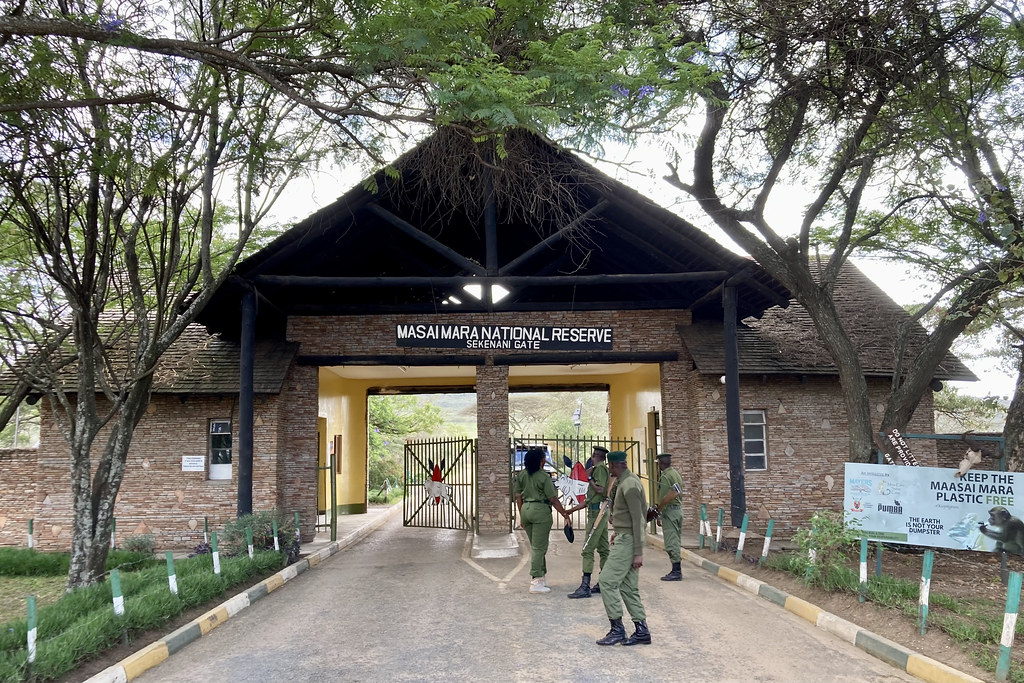
Rhinos are also present in the Maasai Mara, although finding one there normally requires more luck.
Where Can I See Rhinos in Kenya?
1. Ol Pejeta Conservancy: One of the Best Places to See Rhinos in Kenya
If seeing rhinos is one of the main reasons for your safari, Ol Pejeta Conservancy in Laikipia should be high on your list.
Ol Pejeta describes itself as the largest black rhino sanctuary in East Africa and protects more than 150 black rhinos. It is also home to southern white rhinos and the world’s final two living northern white rhinos, Najin and her daughter Fatu. Explore Ol Pejeta’s official rhino conservation information
This makes Ol Pejeta unlike any other rhino destination in the world.
Visitors have an opportunity not only to search for black and southern white rhinos during game drives, but also to learn about the extraordinary effort to prevent the northern white rhino from disappearing completely.
That conservation programme reached another important milestone in 2026.
In April 2026, the BioRescue Consortium and Ol Pejeta announced that scientists had successfully produced another pure northern white rhino embryo using an egg collected from Fatu. The achievement brought the total number of pure northern white rhino embryos created to 39. Read the April 2026 northern white rhino update from Ol Pejeta Visit the official BioRescue project
Najin and Fatu cannot reproduce naturally, so scientists are developing assisted reproduction techniques involving southern white rhino surrogate mothers. The work remains experimental and there is still no guarantee that the programme will successfully establish a new breeding population.
Ol Pejeta is also a Big Five destination, meaning visitors can search for lion, leopard, elephant, buffalo and rhino within the same conservancy.
For travellers interested in wildlife conservation, photography and endangered species, it is arguably one of the most meaningful destinations to include in a Kenya safari.
NAMSA also offers an Ol Pejeta Conservancy Day Trip Safari with rhino and chimpanzee experiences. View NAMSA’s Kenya safari tours including Ol Pejeta
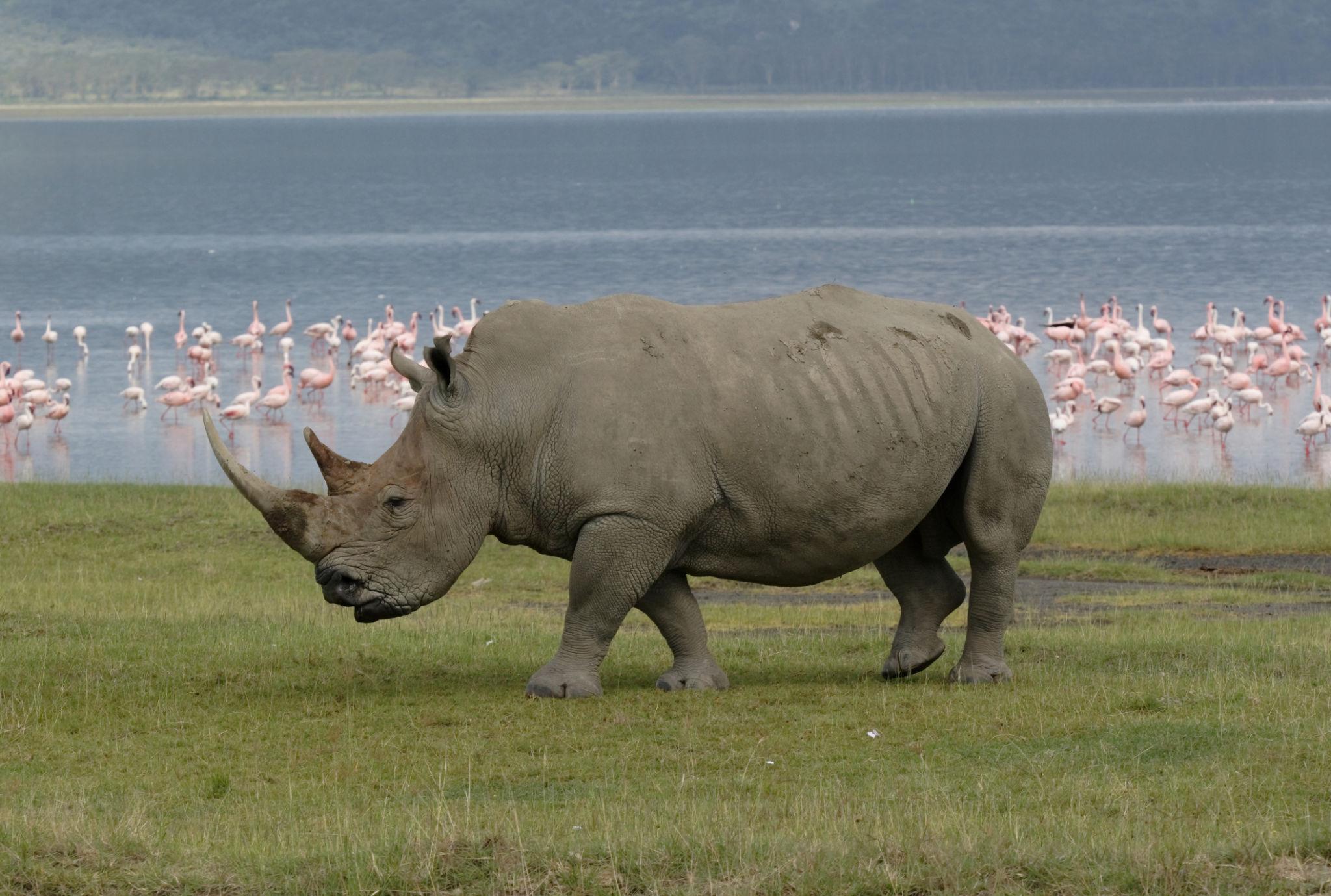
2. Lake Nakuru National Park: An Excellent Rhino Safari in the Rift Valley
Lake Nakuru National Park is one of the most convenient places to look for both black and white rhinos during a traditional Kenya safari circuit.
The Kenya Wildlife Service describes Lake Nakuru as a flagship sanctuary for both endangered black and white rhinos. It became Kenya’s first government-managed rhino sanctuary in 1987 and continues to support one of the country’s important black rhino populations. Visit the official Kenya Wildlife Service Lake Nakuru National Park page
Lake Nakuru is particularly useful for travellers following the popular Nairobi, Lake Naivasha, Lake Nakuru and Maasai Mara route.
The park is relatively compact compared with enormous ecosystems such as Tsavo or the Maasai Mara, which can make wildlife searching more manageable.
During a game drive, travellers may encounter rhinos together with buffaloes, Rothschild’s giraffes, lions, leopards, waterbucks, baboons and numerous bird species.
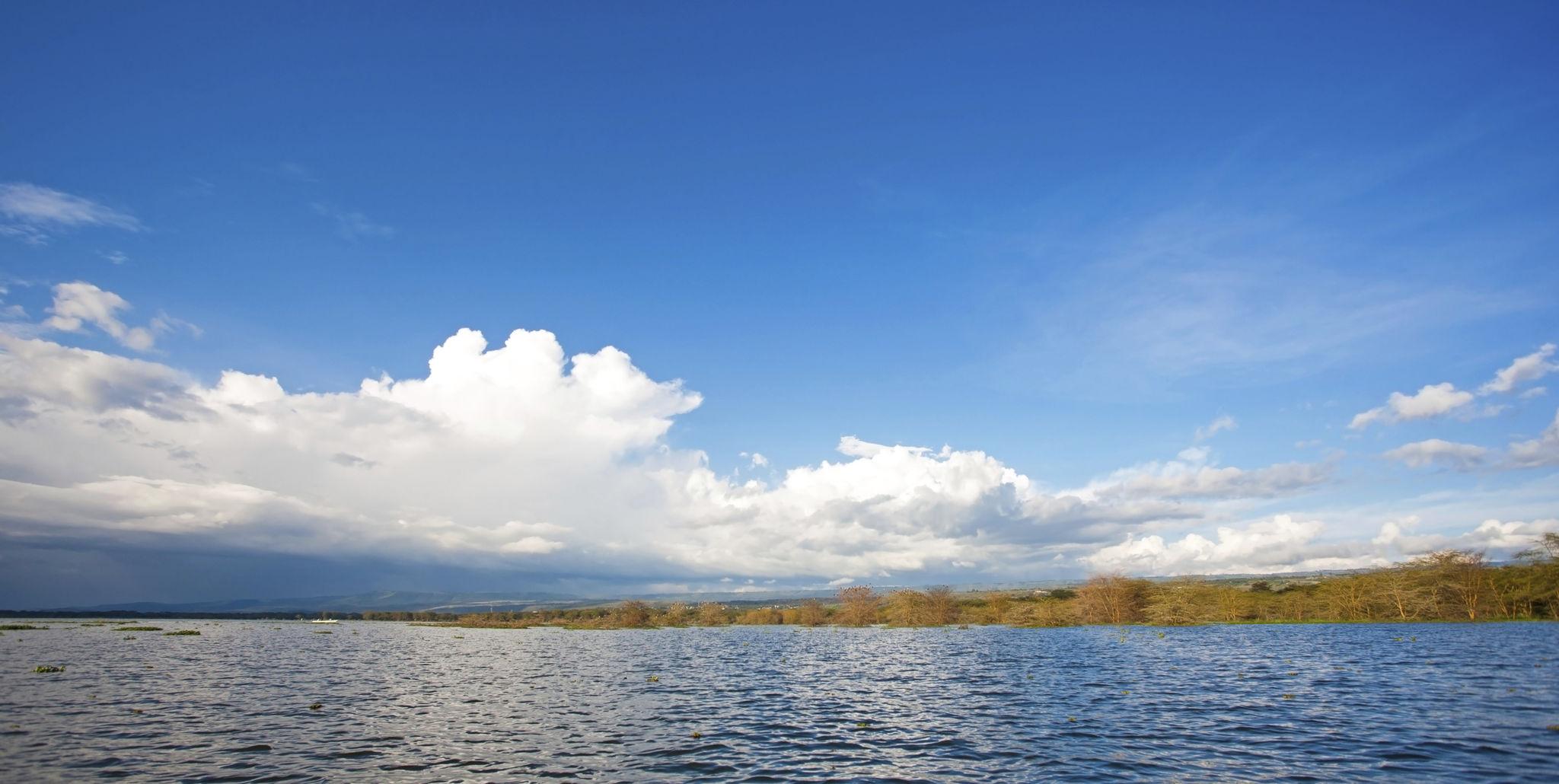
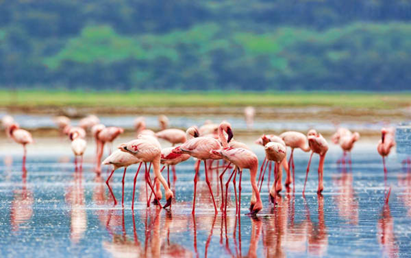
The lake is still famous for flamingos, although numbers naturally change according to water levels, food availability and environmental conditions. Therefore, enormous flamingo concentrations should never be guaranteed.
If your safari already includes the Great Rift Valley and the Maasai Mara, adding Lake Nakuru is one of the easiest ways to improve your opportunity of seeing rhinos.
You can explore NAMSA’s dedicated Lake Nakuru National Park safari guide here. Lake Nakuru National Park Safari with NAMSA
Travellers with limited time can also consider the Lake Nakuru National Park Day Trip Safari, Flamingos and Rhinos. View NAMSA’s Lake Nakuru rhino day safari
3. Lewa Wildlife Conservancy and the Lewa-Borana Landscape
Lewa Wildlife Conservancy is another major destination for travellers interested in rhino conservation in Kenya.
The conservancy was created partly in response to the devastating collapse of Kenya’s black rhino population.
Today, Lewa and neighbouring Borana Conservancy protect an extensive connected conservation landscape where black and southern white rhinos can move across approximately 93,000 acres.
Lewa reports that the wider Lewa-Borana landscape now supports more than 280 rhinos, while approximately 14 percent of Kenya’s rhinos live within this protected landscape. Read Lewa Wildlife Conservancy’s official rhino conservation information
The significance of Lewa extends beyond the animals living there today. Rhinos from its successful population have been moved to other protected areas to establish or strengthen populations elsewhere in Kenya.
Lewa reports that more than 70 rhinos have been translocated from the conservancy over the years.
A safari in this region can also include elephants, buffaloes, lions, Grevy’s zebras, giraffes and more than 500 recorded bird species.
For travellers who prefer quieter landscapes, conservation-focused tourism and fewer safari vehicles, Lewa can provide a very different experience from the busier Maasai Mara.
4. Solio Game Reserve: Kenya’s Historic Rhino Breeding Sanctuary
Between Mount Kenya and the Aberdare Mountains lies one of the most important places in Kenya’s rhino conservation history: Solio Game Reserve.
Solio was established in 1970 after five black rhinos were relocated there, creating Kenya’s first private rhino sanctuary.
The reserve states that it is now the world’s oldest private Eastern black rhino sanctuary and hosts one of Africa’s major private populations of black and white rhinos. Explore the official Solio Game Reserve conservation history
Its contribution has extended far beyond its own boundaries.
Solio reports that it has bred and translocated more than 145 rhinos, helping establish or replenish populations in protected areas elsewhere in Kenya and East Africa.
The open grasslands found in parts of Solio can also make rhinos easier to observe than in heavily wooded habitats.
Besides rhinos, visitors may encounter buffaloes, giraffes, zebras, lions and other wildlife against the striking backdrop of the Aberdare Range and Mount Kenya region.
For travellers combining Nanyuki, Ol Pejeta, Mount Kenya or the Aberdares, Solio can form an excellent addition to a specialised Kenya rhino safari.
5. Nairobi National Park: See Rhinos Near Kenya’s Capital
You do not have to travel hundreds of kilometres from Nairobi to see rhinos in Kenya.
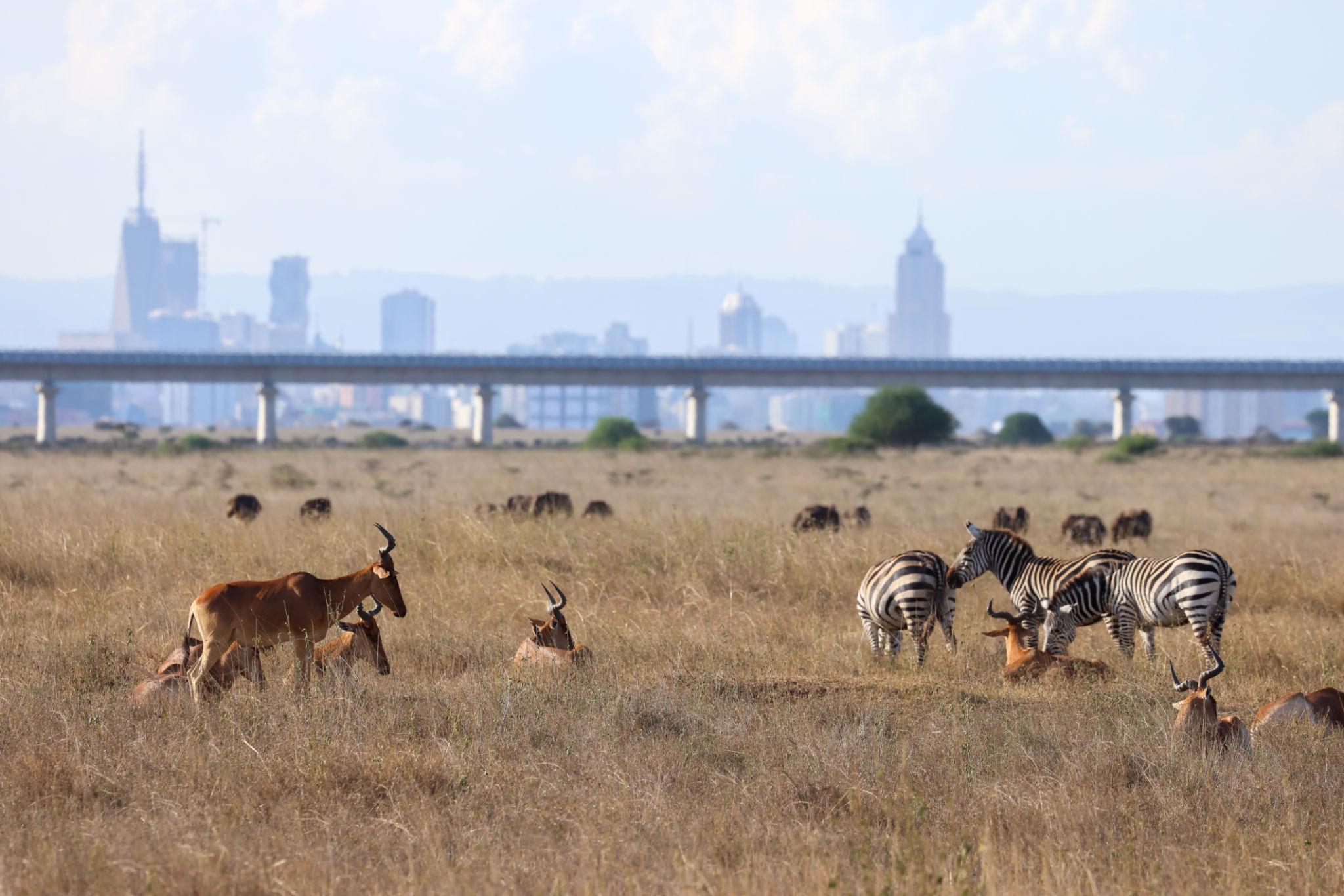
Nairobi National Park lies only about 10 kilometres from Nairobi’s central business district and contains an established rhino sanctuary.
The Kenya Wildlife Service identifies the park as an important refuge for endangered black rhinos. Its management information also confirms that both black and southern white rhinos occur within the park. Visit the official KWS Nairobi National Park page
This makes Nairobi National Park particularly attractive for visitors with only a few hours or one free day before an international flight, conference, business trip or longer safari.
The park’s wildlife setting is also unique.
On a clear day, travellers may photograph rhinos, giraffes, buffaloes and other animals with Nairobi’s modern skyline appearing in the background.
Nairobi National Park is home to four members of the traditional Big Five because elephants are not resident in the park.
If your main target is rhino rather than completing the entire Big Five in one location, however, Nairobi National Park remains one of Kenya’s most convenient options.
NAMSA operates a Nairobi National Park safari experience that can be incorporated before or after a longer Kenya itinerary. View NAMSA’s Nairobi National Park safari
6. Meru National Park: An Underrated Rhino Safari Destination
Meru National Park is often overlooked by first-time visitors, but it deserves serious consideration when planning a safari focused on rhinos and less crowded wilderness.
The Kenya Wildlife Service identifies a dedicated rhino sanctuary as one of Meru National Park’s main attractions. KWS information has described the secure sanctuary as approximately 80 square kilometres and supporting more than 100 black and white rhinos. Explore Meru National Park through Kenya Wildlife Service
Meru also provides a very different safari landscape from Lake Nakuru or the Maasai Mara.
The park is crossed by rivers and includes woodland, open grassland and riverine habitats. Wildlife can include elephants, lions, leopards, buffaloes, Grevy’s zebras, reticulated giraffes and numerous bird species.
Its connection to the story of George and Joy Adamson and Elsa the lioness also gives Meru an important place in Kenya’s conservation history.
For travellers willing to move beyond the most frequently visited safari circuit, Meru combines rhino conservation, Big Five wildlife and a quieter wilderness experience.
7. Tsavo West National Park: Home to the World’s Largest Rhino Sanctuary
There is now another major reason to include Tsavo West National Park when discussing where to see rhinos in Kenya.
In December 2025, Kenya officially opened the expanded Tsavo West Rhino Sanctuary.
According to the Kenya Wildlife Service, the sanctuary now covers approximately 3,200 square kilometres, making it the largest rhino sanctuary in the world. The expanded landscape brought together approximately 150 black rhinos from the former Ngulia Rhino Sanctuary and around 50 from the Tsavo West Intensive Protection Zone, creating a founder population of about 200 black rhinos. Read the official KWS Tsavo West Rhino Sanctuary announcement
The expansion is particularly important because the former Ngulia Rhino Sanctuary had become too small for its growing population.
More space allows rhinos to establish territories, reduces competition and creates better conditions for future population growth.
Save the Rhino International has also described the expansion as a major development in Kenya’s long-term effort to increase the black rhino population. Read Save the Rhino’s report on the Tsavo West expansion
Tsavo West is also a Big Five destination and offers Mzima Springs, volcanic landscapes, lava flows, dramatic hills and extensive wilderness.
It should therefore become increasingly important for travellers interested in combining a classic Tsavo safari with Kenya’s evolving rhino conservation story.
Can I See Rhinos in the Maasai Mara?
Yes, black rhinos live in the Maasai Mara ecosystem.
This means the Maasai Mara remains a genuine Big Five safari destination because lion, leopard, elephant, buffalo and black rhino are all present.
However, anyone asking “Can I see rhinos in Kenya?” specifically because seeing a rhino is their highest safari priority should understand that the Maasai Mara is not usually the most predictable location.
Black rhinos occur at much lower densities than animals such as buffaloes, elephants and lions. They may also spend considerable time in bushy areas where they can be difficult to locate.
Consequently, a visitor could spend several days in the Mara without finding one.
That uncertainty is part of a genuine wildlife safari.
For travellers mainly interested in lions, leopards, cheetahs, elephants, buffaloes, the Great Migration and classic savannah landscapes, the Maasai Mara is exceptional. For travellers whose main goal is a rhino sighting, combining the Mara with Lake Nakuru, Ol Pejeta, Lewa or another dedicated rhino area is usually a stronger strategy.
Read NAMSA’s detailed guide answering Can You See the Big Five in the Maasai Mara? for more information about the likelihood of finding each member of the Big Five. Read NAMSA’s Maasai Mara Big Five guide
Where Can I See the Big Five in Kenya?
If you are also wondering where can I see the Big Five in Kenya?, careful itinerary design is more useful than depending on a single park.
Ol Pejeta is one of the strongest single destinations because all five species are present and rhino conservation is a major focus.
The Maasai Mara also contains all five, although rhinos can be difficult to locate.
Another excellent strategy is to combine Lake Nakuru or Ol Pejeta for rhinos with the Maasai Mara for predators, elephants, buffaloes and open savannah wildlife.
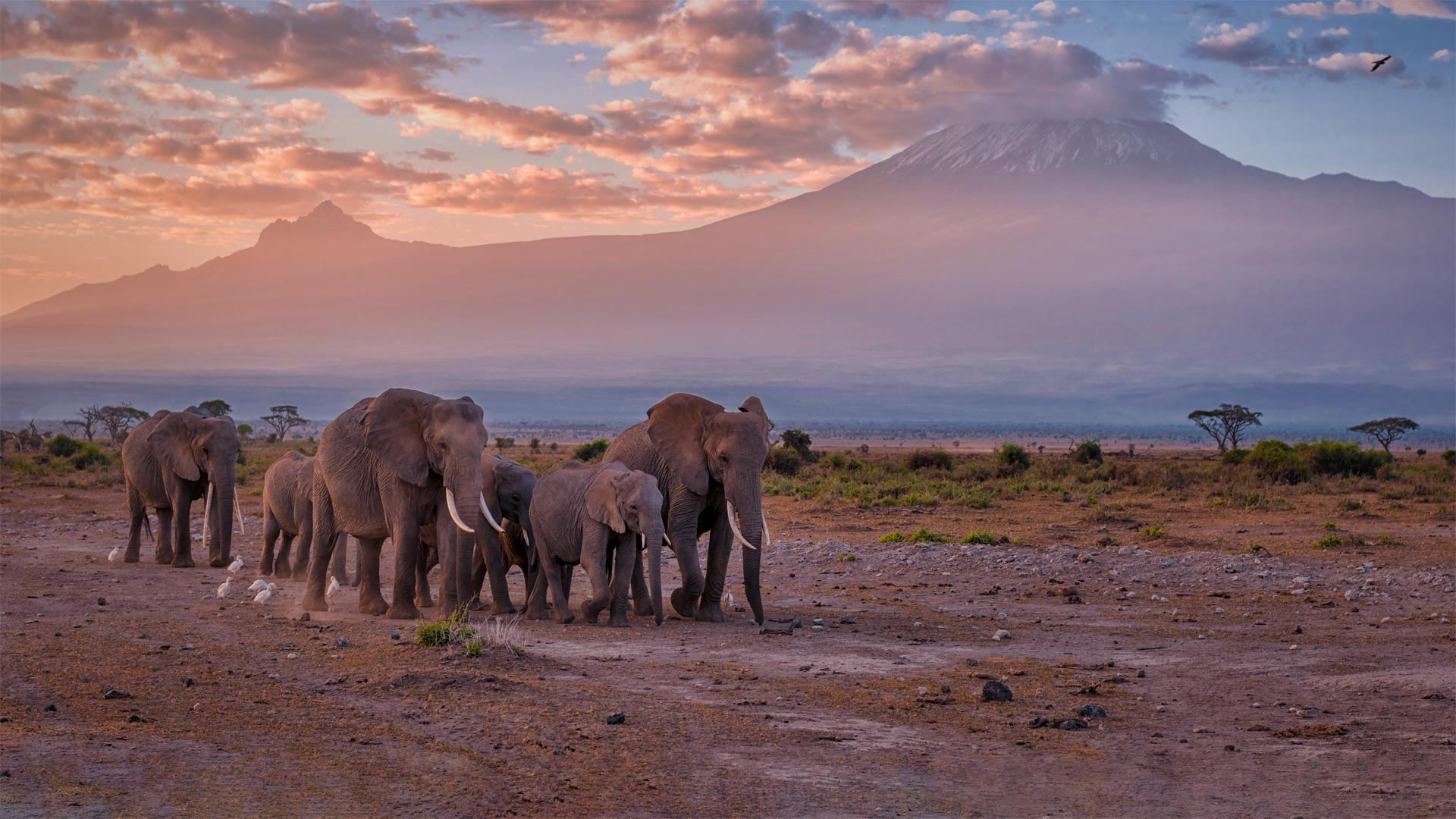
A longer itinerary might combine Amboseli, Lake Nakuru and the Maasai Mara. Amboseli offers outstanding elephant experiences and views towards Mount Kilimanjaro, Lake Nakuru strengthens your rhino-viewing opportunity, and the Maasai Mara provides some of Kenya’s finest predator viewing.
NAMSA’s 6 Days Budget African Safari through Amboseli, Lake Nakuru and the Maasai Mara follows this type of wildlife circuit. View the 6 Days Amboseli, Lake Nakuru and Maasai Mara safari
First-time visitors can also read our Best Kenya Safari Itinerary for First-Time Visitors, which explains how these destinations can be combined without making the journey feel rushed. Read NAMSA’s first-time Kenya safari itinerary guide
What Is the Difference Between Black and White Rhinos?
The names can be misleading because black rhinos and white rhinos are both grey.
The easiest visible difference is the shape of the mouth.
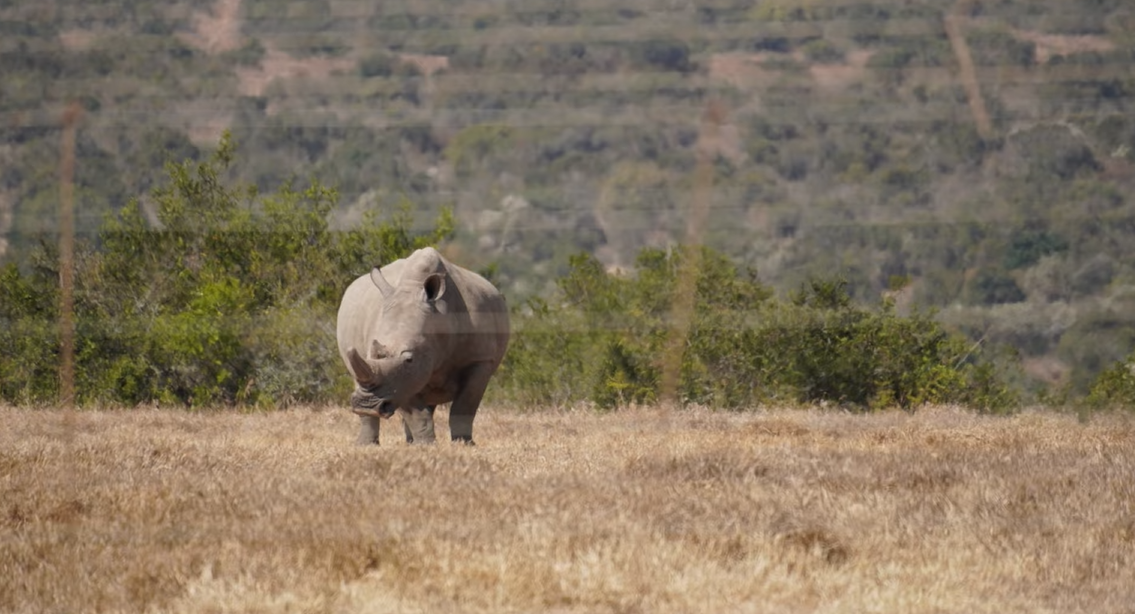
White rhinos have broad, square lips adapted to grazing grass. They often spend time in open grasslands with their heads close to the ground.
Black rhinos have pointed, hooked upper lips designed for browsing leaves, twigs and shrubs.
This difference in feeding behaviour can also affect safari sightings.
White rhinos are often found in more open areas and may therefore be easier to notice from a distance. Black rhinos frequently feed among shrubs and thicker vegetation, which can make them much harder to find.
Black rhinos are classified as Critically Endangered, while the white rhino species is currently classified as Near Threatened by the IUCN. Read the latest African rhino conservation information from IUCN
Are Northern White Rhinos Really White Rhinos?
Yes.
The northern white rhino and southern white rhino are subspecies of the white rhinoceros.
Only two known northern white rhinos remain alive today, Najin and Fatu, and both live at Ol Pejeta Conservancy in Kenya.
Because both animals are female and neither can carry a pregnancy, natural reproduction is no longer possible.
This is why the BioRescue programme is attempting to produce northern white rhino embryos using preserved genetic material and eventually transfer embryos into southern white rhino surrogate mothers.
As of April 2026, scientists had produced 39 pure northern white rhino embryos.
The programme is one of the most extraordinary wildlife reproductive science projects currently taking place anywhere in the world.
What Is the Best Time to See Rhinos in Kenya?
Rhinos can be seen in Kenya throughout the year.
Unlike the Great Migration, rhinos are resident animals, so you do not have to travel during one particular month to find them.
Conditions can nevertheless affect visibility.
During drier periods, vegetation may become shorter and wildlife may concentrate around dependable water sources, sometimes making animals easier to locate.
Morning and late afternoon game drives can also be rewarding because temperatures are cooler and many animals become more active.
However, a successful sighting depends on more than the season.
The protected area you choose, the amount of time available, current vegetation, recent rhino movements and the experience of your safari guide can all influence what you see.
Travellers deciding when to visit can also use NAMSA’s Kenya safari planning resources and destination guides to match wildlife priorities with the most suitable itinerary.
Which Place Gives Me the Best Chance of Seeing a Rhino in Kenya?
There is no ethical safari destination that can guarantee a wild rhino sighting.
However, Ol Pejeta, Lake Nakuru, Lewa, Solio, Nairobi National Park and Meru are strong choices because they contain established rhino populations in actively managed conservation areas.
The best choice also depends on your overall itinerary.
Choose Ol Pejeta if conservation, black rhinos, northern white rhinos and the Big Five are major priorities.
Choose Lake Nakuru when travelling through the Rift Valley towards the Maasai Mara.
Choose Lewa or Solio for a quieter Laikipia and Mount Kenya conservation safari.
Choose Nairobi National Park if you have limited time.
Choose Meru if you want rhinos combined with a more remote wilderness.
Choose Tsavo West if you want to experience one of Kenya’s great wilderness landscapes together with the country’s newest large-scale rhino conservation initiative.
Why Has Rhino Conservation in Kenya Been Successful?
Kenya’s rhino recovery did not happen because of one project.
It has involved decades of cooperation between government wildlife authorities, scientists, rangers, private conservancies, community conservancies, veterinary teams and international conservation organisations.
Important strategies include secure rhino sanctuaries, constant population monitoring, anti-poaching patrols, individual identification, habitat management and the controlled translocation of animals between protected areas.
Translocations are especially important.
When a successful sanctuary becomes overcrowded, competition for territory and food can reduce breeding success. Moving selected animals into suitable secure habitats creates new breeding populations while reducing pressure on existing sanctuaries.
For example, 21 eastern black rhinos were moved to Loisaba Conservancy in 2024 from Nairobi National Park, Ol Pejeta and Lewa, creating another breeding population in Laikipia. Read the Kenya Wildlife Service report on the Loisaba rhino translocation
The major Tsavo West expansion followed the same broader principle: successful recovery eventually requires more secure habitat.
Responsible Rhino Viewing in Kenya
Rhino sightings are exciting, but their protection must always come first.
Their exact locations can be sensitive because poaching remains an international conservation threat.
Responsible travellers should therefore avoid publishing precise real-time locations of individual rhinos on social media.
Safari vehicles should also maintain respectful distances, avoid blocking animals, remain on authorised tracks and follow instructions from rangers and reserve authorities.
Kenya Wildlife Service visitor guidelines advise travellers to move slowly and quietly, respect wildlife’s right of way and remain at an appropriate viewing distance.
A good rhino encounter does not depend on getting as close as possible.
Watching an endangered black rhino calmly browse through natural vegetation while learning about the conservation work protecting it can be far more meaningful than simply obtaining a close photograph.
Plan a Kenya Rhino Safari with NAMSA Prestigious Tours
So, can I see rhinos in Kenya?
Absolutely.
Kenya’s latest national wildlife census recorded more than 2,100 rhinos, including black rhinos, southern white rhinos and the world’s last two northern white rhinos.
Ol Pejeta provides one of the world’s most important rhino conservation experiences. Lake Nakuru fits perfectly into the classic Rift Valley and Maasai Mara circuit. Lewa and Solio demonstrate the remarkable achievements of private conservation. Nairobi National Park makes rhino viewing possible close to the capital. Meru offers a quieter wilderness experience, while the expanded Tsavo West Rhino Sanctuary represents an exciting new chapter in Kenya’s conservation story.
No responsible safari company can guarantee that a particular wild animal will appear.
However, choosing the right destinations, allowing enough time and travelling with an experienced guide can greatly improve your opportunities.
Plan a safari with Namsa and get to experience Kenya’s remarkable rhinos, the Big Five and some of Africa’s most spectacular wildlife landscapes in one carefully designed journey.
Frequently asked questions
Have more questions? Contact us.
Can I see rhinos in Kenya?
Yes. Kenya protects both black and white rhinos across national parks, private conservancies and dedicated rhino sanctuaries. The 2025 National Wildlife Census recorded 2,102 rhinos nationally.
Where is the best place to see rhinos in Kenya?
Ol Pejeta, Lake Nakuru, Lewa, Solio and Nairobi National Park are among the strongest options. The best destination depends on the rest of your safari itinerary.
Can I see black rhinos in Kenya?
Yes. Kenya is a major global stronghold for the eastern black rhino. Ol Pejeta, Lewa, Nairobi National Park, Lake Nakuru, Meru and Tsavo West are important conservation areas.
Can I see white rhinos in Kenya?
Yes. Southern white rhinos occur in several protected areas, including Ol Pejeta, Lake Nakuru, Lewa, Solio, Nairobi National Park and Meru.
Can I see rhinos near Nairobi?
Yes. Nairobi National Park contains an important rhino sanctuary and is only a short drive from central Nairobi, making it suitable for half-day or full-day wildlife safaris.
How many rhinos are there in Kenya?
The 2025 National Wildlife Census recorded 2,102 rhinos, consisting of 1,059 black rhinos, 1,041 southern white rhinos and two northern white rhinos.
Where are the last northern white rhinos?
The world’s last two known northern white rhinos, Najin and Fatu, live at Ol Pejeta Conservancy in Laikipia, Kenya.
Are there rhinos in the Maasai Mara?
Yes. Black rhinos live within the wider Maasai Mara ecosystem. However, they are relatively uncommon and sightings are less predictable than at dedicated rhino conservation areas.
Can I see the Big Five in Kenya?
Yes. Kenya is home to lion, leopard, African elephant, African buffalo and rhino. Ol Pejeta and the Maasai Mara contain all five, while combining Lake Nakuru or Ol Pejeta with the Maasai Mara can improve the overall chance of seeing all five during one safari.
Are rhino sightings guaranteed in Kenya?
No. Rhinos are wild animals, and their movements cannot be guaranteed. Choosing an established rhino sanctuary and travelling with an experienced guide can significantly improve your chances.
Is Ol Pejeta worth visiting for rhinos?
Yes. Ol Pejeta protects a major black rhino population, southern white rhinos and the world’s last two northern white rhinos. It also provides opportunities to learn about conservation science and is home to the Big Five.
What is the newest major rhino conservation development in Kenya?
The expanded Tsavo West Rhino Sanctuary opened in December 2025. Kenya Wildlife Service states that the sanctuary now covers approximately 3,200 square kilometres, making it the world’s largest rhino sanctuary.
One Comment