Where Can I See the Big Five in Kenya? Best Safari Parks
If seeing the Big Five in Kenya is one of the main reasons for planning an African safari, Kenya gives you several excellent options.
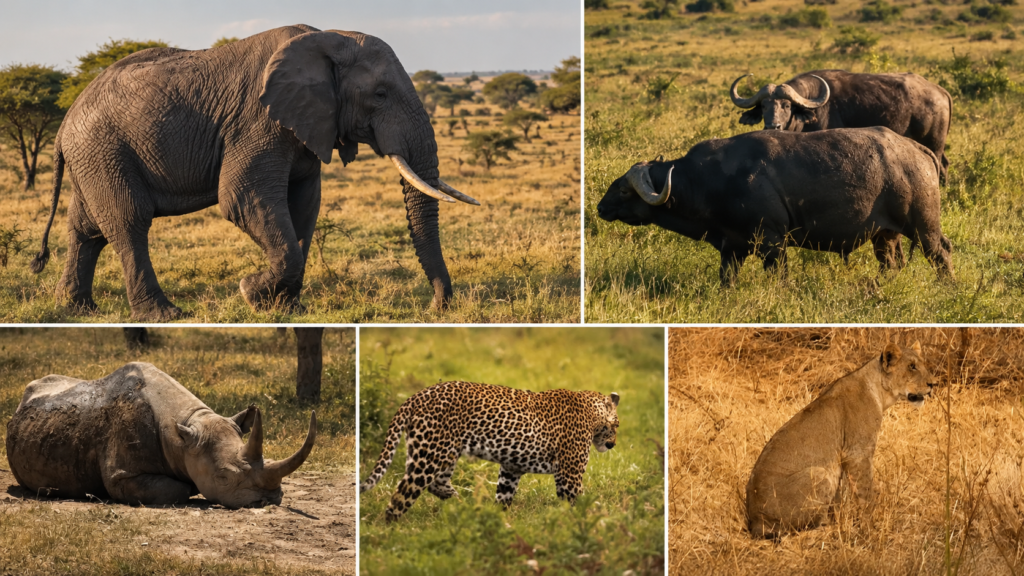
The Big Five are the lion, leopard, African elephant, African buffalo and rhinoceros. They occur across several Kenyan national parks, reserves and conservancies, but your chances of seeing each species vary considerably according to the destination.
For travellers asking where to see the Big Five in Kenya, the strongest overall choices are the Maasai Mara National Reserve, Ol Pejeta Conservancy, Tsavo West National Park and Lewa Wildlife Conservancy.
However, you do not necessarily need to depend on one destination.
One of the best strategies for a Kenya Big Five safari is to combine the Maasai Mara with a strong rhino destination such as Ol Pejeta or Lake Nakuru National Park. Amboseli can then be added for some of Kenya’s most memorable elephant viewing.
Here is where to go, what each destination does particularly well and how to build a safari route around the animals you most want to see.
What Are the Big Five Animals in Kenya?
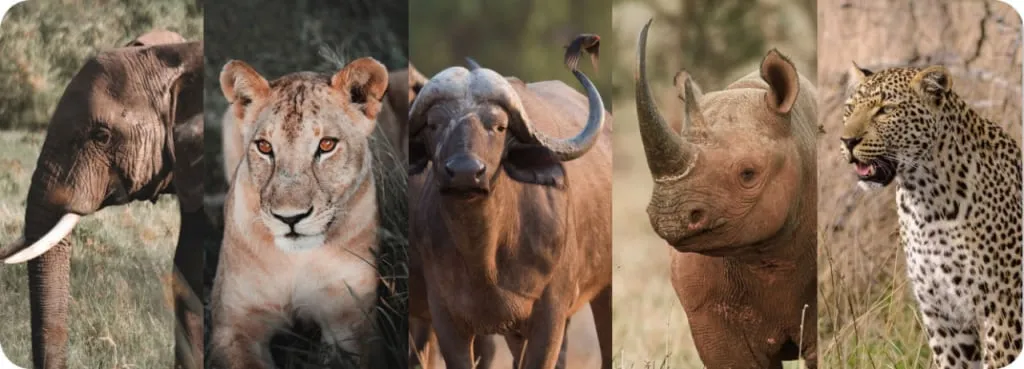
The Big Five are:
African elephant: Found in several Kenyan ecosystems, with Amboseli and Tsavo particularly famous for elephants.
Lion: One of Kenya’s most recognisable predators and particularly associated with the Maasai Mara.
African buffalo: Widespread across many of Kenya’s major wildlife areas.
Rhinoceros: Both black and white rhinos occur in Kenya, although their distribution is much more restricted than elephants, lions or buffalo.
Leopard: More secretive than lions and often encountered around riverine woodland, rocky areas and places offering sufficient cover.
For travellers hoping to see all five, rhinos and leopards are often the animals that require the greatest patience and careful itinerary planning.
1. Maasai Mara National Reserve: Best Overall Place to See the Big Five in Kenya
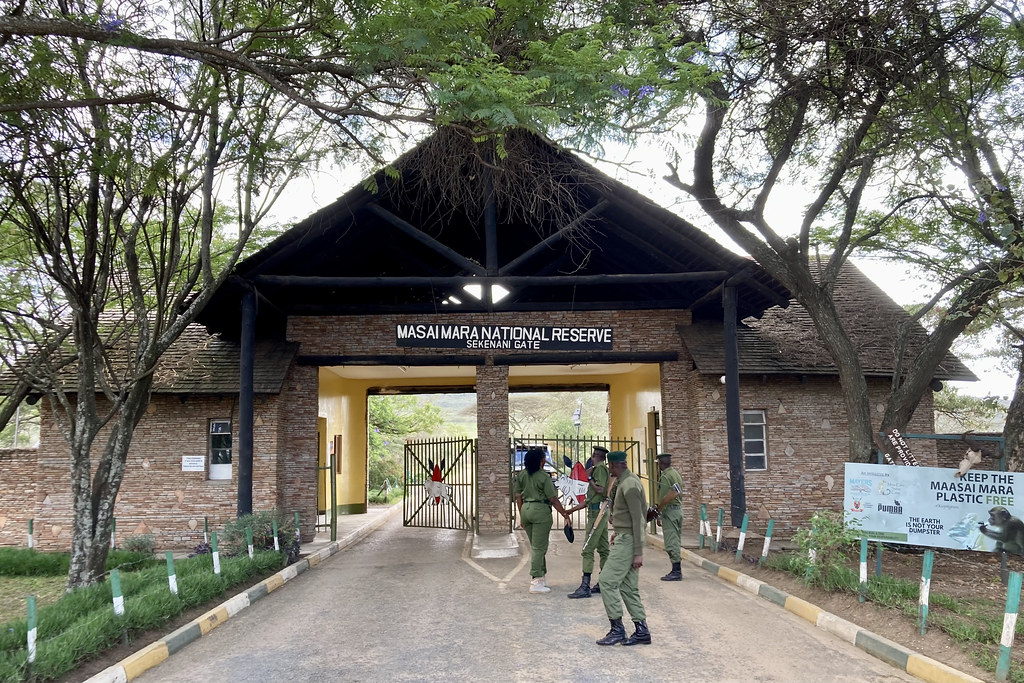
For most first-time visitors, the Maasai Mara National Reserve remains the best overall destination for a Big Five safari in Kenya.
The reserve’s vast grasslands, riverine forests and open plains support an extraordinary variety of wildlife. Kenya’s official tourism website, Magical Kenya, identifies the Maasai Mara as home to all of the Big Five: lion, leopard, buffalo, elephant and rhino.
Lions are one of the great attractions of the Mara. Depending on the area and conditions, visitors may encounter prides resting in the grass, females hunting or males patrolling their territories.
Elephants and buffalo are also regularly encountered.
Leopards require more patience because they are solitary and secretive. Riverine woodland and areas with suitable cover can provide opportunities, particularly when an experienced driver-guide understands local leopard territories.
Rhinos are present, but sightings are less predictable than they are in specialist rhino areas such as Ol Pejeta or Lake Nakuru.
This is why a traveller who spends several days in the Maasai Mara has a realistic opportunity to see the Big Five, but nobody should promise that all five will appear on a particular game drive.
The Maasai Mara also offers something beyond the Big Five.
Between roughly July and October, the wider Mara-Serengeti ecosystem becomes famous for the Great Wildebeest Migration, when enormous herds move through the landscape following fresh grazing and water.
The Big Five, however, live in the Mara throughout the year. You do not need to travel during migration season simply to enjoy outstanding wildlife viewing.
If the Mara is the centre of your safari, read our guide to the best time to visit Kenya for safari before choosing your travel dates.
2. Ol Pejeta Conservancy: Best Big Five Destination for Rhinos
If rhinos are particularly important to you, Ol Pejeta Conservancy deserves a place near the top of your itinerary.
Located in Laikipia, near Mount Kenya, Ol Pejeta combines classic safari wildlife with some of Kenya’s most important rhino conservation work.
The conservancy is home to the Big Five and supports black and southern white rhinos. Most famously, Ol Pejeta Conservancy is home to the world’s last two northern white rhinos, Najin and Fatu.
For this reason, Ol Pejeta provides a very different experience from the Maasai Mara.
The Mara is particularly strong for predators and the vast savannah experience, while Ol Pejeta provides a closer connection with rhino conservation.
Visitors can also encounter lions, elephants, buffalo, leopards and many other animals during game drives.
Ol Pejeta is also home to the Sweetwaters Chimpanzee Sanctuary, adding another wildlife conservation experience that is unusual on a traditional Kenya safari.
Combining Ol Pejeta and the Maasai Mara is therefore one of the strongest safari combinations for travellers determined to maximise their chances of seeing the Big Five in Kenya.
3. Lake Nakuru National Park: One of Kenya’s Best Rhino Stops
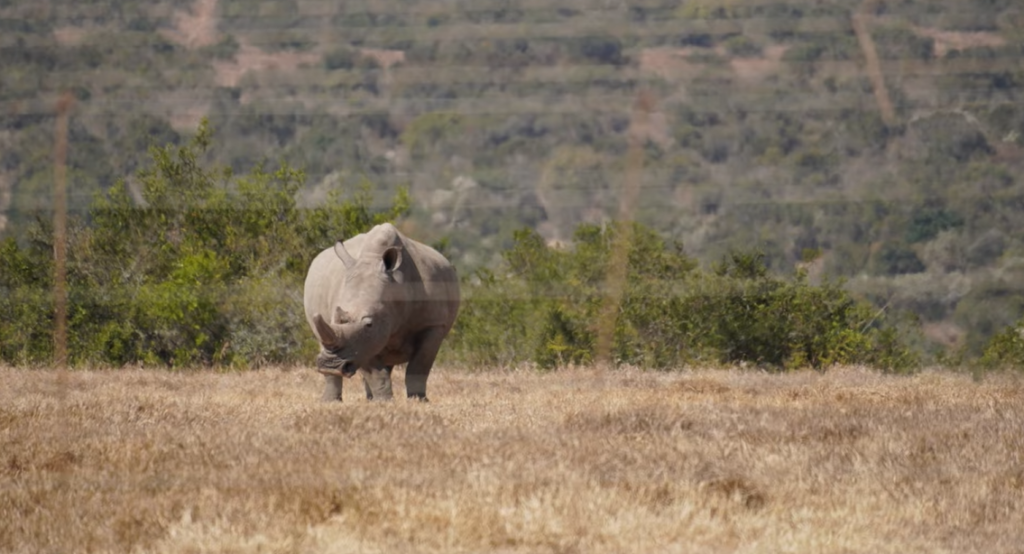
Lake Nakuru National Park is particularly valuable when rhinos are an important part of your safari.
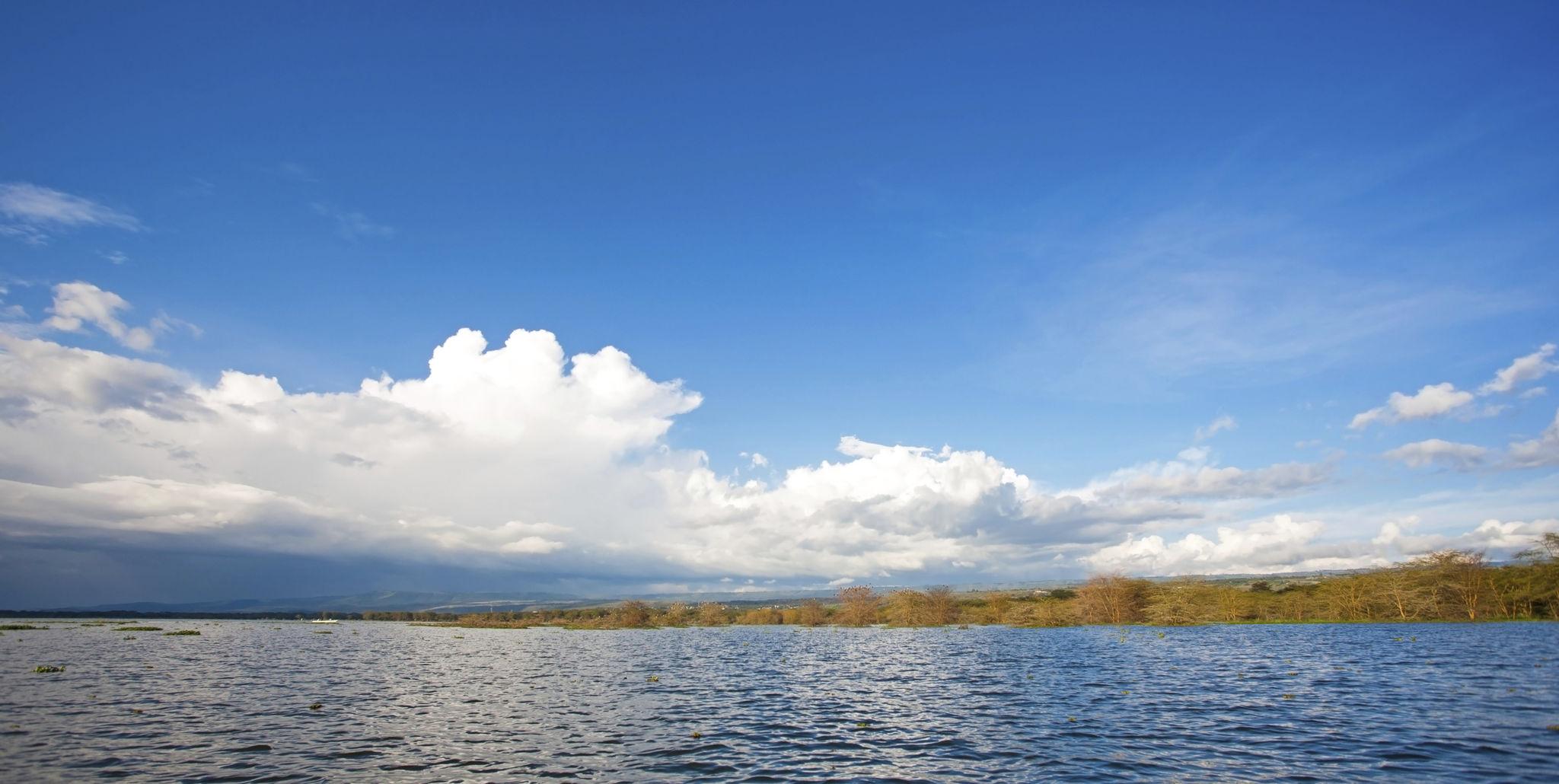
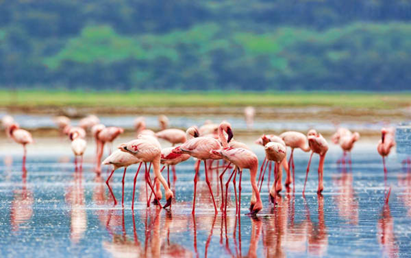
The Great Rift Valley park is known for both black and white rhinos, together with buffalo, Rothschild’s giraffes, lions, leopards and extensive birdlife.
The official Kenya Wildlife Service Lake Nakuru National Park page provides current information about the protected area, while Kenya Tourism Board also promotes Lake Nakuru as an important rhino destination.
Lake Nakuru should not normally be selected as your only destination if your primary objective is completing the Big Five.
Instead, its strength lies in the way it complements another major safari area.
For example:
Nairobi → Lake Nakuru → Maasai Mara
is a practical route for travellers with limited time.
An even stronger wildlife-focused route is:
Nairobi → Ol Pejeta → Lake Nakuru → Maasai Mara
This gives travellers two strong opportunities for rhino viewing before reaching the predator-rich plains of the Mara.
Lake Nakuru also fits naturally into a longer Rift Valley safari because it can be combined with Lake Naivasha before travelling onwards to the Maasai Mara.
4. Amboseli National Park: Best for Elephants and Kilimanjaro
Amboseli is not usually the destination selected specifically to complete a Big Five checklist.
It is something different and, for many travellers, equally memorable.
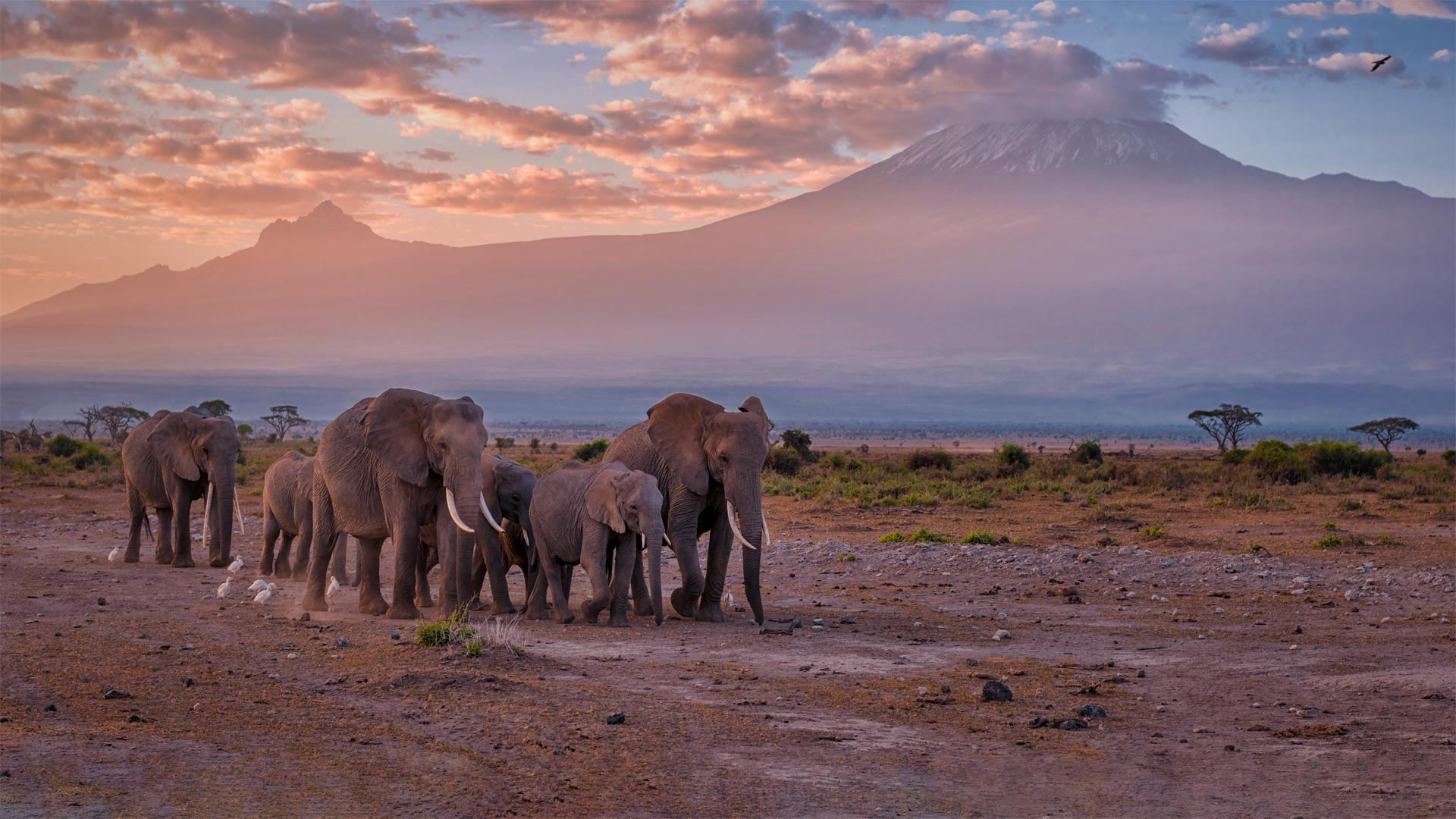
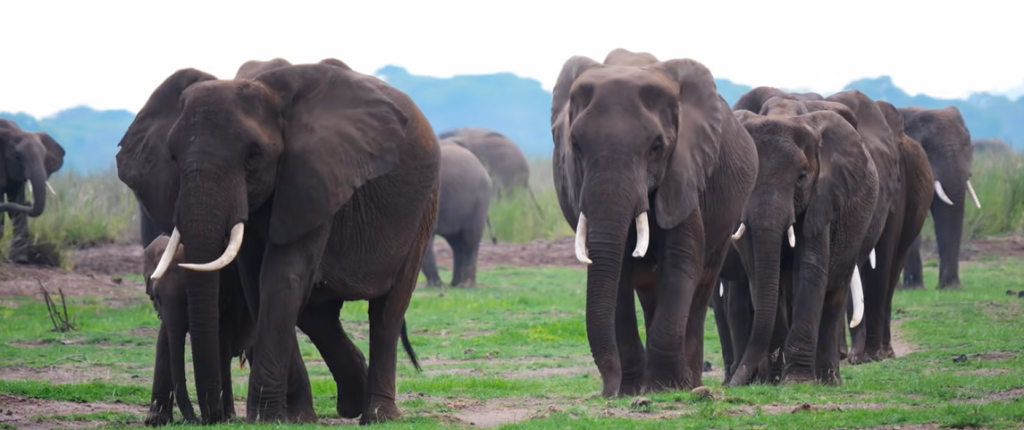
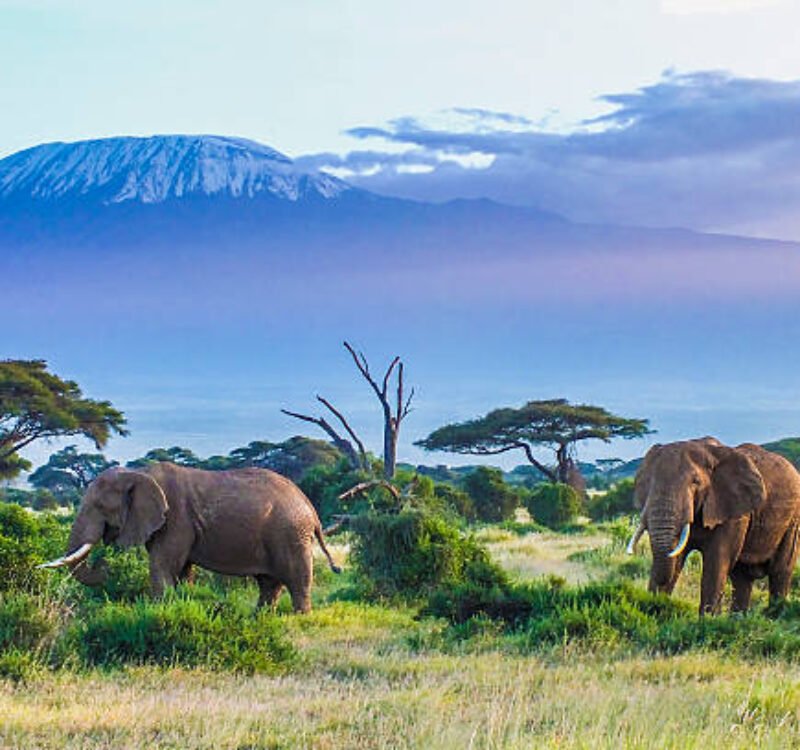
The Kenya Wildlife Service describes Amboseli as one of Africa’s premier destinations for close encounters with large elephant herds.
Elephants moving across the plains with Mount Kilimanjaro rising beyond them create one of the classic images of an African safari.
Amboseli also supports lions, buffalo, cheetahs, giraffes, zebras, wildebeest, hippos and many bird species.
However, travellers whose main priority is rhino viewing should favour Ol Pejeta, Lake Nakuru or another established rhino conservation area.
This is why Amboseli works especially well as part of a longer itinerary rather than being chosen only because you want to see all five animals.
For example, a safari combining Amboseli, Lake Nakuru and Maasai Mara gives travellers elephants and Kilimanjaro, rhino opportunities in Nakuru and strong predator viewing in the Mara.
You can explore our best Kenya safari itinerary for first-time visitors to see how these destinations can fit together.
Recently Featured Safaris
Login to use
Login to use
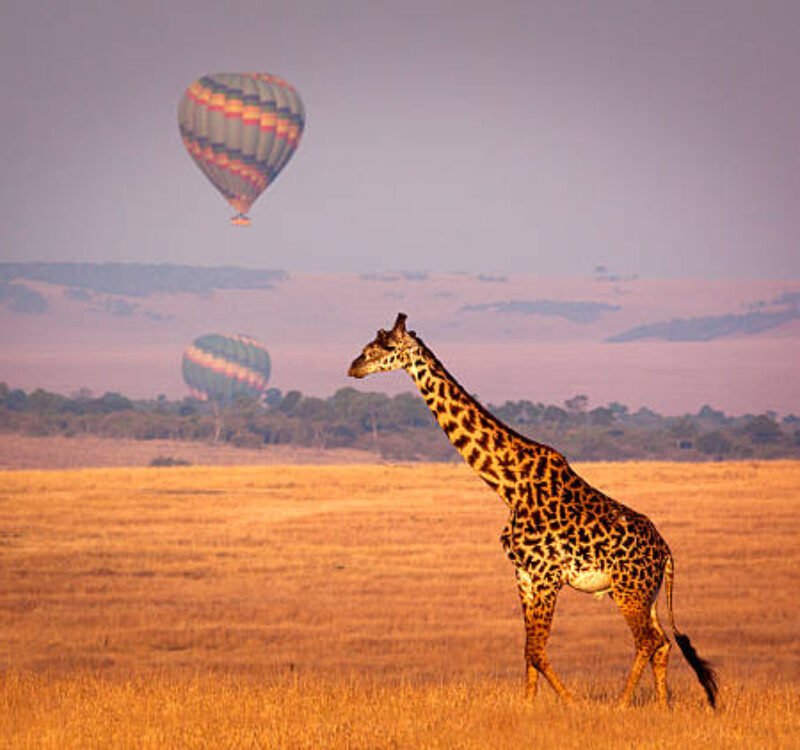
7 Days Magical Kenya Wildebeest Migration Safari 2026/2027
Duration
Group size
5. Tsavo West National Park: Big Five Safari in a Vast Wilderness
For travellers who want wilderness on a much larger scale, Tsavo provides a completely different safari experience.
Tsavo East and Tsavo West together form the immense Tsavo Conservation Area.
The Kenya Wildlife Service identifies Tsavo West as an area of rich biodiversity that includes the Big Five. The park also contains an important rhino sanctuary.
Tsavo’s landscapes range from volcanic terrain and lava flows to springs, woodland, open plains and dry wilderness.
Elephants are one of the ecosystem’s defining animals, while lions, buffalo and leopards are among its important large mammals.
Compared with the open grasslands of the Maasai Mara, spotting wildlife in parts of Tsavo can require greater patience because of the enormous landscape and thicker vegetation.
That is not a disadvantage for everyone.
For travellers who value wilderness, space and a feeling of exploration, Tsavo can be deeply rewarding.
Tsavo is also particularly convenient for travellers combining a safari with Kenya’s Indian Ocean coast.
6. Lewa Wildlife Conservancy: Big Five and Outstanding Rhino Conservation
Lewa Wildlife Conservancy is another exceptional choice for travellers who want a more conservation-focused Big Five safari in Kenya.
The conservancy is particularly well known for its rhino conservation success.
According to the official Lewa Wildlife Conservancy, a significant share of Kenya’s rhino population lives within the Lewa landscape. Lewa also reports that the Big Five roam its protected plains.
The experience here is different from the busier national parks.
Wildlife conservation, community partnerships and carefully managed tourism are central to the conservancy’s model.
For travellers who have already visited Kenya’s more famous national parks, Lewa can provide a quieter and more exclusive safari experience while maintaining excellent wildlife potential.
Lewa can also be combined with other northern Kenya destinations or the Maasai Mara by road and air.
7. Nairobi National Park: Four of the Big Five Beside the Capital
One destination deserves special mention because of its extraordinary location.
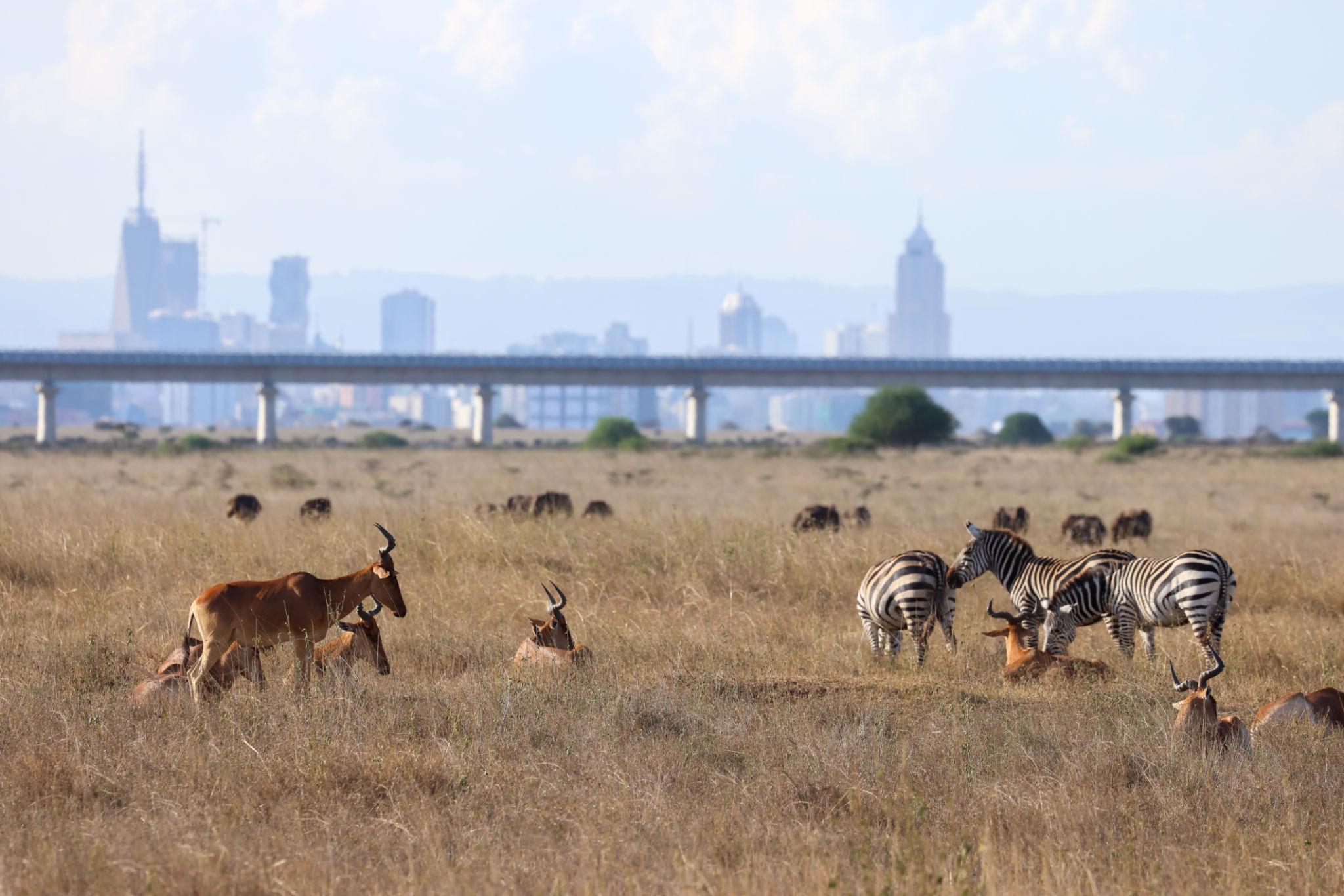
Nairobi National Park lies immediately outside Kenya’s capital and offers genuine wildlife viewing with the Nairobi skyline sometimes visible beyond the savannah.
However, it is not a complete Big Five destination.
According to the Kenya Wildlife Service, the park contains four of the Big Five but does not have elephants.
The park is particularly important for black rhinos and can be an excellent introduction to Kenya’s wildlife for travellers with an extra day in Nairobi.
A Nairobi National Park game drive can therefore complement a longer safari to Maasai Mara, Amboseli, Lake Nakuru or Ol Pejeta.
What Is the Best Place to See All the Big Five in Kenya?
If only one destination can be selected, the Maasai Mara is the strongest overall choice.
It combines all five animals with exceptional big-cat viewing, spectacular savannah scenery and year-round wildlife.
However, travellers whose main goal is completing the Big Five should consider combining destinations.
Ol Pejeta significantly strengthens your rhino opportunities, while the Maasai Mara provides excellent chances for lions, elephants, buffalo and, with patience, leopard.
This gives you different habitats rather than repeatedly searching for every animal in one ecosystem.
What Is the Best Big Five Safari Route in Kenya?
For wildlife-focused travellers, one of the strongest routes is:
Nairobi → Ol Pejeta Conservancy → Lake Nakuru National Park → Maasai Mara National Reserve → Nairobi
Ol Pejeta provides outstanding rhino conservation and Big Five potential.
Lake Nakuru adds another strong opportunity for rhinos together with Rift Valley scenery.
The Maasai Mara then becomes the major predator and savannah destination, with excellent opportunities for lions, elephants, buffalo and other wildlife.
Travellers with additional time can add Amboseli before or after this circuit for its elephants and Kilimanjaro landscapes.
If you are deciding how much to budget for this journey, read our complete guide to how much a Kenya safari costs.
Can You See the Big Five in One Day in Kenya?
Yes, it is possible.
It is most realistic in destinations where all five species occur, including the Maasai Mara, Ol Pejeta, Lewa and Tsavo West.
However, seeing all of the Big Five in one day should never be guaranteed.
Wild animals do not operate according to safari schedules.
A lion pride may remain hidden in long grass. A leopard may spend the afternoon deep inside riverine vegetation. A rhino may move into an area far from the game-drive route.
This unpredictability is an important part of a genuine safari.
Instead of racing from sighting to sighting, give yourself enough time to observe animal behaviour and experience each ecosystem properly.
How Many Days Do You Need for a Big Five Safari in Kenya?
Three days in a strong wildlife destination can provide excellent sightings, but five to eight days gives you a much stronger safari experience.
A longer itinerary allows you to combine different ecosystems and reduces the pressure to find every species immediately.
For travellers visiting Kenya for the first time, seven days is a particularly useful starting point.
It provides enough time to combine several destinations without turning the safari into a continuous race between national parks.
When Is the Best Time for a Big Five Safari in Kenya?
Kenya offers wildlife viewing throughout the year.
The dry months are particularly popular because vegetation is often thinner and animals can become concentrated around reliable water sources.
July to October is one of the country’s busiest safari periods and also overlaps with the main Great Migration season in the Maasai Mara.
January and February can also provide excellent wildlife viewing.
However, choosing the best month depends on whether your priority is the Big Five, the Great Migration, photography, fewer vehicles, greener landscapes or safari price.
Read our full guide to the best time to visit Kenya for safari before confirming your travel dates.
Is Seeing the Big Five Guaranteed on a Kenya Safari?
No responsible safari company should guarantee the Big Five.
A professional driver-guide can use experience, tracks, animal behaviour, communication with other guides and knowledge of the ecosystem to improve your chances.
But wildlife remains wild.
That uncertainty makes a real safari different from visiting animals in captivity.
Sometimes the unforgettable sighting is not one of the Big Five at all. It may be cheetah cubs learning to hunt, hyenas surrounding a carcass, giraffes crossing the horizon at sunset or elephants quietly protecting a newborn calf.
The Big Five may bring you to Kenya, but they rarely become the only memories you take home.
Which Kenya Safari Is Best for Big Five Photography?
For overall photography, the Maasai Mara is difficult to beat because of its open landscapes, predators and variety of wildlife.
Ol Pejeta and Lewa are particularly attractive to travellers interested in rhino photography and conservation stories.
Amboseli provides some of Kenya’s most recognisable elephant photography, especially when Mount Kilimanjaro is visible.
Tsavo provides dramatic landscapes, red-dust elephants and a sense of scale that is very different from the Mara.
A multi-destination safari therefore produces a much more varied photographic story than remaining in one ecosystem.
Responsible Big Five Wildlife Viewing in Kenya
Seeing the Big Five should never come at the expense of the animals.
Choose guides who respect park and conservancy regulations, avoid pushing animals off their natural path and maintain appropriate viewing distances.
Vehicles should not crowd predators, block hunting animals or surround animals simply to obtain a photograph.
Responsible safari tourism helps protect the ecosystems that make Big Five encounters possible in the first place.
Kenya Wildlife Service, conservancies and tourism organisations continue to work with communities and conservation partners to protect wildlife and its habitat.
Travellers contribute to this system through conservation fees, responsible accommodation choices and by selecting safari operators that treat wildlife protection as part of the journey rather than an inconvenience.
So, Where Can You See the Big Five in Kenya?
For most travellers, the Maasai Mara National Reserve is the best overall place to see the Big Five in Kenya.
It combines lions, leopards, elephants, buffalo and rhinos with extraordinary savannah landscapes and some of Africa’s finest predator viewing.
However, the strongest Big Five itinerary does not depend entirely on one reserve.
Ol Pejeta Conservancy is outstanding for rhinos and conservation.
Lake Nakuru National Park provides another important rhino opportunity.
Amboseli National Park delivers remarkable elephant encounters beneath Mount Kilimanjaro.
Tsavo West combines the Big Five with one of Kenya’s great wilderness landscapes.
Lewa Wildlife Conservancy combines the Big Five with internationally important rhino conservation.
Together, these destinations show why Kenya remains one of Africa’s great wildlife safari countries.
Plan Your Big Five Safari in Kenya
Plan a safari with NAMSA Prestigious Tours and experience Kenya’s lions, leopards, elephants, buffalo and rhinos across some of the country’s most remarkable wildlife landscapes.
Whether your priority is completing the Big Five, photographing lions in the Maasai Mara, seeing rhinos at Ol Pejeta, watching elephants beneath Mount Kilimanjaro or combining several parks in one private safari, the itinerary can be designed around the experiences that matter most to you.
Explore our Kenya safari itineraries or start with our best Kenya safari itinerary for first-time visitors.
A great Kenya safari is not simply about ticking five animals from a list.
It is about having enough time to watch them, understand their environment and experience the different landscapes that keep Kenya wild.
Plan a safari with NAMSA and get to experience the Big Five in Kenya across some of East Africa’s most extraordinary wildlife destinations.
One Comment