Great Migration Safari in Maasai Mara: When and How to Plan

NAMSA Prestigious Tours · Safari experiences
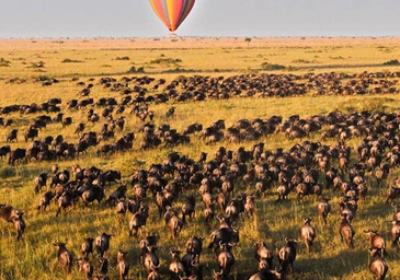
A Great Migration safari is about watching a moving landscape: herds spread across the plains, animals gather near water, and the next direction is decided by nature. Planning well means understanding the seasonal pattern while leaving room for uncertainty.
What is the Great Migration?
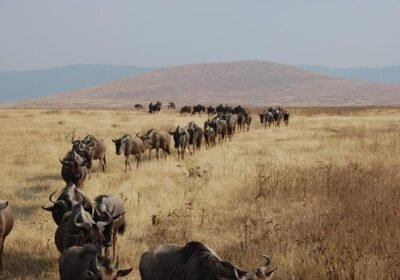
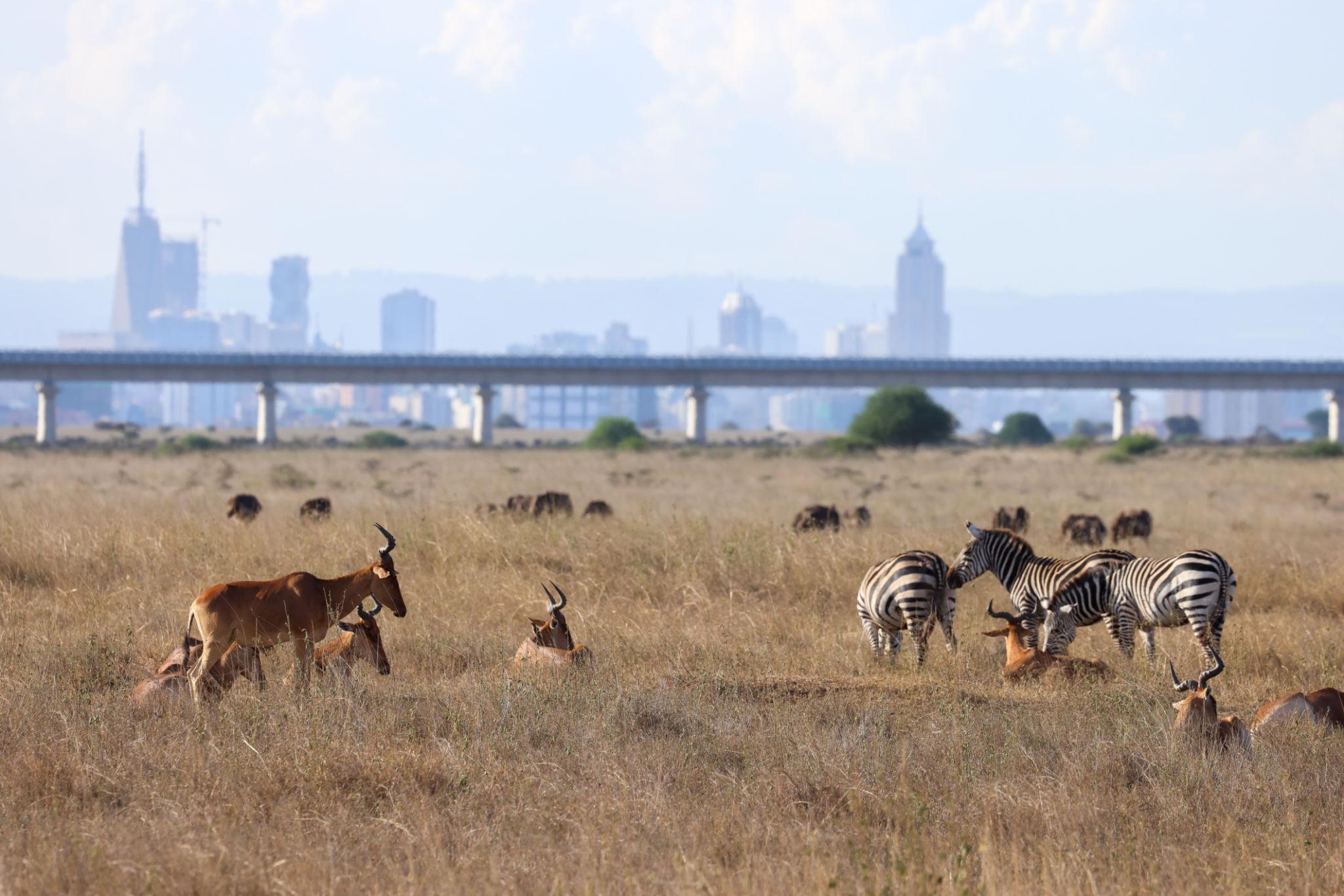
UNESCO describes the Serengeti’s migrating herbivores and their predators as an exceptional natural phenomenon spanning the wider landscape. Wildebeest, zebras and gazelles move through habitats in search of resources. The journey extends beyond the Kenyan reserve, so the famous Mara chapter is one part of a larger ecological cycle. Read UNESCO’s Serengeti description.
The Convention on Migratory Species explains that seasonal rainfall drives the wildebeest movement. Its fact sheet describes southern short-grass plains used during the wet period, movement westwards as conditions dry and a northern dry-season refuge associated with the Mara River. This is an ecological pattern rather than a timetable. Consult the CMS migration fact sheet.
When should you plan a Mara migration safari?
Mara Conservancy describes a usual migration season beginning around June–July and continuing towards November. It also states that river crossings are difficult to predict. Use that broad window as a starting point, then ask about the conditions relevant to your dates rather than buying a promised event. See the managing organisation’s migration guidance.
An itinerary sold for a migration period should still make sense when the herds move away from a particular crossing. Compare the available viewing areas and transfer distances. Avoid choosing a camp solely because a dramatic photograph was taken nearby in another year.
Why river crossings cannot be guaranteed
A concentration of animals beside water is not a departure announcement. Herds may wait, turn back or move elsewhere. The guide must balance observation with the access rules and the animals’ space. Do not ask a driver to block an approach or pressure wildlife into moving.
A rewarding day can include grazing herds, interactions within the group, birds, predators or a quiet stretch of landscape. Treating only a crossing as success can make the rest of a remarkable safari feel like waiting for a performance.
Build a realistic migration itinerary
| Decision | What to discuss with NAMSA |
|---|---|
| Length of stay | Several viewing opportunities and a contingency for a quiet day. |
| Camp location | The area used for drives and the actual transfer route. |
| Private or shared vehicle | Flexibility, seating and the agreed daily programme. |
| Other destinations | Whether extra parks improve the trip or add too much transit. |
Use our Maasai Mara length-of-stay guide and Mara map guide together. The first helps you choose time; the second helps you understand where that time will be spent.
Understand the full price
Ask for a quotation listing accommodation, meals, transport, game drives and chargeable entry days. Optional balloon flights and cultural visits should be separately identified unless included. A migration label does not establish a standard package or a fixed price.
Compare your proposal with our Maasai Mara safari cost guide. Confirm cancellation terms, room arrangements and whether price changes are possible under the agreement. Do not assume the published starting price applies to every date.
Make responsible viewing part of the plan
CMS identifies water availability, land-use change and pressures on migration routes as conservation concerns. Preserving the journey involves much more than protecting a single viewing point. Give the landscape and the people who live alongside it the same consideration as the wildlife.
- Follow the guide and ranger instructions.
- Keep routes clear for animals.
- Avoid litter, unnecessary noise and pressure to obtain a photograph.
- Do not interpret a sighting report as permission to leave an authorised route.
Pack practical layers, sun protection, water and charged equipment. Ask about meal breaks, toilets and vehicle comfort before committing to long viewing days.
Frequently asked questions
Does the migration happen only in Kenya?
No. The migration uses the wider Serengeti–Mara ecosystem across Tanzania and Kenya.
Will I definitely see a river crossing?
No. Crossings depend on the animals and conditions, not a booking schedule.
Can NAMSA arrange a migration itinerary?
Ask for a current proposal based on your dates, party size and preferred accommodation.
Related Articles