Big Five Animals in Kenya: What They Are & Where to See Them
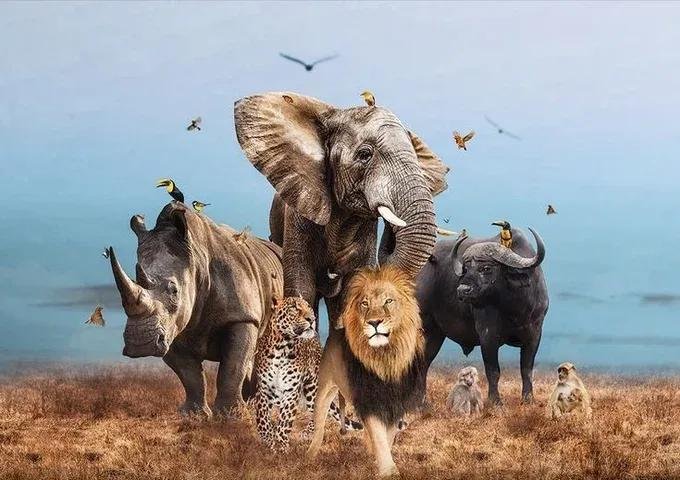
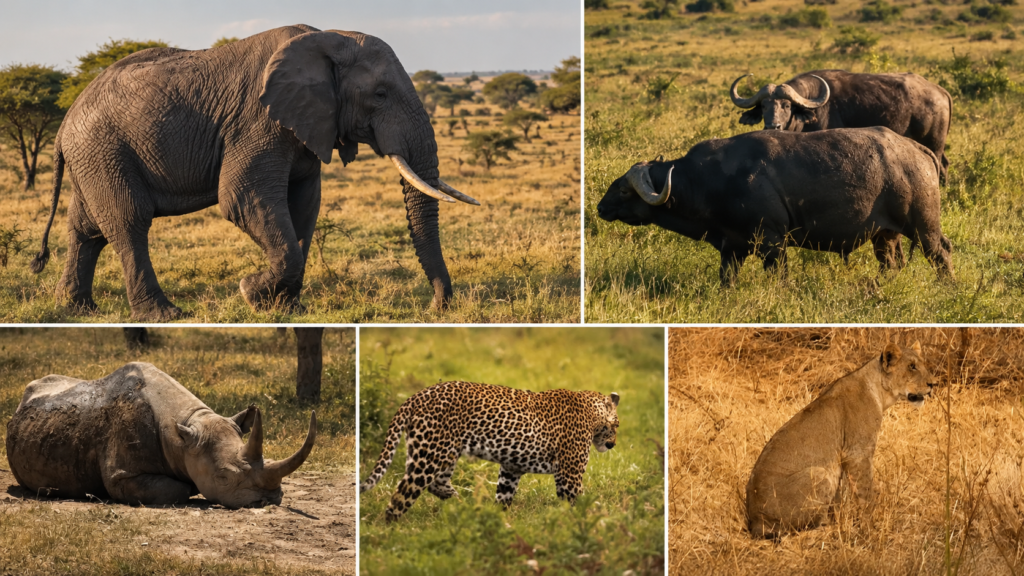
If you are wondering what the Big Five animals in Kenya are, the answer is the African lion, African leopard, African savanna elephant, rhinoceros and African buffalo.
These five remarkable animals are among the most sought-after wildlife sightings on a Kenya safari. However, the term “Big Five” does not mean they are Africa’s five largest animals. Giraffes, for example, are taller than several members of the Big Five, while hippos can be heavier than some of them.
The expression has a much older history. It originated during the colonial big-game hunting era and described five African animals that hunters considered especially difficult and dangerous to pursue on foot. Today, the meaning has changed significantly. The Big Five are now closely associated with wildlife photography, safari tourism and the conservation of some of Africa’s most celebrated species. Learn more about the history of Africa’s Big Five from National Geographic
Kenya is particularly well suited to a Big Five safari because its national parks, reserves and conservancies protect extraordinarily diverse wildlife habitats. From the open savannahs of the Maasai Mara to the rhino conservation landscapes of Ol Pejeta and the elephant herds of Amboseli, travellers can experience each member of the Big Five in its natural environment.
Why Are They Called the Big Five?
The African Big Five animals earned their collective name because of the challenges involved in hunting them during the nineteenth and early twentieth centuries, not because of their body size.
Fortunately, the experience has been transformed. On a modern Kenya wildlife safari, the goal is to observe, photograph and appreciate these animals without disturbing their natural behaviour.
A Big Five safari is therefore no longer about conquest. For responsible travellers, it is an opportunity to understand African wildlife, the ecosystems that sustain it and the conservation efforts required to protect these species for future generations.
1. African Lion
Scientific name: Panthera leo
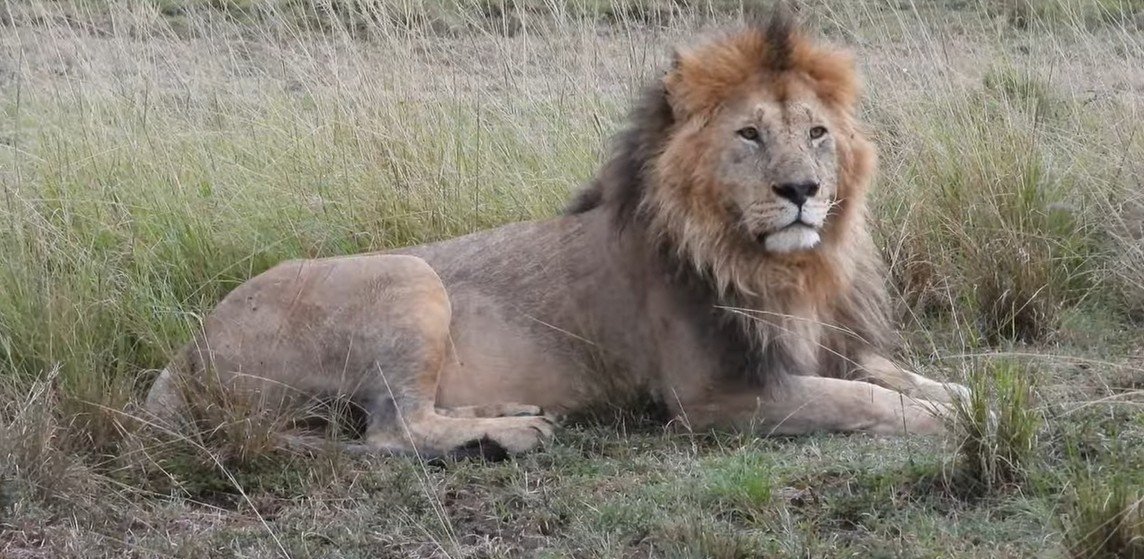
The African lion is perhaps the most recognised member of the Big Five animals in Kenya. Its powerful appearance, social behaviour and position among Africa’s leading predators have made the lion one of the great symbols of the African savannah.
Unlike most other wild cats, lions are highly social. They commonly live in groups known as prides, which may include related females, their cubs and one or more adult males. Lions favour habitats where prey is abundant, including open savannahs and grasslands.
Where can you see lions in Kenya?
The Maasai Mara National Reserve is one of Kenya’s outstanding lion destinations. Its extensive grasslands support large populations of wildebeest, zebra, gazelles and other herbivores, creating excellent habitat for predators.
Visitors may encounter lions resting under bushes during the heat of the day, walking through the grass in the early morning or interacting with other members of a pride.
The Mara is also home to all five members of the Big Five, although individual sightings can never be guaranteed.
For a more detailed explanation, read our guide: Can You See the Big Five in the Maasai Mara?
Lions can also be encountered in Amboseli, Tsavo and several other Kenyan wildlife areas.
2. African Leopard
Scientific name: Panthera pardus
The leopard is frequently one of the most exciting Big Five sightings because it is secretive, solitary and exceptionally well camouflaged.
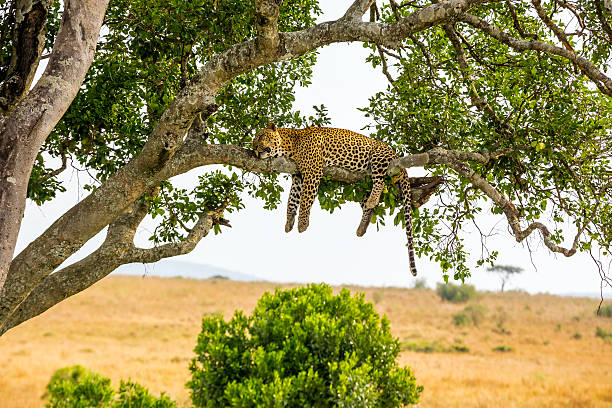
A leopard’s spotted coat allows it to disappear surprisingly effectively into grass, bushes, rocky landscapes and woodland. During daylight hours, leopards may rest in dense vegetation or trees, particularly in areas where they can avoid disturbance.
They are powerful climbers and may carry prey into trees, although not every leopard sighting will involve an animal resting on a branch.
Where can you see leopards in Kenya?
The Maasai Mara is one of Kenya’s better-known leopard habitats, particularly around riverine woodland and areas offering good vegetation cover.
Leopards are also present within the Ol Pejeta and Tsavo ecosystems.
Finding one often depends on the experience of the safari guide, knowledge of the landscape, careful observation and patience. Even in excellent leopard habitat, a sighting is never certain.
This unpredictability is one reason a leopard encounter can become one of the most memorable experiences of a wildlife safari in Kenya.
3. African Savanna Elephant
Scientific name: Loxodonta africana
The African savanna elephant is the largest living land animal and one of the easiest members of the Big Five to recognise.
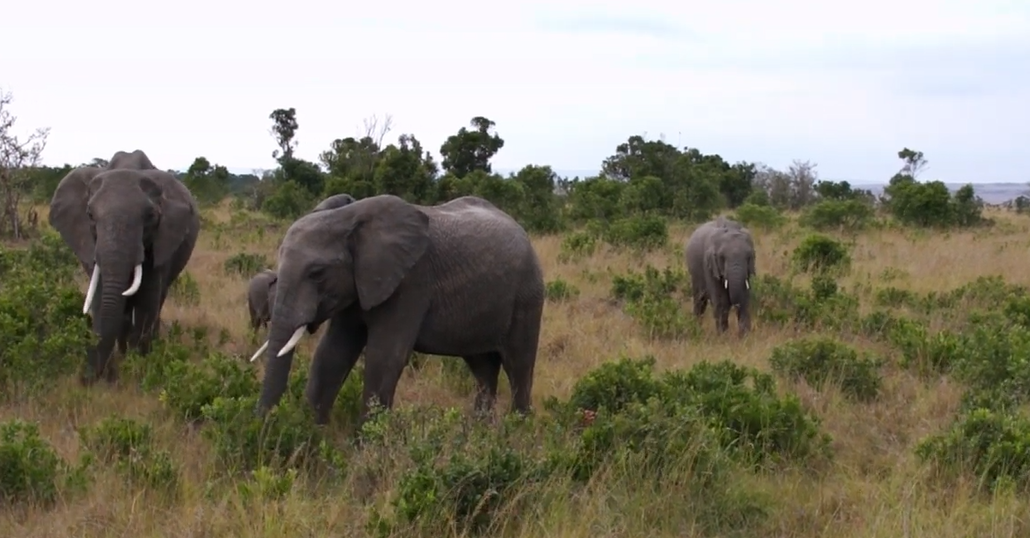
Elephants are highly social and may travel in family groups led by experienced females. Watching elephants feed, communicate, protect their calves or walk together across an open plain provides a completely different wildlife experience from observing a predator.
Where can you see elephants in Kenya?
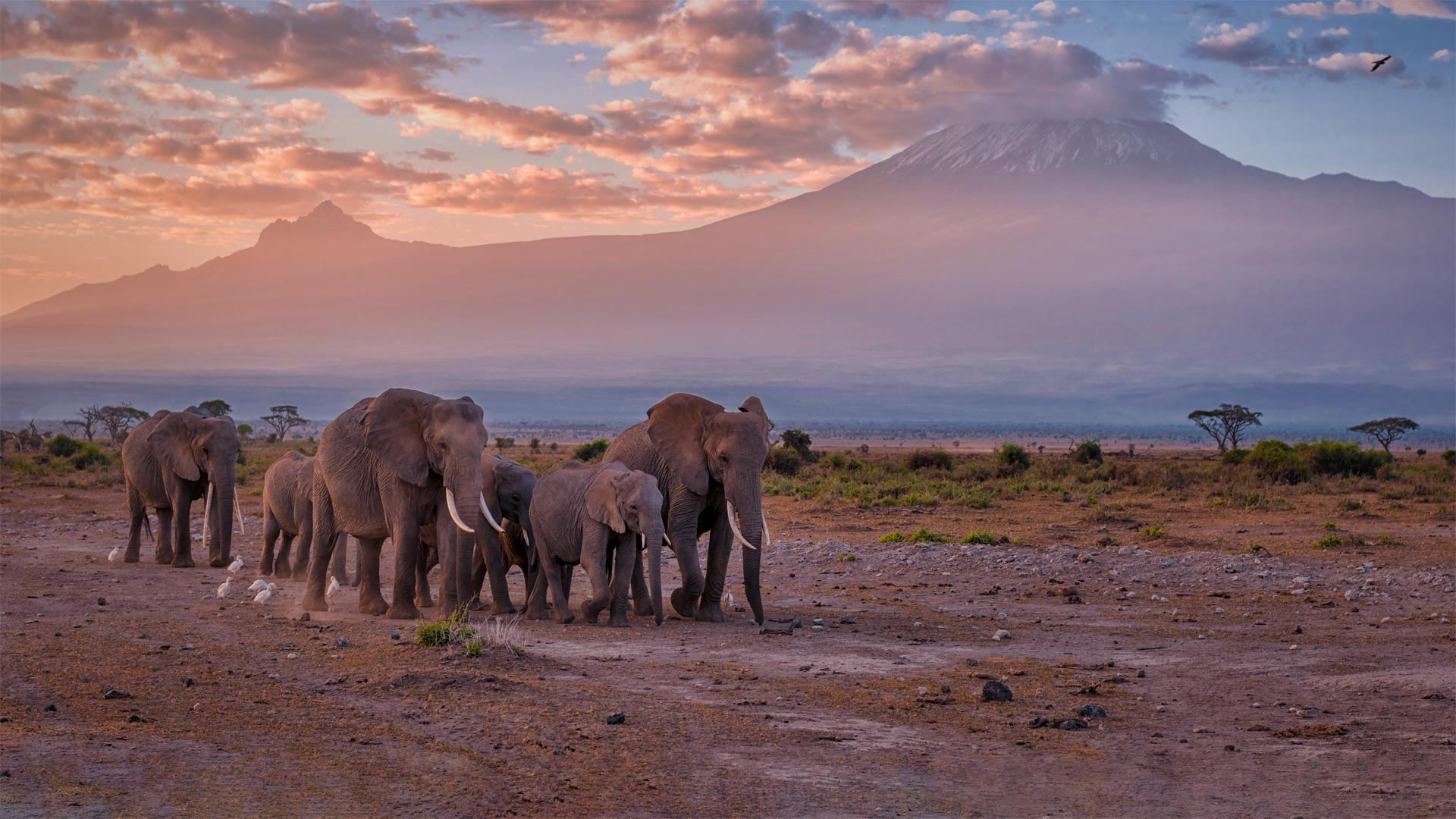
Amboseli National Park is particularly famous for elephants.
Kenya Wildlife Service describes Amboseli as the “Home of the African Elephant” and highlights its opportunities for visitors to observe large elephant herds. Explore Amboseli National Park through Kenya Wildlife Service
Amboseli is also famous for one of Kenya’s most recognisable safari landscapes: elephants moving across open plains with Mount Kilimanjaro rising beyond the park.
Elephants can also be seen in the Maasai Mara, Tsavo, Ol Pejeta and numerous other Kenyan wildlife areas.
Tsavo provides a particularly distinctive experience because elephants there are often associated with the ecosystem’s red-coloured soil, which may coat their skin after dust bathing.
4. African Buffalo
Scientific name: Syncerus caffer
The African buffalo, often called the Cape buffalo, is another powerful member of the African Big Five.
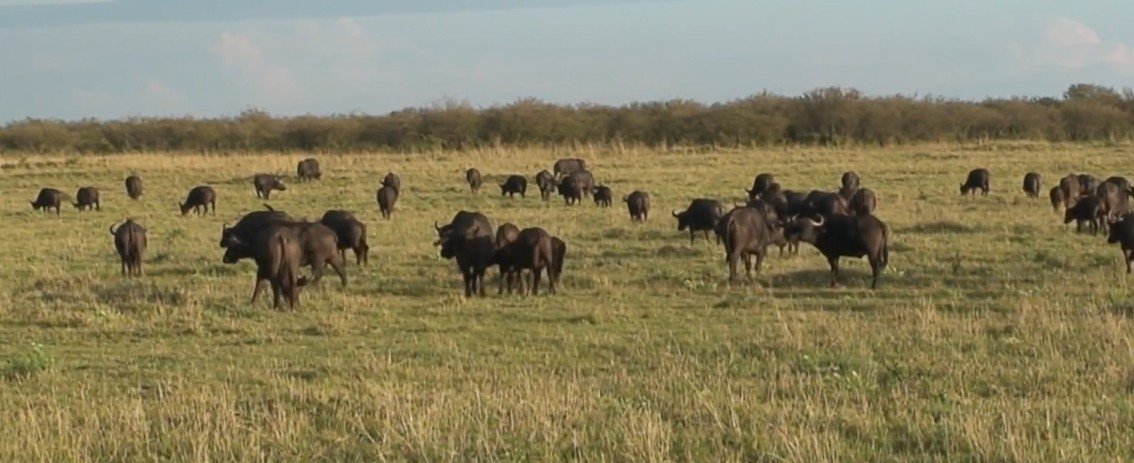
Buffalo are primarily grazers and can occur in substantial herds, particularly in areas with reliable grass and water. Older males may also be encountered alone or in smaller bachelor groups.
Their heavy bodies, broad horns and imposing presence make them easy to identify, although visitors should never underestimate wild buffalo. As with every large wild animal, they should be observed from an appropriate distance.
Where can you see buffalo in Kenya?
Buffalo are widely distributed across several of Kenya’s important safari destinations, including the Maasai Mara, Amboseli, Lake Nakuru, Ol Pejeta and Tsavo.
In predator-rich ecosystems such as the Maasai Mara, visitors may occasionally witness interactions between buffalo and lions. These encounters demonstrate that even Africa’s leading predators approach a strong buffalo herd carefully.
Buffalo may not receive the same attention as lions or elephants, but watching a large herd moving across the landscape can be one of the most impressive scenes on a Kenya Big Five safari.
5. Rhinoceros
Kenya protects both black rhinos and southern white rhinos, making the country particularly important for travellers interested in rhino conservation.
The two species can often be distinguished by the shape of the mouth.
Black rhinos have a more pointed, hooked upper lip that helps them browse leaves and shrubs. White rhinos have a broader, squarer mouth adapted for grazing grasses. Learn about rhino conservation at Ol Pejeta Conservancy
Rhinos have endured severe historical pressure from poaching and habitat loss. Consequently, seeing a rhino in Kenya is not only an exciting safari experience but also a reminder of the importance of long-term conservation.
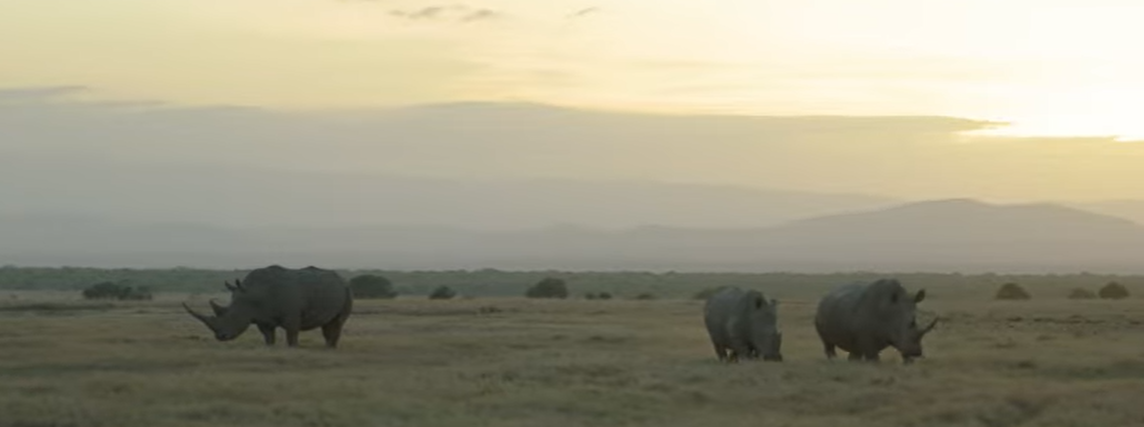
Where can you see rhinos in Kenya?
For travellers whose priority is rhino viewing, Ol Pejeta Conservancy is one of Kenya’s most important safari destinations.
Ol Pejeta is a major black rhino conservation area and is also home to the last two surviving northern white rhinos. Read about wildlife conservation at Ol Pejeta Conservancy
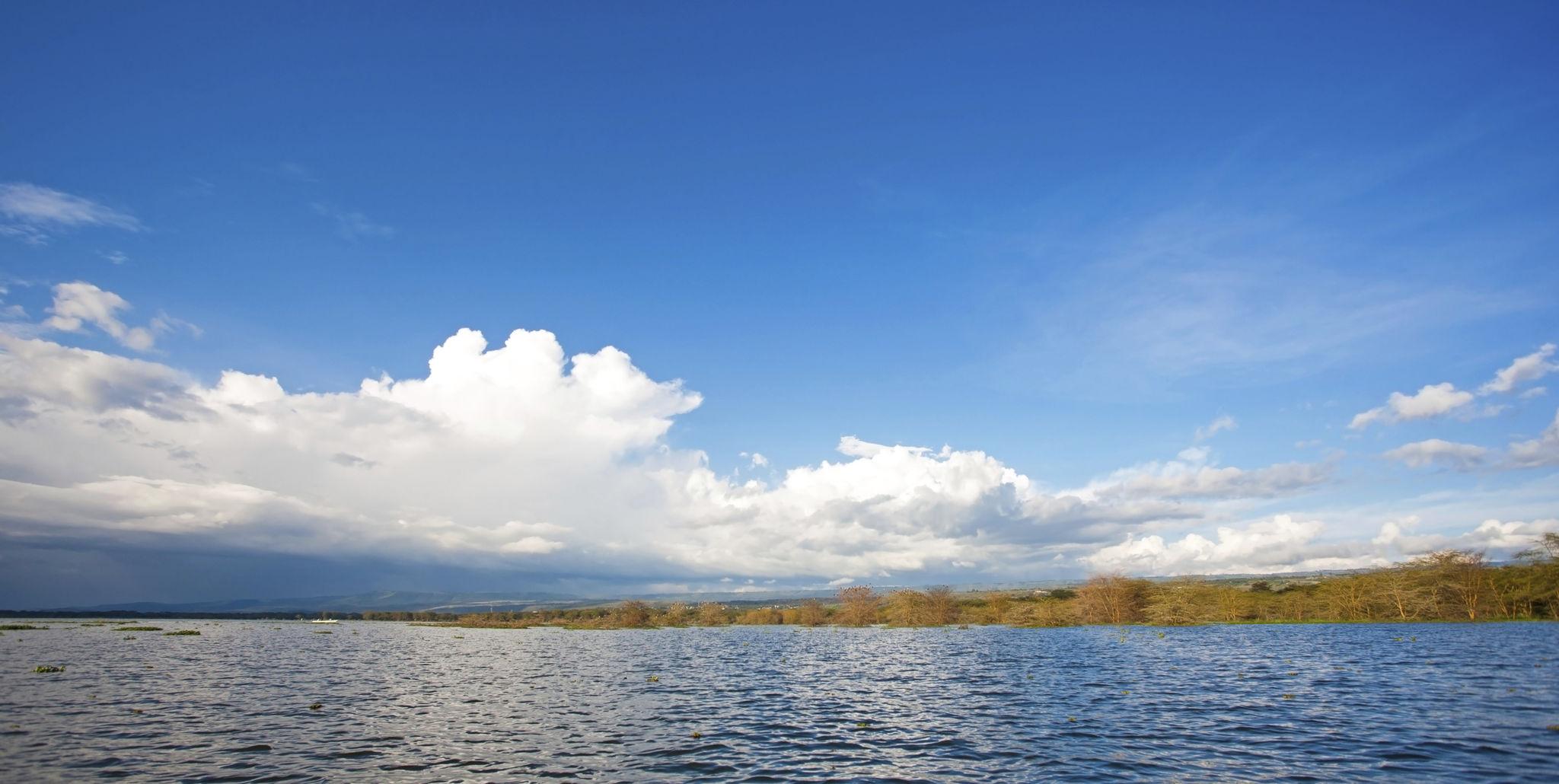
Lake Nakuru National Park is another important rhino habitat. Kenya Wildlife Service describes Lake Nakuru as a flagship sanctuary for both black and white rhinos and notes its history as Kenya’s first government-managed rhino sanctuary. Visit the official Kenya Wildlife Service guide to Lake Nakuru National Park
Black rhinos are also present in the wider Maasai Mara ecosystem, although sightings can be considerably less predictable than encounters with lions, elephants or buffalo.
Where Can I See the Big Five in Kenya?
Several Kenyan wildlife areas protect members of the Big Five, but the best strategy is normally to combine destinations rather than rely entirely on one park.
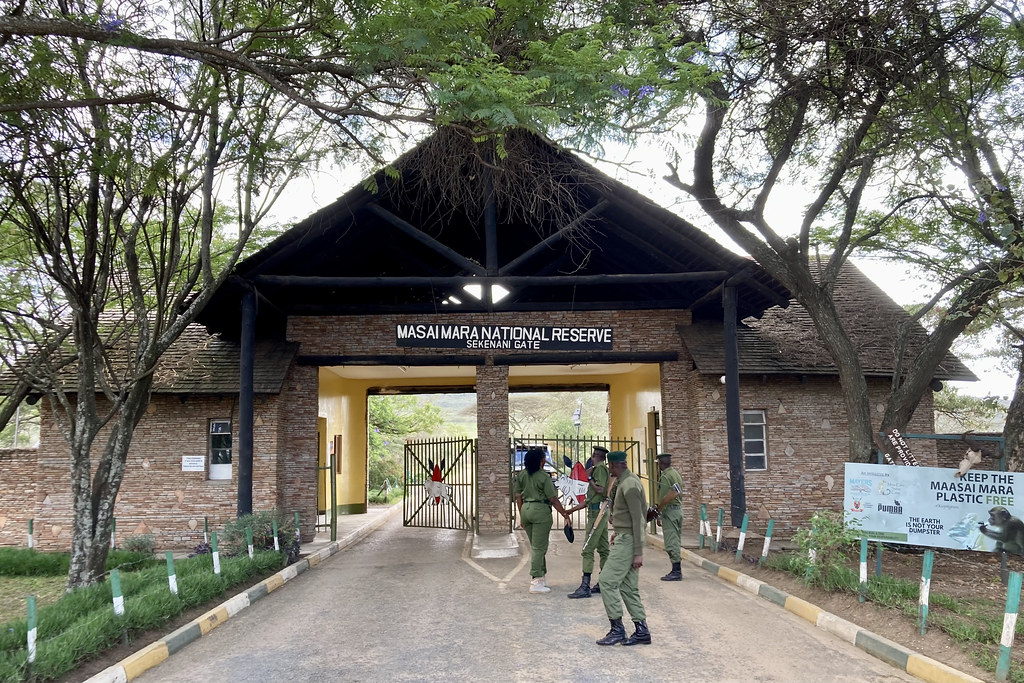
Maasai Mara National Reserve
The Maasai Mara is one of the strongest overall destinations for a Big Five safari in Kenya.
Lions, elephants and buffalo are regularly sought here, while leopard and black rhino generally require more patience. The reserve also offers outstanding opportunities to see cheetahs, hyenas, giraffes, hippos and numerous antelope species.
During the wider migration season, enormous numbers of wildebeest and zebra may also enter the Mara ecosystem from Tanzania’s Serengeti.
Ol Pejeta Conservancy
Ol Pejeta is particularly valuable when rhino is one of your priority sightings.
The conservancy combines Big Five wildlife experiences with an important conservation story, particularly its work involving black rhinos and northern white rhinos.
Adding Ol Pejeta to a Kenya itinerary can therefore improve the diversity of both the wildlife experience and the conservation experiences included in your journey.
Lake Nakuru National Park
Lake Nakuru is another valuable stop for travellers interested in rhinos.
The park protects both black and white rhinos as well as buffalo, lions, leopards, giraffes and numerous bird species.
It combines conveniently with destinations such as Lake Naivasha and the Maasai Mara, making it a useful part of a longer Kenya safari circuit.
Amboseli National Park
Amboseli should be considered particularly when elephants are a priority.
The combination of open landscapes, large elephant herds and views towards Mount Kilimanjaro gives the park a very different character from the Maasai Mara.
Travellers concentrating on completing the Big Five should normally combine Amboseli with stronger rhino destinations such as Ol Pejeta or Lake Nakuru.
Tsavo West National Park
Tsavo West provides a more expansive wilderness experience and is another important Kenya safari destination.
Kenya Wildlife Service lists the Big Five among the park’s wildlife attractions and highlights the Tsavo West Rhino Sanctuary as part of its conservation landscape. Explore Tsavo West National Park with Kenya Wildlife Service
If choosing between these parks is difficult, we have prepared a complete destination comparison:
Where Can I See the Big Five in Kenya? Best Safari Parks
That guide explains which parks offer the strongest opportunities for each animal and how the destinations can be combined.
What Is the Best Big Five Safari Route in Kenya?
For travellers particularly focused on the Big Five animals in Kenya, one of the strongest routes combines:
Ol Pejeta Conservancy, Lake Nakuru National Park and the Maasai Mara National Reserve.
Ol Pejeta provides an important rhino conservation experience. Lake Nakuru adds another recognised rhino sanctuary, while the Maasai Mara offers exceptional predator viewing alongside elephants, buffalo and extensive plains wildlife.
Travellers with additional time can add Amboseli National Park for its famous elephant herds or continue towards Tsavo for a larger wilderness experience.
The best route will depend on the number of safari days, travel season, preferred accommodation, budget and the wildlife experiences that matter most to you.
First-time travellers may also find our detailed planning guide useful:
How to Plan a Kenya Safari: Complete Guide for First-Time Visitors
Can You See All the Big Five on One Kenya Safari?
Yes, it is possible to see all the Big Five during one Kenya safari, particularly when visiting several carefully selected wildlife areas.
However, there is an important difference between possible and guaranteed.
Wild animals move freely within their ecosystems. Leopards may remain concealed in thick vegetation. Rhinos may be far from accessible tracks. Lions may move into another area overnight. Weather, vegetation, water availability and animal behaviour can all influence a day’s sightings.
A responsible safari operator should therefore never promise a guaranteed Big Five checklist.
Instead, a well-designed itinerary should give travellers strong opportunities to explore appropriate habitats with an experienced guide while allowing wildlife encounters to happen naturally.
Which of the Big Five Is Hardest to See in Kenya?
There is no single answer that applies to every safari.
In the Maasai Mara, black rhinos and leopards can be among the more difficult Big Five animals to locate. Leopards are exceptionally well camouflaged, while rhinos occur at much lower densities than common grazing species.
In a rhino-focused conservancy such as Ol Pejeta, however, the situation is different because the landscape is managed as an important rhino conservation area.
This is why combining complementary destinations can be more effective than spending the entire safari trying to complete the Big Five in one location.
When Is the Best Time to See the Big Five in Kenya?
Kenya offers wildlife viewing throughout the year.
Dryer periods can make wildlife easier to observe in some destinations because vegetation may become thinner and animals often concentrate around reliable water. However, the green season can provide beautiful landscapes, fewer vehicles in some areas, young animals and excellent photography.
The ideal month depends on whether your priority is the Big Five, the Great Migration, birdlife, photography, weather, safari cost or avoiding peak-season crowds.
Read our complete guide to choosing your travel month:
Best Time to Visit Kenya for Safari
The Big Five and Wildlife Conservation in Kenya
The Big Five have become powerful ambassadors for African conservation.
Protecting animals such as elephants, lions and rhinos also requires protecting the landscapes they depend upon. These habitats support far more than five species. They sustain predators, herbivores, birds, insects, plants and local communities whose livelihoods are closely connected to healthy ecosystems.
Rhino conservation provides a particularly clear example. Protected areas such as Ol Pejeta and Lake Nakuru play important roles in maintaining populations that once faced severe declines.
For travellers, this means the Big Five should never be viewed simply as five boxes on a safari checklist.
A successful safari can also include a cheetah scanning the plains, giraffes feeding among acacia trees, a secretary bird hunting through the grass, hippos gathering in a river or a herd of impala reacting suddenly to a hidden predator.
The Big Five may inspire the journey, but Kenya’s wider biodiversity is what makes the safari unforgettable.
How to View the Big Five Responsibly
Responsible wildlife viewing means giving animals sufficient space and allowing them to behave naturally.
Safari vehicles should not chase wildlife, block an animal’s path or crowd a sighting simply to obtain a photograph. Visitors should follow park and conservancy regulations, keep noise under control and listen to the instructions of professional guides.
A photograph is never more important than the welfare of the animal being photographed.
Choosing licensed safari operators, recognised accommodation providers and conservation-focused destinations also helps support the tourism economy that contributes to protecting Kenya’s wildlife landscapes.
Plan Your Big Five Safari in Kenya
Seeing the Big Five animals in Kenya is about much more than completing a wildlife checklist.
It may mean watching elephants slowly cross an Amboseli plain, hearing lions calling across the Maasai Mara before sunrise, searching riverine woodland for the shape of a hidden leopard, meeting a massive buffalo herd beside a water source or finally finding a rhino in a landscape protected for its survival.
Each encounter is different, and that unpredictability is part of what makes a genuine African safari so memorable.
Plan a safari with NAMSA and get to experience Kenya’s Big Five in some of the country’s most spectacular national parks, reserves and conservancies.
Whether you are planning a private safari, family adventure, honeymoon, budget journey or luxury wildlife experience, NAMSA Prestigious Tours can design your route around the destinations and wildlife experiences that matter most to you.
Start by exploring our complete guide:
Where Can I See the Big Five in Kenya? Best Safari Parks
You can also explore:
Kenya safari destinations and itineraries with NAMSA Prestigious Tours
Ready to Book Your Kenya Safari?
Chat with NAMSA Prestigious Tours on WhatsApp and get quick help with your Maasai Mara safari, Kenya safari package, honeymoon safari, family safari, or custom eco-safari itinerary.
Book Instantly on WhatsAppFrequently asked questions
Have more questions? Contact us.
What are the Big Five animals in Kenya?
The Big Five are the lion, leopard, African savanna elephant, rhinoceros and African buffalo.
Why are they called the Big Five?
The term originated during the big-game hunting era and referred to five animals considered particularly challenging and dangerous to hunt on foot. Today, the expression is associated mainly with wildlife tourism, photography and conservation.
What is the best place to see the Big Five in Kenya?
The Maasai Mara is one of Kenya’s strongest overall Big Five destinations. However, travellers focused on seeing rhinos should consider combining the Mara with Ol Pejeta Conservancy or Lake Nakuru National Park.
Are all the Big Five found in the Maasai Mara?
Yes, all five occur in the wider Maasai Mara ecosystem. However, sightings vary. Lions, elephants and buffalo may be easier to encounter, while leopard and black rhino sightings can require considerably more patience.
Which Big Five animal is hardest to find?
Leopards and black rhinos are often among the more challenging sightings, depending on the destination. Wildlife movement and habitat conditions mean there can never be a fixed answer.
Can I see the Big Five in one day?
It is possible in some wildlife areas, but it should never be expected or guaranteed. A multi-day safari normally allows more time for patient wildlife observation.
Does Kenya have both black and white rhinos?
Yes. Kenya protects populations of black rhinos and southern white rhinos. Ol Pejeta and Lake Nakuru are particularly important destinations for travellers interested in seeing and learning about rhinos.
Is the Great Migration part of the Big Five?
No. The Great Migration mainly involves wildebeest, zebras and other herbivores moving through the Serengeti-Mara ecosystem. However, migration season can create exceptional predator-viewing opportunities in the Maasai Mara.
Related Articles
One Comment