What Is Maasai Culture Known For? A Tourist Guide to Kenya
“As an African proverb says, “Wisdom is like a baobab tree; no one individual can embrace it.”
The first thing many travellers notice is the colour.
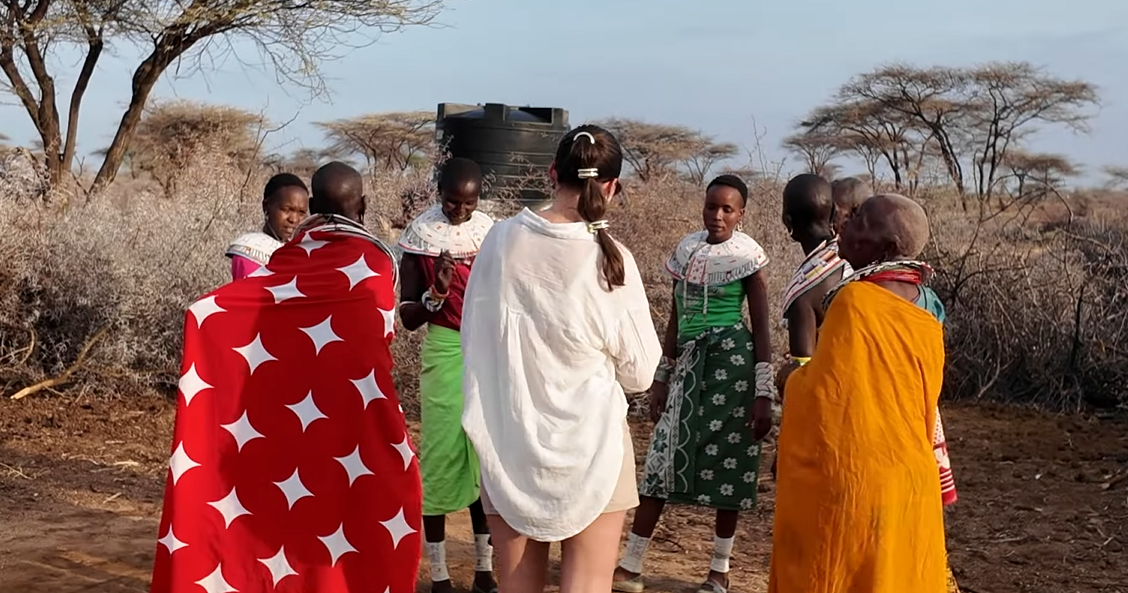
A red shuka catches the morning light against the grasslands. Beaded jewellery reflects the sun. Cattle move slowly beyond a homestead while voices rise in song.
Yet Maasai culture is much deeper than the images that appear on postcards and safari brochures.
So, what is Maasai culture known for when visiting Kenya on safari?
Maasai culture is especially known for pastoral traditions centred on cattle, distinctive clothing, intricate beadwork, age-set traditions, songs and dance, strong community relationships, indigenous knowledge, and a deep connection with the landscapes of southern Kenya and northern Tanzania.
For Kenya travellers, understanding this culture can add another dimension to a wildlife journey. A Masai Mara safari may begin with lions, elephants and wildebeest, but a respectful cultural experience can also introduce visitors to the people whose history is closely connected with some of Kenya’s most famous savannah landscapes.
Ready to Book Your Kenya Safari?
Chat with NAMSA Prestigious Tours on WhatsApp and get quick help with your Maasai Mara safari, Kenya safari package, honeymoon safari, family safari, or custom eco-safari itinerary.
Book Instantly on WhatsAppWho Are the Maasai?
The Maasai are Maa-speaking people whose communities are found mainly in Kenya and northern Tanzania. Pastoralism has historically played an important role in Maasai livelihoods, knowledge and social organisation.
The relationship between Maasai communities, livestock and the landscape is so important that the Food and Agriculture Organization of the United Nations recognises the Oldonyonokie/Olkeri Maasai Pastoralist Heritage of southern Kenya through its Globally Important Agricultural Heritage Systems programme. FAO describes a pastoral system that has developed over centuries and reflects extensive knowledge of water, grazing land, livestock and the surrounding environment.
This is important for tourists because Maasai culture should not be understood simply through clothing or a short village performance. It is connected with family, livestock, knowledge, ceremony, land and community.
For visitors planning a safari to Kenya, this distinction makes the cultural experience much more meaningful.
Cattle: At the Heart of Traditional Maasai Life
It is difficult to understand traditional Maasai life without understanding cattle.
For generations, cattle have represented much more than food. Livestock can have economic, social and cultural importance, and pastoral knowledge includes understanding water, grazing conditions, animal health and seasonal movement.
FAO’s work on Maasai pastoral heritage describes livestock as central to livelihoods and highlights the indigenous knowledge developed through generations of managing animals and natural resources.
This explains why cattle frequently appear in Maasai stories, ceremonies, conversations and everyday life.
However, visitors should also avoid imagining Maasai communities as unchanged societies from the distant past. Modern Maasai life is diverse. People work in tourism, conservation, education, business, government and many other sectors while cultural traditions continue to adapt.
FAO has documented how Maasai communities in southern Kenya are responding to changing environmental and economic conditions, including drought and changing approaches to livestock production.
That ability to preserve identity while adapting to change is part of what makes Maasai culture living heritage.
The Maasai Shuka: One of Kenya’s Most Recognisable Images
Few pieces of clothing are as closely associated with Kenya’s safari landscapes as the Maasai shuka.
Visitors frequently see Maasai men and women wearing brightly coloured cloth, including the famous reds that have become internationally associated with Maasai identity.
Against the golden grass of the Maasai Mara or the open landscapes of southern Kenya, the colours can be striking.
However, travellers should remember that the shuka is not simply a costume prepared for photographs. Clothing is part of personal and cultural expression, and traditional dress should be approached with the same respect visitors would give cultural clothing anywhere else in the world.
For photographers on Kenya wildlife safaris or Kenya cultural tours, asking permission before taking close portraits is one of the simplest ways to show respect.
Maasai Beadwork: Colour, Skill and Cultural Meaning
Beadwork is another important and highly visible expression of Maasai culture.
Necklaces, bracelets, earrings and other forms of decoration can feature complex arrangements of colour and pattern. Smithsonian documentation of Kenyan beadwork describes Maasai women discussing the meanings attached to colours and explains that beadwork is also a communal practice through which knowledge and design traditions are shared.
This makes Maasai beadwork more than an attractive souvenir.
It represents knowledge, skill, creativity and cultural continuity.
Visitors who would like to purchase beadwork should, where possible, buy directly from community artisans or initiatives that explain how income reaches the people making the products.
That simple choice can make sustainable safari Kenya experiences more meaningful because tourism spending remains connected with local livelihoods.
Smithsonian research in Kenya has also documented community beadwork programmes that create alternative sources of income for Maasai women living around wildlife conservancies.
For a traveller, a bracelet bought directly from its maker carries a very different story from an anonymous souvenir purchased far from the community.
Maasai Warriors and the Moran Tradition
The image of the Maasai warrior, often called a moran, is recognised far beyond East Africa.
Traditionally, Maasai societies have organised people through age-related social stages carrying particular responsibilities.
This is one reason the warrior image should not be reduced to spears, photographs and safari advertising.
UNESCO recognises Enkipaata, Eunoto and Olng’esherr, three interrelated male rites of passage of the Maasai community in Kenya. The traditions involve stages associated with initiation, moranhood, adulthood and eldership, together with the transmission of knowledge, responsibilities and community values.
UNESCO placed these practices on the List of Intangible Cultural Heritage in Need of Urgent Safeguarding in 2018.
Their significance lies partly in how knowledge moves from one generation to another through ceremonies, stories, songs, proverbs and community participation.
For tourists, this provides an important lesson: Maasai traditions are cultural practices belonging to communities, not performances owned by the tourism industry.
The Famous Maasai Jumping Dance
One of the most photographed expressions associated with Maasai culture is the jumping dance commonly known as adumu.
Young men may form a group, sing rhythmically and take turns jumping vertically. Smithsonian documentation of Maasai dancers describes adumu within the broader coming-of-age traditions associated with young warriors.
For visitors, the height of the jumps may be impressive, but the cultural context matters more than the photograph.
Song and dance can communicate age, identity, celebration and community relationships. UNESCO’s documentation of Maasai rites of passage similarly records singing and dancing as part of wider cultural traditions through which knowledge is transmitted.
A responsible guide should therefore explain what visitors are watching instead of treating the dance simply as entertainment.
Maasai Rites of Passage and Community Knowledge
Maasai culture is also well known for ceremonies that mark important stages of life.
UNESCO identifies Enkipaata, Eunoto and Olng’esherr as interconnected traditions through which responsibilities, indigenous knowledge and social values are passed between generations.
These practices help demonstrate why cultural tourism requires sensitivity.
Not every ceremony is designed for tourists. Some traditions may be private, sacred or restricted to particular community members.
Visitors should therefore never assume that paying for a cultural visit gives unlimited access to people’s homes, ceremonies or personal lives.
The best cultural tourism allows the host community to decide what it wishes to share.
Maasai Culture and the Maasai Mara
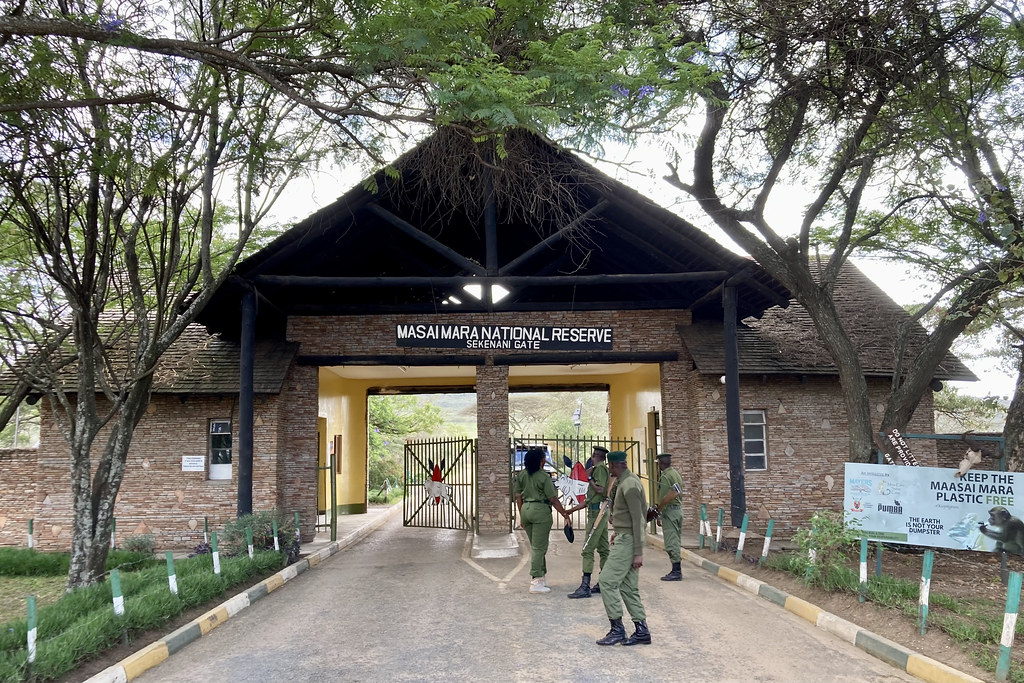
For many international visitors, the strongest connection between Maasai culture and tourism appears in the Maasai Mara.
The reserve is internationally known for lions, elephants, cheetahs, leopards, buffalo, giraffes and the seasonal movements associated with the Great Migration.
Yet the Mara is not simply a wildlife landscape.
The name itself reflects the region’s connection with the Maasai people, and communities continue to live in the wider ecosystem surrounding the reserve and neighbouring conservancies.
This means a Great Migration Kenya safari can become more meaningful when wildlife viewing is combined with some understanding of the human history of the landscape.
Visitors researching Kenya safari destinations can begin with NAMSA Prestigious Tours’ guide to choosing a Kenya safari destination. Compare Kenya safari destinations
Travellers considering the Mara specifically can also read NAMSA’s guide to the best time to visit Maasai Mara, particularly when planning around wildlife seasons. Read the Maasai Mara seasonal safari guide
Can You Visit a Maasai Village on Safari?
Yes. Cultural visits are offered in a number of safari areas in Kenya, particularly around the Maasai Mara and parts of southern Kenya.
A typical visit may introduce travellers to aspects of homestead life, livestock, traditional architecture, beadwork, songs, dance and community organisation.
However, quality varies.
The question should not only be, “How much does a Maasai village visit cost?”
A better question is, “Who benefits from my visit?”
A responsible local Kenya safari operator should be able to explain how the cultural experience is organised, whether the community participates voluntarily, how visitor fees are handled, and whether travellers may buy crafts directly from local artisans.
Kenya’s Ministry of Tourism and Wildlife has emphasised that sustainable tourism should help preserve natural and cultural heritage while strengthening communities.
How to Experience Maasai Culture Respectfully
Respect can begin with very simple behaviour.
Ask before photographing people. Listen before making assumptions. Do not photograph children without appropriate permission. Avoid treating people’s homes as film sets. Follow community guidance about where visitors may enter. Purchase crafts fairly rather than bargaining to the point where the maker receives almost nothing.
Most importantly, remember that a cultural visit is an encounter between people.
It is not a human version of a game drive.
The goal should be conversation, understanding and mutual respect.
Responsible Kenya safari experiences are strongest when wildlife conservation, community livelihoods and cultural dignity support each other.
How to Combine Maasai Culture With a Kenya Safari
A cultural experience can easily form part of a broader Kenya safari itinerary.
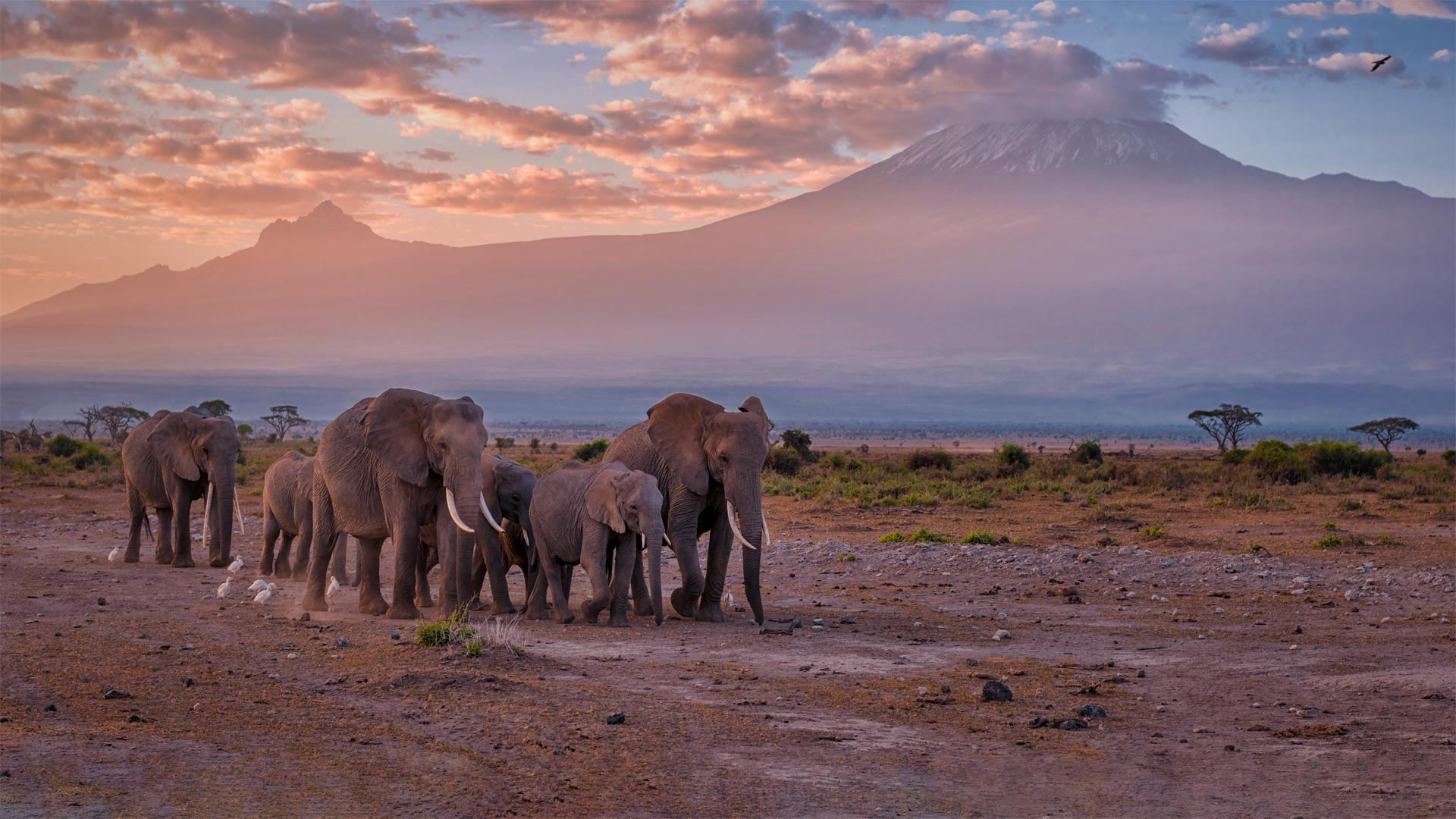
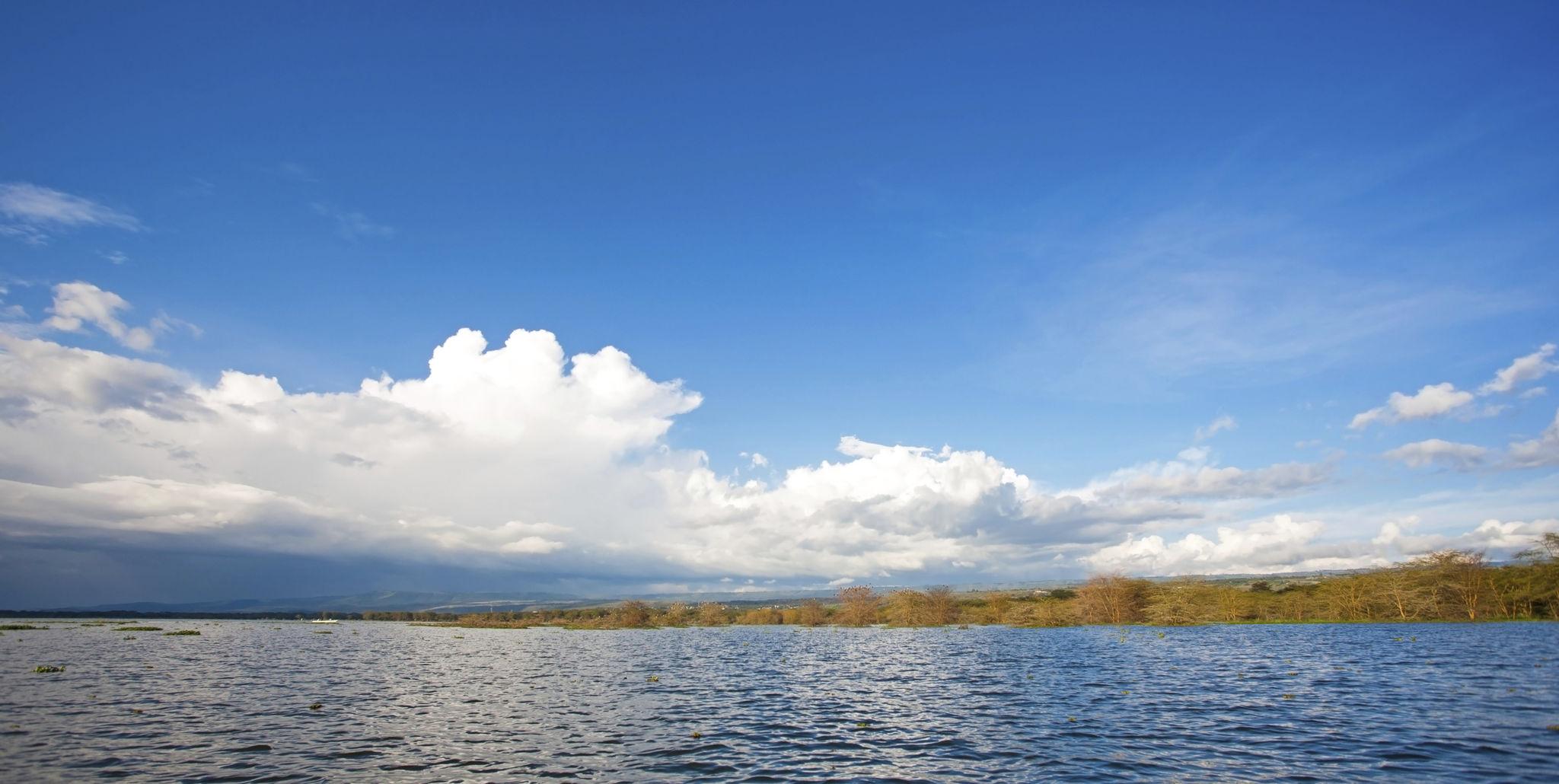
For first-time travellers, one of the strongest routes combines Amboseli National Park, Lake Naivasha, Lake Nakuru and the Maasai Mara.
NAMSA’s Kenya safari travel guide for first-time visitors explains how these destinations can fit into a balanced seven-day journey. See the Kenya safari itinerary for first-time visitors
The route can work at several price levels.
A budget safari may use simple tented camps and shared transport. Mid-range safaris usually provide more comfortable lodges or tented camps while keeping the emphasis on wildlife viewing. Luxury safaris may combine premium camps, private vehicles, specialist guides and more personalised activities.
Travellers comparing budget Kenya safaris, mid-range safaris and luxury Kenya safaris should therefore look beyond the hotel category.
Vehicle type, park fees, number of game drives, guide quality, private versus group travel and the time spent in each destination can all change the experience.
NAMSA’s detailed guide to safari costs in Kenya explains the differences between budget, mid-range and luxury travel. Compare Kenya safari costs and travel styles
Choosing a Kenya Safari Company for a Cultural Tour
When researching the best Kenya tour operators, travellers should not make a decision based only on the cheapest quotation.
Good safari companies in Kenya should be transparent about accommodation, park fees, vehicles, guides, community visits and what is excluded from the safari price.
When learning how to choose a Kenya safari company, check whether the operator provides clear contact information, detailed itineraries, realistic wildlife expectations and recent Kenya tour reviews or verified traveller feedback.
Ask how cultural visits are arranged and how local communities benefit.
This is especially important when booking a Kenya safari that combines wildlife with community experiences.
A trustworthy operator should never promise that culture will be staged on demand in the same way that a hotel activity might be scheduled.
For travellers looking for private Kenya safaris, family Kenya safaris, group Kenya safaris or custom cultural journeys, NAMSA Prestigious Tours can build the cultural experience into the itinerary rather than treating it as an afterthought.
Explore NAMSA’s current Kenya safari tours and Kenya safari packages here. Explore Kenya safari tours with NAMSA Prestigious Tours
Related Articles