NAMSA Prestigious Tours · Kenya Safari Travel Guide
Planning an Amboseli safari starts with understanding the real cost of entering the park. This guide explains the current Amboseli National Park fees for East African citizens, Kenya residents, African citizens and non-resident visitors, together with vehicle charges, payment through KWSPay, multi-park options and practical advice for travellers comparing budget safari, midrange safari and luxury safari arrangements in Kenya.
Current Amboseli National Park fees
Amboseli is classified within the current Kenya Wildlife Service fee schedule as a premium park together with Lake Nakuru National Park. This matters when calculating Kenya safari costs, because park conservation fees can form a significant part of a Kenya safari itinerary, particularly for families or groups spending several days inside protected areas.
The following rates were checked against the official Kenya Wildlife Service Amboseli National Park page and the published KWS conservation-fee schedule on 4 November 2026.
East African citizen
KES 1,500 adultPublished child/student rate: KES 750
Kenya resident
KES 2,025 adultPublished child/student rate: KES 1,050
African citizen
USD 50 adultPublished child/student rate: USD 25
Non-resident visitor
USD 90 adultPublished child/student rate: USD 45
Unlike the seasonal pricing used by some other Kenya safari destinations, the current published KWS schedule does not show separate high-season and low-season conservation rates for Amboseli. Accommodation costs, however, can change significantly according to travel season, lodge category, availability and group size.
Who qualifies for each Amboseli visitor category?
The amount payable is determined by the visitor category supported by your travel documents. This distinction is particularly important for international families, expatriates living in Kenya, African travellers and mixed-nationality groups.
East African citizen
The regulations define this category by citizenship within the East African Community framework. Carry the appropriate identification or passport needed to establish eligibility.
Kenya resident
A qualifying foreign resident should hold a valid resident permit or other documentation establishing lawful residence in Kenya.
African citizen
This category applies to nationals of African countries outside the East African category described in the regulations.
A non-resident is generally a visitor who does not qualify as an East African citizen, African citizen or Kenya resident under the applicable regulations. The legal definitions can be checked directly in Legal Notice No. 160 of 2025 on Kenya Law.
Student eligibility is more specific than simply being a young traveller. The published KWS guidance describes a student as an eligible person from a recognised educational institution travelling under a documented and organised educational arrangement. Travellers should therefore confirm the documentation required before expecting a student rate.

How long does an Amboseli National Park entry ticket last?
This is one of the most important details when estimating safari costs in Kenya. The 2025 regulations define a daily fee as the amount payable for a single access to a national park, reserve or sanctuary, valid for a period not exceeding 24 hours.
The words “single access” are important. Travellers staying outside a park should not automatically assume they can leave and re-enter repeatedly under the same ticket. When planning accommodation outside Amboseli, confirm how your planned park entry and exit times affect the charges for your actual itinerary.
For example, a Kenya safari itinerary with two nights near Amboseli can be structured differently from a two-night stay inside the park. Your chosen Kenya safari lodge or tented camp, arrival time, departure time and game-drive plan can therefore influence the total conservation fees payable.
Amboseli vehicle charges and other costs
The personal conservation fee is not the only KWS charge that may affect an Amboseli safari. The published schedule also lists vehicle entry charges according to passenger capacity.
Vehicle below 6 seats
KES 600Published motor vehicle charge per day.
Vehicle with 6 to 12 seats
KES 1,500A common category for safari vehicles, depending on actual seating capacity.
Vehicle with 13 to 24 seats
KES 3,000Published daily vehicle rate.
Larger vehicles
From KES 4,500KES 4,500 for 25 to 44 seats and KES 5,000 for 45 seats and above.
This is why Kenya safari vehicle types matter when comparing safari quotations. A private 4x4 Land Cruiser, safari van, larger group vehicle and specialist photography vehicle can have different operating costs even before fuel, guide services and accommodation are considered.
KWS also publishes separate charges for camping, special campsites, certain tourism activities, aircraft, drones and other services. Travellers planning camping or specialist activities should check the official KWS conservation fee schedule rather than assuming these costs are included in a standard gate ticket.
Amboseli and Tsavo combined park charges
Travellers considering Tsavo safaris together with Amboseli should pay particular attention to the combination options published by KWS. Combining these destinations can create one of Kenya's strongest southern safari circuits, moving from the elephant plains of Amboseli into the expansive landscapes of Tsavo West and Tsavo East.
Tsavo West + Amboseli
Published adult combination rate: East African citizen KES 2,200, Kenya resident KES 2,900, African citizen USD 80 and non-resident USD 150.
Tsavo East + Tsavo West + Amboseli
Published adult combination rate: East African citizen KES 3,000, Kenya resident KES 4,000, African citizen USD 115 and non-resident USD 215.
The official schedule also publishes child or student rates for these combinations. Before choosing a combination, confirm that the package conditions, travel dates and route match your actual safari. A lower published combination fee is only useful when your itinerary qualifies for it.
How to pay Amboseli National Park fees through KWSPay
Kenya Wildlife Service advises self-organised travellers to pay park entry through KWSPay on eCitizen. KWS currently lists M-Pesa, Visa card and direct bank transfer among the payment methods available for self-organised park visits.
Visitors should complete payment through the official government system rather than sending park fees to an unknown individual or unofficial website. Save your payment confirmation and park-entry documentation where it can be accessed easily during the trip.
For organised Kenya safari tours, KWS explains that park entry may be included within the overall safari cost handled by the tour operator. When booking a Kenya safari, ask the operator to state clearly whether park fees are included, excluded or payable separately.
Example Amboseli entry calculations
Simple calculations can help Kenya travellers understand how conservation fees fit into the wider safari budget.
Two non-resident adults and one qualifying child
Using the current published amounts, two adults at USD 90 each plus one child at USD 45 gives an entry-fee portion of USD 225 for one chargeable entry. Vehicle and other applicable charges remain separate.
Two East African citizen adults and one qualifying child
Two adults at KES 1,500 each plus one child at KES 750 gives an entry-fee portion of KES 3,750, before any separate vehicle or activity charges.
Four non-resident adults
Four adults at USD 90 each gives an entry-fee portion of USD 360 for one chargeable entry. Sharing the fixed vehicle and guide costs across four travellers can make a private safari more economical per person than the same journey for one or two travellers.
These figures explain why group size matters when comparing budget Kenya safaris, mid-range safaris and luxury Kenya safaris. Conservation fees may be fixed by visitor category, but transport, guiding and accommodation costs can often be distributed across the travelling party.
For a broader comparison of budget, private midrange and luxury safari pricing, read the NAMSA Kenya Safari Cost Guide.

What is not included in the Amboseli park entry fee?
The conservation fee should not be confused with the full cost of an Amboseli safari. Depending on how your trip is organised, your wider safari budget can include a private safari vehicle, professional guide, fuel, accommodation, meals, transfers, game drives, optional cultural visits and other activities.
Kenya safari accommodation options range from simple budget camps and guesthouses outside park boundaries to established Kenya safari lodges, tented camps and high-end luxury properties. These choices often create a much larger difference in the total safari price than the conservation fee itself.
The same applies to transport. A group joining safari normally spreads transport costs between several travellers, while private Kenya safaris provide your party with a dedicated vehicle and guide. Private travel can be especially attractive for photographers, couples, family Kenya safaris and groups that want greater flexibility during game drives.
Why include Amboseli in a Kenya wildlife safari?
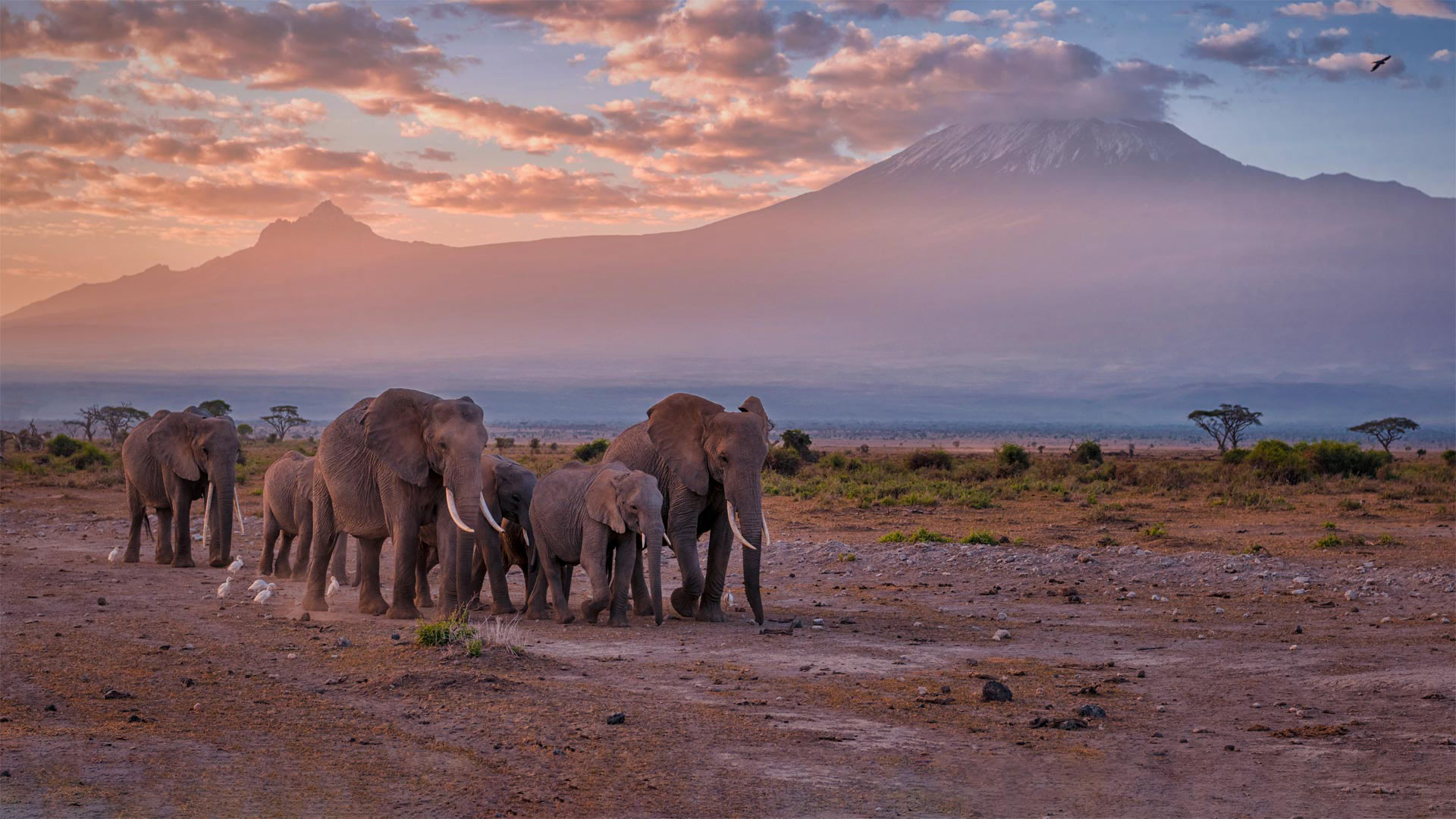
Amboseli is more than an entry-fee calculation. Kenya Wildlife Service describes the park as the Home of the African Elephant and highlights its large elephant herds, open grass plains, acacia woodland, marshes, birdlife and views towards Mount Kilimanjaro.
The park is particularly rewarding for travellers interested in elephant behaviour, wildlife photography and classic African savannah landscapes. A morning game drive may reveal elephant families crossing the plains, while wetlands can attract buffaloes, hippos, waterbirds and numerous other species.
KWS states that the area supports more than 400 bird species and identifies Amboseli as an Important Bird Area. Lions, cheetahs, giraffes, wildebeest, zebras, gazelles and other wildlife also occur in the wider ecosystem, although no responsible safari operator can guarantee particular wild-animal sightings.
UNESCO records Amboseli's wider ecological and cultural importance and notes its recognition as a Man and the Biosphere Reserve. Amboseli National Park was also placed on Kenya's World Heritage Tentative List in 2023. This is different from saying that the park is already a UNESCO World Heritage Site.
Travellers interested in the conservation background can read the UNESCO Amboseli National Park Tentative List entry.
For a deeper wildlife guide, see Best Places to See Elephants in Kenya and Where to See the Big Five in Kenya.
Planning an Amboseli safari: budget, midrange or luxury?
Amboseli can be included in almost every style of Kenya safari. A budget safari may use simpler accommodation and shared transport. A midrange safari normally provides improved lodge or tented-camp comfort, while a luxury safari may combine premium accommodation, private guiding, superior locations and highly personalised service.
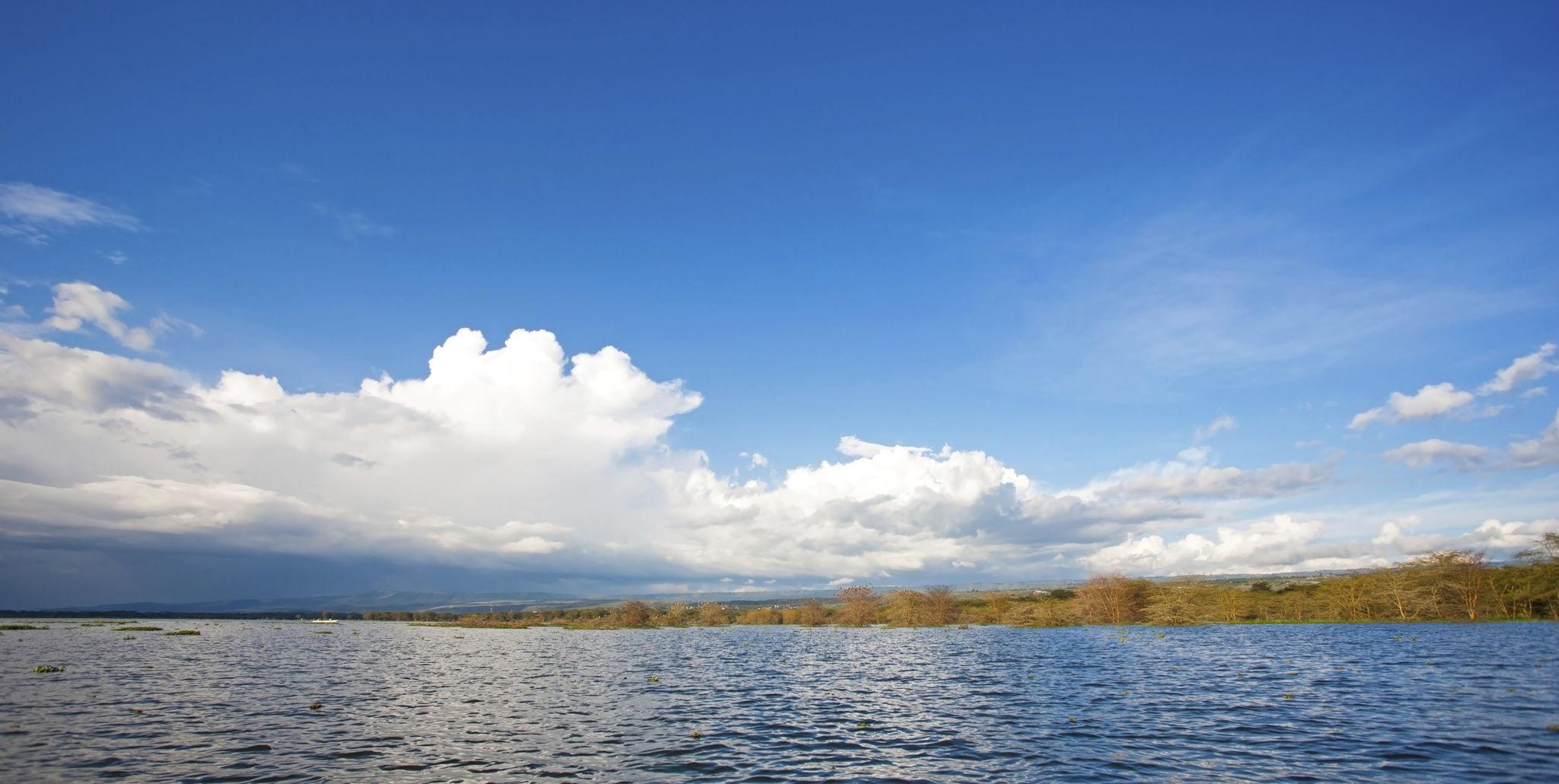
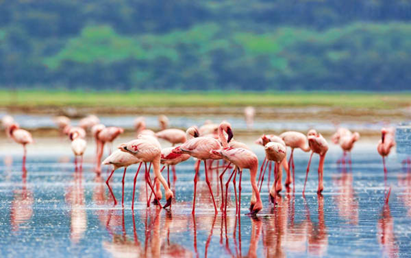
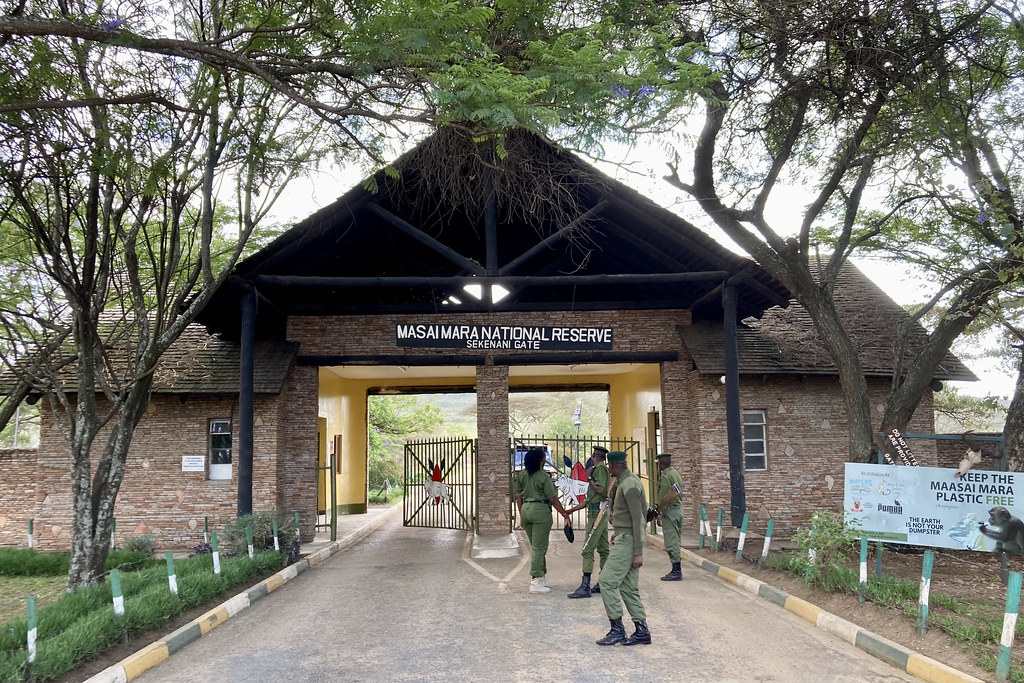
For first-time Kenya travellers, Amboseli also combines well with other major Kenya safari destinations. A six or seven-day itinerary can connect Amboseli with Lake Nakuru and the Masai Mara, creating a varied journey through elephant country, rhino habitat and predator-rich savannah.
During the wider migration period, travellers can continue from Amboseli to the Masai Mara for a Great Migration Kenya safari. Those with more time can combine Amboseli with Tsavo safaris and continue to the Kenyan coast, while other itineraries may include Lake Naivasha, Samburu, Nairobi National Park tours or East Africa safari tours extending into Tanzania.
See NAMSA's 6-Day Amboseli, Lake Nakuru and Masai Mara Safari for an example of a route that combines three major wildlife destinations.
Travellers seeking a more premium experience can explore the 8-Day Premium Kenya Safari, while visitors interested in migration season can view the 7-Day Magical Kenya Wildebeest Migration Safari.
Kenya safari and beach combinations are also possible. NAMSA's 11-Day Kenya Safari and Zanzibar Beach Holiday shows how an Amboseli wildlife experience can form part of a longer East Africa adventure.
How to choose a Kenya safari company
Travellers often search online for the best Kenya tour operators, top rated Kenya safari companies, recommended Kenya tour operators or Kenya tour reviews. These phrases can be useful starting points, but they should not replace proper checks.
When comparing safari companies in Kenya, examine the written itinerary, vehicle type, accommodation, park-fee treatment, cancellation conditions, payment arrangements and who will support you during the safari. A transparent quotation is more useful than an unsupported claim that a company is simply the "best".
You can review additional booking questions in the NAMSA Kenya Safari FAQs.
Other costs to consider when planning a safari to Kenya
Amboseli entry fees are only one part of Kenya adventure travel. International visitors should also consider flights, accommodation before or after the safari, airport transfers, travel documentation, personal expenses and applicable travel insurance requirements.
Kenya's entry requirements can change, so international travellers should use the official Kenya eTA website rather than relying on an old blog post for current Kenya entry requirements.
The official eTA system also publishes current traveller notices, including applicable inbound health-insurance requirements. This is separate from the KWS conservation fee and should be treated as part of the wider travel-planning budget.
Other useful safari booking considerations include a packing list for Kenya safari travel, suitable clothing for early morning game drives, health precautions for Kenya travel, camera equipment, binoculars and enough flexibility in your Kenya safari itinerary to avoid spending the entire holiday moving between destinations.
Frequently asked questions about Amboseli National Park fees
How much is Amboseli National Park entry for a non-resident adult?
The current Kenya Wildlife Service Amboseli page lists the non-resident adult rate at USD 90. The published non-resident child rate is USD 45. Verify the current amount through KWS or KWSPay before making payment.
How much do Kenyan and East African citizens pay at Amboseli?
The current published East African citizen adult rate is KES 1,500 and the child/student rate is KES 750. Carry the identification required to establish your eligibility.
How much does a Kenya resident pay at Amboseli?
The current published Kenya resident rate is KES 2,025 per adult and KES 1,050 for the published child/student category. A resident should carry valid documentation establishing the applicable status.
How much do citizens of other African countries pay?
The current published African citizen rate is USD 50 per adult and USD 25 for the child/student category.
Does the Amboseli entry fee include the safari vehicle?
No. The KWS schedule lists motor vehicle charges separately according to seating capacity. Ask your safari operator whether the applicable vehicle charge is already included within your quotation.
How long is an Amboseli park fee valid?
Kenya's 2025 regulations define the daily fee as being for a single access and valid for a period not exceeding 24 hours. Confirm entry, exit and re-entry arrangements for your particular itinerary before travel.
How do tourists pay Amboseli National Park fees?
Kenya Wildlife Service directs self-organised visitors to KWSPay through eCitizen. KWS currently lists M-Pesa, Visa card and direct bank transfer among accepted payment methods. Travellers on organised package tours should confirm whether the operator is handling the park entry on their behalf.
Are Amboseli park fees included in NAMSA safari packages?
Inclusion depends on the individual package and written quotation. Some NAMSA packages include park fees, while others may state them separately. Check the final quotation rather than assuming a fee is included.
Is Amboseli suitable for a budget safari?
Yes. Amboseli can be included in budget safaris by selecting suitable accommodation and sharing some fixed transport costs. Conservation fees still apply according to the traveller's eligible visitor category.
Is Amboseli worth including in a first Kenya safari?
Amboseli is particularly strong for elephant viewing, open savannah scenery, birdlife and possible views of Mount Kilimanjaro. It combines effectively with Lake Nakuru, the Masai Mara and the Tsavo parks.
What is the best time to visit Amboseli?
Amboseli can be visited throughout the year. Drier periods can make wildlife easier to observe around important water sources, while wetter periods can create greener landscapes and excellent birding. Weather, wildlife movement and visibility of Kilimanjaro vary naturally.
Official sources and further reading
NAMSA uses primary official sources wherever possible for government fees, payment guidance and legal definitions.
- Kenya Wildlife Service: Amboseli National Park
- Kenya Wildlife Service: Published Conservation Fee Schedule
- Kenya Law: Wildlife Conservation and Management Fee Regulations, Legal Notice 160 of 2025
- Official Kenya Wildlife Service KWSPay Portal
- KWS guidance on advance park-fee payment
- UNESCO World Heritage Centre: Amboseli National Park Tentative List
- Official Kenya Electronic Travel Authorisation website
Rates and regulations can change after publication. The most recent official source should always take priority when there is a difference between this guide and a current government notice.