What Cultural Experiences Can Tourists Do in Kenya?
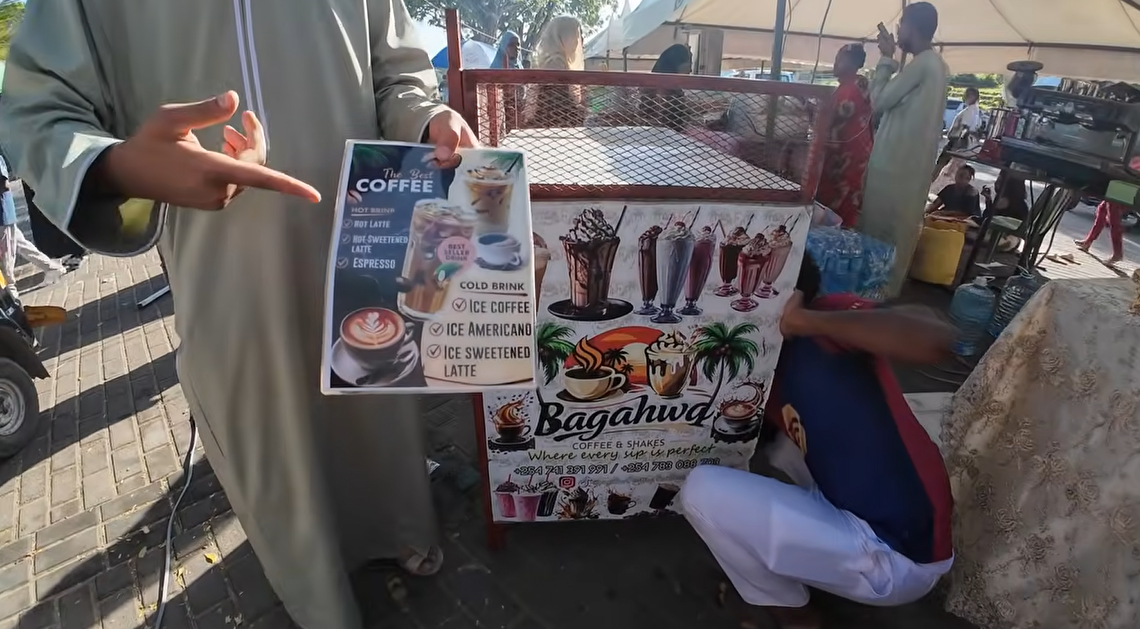
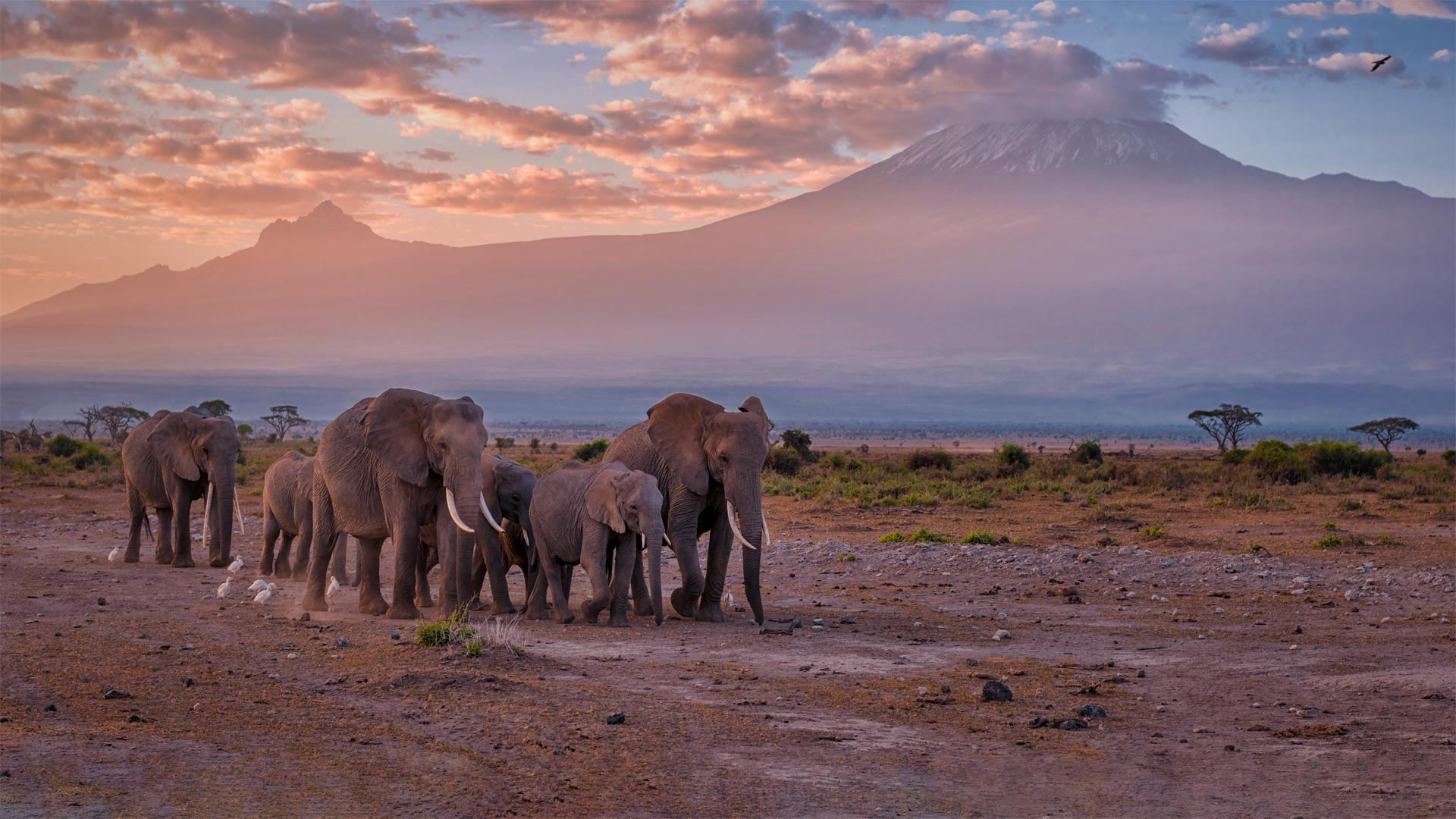
Kenya is famous for lions on golden plains, elephants beneath Mount Kilimanjaro and the Great Wildebeest Migration. Yet some of the most memorable cultural experiences in Kenya begin away from the game-drive tracks.
They begin in a Maasai homestead, where beadwork, cattle and family traditions tell stories of life on the savannah. They continue through the narrow streets of Lamu, where carved doors open into centuries of Swahili history. They can also be found in Nairobi’s museums, in the stone walls of Fort Jesus, around a Kenyan dining table, inside a busy craft market, or during a cultural festival filled with music and dance.
So, what cultural experiences can tourists do in Kenya?
Visitors can experience Maasai culture, explore Swahili towns, discover UNESCO World Heritage Sites, visit museums and cultural centres, attend festivals, taste Kenyan food, buy handmade crafts and learn directly from communities across the country.
Kenya currently has eight properties on the UNESCO World Heritage List, including five cultural properties: Lamu Old Town, Fort Jesus, the Sacred Mijikenda Kaya Forests, Thimlich Ohinga Archaeological Site, and the Historic Town and Archaeological Site of Gedi. This alone shows why Kenya should be experienced not only as a wildlife destination, but also as a major cultural and heritage destination. Explore UNESCO’s World Heritage Sites in Kenya
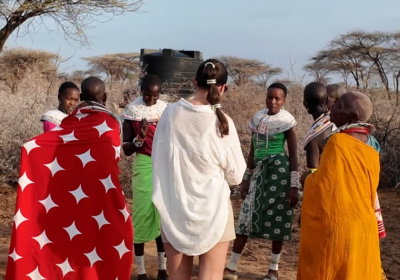
Visit a Maasai Village and Learn About Maasai Culture
For many travellers, a Maasai village visit in Kenya becomes one of the most personal experiences of a safari.
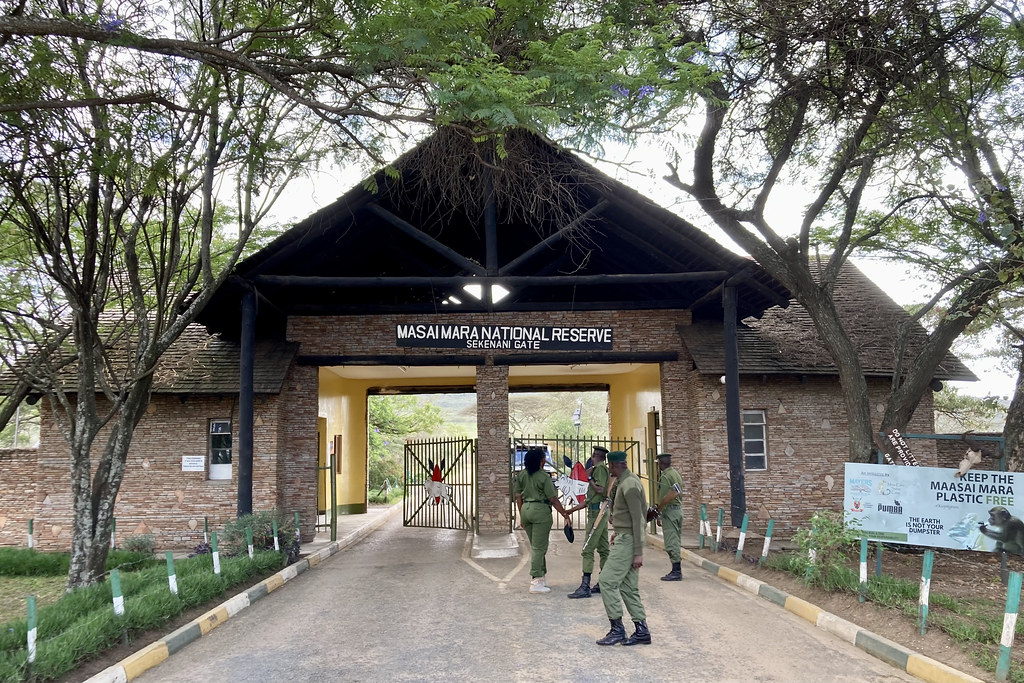
The Maasai are closely associated with southern Kenya, including areas around the Maasai Mara and Kajiado. Visitors may learn about livestock, family life, traditional homesteads, beadwork, clothing, music, dance and the relationship between communities, grazing lands and wildlife.
The Kenya Tourism Board includes an Immersive Maasai Cultural Experience among its recognised cultural and heritage experiences, showing that Maasai culture can form an important part of a broader Kenya journey when the experience is thoughtfully organised. See the Immersive Maasai Cultural Experience on Magical Kenya
However, a cultural visit should never feel like people are being displayed for tourists. A responsible visit should encourage conversation, learning and direct community benefit.
Visitors should ask before taking photographs, listen respectfully, avoid treating cultural practices as entertainment alone and, where possible, purchase beadwork or other crafts directly from the people who make them. UN Tourism has long emphasised that cultural tourism should promote mutual respect and enable local communities to participate in and benefit from tourism. Read UN Tourism’s guidance on tourism and cultural understanding
Travellers planning a safari in the region can combine the experience with NAMSA’s Maasai Mara travel guide or explore our Kenya cultural and thematic tours.
Ready to Book Your Kenya Safari?
Chat with NAMSA Prestigious Tours on WhatsApp and get quick help with your Maasai Mara safari, Kenya safari package, honeymoon safari, family safari, or custom eco-safari itinerary.
Book Instantly on WhatsAppWalk Through Centuries of Swahili History in Lamu
Few places reveal Kenya’s cultural depth as beautifully as Lamu Old Town.
UNESCO describes Lamu as the oldest and best-preserved Swahili settlement in East Africa. The town has remained continuously inhabited for centuries and reflects cultural influences from Africa, Arabia, Persia, India and Europe, while maintaining a distinct Swahili identity. Explore Lamu Old Town on the UNESCO World Heritage Centre
Walking through Lamu is part of the experience. The streets are narrow, traditional buildings rise from coral stone and timber, and beautifully carved doors appear between courtyards, mosques and small shops.
Visitors can spend time at the Lamu Museum, explore Lamu Fort and Swahili houses, watch traditional dhows move through the channel, meet craftspeople, eat coastal dishes and end the day with a sunset dhow journey.
The National Museums of Kenya explains that Lamu Museum contains an important collection of Swahili cultural material, including clothing, jewellery, furniture, manuscripts, maritime objects, musical instruments and archaeological finds. Visit the official Lamu Museum page
Lamu is therefore more than a beach extension. It is one of the strongest places for travellers searching for Swahili cultural experiences in Kenya.
Experience Fort Jesus and Mombasa Old Town
Mombasa tells another chapter of Kenya’s coastal story.
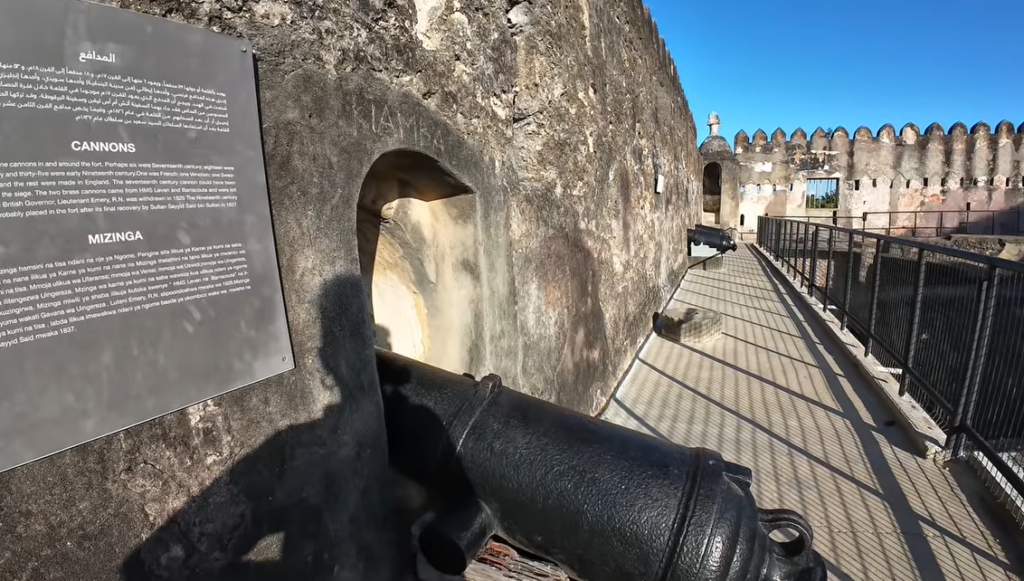
At the edge of Mombasa Old Town stands Fort Jesus, one of Kenya’s UNESCO World Heritage Sites. The Portuguese constructed the fort between 1593 and 1596 to protect the port of Mombasa. During the centuries that followed, control of the fort changed several times, leaving evidence of African, Arab, Persian, Turkish and European interaction around the Indian Ocean. Explore Fort Jesus through UNESCO
A visit can be combined with a walking tour through Mombasa Old Town, where travellers encounter Swahili architecture, carved balconies, mosques, spice shops, narrow streets, local restaurants and small businesses.
For an evening experience, the Kenya Tourism Board also promotes the Fort Jesus Sound & Light Experience, which uses storytelling and visual presentation to interpret the site’s history. Discover Kenya culture and heritage experiences through Magical Kenya
Mombasa works particularly well at the end of a safari. Travellers can move from wildlife experiences inland to the culture, history and food of the Indian Ocean coast.
NAMSA’s 10-day Kenya safari and beach itinerary shows how wildlife destinations and the Kenyan coast can be combined in one journey.
Discover Gedi, One of Kenya’s Newest UNESCO World Heritage Sites
Travellers heading towards Watamu and Malindi should also consider the Historic Town and Archaeological Site of Gedi.
Gedi was added to UNESCO’s World Heritage List in 2024. UNESCO describes it as an important Swahili town that participated in Indian Ocean trade and cultural networks between approximately the 10th and 17th centuries. Its remains include domestic buildings, religious structures, walls and evidence of sophisticated water management. Read about the Historic Town and Archaeological Site of Gedi on UNESCO
Surrounded by coastal forest, the archaeological site gives visitors a very different view of Kenyan history. It also helps explain that the Swahili coast was connected to extensive commercial and cultural networks long before modern tourism developed.
For history lovers, photographers and travellers combining safari with Watamu or the north coast, Gedi is one of Kenya’s most rewarding heritage stops.
Visit the Sacred Mijikenda Kaya Forests
Kenya’s coastal heritage is not limited to stone towns and forts.
The Sacred Mijikenda Kaya Forests comprise a series of forest sites associated with fortified settlements and the traditions of Mijikenda communities. UNESCO recognises the Kayas for their cultural and spiritual significance and for their continuing relationship with community identity and ancestral traditions. Learn about the Sacred Mijikenda Kaya Forests through UNESCO
These are living cultural landscapes rather than ordinary tourist attractions. Access, behaviour and photography should therefore follow local guidance and community rules.
For travellers interested in responsible cultural tourism in Kenya, visiting a permitted Kaya with appropriate community guidance can provide a deeper understanding of how cultural heritage, spiritual values and conservation can exist together.
Step Into Kenya’s Past at Nairobi National Museum
Not every cultural journey requires travelling far from Nairobi.
The Nairobi National Museum is one of the best places for first-time visitors to understand Kenya before travelling around the country.
Its permanent galleries cover Kenya’s history, human origins, communities, cultural life, art and natural heritage. The History of Kenya gallery explores different communities and language groups, the colonial period, independence and interaction between communities, while the Cycles of Life gallery introduces cultural practices associated with different stages of life. Visit the official Nairobi National Museum page
A museum visit at the beginning of a safari can change the way travellers understand everything that follows. Names, landscapes and traditions that might otherwise seem unfamiliar begin to carry greater meaning.
For first-time visitors, the museum can easily be included before beginning a longer route such as NAMSA’s recommended Kenya safari itinerary for first-time visitors.
Experience Music, Dance and Traditional Homesteads at Bomas of Kenya
For travellers with limited time, Bomas of Kenya offers an introduction to several aspects of the country’s cultural diversity in one location.
Established in 1971, Bomas of Kenya was created to preserve and promote Kenyan cultural heritage. Visitors can explore reconstructed traditional homesteads and watch cultural performances involving music, dance and traditional instruments. Visit the official Bomas of Kenya website
Bomas reports that its cultural performance repertoire includes more than 50 traditional dances drawn from communities across Kenya. See Bomas of Kenya cultural performances
This makes Bomas particularly useful for travellers spending a day in Nairobi before or after safari.
A Nairobi cultural day can combine Bomas of Kenya, Nairobi National Museum, Karen Blixen Museum and a local market, depending on the traveller’s interests and available time.
Visit Karen Blixen Museum
The Karen Blixen Museum provides another perspective on Kenya’s history.
Located in Nairobi’s Karen area, the museum occupies the former farmhouse associated with Danish writer Karen Blixen. The property includes the historic house, furniture, farm equipment, gardens and remnants connected to the former coffee farm. Explore Karen Blixen Museum through the National Museums of Kenya
It is especially interesting for travellers interested in colonial history, literature and the historical landscapes around the Ngong Hills.
The museum should be understood as one part of Kenya’s much wider history rather than the complete story. Combining it with Nairobi National Museum and Bomas of Kenya gives visitors a broader cultural perspective.
See Thimlich Ohinga in Western Kenya
Travellers exploring western Kenya can visit Thimlich Ohinga Archaeological Site, another UNESCO World Heritage property.
Located in the Lake Victoria region, Thimlich Ohinga is known for its large dry-stone enclosures. UNESCO identifies it as an outstanding surviving example of settlement traditions associated with pastoral communities in the region from the 16th century into the 20th century. Explore Thimlich Ohinga through UNESCO
The site is valuable because it expands the idea of Kenyan heritage beyond the most frequently visited safari and coastal circuits.
Travellers who have already visited the Maasai Mara, Amboseli and the coast can discover a completely different historical landscape in western Kenya.
Attend a Cultural Festival in Kenya
Some cultural experiences are best understood when a community gathers to celebrate.
Kenya hosts festivals involving music, food, crafts, traditional sports, religious traditions and community celebration. Among the best-known is the Lamu Cultural Festival, which the Kenya Tourism Board has promoted as an important tourism event for Lamu. Activities have traditionally included dhow races, crafts, traditional games and other celebrations of Swahili life. Explore Kenya’s events and cultural experiences through Magical Kenya
Northern Kenya also has a strong tradition of cultural events. Maralal, for example, is known for its camel derby, an event historically associated with camel racing, local crafts, community interaction and Samburu culture. Read Magical Kenya’s guide to Maralal and its camel derby
Festival schedules can change, so travellers should confirm dates with organisers or official tourism sources before building an international trip around a particular event.
Shop for Kenyan Beadwork, Textiles and Handmade Crafts
Culture can also be encountered through the hands of Kenya’s artisans.
Visitors will see beadwork, woven baskets, kiondo bags, wood carvings, leather products, paintings, jewellery, kikoi fabrics, kangas and other locally produced crafts in markets and community projects around the country.
A good craft purchase does more than fill a suitcase. When travellers buy directly from an artisan, women’s group, cooperative or genuine community enterprise, more of the value can remain with the people who created the product.
Maasai markets are popular places to begin, but travellers should also look beyond major tourist markets. Museum shops, community craft centres and local cooperatives can provide opportunities to meet makers and learn about the meaning or technique behind an item.
The Kenya Tourism Board includes arts, markets, food and traditional culture within its wider cultural tourism offering. Explore Arts and Culture on Magical Kenya
Taste Kenyan Culture Through Food
One of the easiest ways to understand Kenya is to eat with curiosity.
Kenyan cuisine changes from region to region. Travellers may encounter nyama choma, ugali, sukuma wiki, chapati, pilau, samosas, grilled fish, traditional vegetables, coastal curries and seafood prepared with coconut and spices.
On the coast, Swahili cuisine reflects generations of interaction across the Indian Ocean. In Nairobi, visitors can move between traditional Kenyan dishes, Indian-influenced cooking, street food and contemporary African restaurants.
The Kenya Tourism Board presents cuisine as an important part of the country’s cultural tourism experience and highlights both Swahili food and urban dining experiences. Explore Kenyan cuisine through Magical Kenya
Food tours can therefore be more than restaurant visits. A knowledgeable local guide can explain ingredients, cooking methods, trading history, religious influence and why particular dishes are associated with different parts of Kenya.
How to Experience Kenyan Culture Respectfully
The best cultural encounters are based on respect rather than observation from a distance.
Ask permission before photographing people, particularly children. Listen before making assumptions. Follow community guidance about sacred or private areas. Where entrance fees are charged, ask how the community benefits. Buy local products where practical and avoid pressuring people to perform or pose for photographs.
Most importantly, remember that Kenyan cultures are living and changing. People do not exist to recreate an imagined past for visitors. Traditional clothing, smartphones, livestock, university education, ancient customs and modern businesses can all exist in the same community.
Responsible tourism becomes more meaningful when travellers meet people as hosts, professionals, artists, guides and community members rather than as tourist attractions. UN Tourism describes respectful cultural exchange and local participation as important foundations of responsible tourism.
How Can You Combine Culture With a Kenya Safari?
A cultural experience does not need to replace wildlife viewing. In Kenya, the two can work naturally together.
A Maasai Mara safari can include a responsibly organised Maasai community visit. Amboseli can be combined with cultural experiences in Maasai areas of southern Kenya. Nairobi can include Bomas of Kenya, Nairobi National Museum and Karen Blixen Museum. A safari ending at the coast can continue to Mombasa Old Town, Fort Jesus, Gedi or Lamu.
For travellers who want wildlife, lakes, landscapes and culture in one journey, browse NAMSA’s Kenya safari tours and ask for cultural experiences to be included in the itinerary.
Frequently Asked Questions About Cultural Experiences in Kenya
Have more questions? Contact us.
What are the best cultural experiences in Kenya?
Some of the best cultural experiences in Kenya include responsible Maasai community visits, exploring Lamu Old Town, visiting Fort Jesus and Mombasa Old Town, touring Nairobi National Museum and Bomas of Kenya, exploring Gedi and Thimlich Ohinga, tasting Kenyan food, visiting craft markets and attending cultural festivals.
Is a Maasai village visit worth doing?
Yes, particularly when the experience is community-led, respectful and provides direct benefits to local residents. Visitors should choose experiences that encourage genuine conversation and learning rather than brief staged photography stops.
Where is the best place to experience Swahili culture in Kenya?
Lamu is one of the strongest destinations for an immersive Swahili heritage experience. Mombasa Old Town, Fort Jesus, Gedi, Malindi and other parts of the Kenyan coast also reveal important elements of Swahili and Indian Ocean history. UNESCO recognises Lamu Old Town as an outstanding surviving Swahili settlement.
What UNESCO cultural sites can tourists visit in Kenya?
Kenya’s UNESCO-listed cultural properties are Lamu Old Town, Fort Jesus in Mombasa, the Sacred Mijikenda Kaya Forests, Thimlich Ohinga Archaeological Site, and the Historic Town and Archaeological Site of Gedi.
Can cultural experiences be included in a normal Kenya safari?
Yes. Cultural visits can be incorporated into private and customised Kenya safaris. The most convenient combinations include Maasai Mara and Maasai cultural experiences, Nairobi museums and Bomas of Kenya, or a wildlife safari followed by Swahili heritage experiences on the coast.
Related Articles