Why Is Mara North Conservancy One of the Best Places for a Maasai Mara Safari?
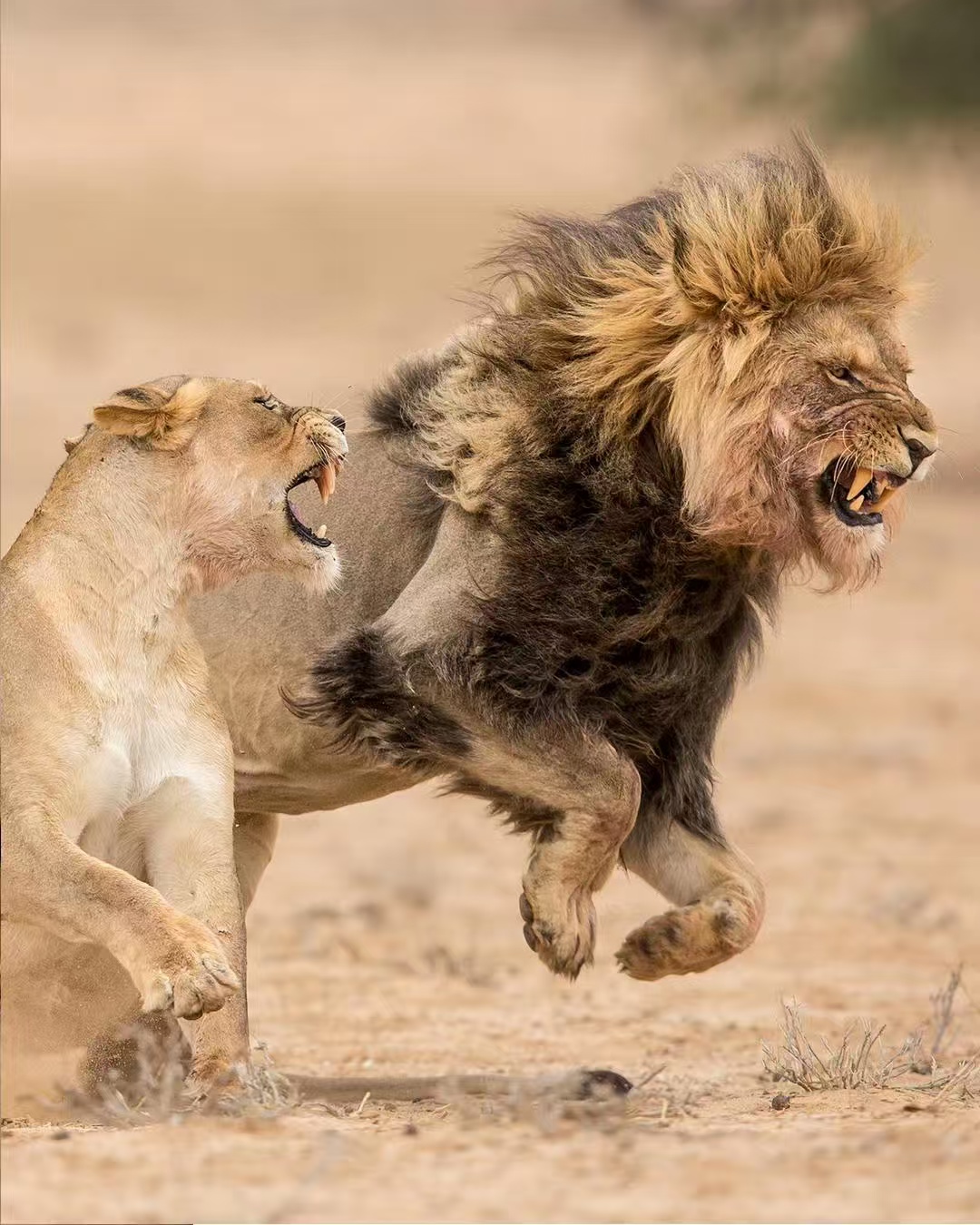
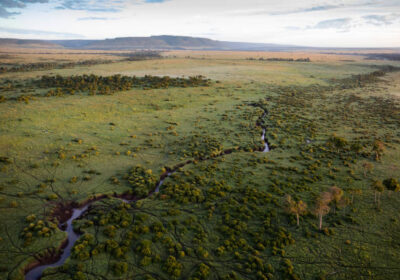
Mara North Conservancy is one of the most exclusive and wildlife-rich private conservancies in the greater Maasai Mara ecosystem. Located north-west of the Maasai Mara National Reserve, this beautiful conservation area offers wide savannah plains, acacia woodlands, seasonal streams, riverine habitats, and some of the best wildlife viewing Kenya experiences. For Kenya travellers planning a safari to Kenya, Mara North Conservancy is ideal for those who want a quieter, more private, and more responsible Masai Mara safari away from the busiest areas of the reserve.
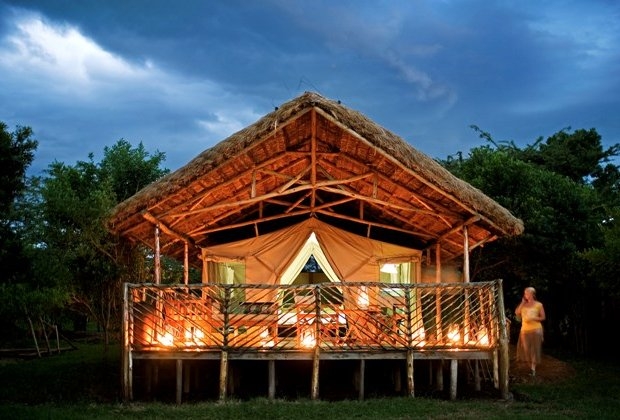
Unlike the main Maasai Mara National Reserve, Mara North follows a low-density tourism model, which means fewer vehicles, fewer camps, and a more peaceful safari experience. Mara North Conservancy covers 28,486 hectares, approximately 70,391 acres, and accommodates a limited number of permanent and mobile camps to protect the environment and maintain exclusivity. This makes it a top Kenya safari destination for private Kenya safaris, family Kenya safaris, group Kenya safaris, luxury safari travellers, midrange safari guests, and visitors seeking sustainable safari Kenya experiences.
History of Mara North Conservancy
Mara North Conservancy was established in January 2009 as a not-for-profit conservation partnership between safari camps and Maasai landowners. To add on, the Mara North was created through a partnership between member camps and more than 800 Maasai landowners, with the aim of protecting wildlife, supporting local communities, and creating a world-class conservancy model.
The conservancy model is important because much of the land around the Maasai Mara belongs to local Maasai families. Instead of converting the land into farms, settlements, or fenced private plots, landowners lease the land for wildlife conservation and responsible tourism. In return, they receive regular income from tourism partners. This helps protect natural wildlife corridors while also giving local communities a direct benefit from conservation.
For visitors, this means a safari in Mara North Conservancy is not only about seeing wildlife. It is also about supporting wildlife conservation Kenya safari efforts and helping preserve Maasai-owned land for future generations. This is why Mara North is often recommended by Kenya safari experts and trusted Kenya safari companies for travellers who care about both wildlife and community impact.
Mara North Geography and Landscape
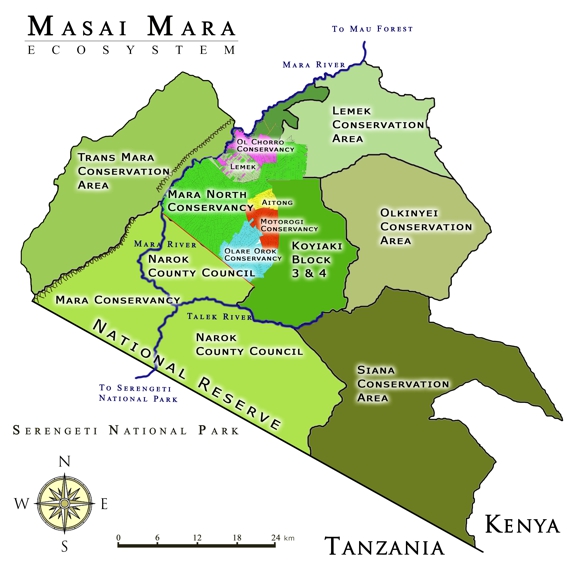
Mara North Conservancy forms part of the wider Maasai Mara ecosystem, one of Africa’s most famous wildlife regions. It lies north of the Maasai Mara National Reserve and connects with other important wildlife areas and conservancies. Its location makes it part of a larger natural landscape used by resident wildlife and seasonal migratory animals.
The conservancy features rolling grasslands, scattered acacia trees, open plains, riverine vegetation, seasonal valleys, and grazing areas. These different habitats support a wide variety of wildlife throughout the year. For first-time travellers, the landscape feels like the classic Kenya savannah tour setting, with golden plains, big skies, wildlife silhouettes, and peaceful game drives.
Because Mara North is a private conservancy, tourism is more controlled than in some public safari areas. This allows for a better balance between game drives Kenya, livestock management, conservation, and local community needs. It is also one of the reasons why Mara North Conservancy is popular among luxury Kenya safari operators with private guides and travellers searching for exclusive Kenya safari experiences.
Wildlife in Mara North Conservancy
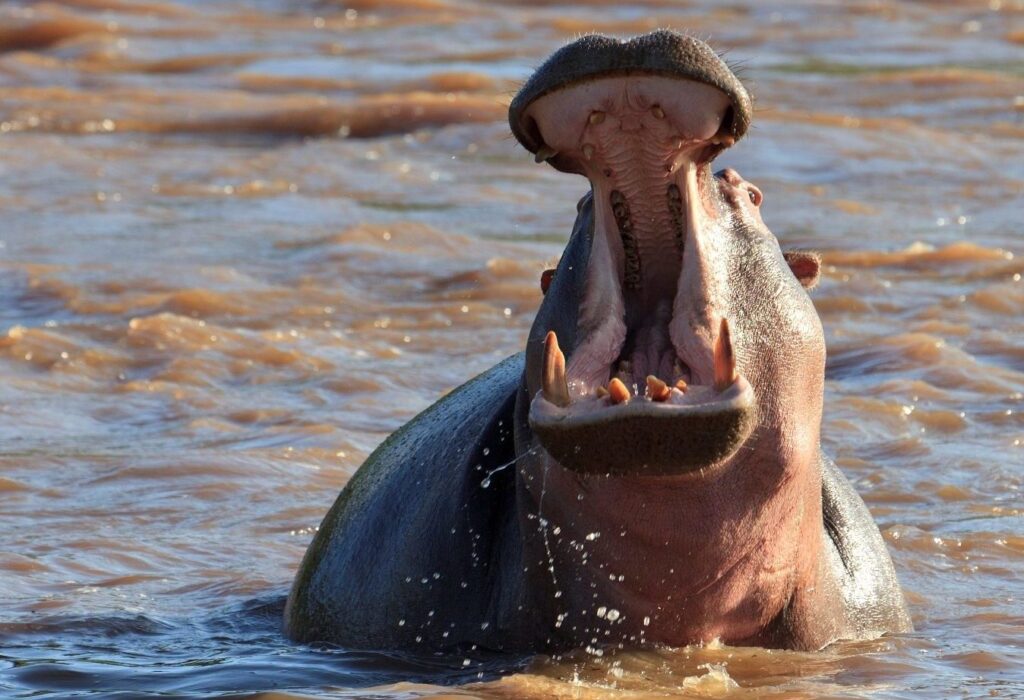
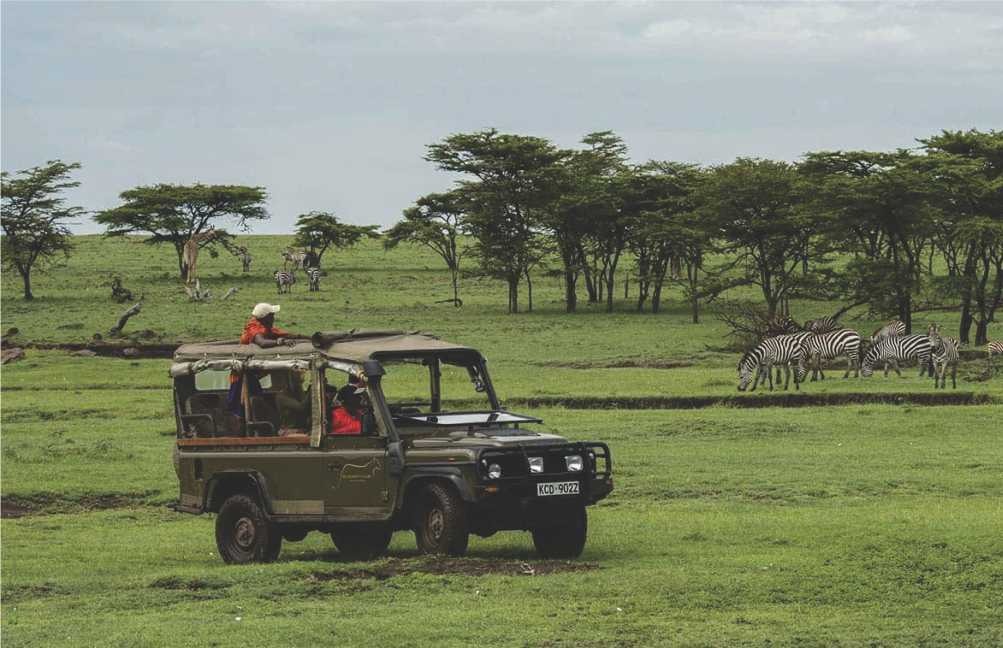
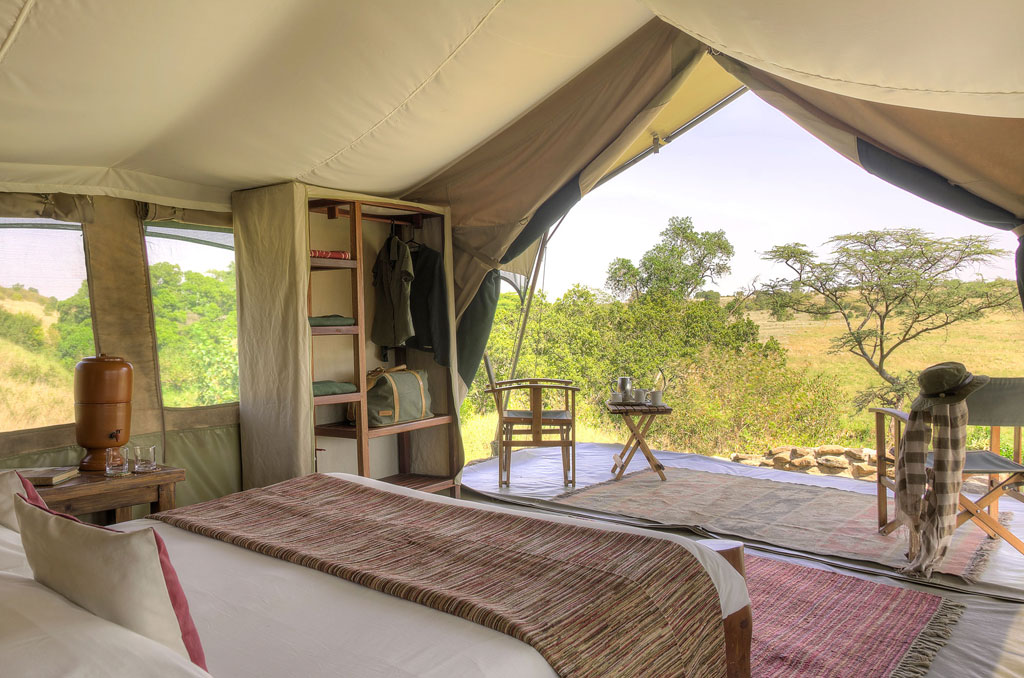
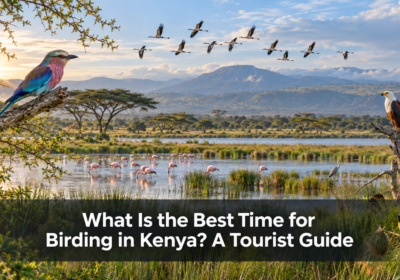
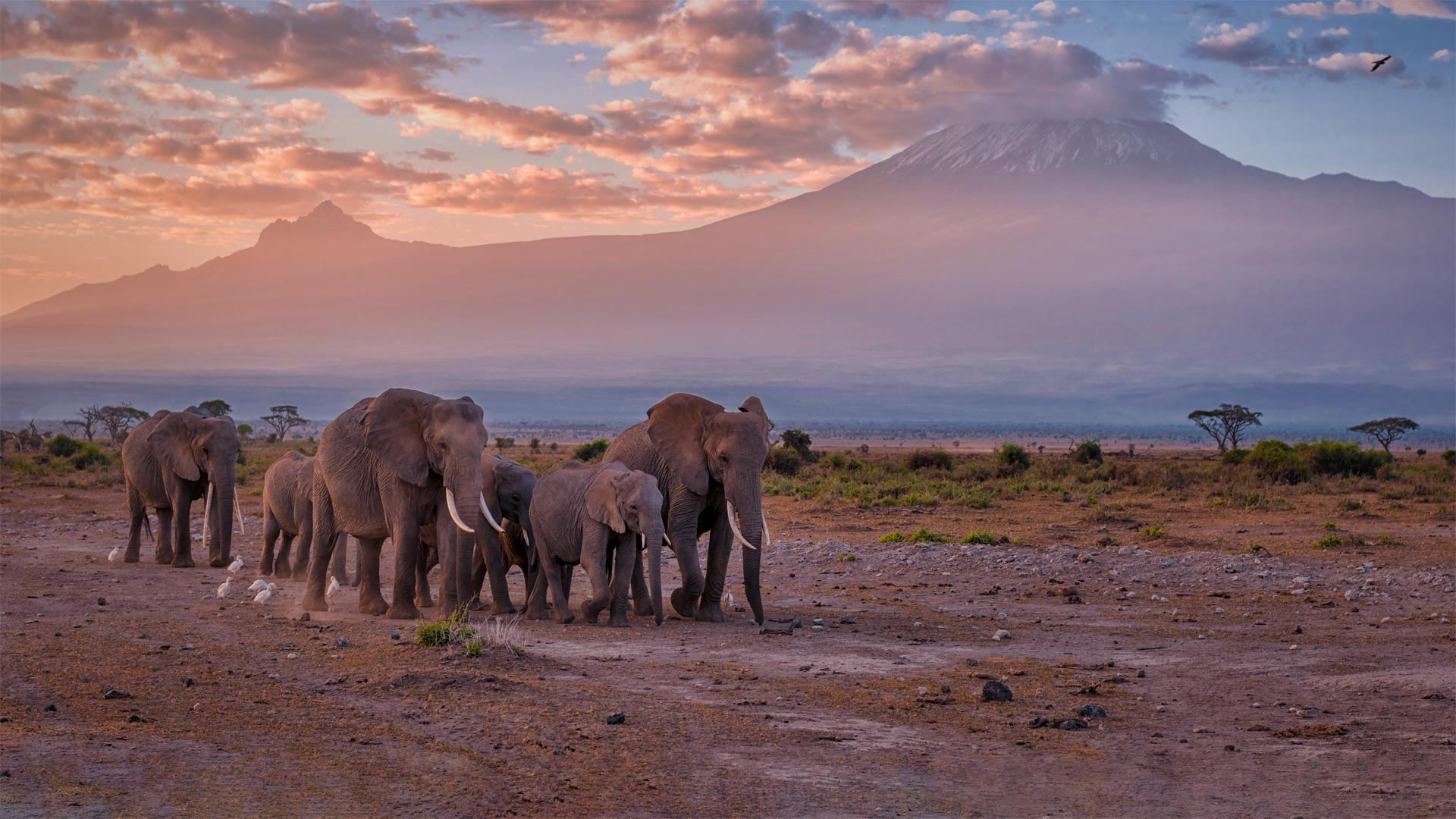
Mara North Conservancy is known for excellent wildlife viewing Kenya experiences. Visitors may see lions, leopards, cheetahs, elephants, buffaloes, giraffes, zebras, wildebeest, elands, gazelles, hyenas, jackals, warthogs, topis, impalas, and many bird species. The area is especially loved for big cat sightings, making it a strong choice for photographers, first-time safari travelers, and guests who want a classic African safari holidays Kenya experience.
During the Great Migration Kenya safari season, large herds of wildebeest and zebras move through the wider Mara ecosystem, depending on rainfall and grazing patterns. Although river crossings are usually associated with the Mara River and Mara Triangle, Mara North can still offer excellent migration-season game viewing as animals spread across the conservancies and reserve areas.
One of the biggest advantages of Mara North is the quality of the safari experience. Because visitor numbers are controlled, guests often enjoy quieter sightings and fewer vehicles around animals. This is important for travellers comparing safari companies in Kenya, checking Kenya safari companies reviews and ratings, or wondering how to choose a Kenya safari company for a more respectful and comfortable wildlife tour.
Recently Featured Maasai Mara Safaris
Login to use
7 Days Magical Kenya Wildebeest Migration Safari 2026/2027
Login to use
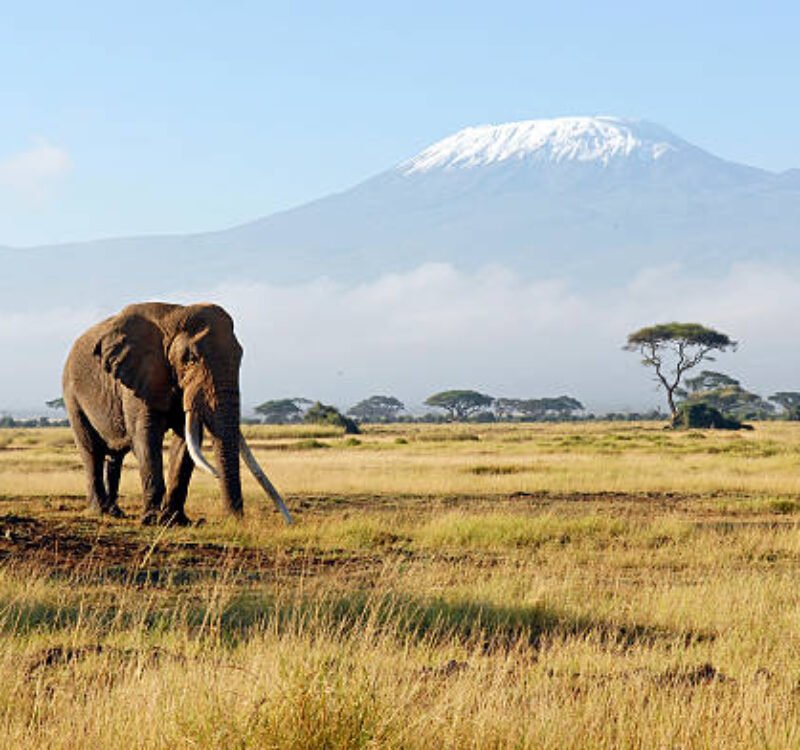
10 Days Classic Kenya Wildebeest Migration Safari 2026/2027
What Makes Mara North Conservancy Special?
Mara North Conservancy is special because it combines wildlife, privacy, conservation, and community benefit. It is not a mass tourism destination. It is designed around low-impact safari travel, which means guests enjoy a quieter environment while the land remains protected.
The conservancy also allows some experiences that may be restricted in the main national reserve, depending on camp rules and conservancy regulations. These may include guided nature walks, night game drives, off-road wildlife viewing in approved areas, cultural visits, and more flexible safari activities. This makes Mara North a strong option for travellers who want more than a standard Kenya safari itinerary.
For guests planning a safari to Kenya, Mara North can be combined with Maasai Mara National Reserve, Mara Triangle, Amboseli National Park tours, Nairobi National Park tours, Tsavo safaris, Mount Kenya trekking tours, Kenya cultural tours, or Kenya beach holidays combine safari packages. NAMSA Prestigious Tours can help design custom Kenya safari itineraries based on travel time, budget, accommodation style, and preferred experiences.
Best Time to Visit Mara North Conservancy
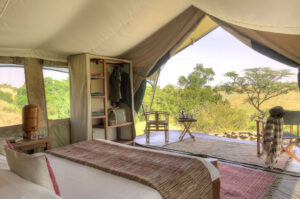
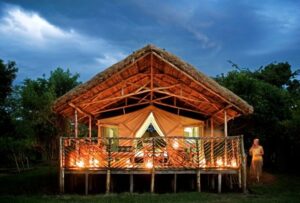
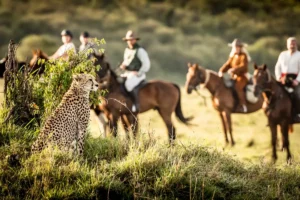
The best time to visit Kenya safari areas such as Mara North depends on what you want to experience. The dry season, from around June to October, is popular because wildlife is easier to spot, grass is shorter, and the Great Migration may be active in the wider Maasai Mara ecosystem. This is also one of the best times to book Kenya safari packages for travellers hoping to see big cats and large herds.
The green season, from November to May, is also beautiful. The landscape becomes fresh and green, birdlife is excellent, and there are fewer visitors. This season can be good for photography, Kenya safari deals, and travellers looking for a quieter safari. Some roads may be muddy during rainy months, but the experience can still be rewarding with the right guide and vehicle.
First-time visitors should know that Mara North Conservancy is different from the main Maasai Mara National Reserve. It is more private, more controlled, and often more expensive because accommodation is limited and conservation fees support landowners, rangers, and wildlife protection.
When booking a Kenya safari, travellers should ask what is included in the safari costs Kenya. Important items include accommodation, meals, conservancy fees, game drives, guide services, Kenya airport transfers safari, vehicle type, drinking water, and optional activities. It is also wise to check Kenya visa requirements for tourists, packing list for Kenya safari, health precautions for Kenya travel, and Kenya safari travel insurance before travelling.
Safari vehicle types also matter. A 4×4 Land Cruiser is usually preferred for the Maasai Mara because it handles rough roads better and gives guests a comfortable wildlife viewing position. For photographers, private vehicles are often best because they allow more flexibility during sightings.