
How to Plan a Kenya Safari: Complete Guide for First-Time Visitors
Planning a safari to Kenya is exciting, but for many first-time visitors it can also feel confusing. There are many Kenya safari tours, many Kenya safari packages, and many safari companies in Kenya offering different routes, prices, and accommodation levels. Some travellers want budget safaris, others want luxury safaris, while many prefer mid-range safaris that balance comfort and value. The good news is that Kenya is one of Africa’s most rewarding safari destinations because it offers famous wildlife areas, strong tourism infrastructure, experienced guides, and a wide range of safari styles for different budgets. Kenya’s official tourism board promotes the country as a year-round and diverse destination, while official park resources highlight iconic places such as Maasai Mara, Amboseli, Tsavo, and Nairobi National Park.
For first-time visitors, the most important step is to understand that not every Kenya safari itinerary is the same. A short Masai Mara safari is very different from a longer Kenya wildlife safari that combines Amboseli National Park tours, Tsavo safaris, and a beach holiday on the coast. In other words, the best trip depends on your travel season, budget, wildlife interests, and comfort level. A well-planned trip should also consider Kenya visa requirements for tourists, health precautions for Kenya travel, airport transfers, park rules, and the type of safari vehicle used for game drives in Kenya. Kenya’s eTA portal confirms that most foreign visitors need an approved Electronic Travel Authorisation before travel, and it recommends applying early to allow enough processing time.
Check Your : eTA portal
1. Decide what kind of Kenya safari you want
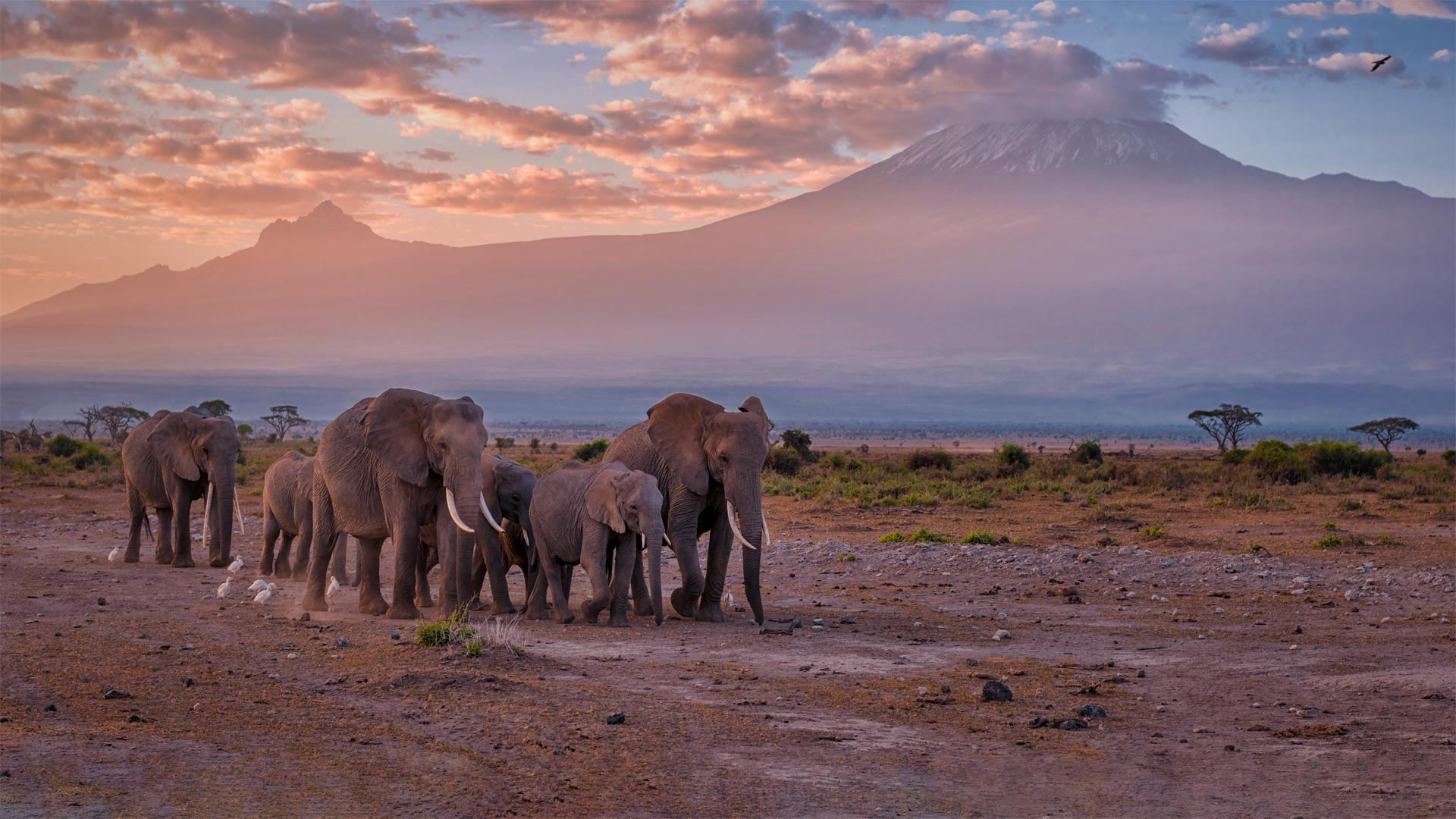
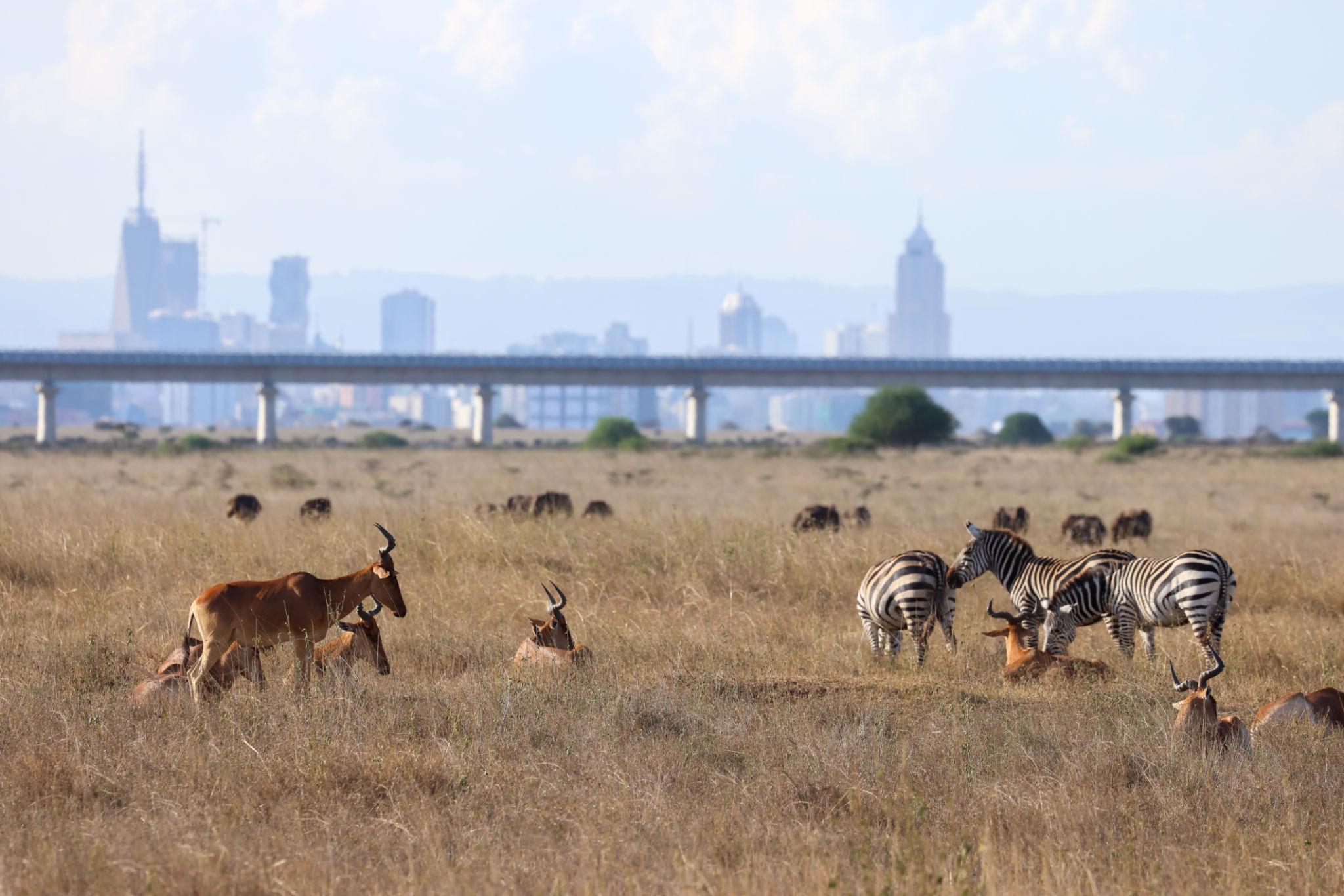
The first step in booking a Kenya safari is deciding what type of experience you want. Some travellers want the classic Great Migration Kenya safari in the Maasai Mara, which is famous for vast grasslands, the Big Five, and seasonal wildebeest crossings. Others prefer Amboseli National Park tours because the park is known for elephants and views of Mount Kilimanjaro. Tsavo East and Tsavo West appeal to travellers who want larger wilderness areas, red elephants, and a more rugged safari feeling. Nairobi National Park tours are also useful for visitors with little time because wildlife viewing is possible close to the capital. Official destination sources and Kenya Wildlife Service pages confirm the strong wildlife appeal of these parks.
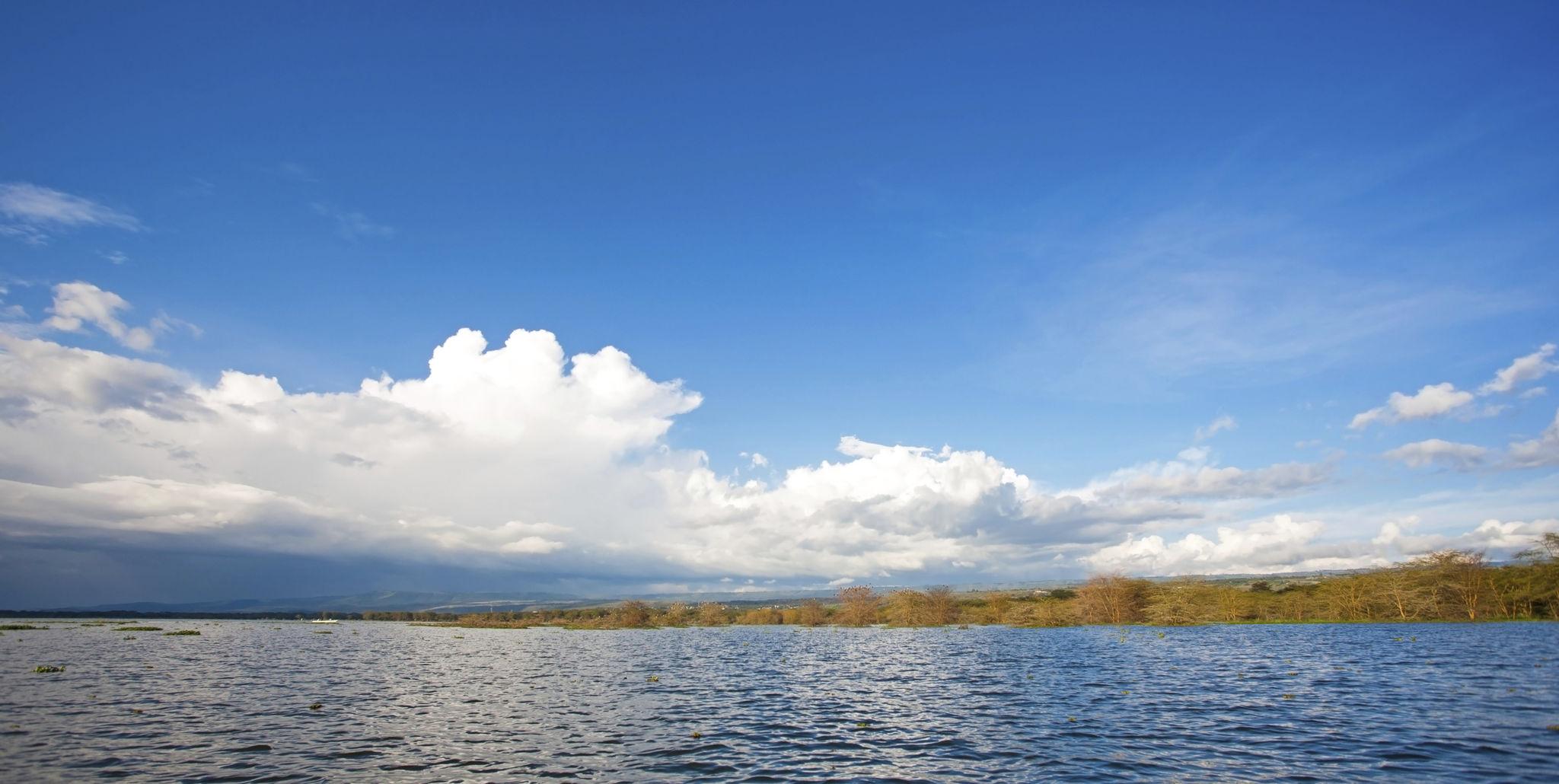
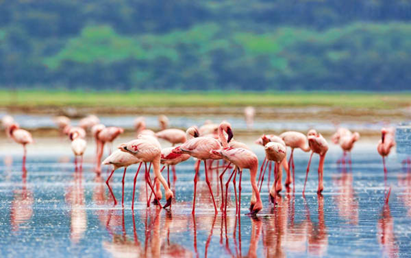
For many first-time visitors, a 4-to-7-day Kenya safari itinerary works best. For example, a short safari may focus only on Maasai Mara, while a longer trip may combine Amboseli, Lake Naivasha, Lake Nakuru, and Maasai Mara. Travellers looking for Kenya adventure travel can add Mount Kenya trekking tours, while those wanting relaxation can choose Kenya beach holidays combined with safari. Kenya is increasingly promoted as more than only wildlife, with cultural and sustainable tourism also receiving attention.
2. Know the best time to visit Kenya safari
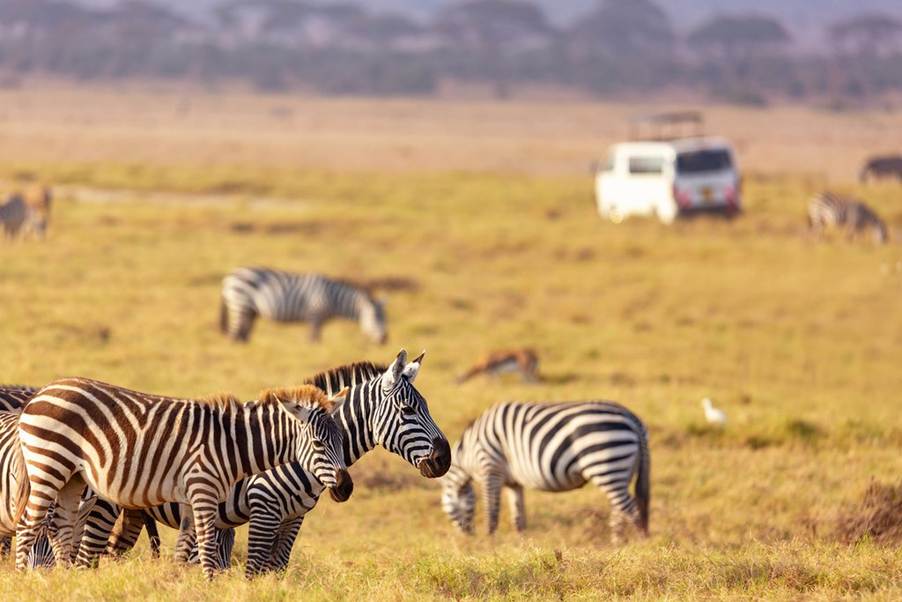
One of the most common questions in a Kenya safari travel guide is about timing. For most first-time visitors, the dry season is the simplest choice because roads are easier and wildlife is often easier to spot when vegetation is thinner and animals gather around water sources. SafariBookings’ Kenya guidance frequently highlights June to October as a strong window for wildlife viewing, with an important note that migration timing can vary depending on rainfall.
If the Great Migration is your “must-see,” plan with a flexible mindset. Kenya’s official tourism materials commonly describe July to October as a core period to experience the migration in the Maasai Mara area, although specific river crossings cannot be promised on any exact day because wildlife movement is driven by weather and grazing conditions.
If you travel in wetter months, you can still have an excellent safari, but you should plan for more rain, greener landscapes, and sometimes slower road travel. The benefit is that shoulder and low seasons can reduce crowding and sometimes lower accommodation costs. When your goal is photography, green season scenery and dramatic skies can be beautiful, but you need more patience and a good rain strategy for gear.
3. Set your budget early
Safari costs Kenya vary widely, which means budget planning should happen before you compare operators. Budget Kenya safaris often use shared departures, simpler tented camps Kenya, and shorter routes. Mid-range safaris usually include comfortable lodges or tented camps, private bathrooms, better meal service, and more personalized guiding. Luxury Kenya safaris often include premium locations, larger rooms, stronger service standards, private Kenya safaris, and sometimes luxury Kenya safari operators with private guides.
Accommodation style matters a lot. Kenya safari lodges usually feel more solid and hotel-like, while tented camps Kenya often provide a more immersive bush experience. Neither is automatically better, rather it depends on comfort expectations and travel style. When comparing affordable Kenya safari packages, always check what is included: park fees, transport, meals, bottled water, airport transfers, game drives, guide services, and optional activities such as a hot air balloon safari Kenya.
4. Choose the right safari company
A major part of planning a safari to Kenya is learning how to choose a Kenya safari company. There are many travel agencies, safari companies in Kenya, and local Kenya safari operators, but not all provide the same level of service. First-time visitors should look for trusted Kenya safari companies with clear communication, detailed inclusions, real Kenya tour reviews, strong local knowledge, and realistic itinerary planning. Official tourism bodies also show the wider structure and professionalism of Kenya’s tourism sector, which has been growing strongly in recent years. Kenya Tourism Board reported record 2.3 million tourist arrivals in 2024, showing continued destination demand and development.
When reviewing recommended Kenya tour operators, check these points:
- clear quotes and transparent pricing
- fast replies before booking
- safari vehicle types explained in advance
- realistic driving times
- accommodation names shared before payment
- strong Kenya safari companies reviews and ratings
- support with Kenya airport transfers safari and travel advice
For example, NAMSA Prestigious Tours presents Kenya safari tours and East Africa experiences on its official website, including safari packages such as a 3-day Maasai Mara budget option.
5. Pick the best itinerary for a first safari
A good first Kenya safari itinerary should not try to do too much. Many first-time travellers make the mistake of adding too many parks in too few days. That creates long road journeys and less time for wildlife viewing Kenya. A better approach is to combine one or two major safari destinations with enough time for morning and afternoon game drives.
Good beginner options include:
- 3 to 4 days Maasai Mara safari for classic wildlife viewing and possible Great Migration experiences.
- 4 to 5 days Amboseli plus Nairobi National Park for elephant viewing and easy access from Nairobi.
- 6 to 8 days Amboseli, Lake Naivasha, Lake Nakuru, and Maasai Mara for broader landscapes and wildlife variety.
- Safari plus coast extension for travellers wanting African safari holidays Kenya with a beach holiday.
6. Understand transport and safari vehicle types
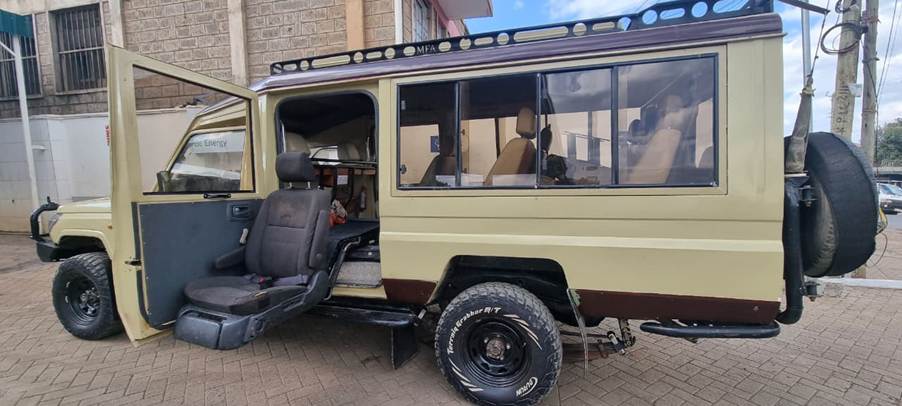
What to expect on a Kenya safari also depends on transport. Some travellers use 4×4 Land Cruisers, while others use safari vans. For rougher roads and longer circuits, many visitors prefer 4×4 options because they are stronger in difficult terrain. This matters especially during rainy periods. Nairobi National Park also offers several game drive access options, including self-drive and hired vehicles, according to KWS.
Before booking, ask the operator:
- Is the safari private or shared?
- What vehicle will be used?
- Does every guest get a window seat?
- Is there a pop-up roof for photography?
- Are airport transfers included?
These questions help avoid disappointment and improve the full Kenya safari experiences from arrival to departure.
7. Plan travel documents and health preparation
Kenya visa requirements for tourists are an important part of safari booking tips Kenya. Kenya’s official eTA portal states that most foreign visitors need an approved Electronic Travel Authorisation before starting the journey, and applications are usually processed in about three days, though applying at least two weeks in advance is recommended.
Health precautions for Kenya travel should also be taken seriously. CDC advises travellers to discuss malaria prevention with a doctor for certain areas of Kenya, including many game park regions below 2,500 metres. Kenya’s Ministry of Health also states that travellers arriving from countries with yellow fever risk should present a valid yellow fever certificate.
8. Pack correctly for the bush
A practical packing list for Kenya safari can improve comfort more than many first-time visitors expect. Pack light, neutral-coloured clothing, a hat, sunscreen, insect repellent, comfortable shoes, binoculars, sunglasses, a camera, travel documents, charging equipment, and any personal medication. Because official KWS park rules stress respect for wildlife and safe conduct inside parks, it is also wise to bring what supports calm and responsible game viewing, not overly bulky or noisy items.
9. Respect wildlife and travel sustainably
Sustainable safari Kenya is becoming more important for both travellers and the tourism sector. Kenya’s tourism messaging increasingly highlights sustainability, authenticity, and community-based value. This matters because wildlife conservation Kenya safari experiences depend on responsible visitor behaviour, strong local partnerships, and respect for park rules.
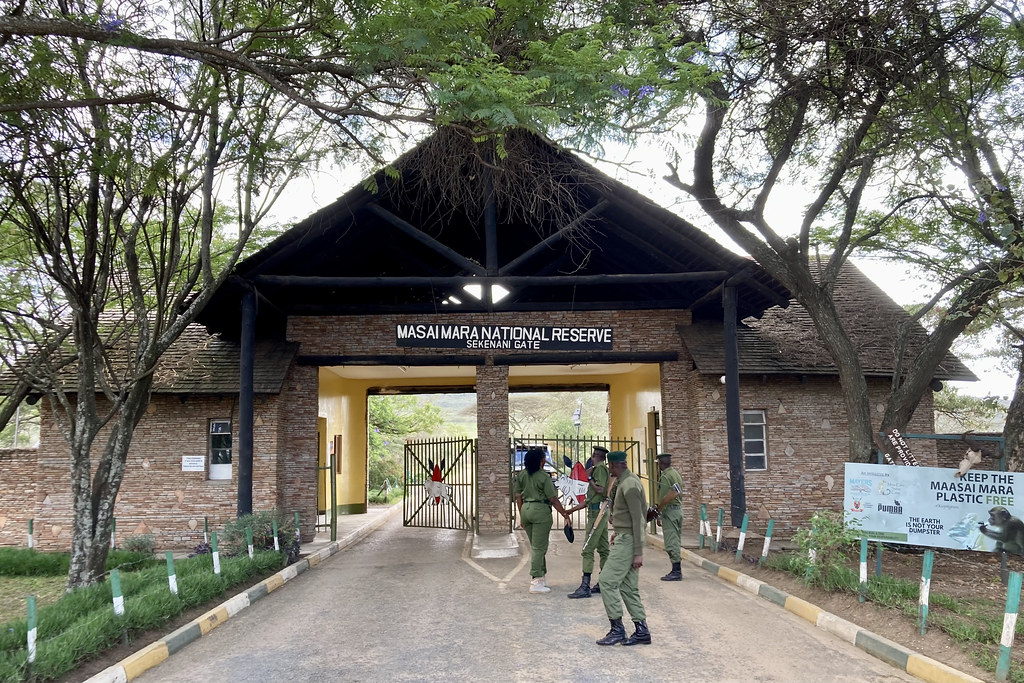
KWS park rules remind visitors that they are in the animals’ home, and that vehicles should move slowly and quietly. Park gates generally open at 6:00 am and close at 6:00 pm for day visitors. These rules are not just formalities, but they protect both people and wildlife.
10. Final safari booking tips for first-time visitors
Booking a Kenya safari becomes easier when the process is broken into simple steps. First, choose your season. Second, decide your budget between budget safaris, mid-range safaris, and luxury safaris. Third, choose a small number of parks that match your interests. Fourth, compare top rated Kenya safari companies and local Kenya safari operators based on service, reviews, and itinerary clarity. Fifth, prepare travel documents, health advice, and packing early.
Kenya remains one of the strongest safari destinations in Africa because it combines famous wildlife, experienced safari experts, strong park variety, and flexible safari accommodation options. For first-time visitors, the key is not choosing the longest itinerary, but choosing the right one. A well-designed safari should feel exciting, manageable, safe, and memorable from the moment you land in Nairobi to the final game drive in the African savannah. With careful planning, trusted operators, and realistic expectations, your first Kenya safari can become the start of many more African safari holidays Kenya in the future.

One Comment