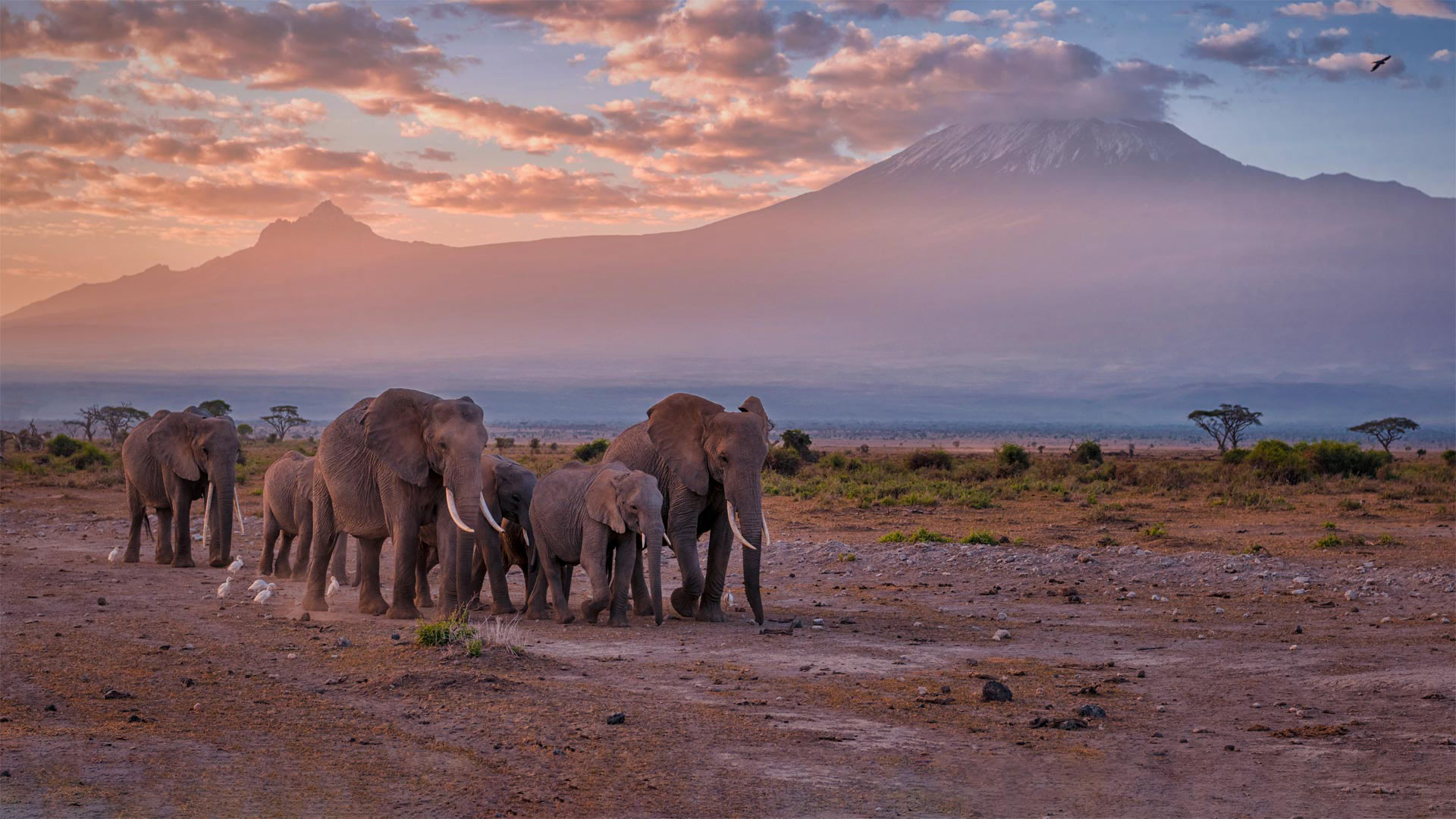
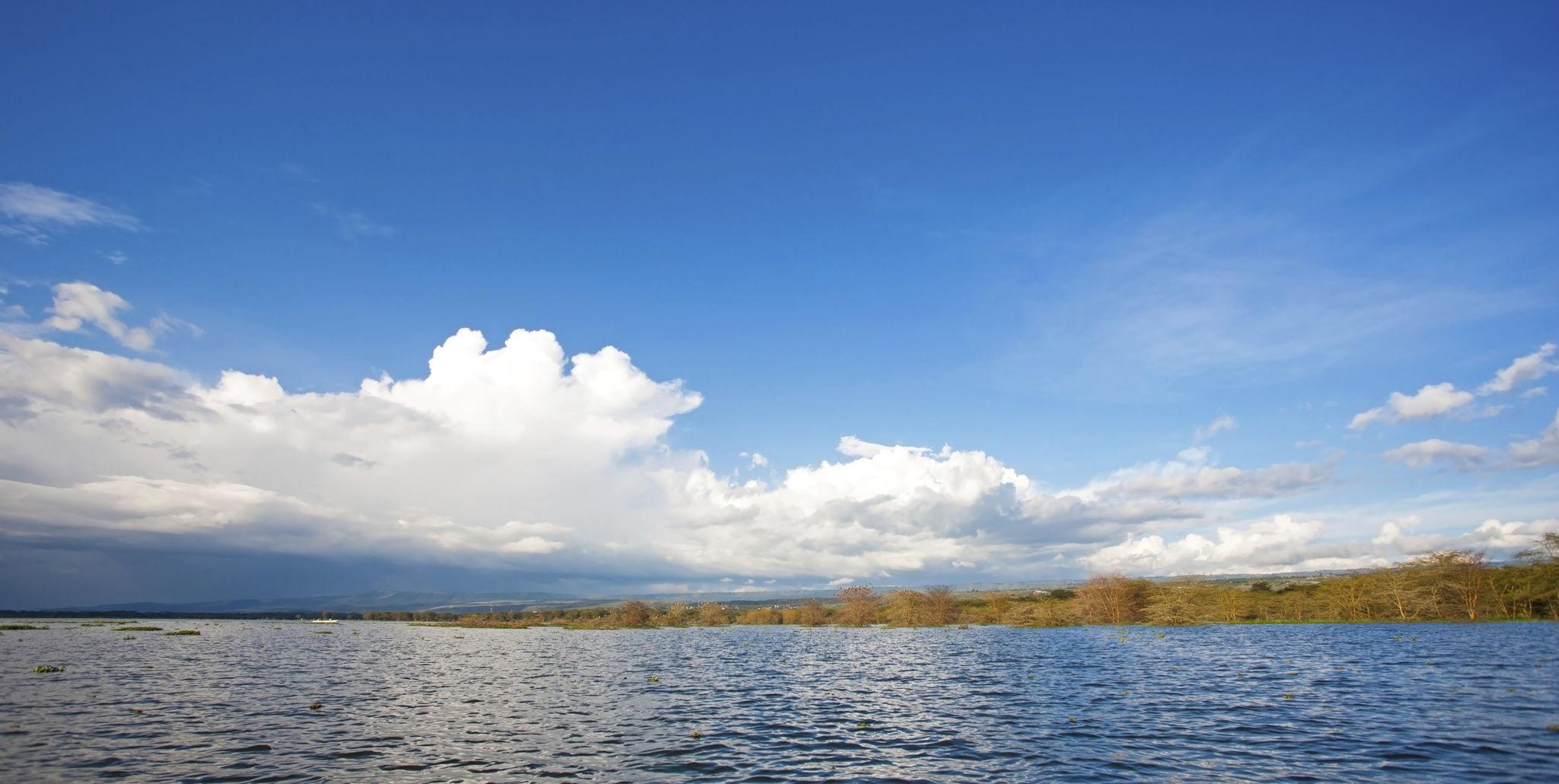
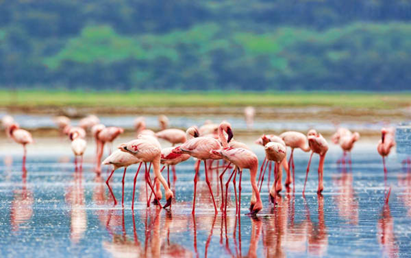
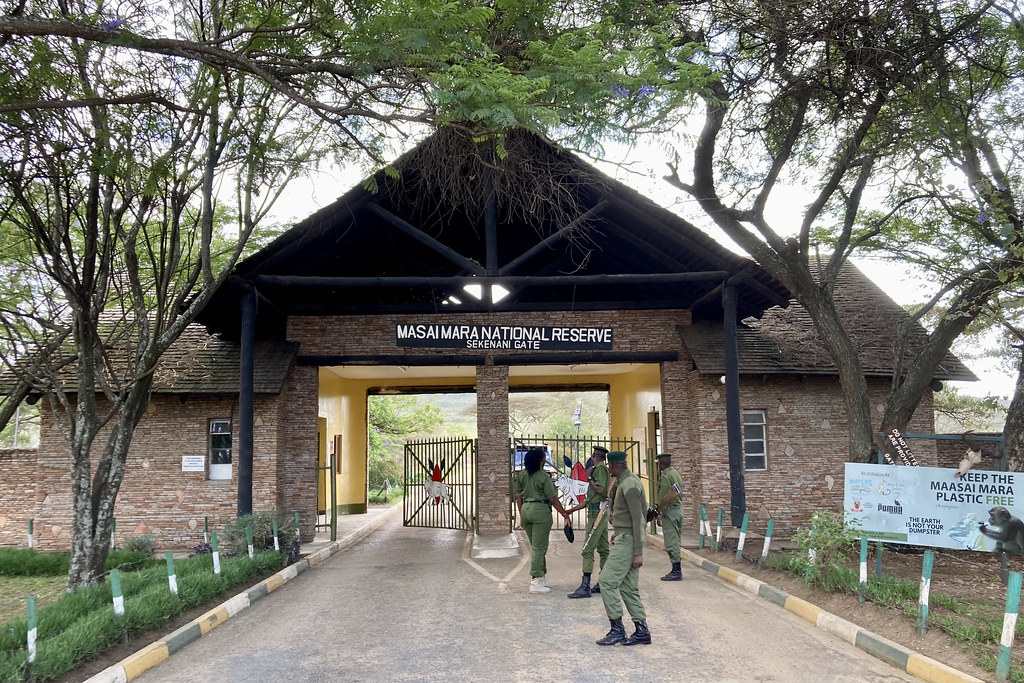
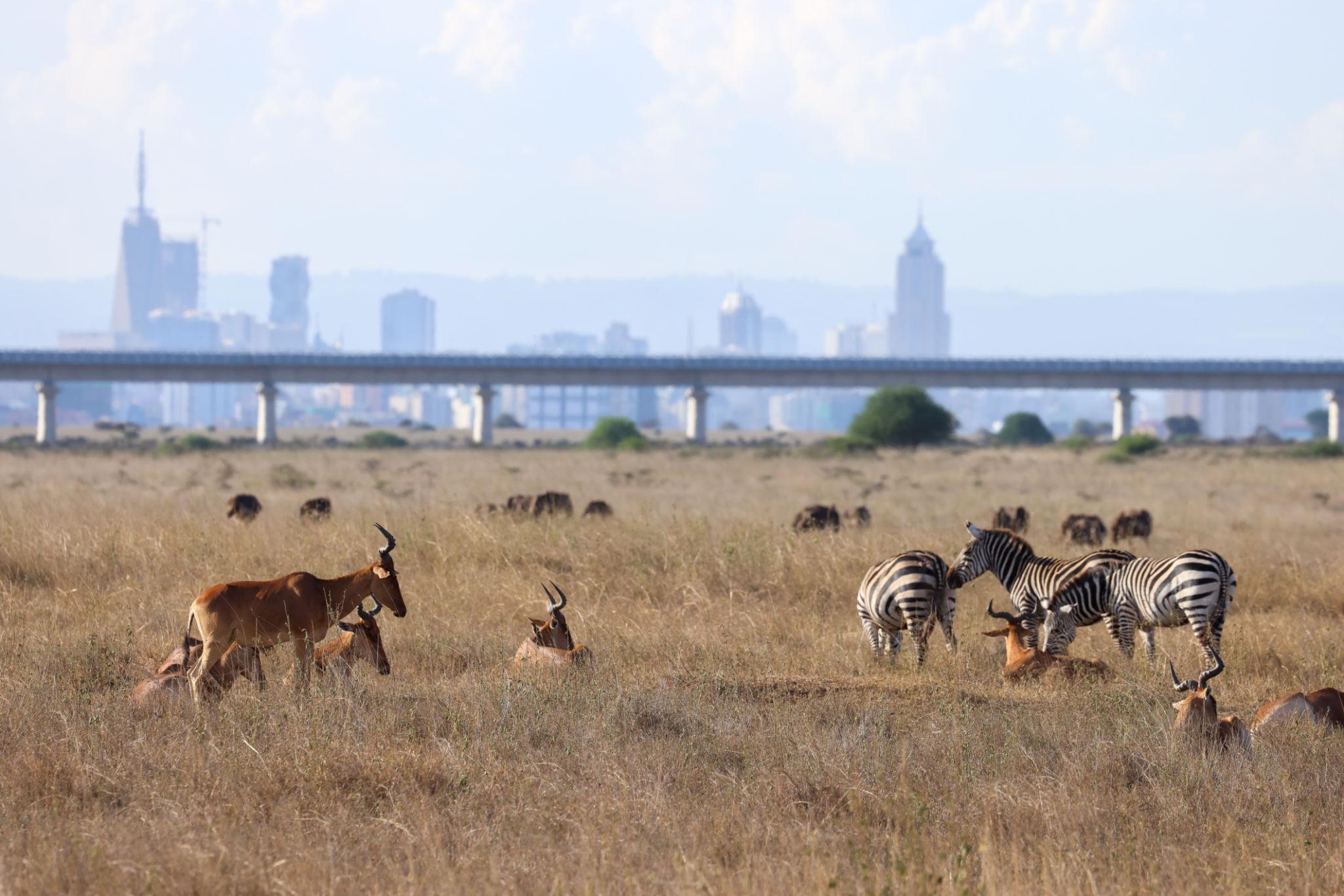
An Amboseli photography safari with private Kenya wildlife game drives and Mount Kilimanjaro views is not simply about carrying a long lens into the park. The strongest photographs usually come from good timing, patient wildlife observation, enough space inside the safari vehicle, responsible positioning and an itinerary that allows the photographer to wait for a scene instead of rushing from one sighting to another.

Why photographers choose Amboseli National Park
Amboseli National Park combines open grass plains, acacia woodland, seasonal lake areas, swamps and marshes within a landscape dominated by Mount Kilimanjaro to the south. Kenya Wildlife Service describes the park as a leading destination for elephant encounters and notes that it supports more than 400 bird species. These different habitats give photographers opportunities to work with wide landscapes, large mammals, birds, behaviour and environmental portraits during the same Kenya savannah tour. [1]
The visual strength of Amboseli is not limited to one famous elephant-and-mountain composition. The park can produce very different pictures as animals move between dry plains, wetlands and woodland edges. Dust, cloud, rain, backlight, reflections and changing vegetation can all become part of the photograph. This variety is one reason Amboseli remains an important stop within many Kenya wildlife safaris and custom Kenya safari itineraries.
Amboseli also sits within a much larger ecological landscape. UNESCO's description of the ecosystem highlights wildlife corridors connecting the park with surrounding conservation areas and the wider Kenya-Tanzania landscape. That wider context matters for photographers because wildlife does not move according to a visitor's schedule or remain permanently in the same part of the park. [2]
Elephants and open landscapes
Amboseli is especially associated with free-ranging elephants, broad plains and views towards Mount Kilimanjaro, making it suitable for both close behavioural images and wider environmental compositions.
More than one photographic subject
Birdlife, buffaloes, giraffes, zebras, wildebeest, predators, wetlands and changing skies provide alternatives when a planned mountain composition does not develop.
Plan an Amboseli photography safari around your photographic goals
Before booking a Kenya safari, decide what you actually want to photograph. A traveller who mainly wants elephant portraits needs a different pace from someone building a documentary-style collection of landscapes, birds, wildlife behaviour and cultural context. A family carrying phones may value comfortable game drives and flexible stops, while a photographer travelling with two camera bodies and long lenses may need a private vehicle with more working space.
Write down three priorities before requesting a quotation. They might include elephants in wide landscapes, animal behaviour, bird photography, sunrise and late-day light, or a slower private safari where the guide can spend more time at productive sightings. Sharing these priorities helps local Kenya safari operators design the route around the experience rather than simply selling a standard package.
The most important planning principle is flexibility. Mount Kilimanjaro may disappear behind cloud, animals may move away from the road and a dramatic scene may develop in an unexpected direction. Good Kenya safari experts work with what nature provides. A strong photography itinerary therefore includes enough time to observe, wait and return to productive areas when park rules, road conditions and the day's wildlife movement allow.
Work with the light you have, not the photograph you imagined
Photography in Amboseli changes quickly with cloud, dust, humidity, the angle of the sun and the position of wildlife. Lower-angle light can create long shadows, stronger texture and attractive rim light, while overcast conditions can make it easier to photograph detail without very strong contrast. Midday light can be harder, but it can still work for graphic shapes, environmental scenes, reflections and documentary images.
Kenya Wildlife Service currently states that Amboseli's gates open at 6:00 AM and close at 6:00 PM for day visitors, unless a visitor is staying overnight under applicable park arrangements. This means photographers should design their game-drive schedule around actual park access rather than assuming they can remain in the park before or after official hours. [1]
Soft cloud is not failed photography weather. It may reduce the drama of the mountain, but it can improve detail on elephants and other animals. Strong sunlight is also not a reason to stop photographing. Watch the direction of the light, expose carefully and look for clean backgrounds. In backlight, a simple outline can sometimes be stronger than a detailed portrait. The goal is to respond to the real scene rather than forcing every sighting into the same style.
Heat haze can reduce fine detail when subjects are far away, particularly across open ground. When the air is visibly shimmering, a wider composition may work better than extreme cropping or digital zoom. This is particularly useful for phone photographers and travellers using compact cameras.
Photograph Amboseli elephants with patience and context
Amboseli's elephants are one of the strongest reasons photographers return to the ecosystem. The Amboseli Elephant Research Project has monitored individually known elephants for decades, providing an unusually long record of elephant lives, family relationships and population change. The Amboseli Trust for Elephants reported that the core known population at the end of 2023 included 1,878 living elephants, while also explaining that the population is not bounded by the national park and remains connected with surrounding areas. [3]
For photography, this long-term research is a reminder that elephants are not props. Watch how a family moves, how calves remain near adults, how individuals feed, rest or cross open ground, and how the group changes direction. Waiting for behaviour to develop often creates a stronger photograph than continually asking the driver-guide to reposition the vehicle.
Captions should describe what you actually observed. Avoid inventing emotions, family roles or conflict from a single frame when those details were not known. Accurate wildlife storytelling makes your photographs more credible and supports responsible wildlife conservation communication.

Build a photographic story beyond the classic Kilimanjaro image
The elephant beneath Mount Kilimanjaro is one of the most recognised safari images in East Africa, but copying that frame should not become the only objective of the trip. A more complete visual story begins with an establishing photograph, then moves closer through medium views, behaviour, details and relationships between animals and their environment.
Use the landscape deliberately. Dry lakebed textures can create negative space. Swamps can introduce reflections, greener colour and birdlife. Acacia woodland creates natural framing, while dust can add atmosphere. Observation Hill, where access and conditions permit, can also help travellers understand the scale of the ecosystem and create broader landscape photographs.
Include images that explain the safari experience itself. A respectful photograph of the road stretching through the plains, a guide scanning for wildlife or the changing sky above a distant herd can help a final portfolio feel like a journey rather than a collection of isolated animal portraits.
Camera settings and useful starting principles
There is no single correct camera setting for an Amboseli photography safari. Moving animals generally require a shutter speed appropriate to their movement, your focal length and how steadily the camera is supported. When light falls, it is often better to raise ISO than to accept avoidable motion blur. For a stationary subject, you may have more freedom to work with depth of field and lower ISO.
Continuous autofocus and short bursts can help when photographing movement, but practise those controls before your safari. Learn how to change autofocus modes, exposure compensation, ISO and shutter speed without searching through menus. When several animals form the subject, check whether the depth of field includes the individuals you want sharp.
Phone photographers can produce strong safari images too. Clean the phone lens regularly, avoid extreme digital zoom, use the highest-quality capture option available and concentrate on composition. Wider scenes often work better than heavily enlarged distant animals. Keep the phone safely inside the vehicle and make sure it does not block another traveller's view.
Choose the right Kenya safari vehicle arrangement for photography
Vehicle space can influence photography as much as the camera body. Before booking, ask how many people will share the vehicle, whether luggage will travel inside it, how viewing positions are allocated and whether your group can spend longer at a sighting. For travellers whose main purpose is photography, a private 4x4 safari vehicle can provide more control over pace and stopping decisions than a conventional group departure.
NAMSA uses safari vehicles according to the itinerary and group requirements, including 4x4 Land Cruisers for many private wildlife safaris. Confirm the exact vehicle type in your written quotation rather than assuming that every Kenya safari package uses the same configuration. If you plan to carry large lenses, beanbags or multiple camera bodies, explain this before travel so that practical arrangements can be discussed.
Group Kenya safaris can still be excellent for photographers, especially for travellers balancing cost and experience. The trade-off is that more guests may have different priorities at the same sighting. A private safari generally costs more per person when only one or two people travel, but the difference can narrow when several travellers share the same vehicle.
Best time to visit Amboseli for a photography safari
There is no single best time to visit Kenya safari destinations for every photographer. UNESCO's description of the Amboseli ecosystem explains that the area has a bimodal rainfall pattern, with the long rains generally associated with March to May and the short rains with October to December. Rainfall, however, varies from year to year, and a calendar month cannot guarantee clear skies, dry roads or a particular wildlife distribution. [2]
Drier periods can produce dust, open views and wildlife concentration around reliable water, while wetter conditions can bring greener landscapes, dramatic skies and different bird activity. Photographers should therefore choose a season according to the visual character they want, travel budget, road conditions and the wider Kenya safari itinerary rather than assuming that only one season produces worthwhile images.
If photography is the priority, consider staying at least two nights in the Amboseli area. A short visit may still be rewarding, but additional time gives you more than one opportunity for changing light, cloud conditions and wildlife movement.
Responsible wildlife photography in Amboseli
A good photograph is never more important than wildlife welfare or park rules. Kenya Wildlife Service instructs visitors to remain in their vehicles except in designated areas, stay on established roads and trails, observe a maximum speed of 40 km/h, avoid feeding wildlife and view animals from a minimum distance of 20 metres. Off-road driving is prohibited. These rules directly affect how a photographic vehicle can position itself. [1]
Do not ask a driver-guide to block an animal's path, crowd a herd, approach a subject more closely than permitted or leave an established road for a photograph. If an animal begins changing direction because of the vehicle, the ethical decision is to give it more space. Sustainable safari Kenya experiences depend on respectful wildlife viewing, not only on the number of photographs collected.
Drones require separate planning. Kenya Civil Aviation Authority publishes the country's unmanned aircraft system regulations, standards and regulatory information. A traveller should not assume that owning a drone or using it recreationally creates a right to import or operate it in Kenya, and protected-area permissions may involve additional requirements. Check current rules with the relevant authorities before travelling with drone equipment. [4]
Kenya travel preparation before your safari
International Kenya travellers should check current entry requirements through the official Kenya Electronic Travel Authorisation portal rather than relying on an old blog post or a third-party visa website. Kenya's official eTA guidance explains current application requirements and exemptions. Requirements can change, so confirm them again close to departure. [5]
Kenya's official eTA system also displays the current mandatory inbound travel health insurance notice for travellers. Because insurance rules, eligibility and approved arrangements can change, confirm the latest requirement through the official government process before paying for travel. This should form part of your Kenya safari travel insurance and health preparation, alongside personal medical advice appropriate to your circumstances. [6]
A practical packing list for Kenya safari photography should include your camera or phone, spare batteries, memory cards, charging cables, a lens cloth, dust protection, binoculars, sunscreen, insect repellent, personal medication and comfortable neutral-coloured clothing. Kenya Wildlife Service itself recommends items including a camera, binoculars, sunscreen, insect repellent and a first-aid kit for park visitors. [1]
Budget safari, midrange safari or luxury safari: what changes for photographers?
Safari style affects accommodation, vehicle arrangements, private guiding, transfer time and the flexibility of your schedule. Budget Kenya safaris can reduce overall cost by using simpler accommodation and shared arrangements. Mid-range safaris usually balance comfort and price. Luxury Kenya safaris may include higher-end Kenya safari lodges, tented camps, fly-in sectors or more private services. None of these labels automatically guarantees better wildlife photography.
When comparing safari companies in Kenya, look beyond promotional descriptions such as "best Kenya tour operators" or "top rated Kenya safari companies." Check whether the operator provides a clear written quotation, the vehicle type, accommodation names, meal plan, park fees, optional activities, cancellation terms and the exact services included. Genuine Kenya tour reviews can help, but they should be considered together with transparent booking information and direct communication.
Safari costs in Kenya depend on travel dates, group size, accommodation level, park fees, transport, activities and whether the vehicle is shared or private. A photographer should also ask whether extra baggage, internal flights, specialist equipment or private-vehicle requests change the quotation. For current NAMSA booking guidance, review the company's Kenya safari FAQs before paying a deposit.
Read NAMSA's Kenya Safari FAQs on costs, inclusions, park fees and booking changes .
Combine Amboseli with other Kenya safari destinations
Amboseli works well as part of a longer Kenya safari itinerary. Travellers interested in a Great Migration Kenya safari can combine Amboseli with the Masai Mara, where wildlife movement and river crossings remain natural events and cannot be guaranteed. Lake Naivasha can add a boat experience and Rift Valley scenery, while Lake Nakuru is often included for rhino viewing and birdlife. Tsavo safaris can also connect well with Amboseli for travellers continuing towards the Kenyan coast.
A longer route can combine different photographic environments rather than repeating the same type of game drive. A Masai Mara safari provides open grassland and predator opportunities, Amboseli offers elephants and Kilimanjaro scenery, and Rift Valley lakes introduce water, birds and different landscapes. Travellers can also combine Kenya safari tours with a beach stay when time allows.
NAMSA's published 8 Days Premium Kenya Safari already combines Amboseli, Lake Naivasha, Lake Nakuru and the Masai Mara, while the 7 Days Magical Kenya Wildebeest Migration Safari follows another multi-destination route. Either can be discussed as a starting point for a custom Kenya safari itinerary when photography is the main priority.
Frequently asked questions about Amboseli photography safaris
Can NAMSA guarantee elephants in front of Mount Kilimanjaro?
No. Wildlife position, cloud cover, visibility and light must coincide naturally. A responsible tour operator can plan the itinerary and provide time in productive areas, but no operator can guarantee a specific wildlife composition.
Do I need professional camera equipment for Amboseli?
No. Phones, compact cameras and interchangeable-lens cameras can all produce meaningful safari photographs. Observation, composition, light and steady handling matter more than owning the most expensive equipment.
Is a private vehicle better for wildlife photography?
It can be. Private Kenya safaris usually give the group more control over pace, stopping time and photographic priorities. Shared group safaris can be more affordable, but travellers need to balance different interests within the vehicle.
What lens is best for an Amboseli safari?
There is no single best lens. A longer lens helps with wildlife at respectful distances, while a wider lens can be useful for elephants within the landscape and Mount Kilimanjaro compositions. Choose equipment you can use confidently and carry safely.
What is the best time to visit Amboseli for photography?
Different seasons create different photographic conditions. Drier periods can create dust and open landscapes, while wetter periods can produce greener scenery, clouds and different bird activity. Choose according to the photographs you want, your budget and the wider Kenya itinerary.
Can I fly a drone in Amboseli National Park?
Do not assume so. Drone operation in Kenya is regulated, and protected areas can have additional restrictions and permissions. Check current requirements with the Kenya Civil Aviation Authority and the relevant protected-area authority before bringing or operating drone equipment.
How many nights should a photographer spend in Amboseli?
Two or more nights can provide greater flexibility than a rushed day visit because photographers gain additional opportunities for changing light, weather and wildlife movement. The ideal stay depends on the wider itinerary and budget.
How do I choose a Kenya safari company for a photography trip?
Compare the written itinerary, vehicle arrangements, guiding, accommodation, park-fee treatment, cancellation terms, real traveller feedback and how clearly the operator responds to photography-specific questions. A trusted safari company should explain what can be arranged and what cannot be guaranteed.
Sources and further reading
This guide uses official and specialist public sources for park information, conservation context, aviation rules and current travel requirements. External links below are provided as citations for readers. They are outbound source links, not backlinks to NAMSA.
- Kenya Wildlife Service: Amboseli National Park. Official park information, visitor guidance, safety rules, access and current park rates.
- UNESCO World Heritage Centre: Amboseli National Park Tentative List. Ecosystem, habitats, rainfall patterns, wildlife corridors and landscape context.
- Amboseli Trust for Elephants: Annual Report 2023. Long-term monitoring and population context for the Amboseli elephants.
- Kenya Civil Aviation Authority: Unmanned Aircraft Systems. Current public information and regulatory documents for drone operations in Kenya.
- Republic of Kenya: Official Electronic Travel Authorisation portal. Current eTA application information, eligibility and exemptions.
- Republic of Kenya eTA: Mandatory Inbound Travel Health Insurance notice. Official current notice for inbound travel health insurance.
Safari enquiries: booking@namsaprestigioustours.com · +254 716 549 495