Language
Currencies

Great Wildebeest Migration in Maasai Mara: All You Need to Know
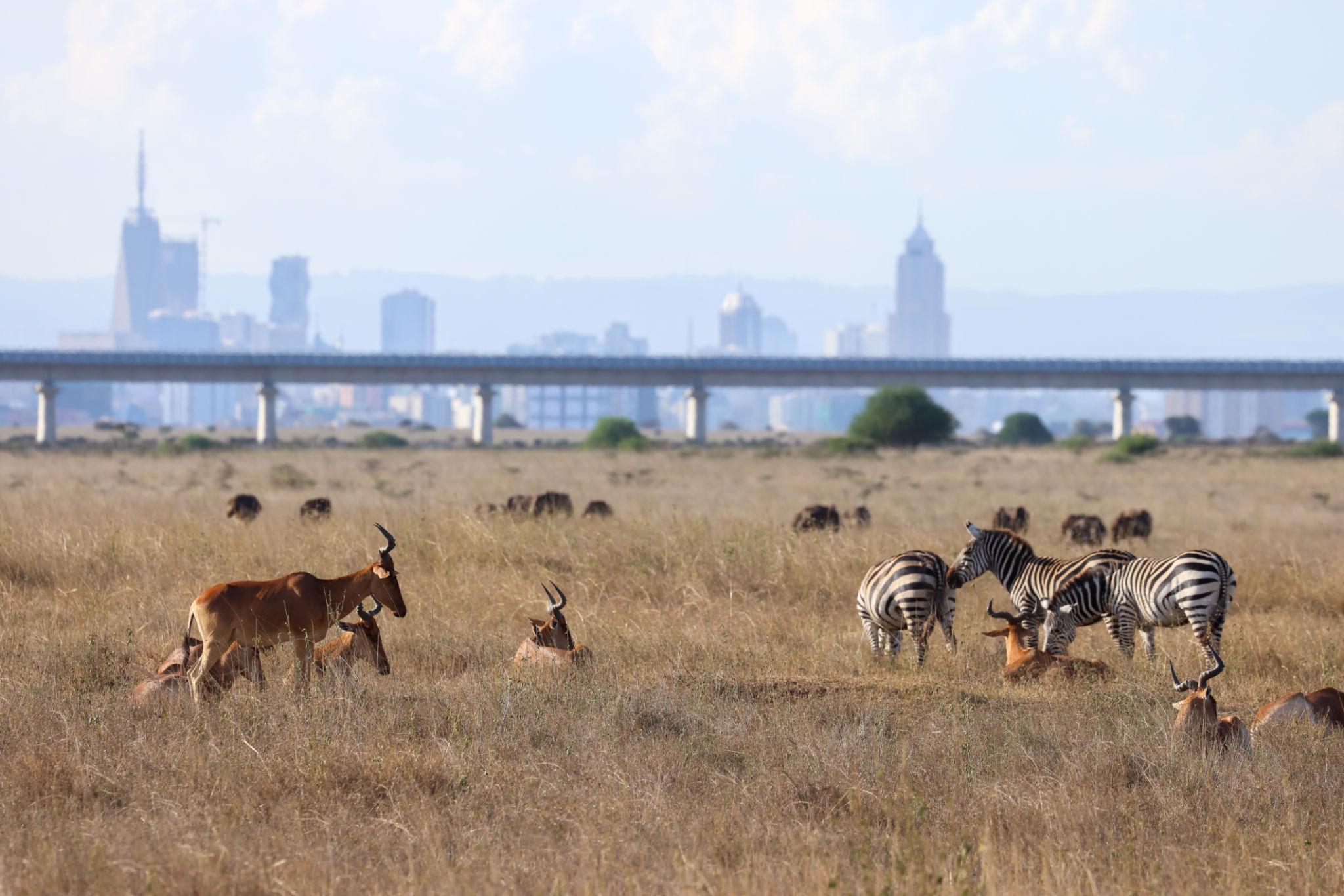
The Great Wildebeest Migration in Maasai Mara is one of the most extraordinary wildlife events in the world. Every year, massive herds of wildebeest, joined by zebras and gazelles, move through the Serengeti-Mara ecosystem in search of fresh grazing and water. For many travelers planning to visit Africa, this is the safari experience they most want to witness.
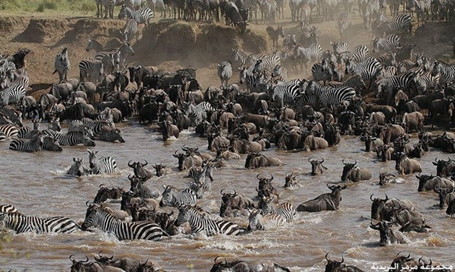
What makes this event so powerful is that it is not just about numbers. It is about movement, survival, instinct, and the raw beauty of nature. In Maasai Mara, the most dramatic part of the migration is the Mara River crossing, where herds gather at the riverbank and suddenly rush into the water, often facing steep banks, strong currents, and crocodiles. It is one of the most emotional and unforgettable wildlife moments you can experience in Africa. The migration is part of an ongoing circular movement across the Serengeti-Mara ecosystem, involving more than a million animals, and not a fixed one-day event.
What Is the Great Wildebeest Migration?
The Great Wildebeest Migration is an annual movement of wildebeest, zebras, and other grazing animals across the Serengeti in Tanzania and the Maasai Mara in Kenya. It is driven by rainfall, grazing conditions, and access to water, which means the exact timing changes slightly every year.
This is important for travelers to understand because the migration does not follow a strict calendar. Instead, it follows nature. That is why some years the herds arrive a little earlier, while in other years they arrive later. Still, the Maasai Mara season is generally expected from July or August through October, which is the period most safari planners focus on for migration safaris.
Where Is Maasai Mara and Why Is It Important?
Maasai Mara is located in southwestern Kenya, along the border with Tanzania’s Serengeti. Together, these two wildlife areas form one of the most important safari ecosystems in the world.
Maasai Mara is especially famous because it becomes one of the main destinations for the migrating herds during the dry season. The open grasslands, strong predator population, and major river crossing points make it one of the best places in Africa to watch the migration unfold. The reserve is widely recognized as one of East Africa’s top safari destinations, with the main migration window in the Mara typically described as July or August to October.
When Is the Best Time to See the Great Migration in Maasai Mara?
If your main goal is to see the migration in Kenya, the best time to visit Maasai Mara is usually from July or August to October. This is when the herds move into the reserve and when many of the famous river crossings happen.
However, it is important to keep expectations realistic. River crossings are unpredictable. You may spend several hours waiting near a riverbank and see no crossing at all, or you may suddenly witness hundreds of animals charging into the water at once. The timing depends on weather, herd movement, grass conditions, and instinct. Safari planning sources consistently identify the Mara’s migration period as July or August through October, with river-crossing opportunities concentrated in that season.
What Are the Mara River Crossings?
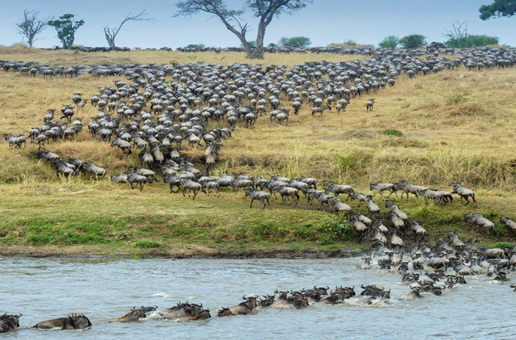
The Mara River crossings are the most famous part of the Great Wildebeest Migration in Kenya. These happen when large herds reach the Mara River and attempt to cross from one side to the other.
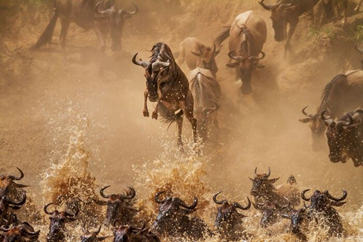
What makes these crossings so dramatic is the danger involved. The animals face steep riverbanks, deep water, strong currents, and crocodiles waiting below. Yet the crossing can happen suddenly and with incredible force. This is one of the main reasons photographers, wildlife lovers, and first-time safari travelers are drawn to Maasai Mara during migration season. Official and specialist migration guides describe the crossings as highly unpredictable, with herds often gathering, hesitating, then plunging into the Mara River in large numbers.
What Animals Can You See During the Migration?
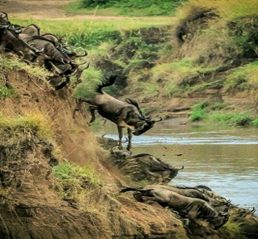
Although wildebeest are the main focus, they are not the only animals you will see. Zebras often travel with the herds, and gazelles are also part of the wider migration movement.
At the same time, predators follow the migration closely. Lions, cheetahs, hyenas, leopards, and crocodiles all take advantage of the movement of prey. This means a migration safari often includes much more than wildebeest. It can also be one of the best times for predator sightings and intense wildlife action in the African savannah. Migration references for Maasai Mara highlight not only wildebeest and zebra numbers, but also the heightened predator-prey interactions that make this season especially dramatic.
Top Maaai Mara safari for you
Login to use
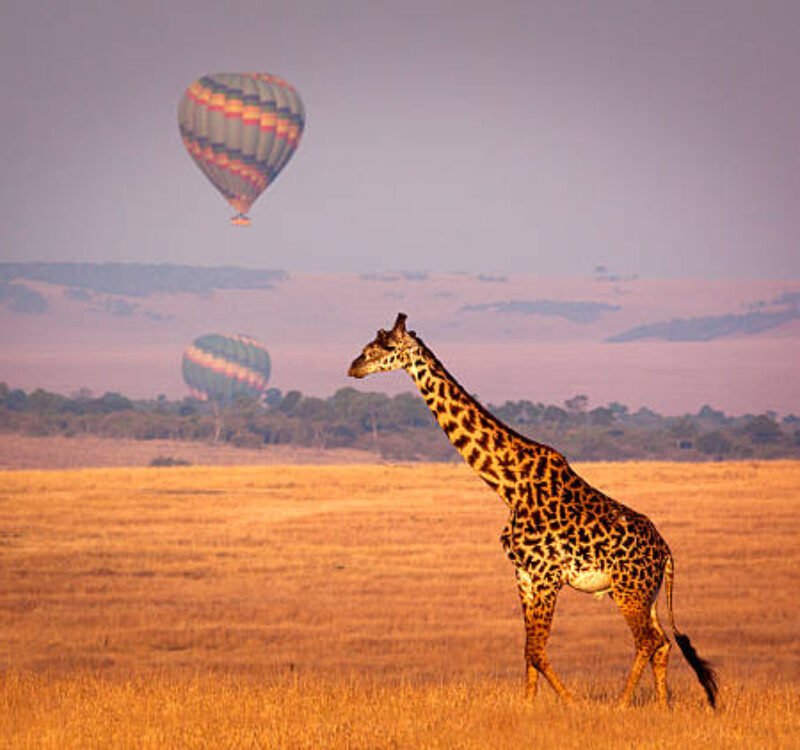
7 Days Magical Kenya Wildebeest Migration Safari 2026/2027
Login to use
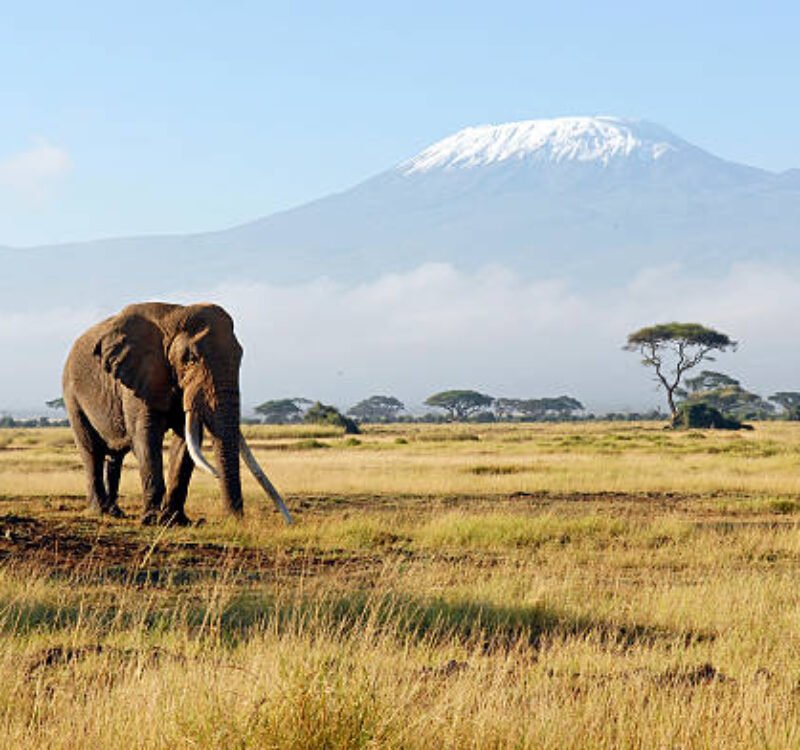
10 Days Classic Kenya Wildebeest Migration Safari 2026/2027
How Many Days Should You Spend on a Migration Safari?
A short 3-day safari can still give you a chance to see the migration, especially if the herds are active near your camp area. However, a 4 to 6-day safari is usually a better option for travelers who want a more relaxed experience and a stronger chance of seeing a river crossing.
Because migration movements are unpredictable, staying longer increases your chances of being in the right place at the right time. This is especially important for visitors traveling during peak migration season. Many Maasai Mara safari itineraries marketed for migration season range from a few days to a week or more, reflecting that longer stays generally improve viewing opportunities.
Is the Great Wildebeest Migration Worth Seeing?
Yes, absolutely. The Great Wildebeest Migration is one of Africa’s most iconic wildlife experiences, and Maasai Mara is one of the best places to see it. Even if you do not witness a major river crossing, the sight of endless herds spread across the plains is already extraordinary.
For many travelers, the value of the migration is not only in the crossing itself, but in the overall feeling of being part of one of nature’s greatest survival stories. The sound of hooves, the tension at the riverbank, and the scale of the landscape all come together to create a safari experience that feels powerful and real.
Travel Tips for Planning a Maasai Mara Migration Safari
If you want the best possible migration safari, book early. This is one of the busiest safari seasons in Kenya, and camps in the best migration areas often fill quickly.
It is also wise to stay flexible. Nature does not follow a schedule, and no river crossing can ever be guaranteed. Choosing experienced guides and a well-planned itinerary can make a big difference because local knowledge helps travelers get closer to the best migration zones at the right time.
For travelers choosing between budget safari, midrange safari, and luxury safari options, the best choice depends on comfort level, location, and travel dates. What matters most is being based in a good wildlife area with guides who understand current herd movement.
Experience the Great Migration with Namsa Prestigious Tours
The Great Wildebeest Migration in Maasai Mara is more than a safari highlight. It is one of the most unforgettable wildlife experiences in Africa. From the first sight of dark herds stretching across the plains to the dramatic tension of a Mara River crossing, every moment feels powerful.
At Namsa Prestigious Tours, we help travelers plan Kenya safaris that match their style, budget, and timing. Whether you are looking for a budget safari, a comfortable midrange safari, or a private tailor-made experience, we can help you experience the migration in the right way.
If you are ready to visit the African savannah and witness one of nature’s greatest spectacles, contact Namsa Prestigious Tours and let us help you plan your Maasai Mara migration safari.
Frequently asked questions
Have more questions? Contact us.
When is the best time to see the Great Wildebeest Migration in Maasai Mara?
The best time is usually from July or August to October, when the herds move into Maasai Mara and river crossings are most likely. Exact timing can change depending on rainfall and grazing conditions.
What is the Mara River crossing?
The Mara River crossing is the most dramatic stage of the migration, when wildebeest and zebras attempt to cross the river despite steep banks, strong currents, and crocodiles.
How many wildebeest take part in the Great Migration?
The migration involves more than a million wildebeest, together with zebras and other grazing animals moving across the Serengeti-Mara ecosystem.
How many days do I need for a Maasai Mara migration safari?
A 4 to 6-day safari is often a good choice because it gives you more time to follow herd movement and improves your chances of seeing a river crossing.
Is the Great Wildebeest Migration guaranteed on exact dates?
No. The migration follows rainfall and grazing patterns, so exact dates and crossing times change from year to year.
Can Namsa Prestigious Tours arrange budget and midrange migration safaris?
Yes. Namsa Prestigious Tours can help arrange budget safari, midrange safari, and private tailor-made Maasai Mara migration packages based on your travel style.